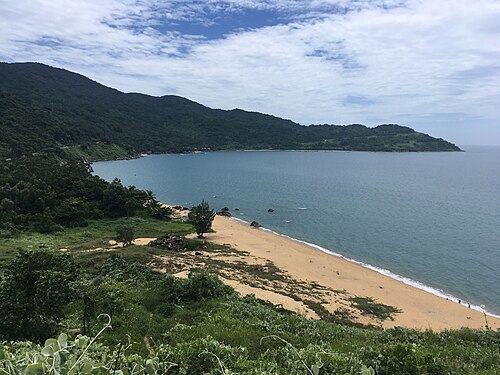
Son Tra Peninsula
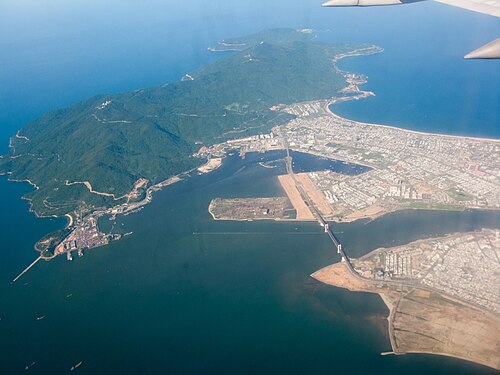
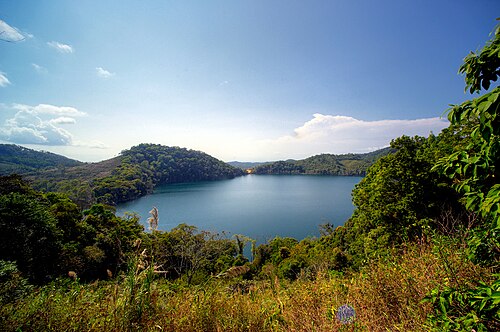
Son Tra Peninsula is Da Nang's forested headland projecting into the East Sea about ten kilometres northeast of the city centre.
- Must see
- Nature site
- Da Nang
Language · 11 published
Country guide
Vietnam covers 331,344.82 km² and its 2025 population estimate is 102,300,000, held mostly in two river deltas at opposite ends of a long, narrow country: the Red River in the north around Hanoi, the Mekong in the south below Ho Chi Minh City. Hanoi is the capital and Ho Chi Minh City the largest city, and the ground between the two is the trip — a coast measured in days rather than hours, usually broken into three or four stops instead of run in one go. Which end a traveller starts from decides the order of everything after it.
Every city catalogued in this country so far, ranked by how much there is to see.
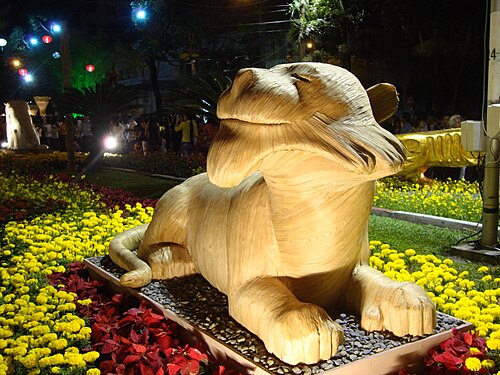
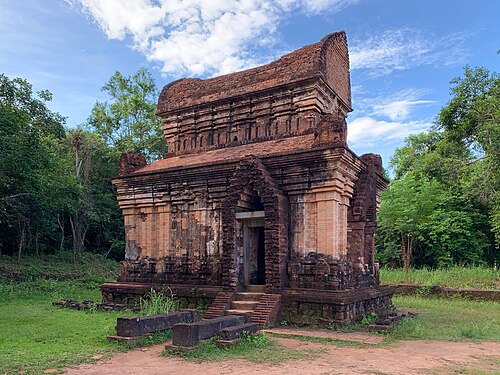
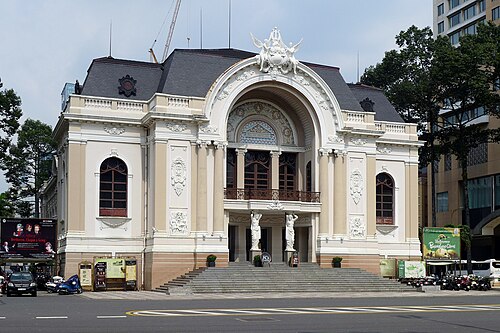
Photograph · Clay Gilliland · CC BY-SA 2.0
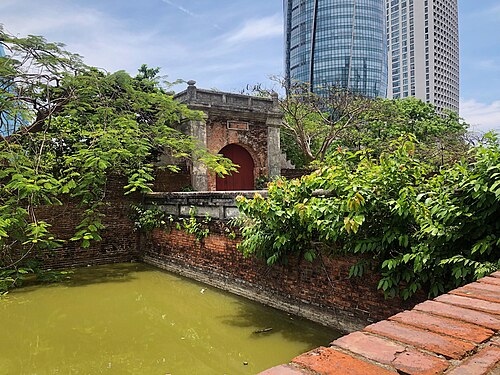
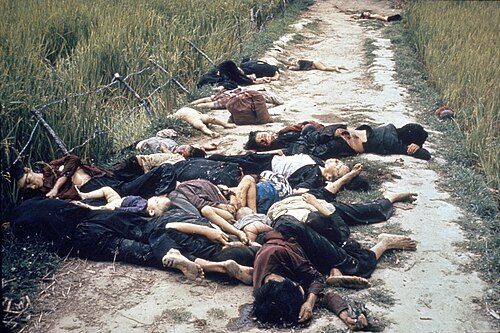
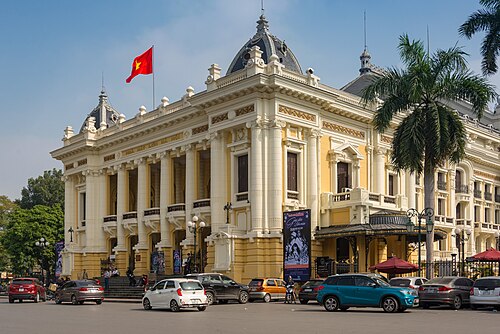
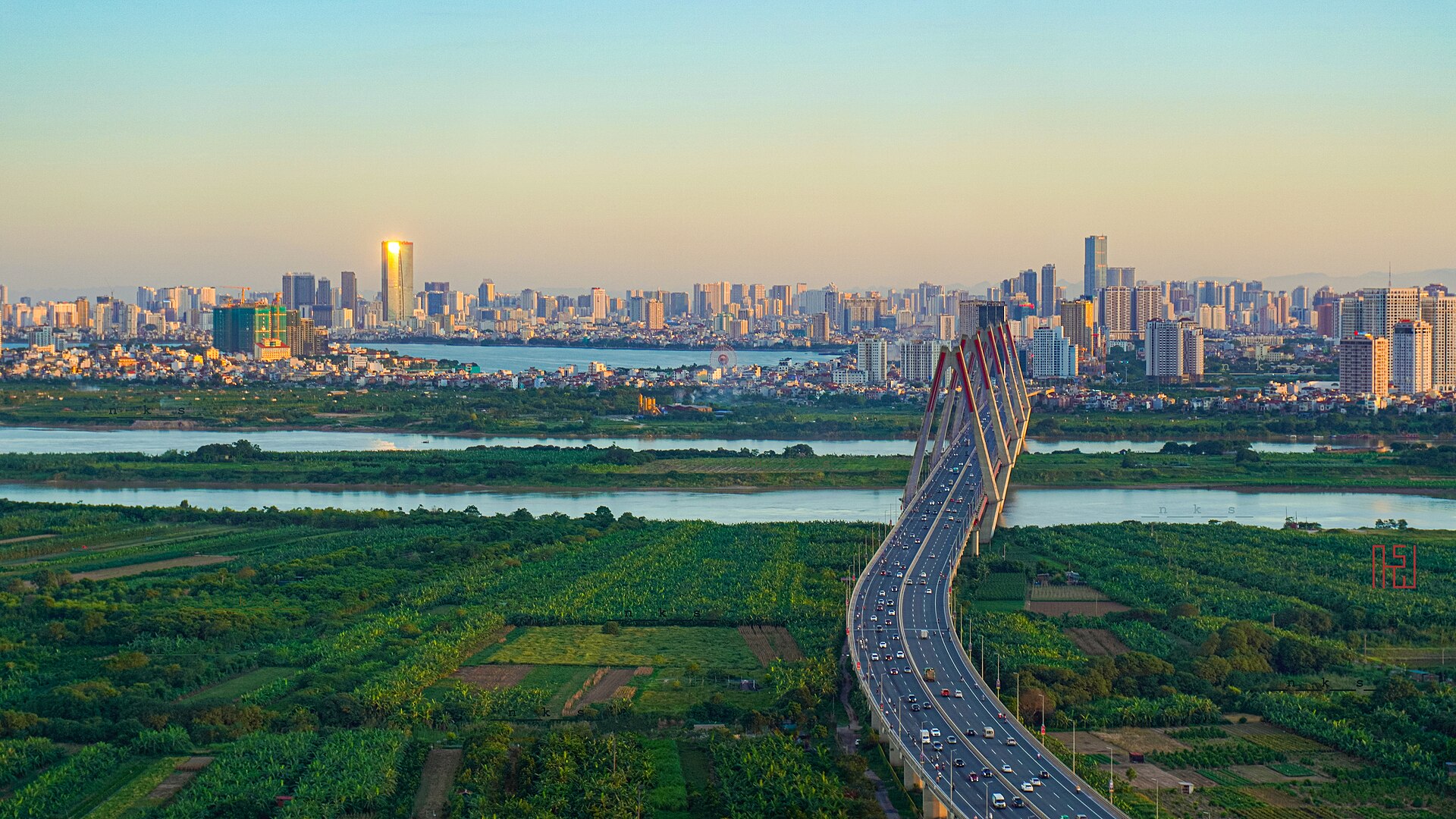
Photograph · NKSTTSSHNVN · CC BY-SA 4.0
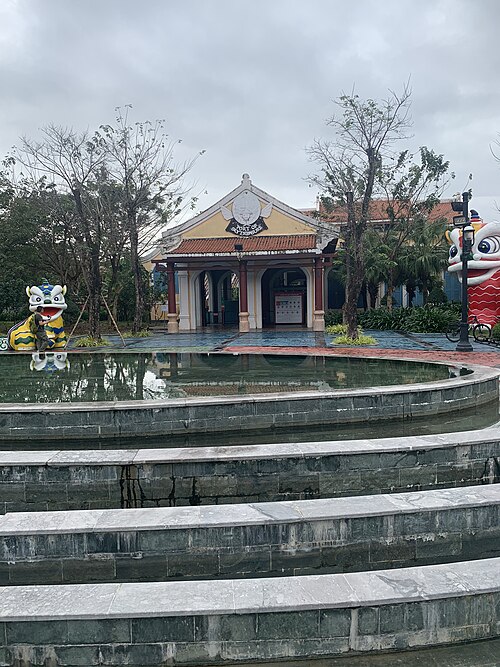
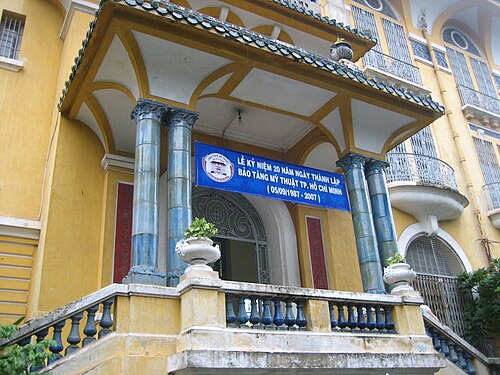
Photograph · Cuong Tran · Public domain
Ranked by importance — sitelinks, pageviews and heritage status, not editor preference.
100 places match
Category
Typical visit duration
Son Tra Peninsula is Da Nang's forested headland projecting into the East Sea about ten kilometres northeast of the city centre.
The Jade Emperor Pagoda, known locally as Chùa Ngọc Hoàng, is a Taoist temple in Ho Chi Minh City. Built in 1909 by the Chinese community, it honors the Jade Emperor, the supreme deity in Taoist cosmology.
Nguyen Hue Walking Street is a broad pedestrian promenade in central Ho Chi Minh City, stretching from the People's Committee Building to the Saigon River.
Dien Hai Citadel is a historic military fortification in Da Nang, Vietnam. Constructed in 1813 during the Nguyen Dynasty, it was originally named Dien Hai Fort.
Bitexco Financial Tower is a prominent skyscraper in Ho Chi Minh City, Vietnam. It stands in District 1, the central commercial area. The building is notable for its distinctive lotus-inspired architectural design, which reflects Vietnamese cultural symbolism.
Landmark 81 is a prominent skyscraper in Ho Chi Minh City, Vietnam. It stands within the Vinhomes Central Park development in Binh Thanh District.
Cholon is Saigon's historic Chinatown, a sprawling commercial and residential district in Ho Chi Minh City. Established in the late eighteenth century, it developed as a separate city before merging with Saigon proper.
Long Bien Bridge is a historic cantilever bridge across the Red River in Hanoi, Vietnam. Constructed during the French colonial period, it was designed by Gustave Eiffel's company and completed in the early twentieth century.
Nguyen Van Binh Book Street is a pedestrian thoroughfare in Ho Chi Minh City dedicated to books and reading culture. It stretches beside Notre-Dame Cathedral Basilica of Saigon in District 1.
Bui Vien Walking Street is the dominant backpacker nightlife street in Ho Chi Minh City and a nationally recognised visitor district. Located in District 1, it forms the western anchor of the city's backpacker quarter alongside Pham Ngu Lao Street.
Da Nang Downtown is the city's principal amusement complex, serving as a central hub for nightlife and entertainment in Da Nang, Vietnam. The area functions as a mixed-use destination combining commercial, recreational, and social functions.
Phung Hung Mural Street is a public art installation along Phung Hung Street in Hanoi's Old Quarter.
The Hanoi Ceramic Mosaic Mural is a monumental public artwork in Vietnam's capital. Commissioned in 2007 for the Millennial Anniversary of Hanoi, it holds recognition as one of the world's largest ceramic mosaics.
Thac Gian Communal House is a Vietnamese đình, or traditional village communal house, located in central Da Nang. It stands as an independent national architectural heritage site, recognized for its historical and cultural significance to the region.
Dong Khoi Street is a major thoroughfare in Ho Chi Minh City's District 1, historically significant as the central commercial and cultural artery of the city during French colonial rule.
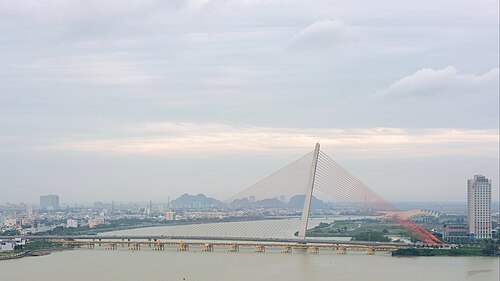
Tran Thi Ly Bridge is a cable-stayed bridge spanning the Han River in Da Nang, Vietnam. The structure serves as a vital transportation link connecting districts of the central Vietnamese city.
Thuan Phuoc Bridge is a cable-stayed bridge spanning the Han River in Da Nang, central Vietnam. It connects the city centre with the eastern peninsula and Son Tra Peninsula.
The Imperial Citadel of Thang Long is a UNESCO World Heritage Site in central Hanoi, Vietnam.
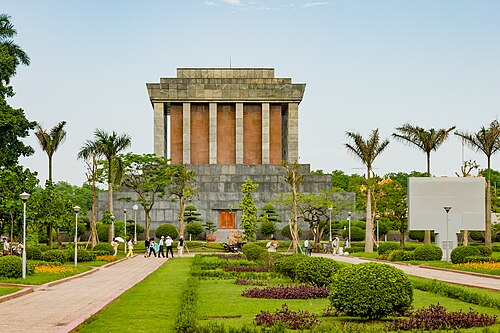
The Ho Chi Minh Mausoleum, known locally as Lăng Chủ tịch Hồ Chí Minh, stands as a monumental memorial in central Hanoi.
The Cu Chi Tunnels comprise an extensive underground network located northwest of Ho Chi Minh City, formerly Saigon. Constructed during the mid-20th century conflict period, these passages served as hiding spots, supply routes, hospitals, and living quarters.
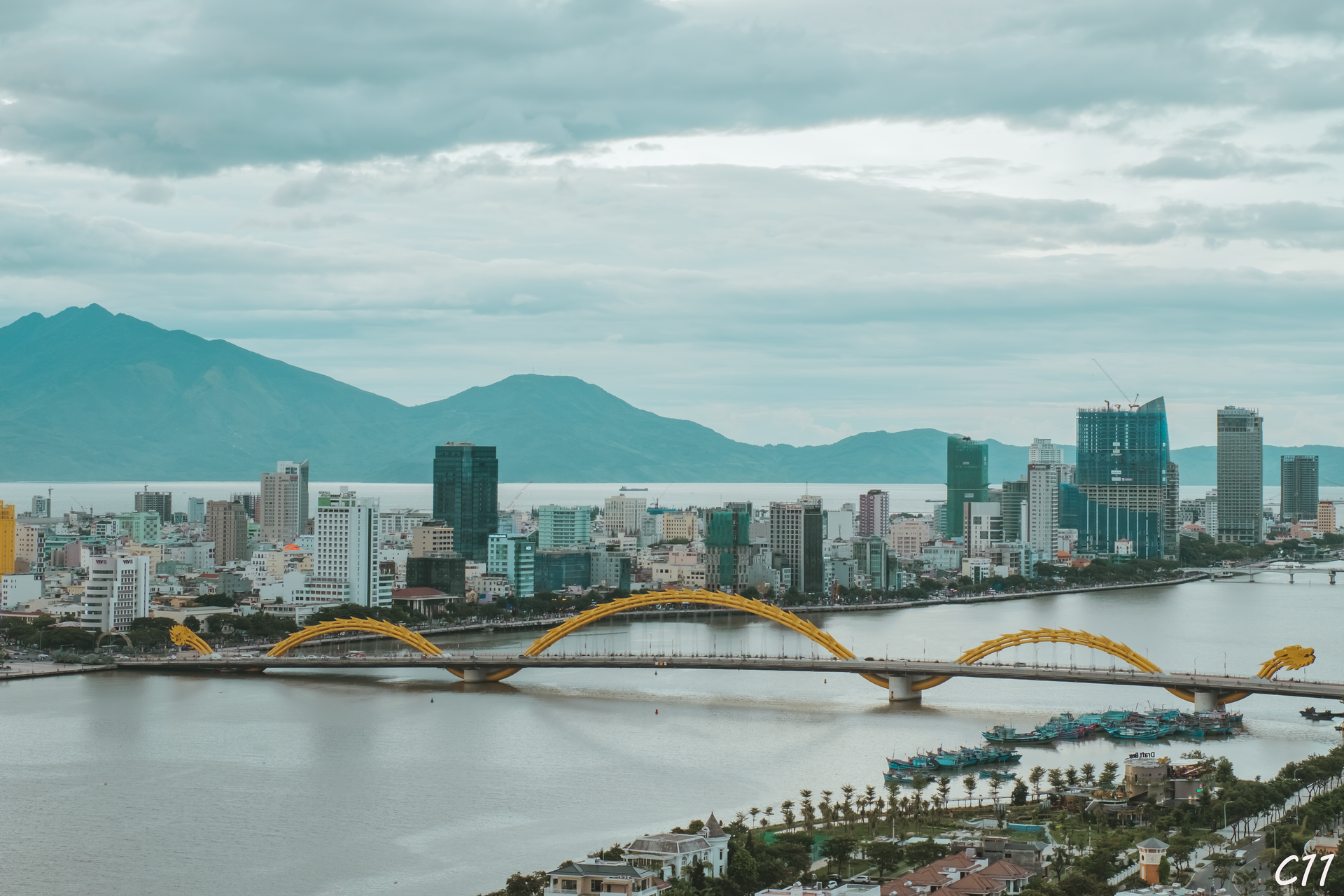
Dragon Bridge, known locally as Cầu Rồng, is a steel bridge spanning the Hàn River in Da Nang, Vietnam.
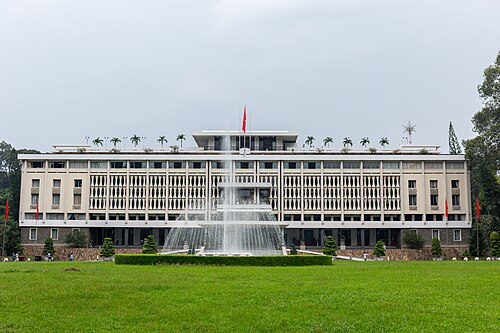
Independence Palace, known locally as Dinh Độc Lập, stands as one of Ho Chi Minh City's most historically significant landmarks. The structure served as the residence and workplace of the President of South Vietnam during the Vietnam War era.
Hoa Lo Prison Relic, locally known as Di tích Nhà tù Hỏa Lò, is a historical museum in Hanoi. The site preserves a former colonial-era prison complex.
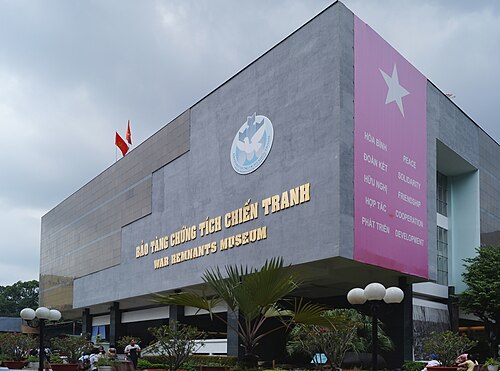
The War Remnants Museum, known locally as Bảo tàng Chứng tích Chiến tranh, stands as a significant institution in Ho Chi Minh City dedicated to documenting the Vietnam War and its enduring consequences.
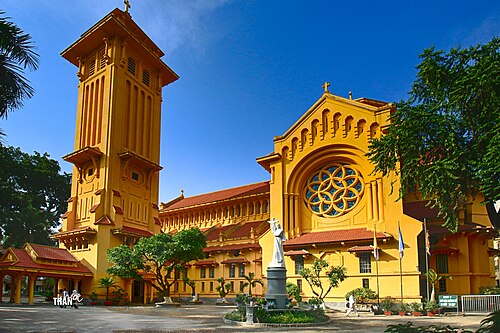
The Notre-Dame Cathedral Basilica of Saigon is a prominent Catholic cathedral in Ho Chi Minh City, Vietnam. Constructed by French colonists in the late nineteenth century, it stands as one of the city's most recognizable architectural landmarks.
The Vietnam National Museum of Fine Arts is a state-run institution in Hanoi dedicated to preserving and exhibiting Vietnamese visual art. Housed in a colonial-era building, it serves as the country's principal repository for fine arts.
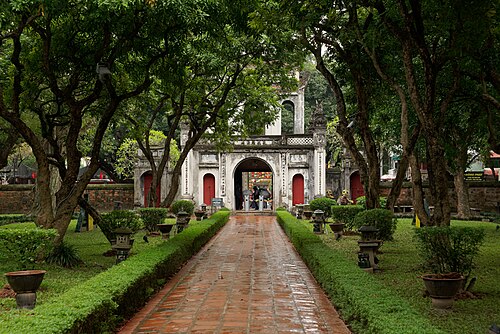
The Temple of Literature, known locally as Văn Miếu - Quốc Tử Giám, stands as Vietnam's first national university. Founded in 1070 during the Lý dynasty, it originally served as a Confucian temple before expanding into an imperial academy.
Ba Dinh Square is a large open square in central Hanoi, widely recognised as the political and historical heart of Vietnam.
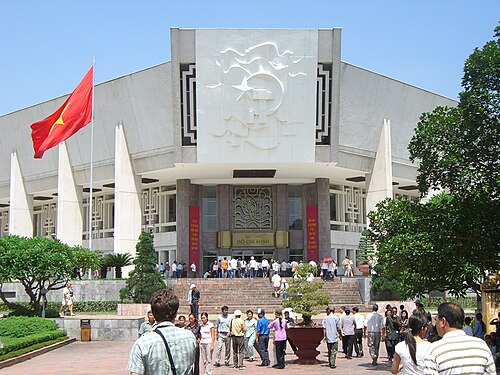
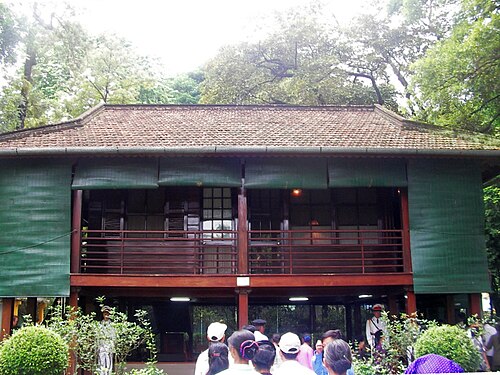
The Ho Chi Minh Museum is a major state museum in Hanoi dedicated to the life and legacy of Ho Chi Minh, the founding father of modern Vietnam.
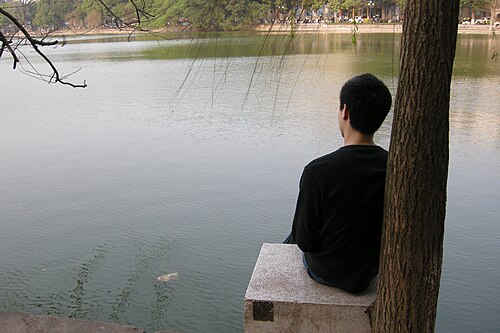
Hoan Kiem Lake, locally Hồ Hoàn Kiếm, sits at Hanoi's historic core. The name translates to Lake of the Returned Sword, referencing a legend about Emperor Le Loi receiving a divine blade from a turtle deity.
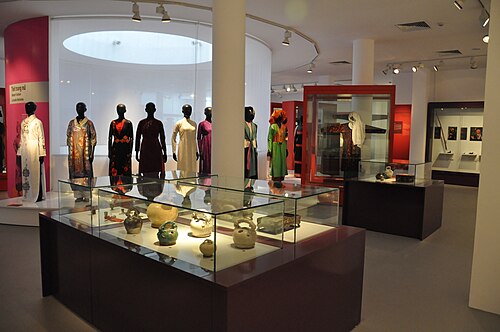
The Vietnamese Women's Museum is a cultural institution in Hanoi dedicated to documenting and celebrating the roles of women in Vietnamese society throughout history.
The Saigon Central Post Office is a prominent colonial-era landmark in Ho Chi Minh City, Vietnam.
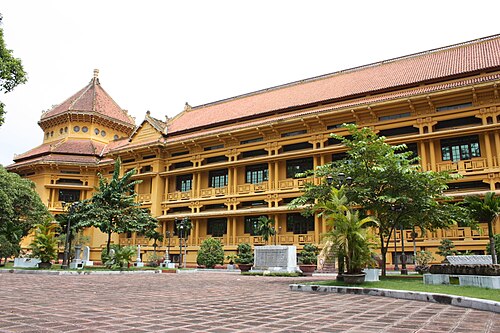
The National Museum of Vietnamese History occupies a distinctive building in central Hanoi, constructed during the French colonial period. Originally built as the École Française d'Extrême-Orient, the structure blends French architectural elements with Asian influences.
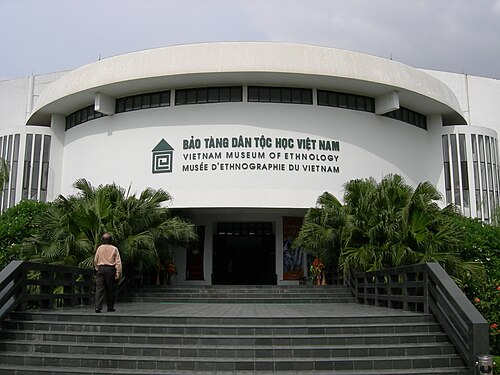
The Vietnam Museum of Ethnology is a museum in Hanoi dedicated to the 54 officially recognized ethnic groups of Vietnam. Its full local name is Bảo tàng Dân tộc học Việt Nam.
Hai Van Pass is a dramatic mountain pass on the border of Da Nang and Thua Thien-Hue provinces. The name translates to Ocean Cloud Pass, reflecting its mist-shrouded peaks and coastal vistas.
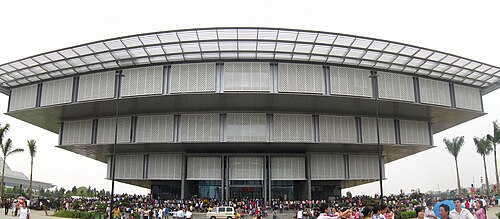
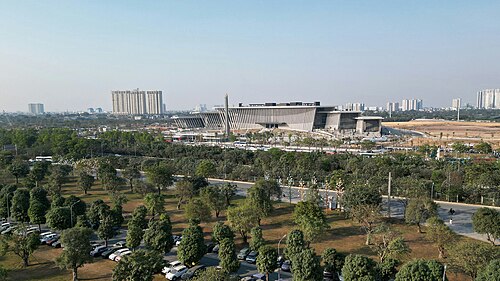
Hanoi Museum is a municipal museum dedicated to the history and culture of Vietnam's capital city. The building features a distinctive inverted pyramid architectural design that sets it apart from other cultural institutions in the region.
The Museum of Vietnamese History in Ho Chi Minh City opened in 1929 as the Blanchard de la Brosse Museum, the first museum in southern Vietnam.
Marble Mountains, known locally as Ngũ Hành Sơn, is a cluster of five limestone and marble hills located south of Da Nang in central Vietnam.
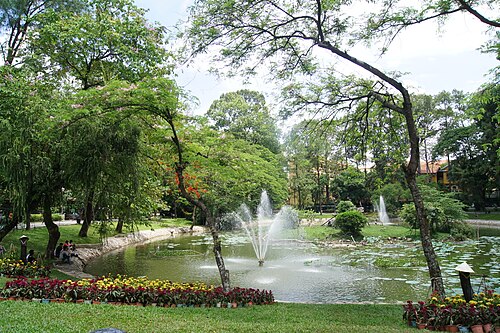
Saigon Zoo and Botanical Gardens is a historic green space in Ho Chi Minh City, combining zoological exhibits with botanical collections. Established during the French colonial period, it represents one of the oldest continuously operating zoos in the region.
West Lake, known locally as Hồ Tây, is the largest freshwater lake in Hanoi, Vietnam's capital. This expansive urban water body occupies a significant portion of the city's northwestern district and has historically shaped settlement patterns around its perimeter.
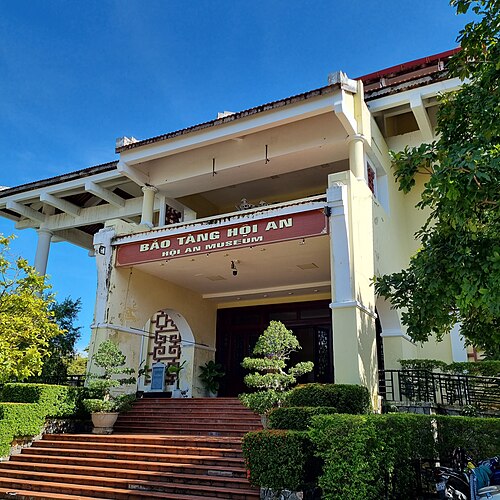
The Museum of Cham Sculpture is a museum in Da Nang, Vietnam, dedicated to the art and heritage of the Champa civilization. The Champa kingdom flourished in central and southern Vietnam for many centuries, leaving behind remarkable sculptural works.
The Hanoi Opera House is a performing arts venue in central Hanoi, constructed during the French colonial period. The building exemplifies French neoclassical architecture with Italianate influences, featuring a grand facade, columns, and ornate interior details.
The Saigon Opera House, known locally as Nhà hát Thành phố Hồ Chí Minh, stands as a prominent performing arts venue in central Ho Chi Minh City.
Ho Chi Minh City Museum of Fine Arts is a major cultural institution in Vietnam's largest city. Housed in a distinctive colonial-era building, the museum serves as a repository for Vietnamese artistic heritage spanning multiple periods.
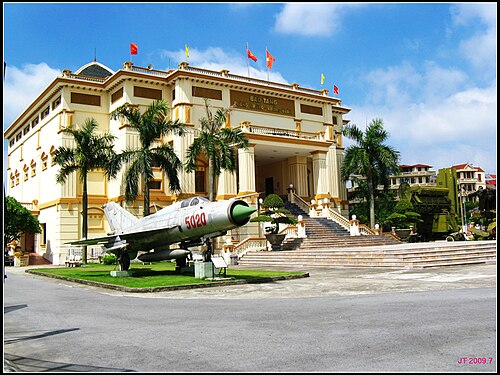
The Vietnam Military History Museum in Hanoi is a state-run institution dedicated to documenting Vietnam's military struggles and victories across centuries. Its local name, Bảo tàng Lịch sử Quân sự Việt Nam, reflects its national significance.
September 23 Park is a public green space in Ho Chi Minh City, Vietnam. The park occupies a central location in District 1, near the backpacker area of Pham Ngu Lao.
Thong Nhat Park, known locally as Công viên Thống Nhất, stands as one of Hanoi's significant urban green spaces.
Truc Bach Lake is a freshwater lake situated in the Ba Dinh district of Hanoi, Vietnam. It lies immediately northwest of the larger and more celebrated West Lake, separated by Thanh Nien Road.
The Vietnam People's Air Force Museum is a military aviation museum in Hanoi dedicated to the history of the Vietnam People's Air Force. It displays aircraft, weaponry, and artifacts related to Vietnamese aerial warfare.
My Khe Beach, known locally as Bãi biển Mỹ Khê, is a prominent coastal stretch in Da Nang, Vietnam. It extends along the eastern edge of the city, facing the South China Sea.
The Presidential Palace Historical Site is a significant heritage complex in Hanoi, serving as the official residence and workplace of the President of Vietnam. The site encompasses French colonial architecture alongside Vietnamese elements, reflecting the nation's layered political history.
The One Pillar Pagoda, known locally as Chùa Một Cột, is a historic Buddhist temple in Hanoi.
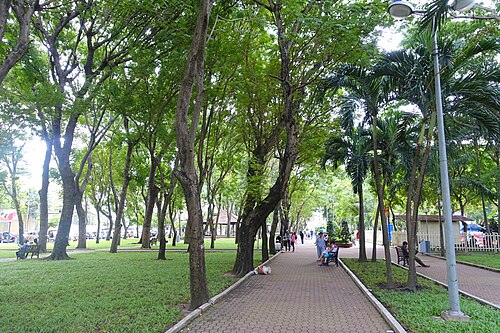
Tao Dan Park is a public green space in Ho Chi Minh City, Vietnam. The park occupies a notable parcel of land in the dense urban fabric of Vietnam's largest city.
Son Tay Ancient Citadel, known locally as Thành cổ Sơn Tây, is a historical military fortress located in the former Son Tay district west of central Hanoi.
St Joseph's Cathedral is a Roman Catholic cathedral in Hanoi's Old Quarter. Constructed in the late nineteenth century during the French colonial period, it serves as the seat of the Roman Catholic Archdiocese of Hanoi.
Tran Quoc Pagoda, known locally as Chùa Trấn Quốc, is a Buddhist temple situated on a small island near the southeastern shore of West Lake in Hanoi, Vietnam.
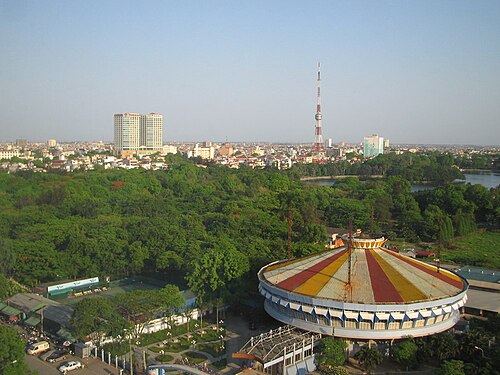
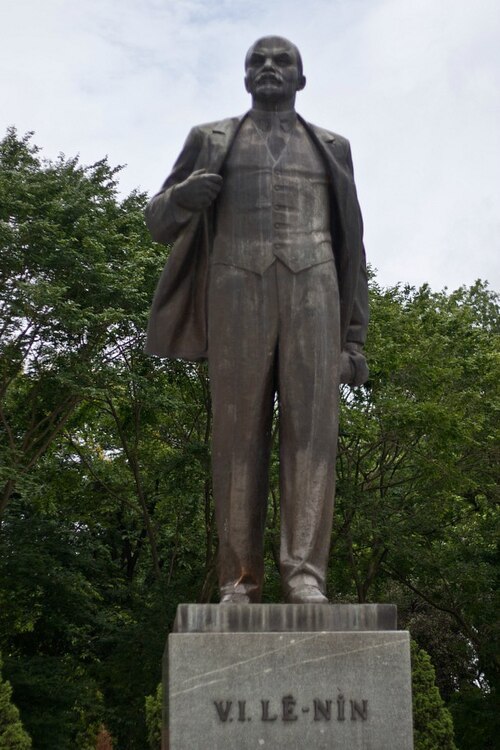
Lenin Park, locally known as Công viên Lê Nin, is a public green space in Hanoi named after the Russian revolutionary leader Vladimir Lenin.
Le Van Tam Park is a public green space in Ho Chi Minh City, Vietnam. Named after a historical Vietnamese figure, it serves as one of the city's urban parks within the dense metropolitan fabric.
Mong Bridge is a historic bridge structure in Ho Chi Minh City, Vietnam. It spans across a waterway in the urban fabric of the city, representing part of the colonial-era infrastructure that remains within the modern metropolis.
The Perfume Pagoda, known locally as Chùa Hương, is a vast complex of Buddhist temples and shrines built into the limestone Huong Tich mountains southwest of Hanoi.
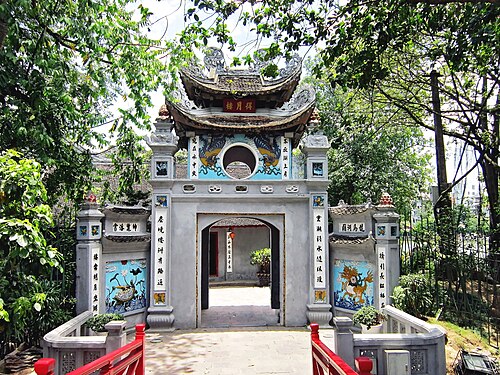
Ngoc Son Temple, locally Đền Ngọc Sơn, stands on Jade Island in Hoan Kiem Lake, central Hanoi. The temple honors national heroes including Tran Hung Dao, scholar Van Xuong, and La To, patron of physicians.
Ben Thanh Market, known locally as Chợ Bến Thành, stands as one of Ho Chi Minh City's most recognised commercial landmarks. The market occupies a central position in District 1, with its distinctive clock tower visible from surrounding streets.
Cua Bac Church, known locally as Nhà thờ Cửa Bắc, stands as a Catholic church in Hanoi, Vietnam. The structure reflects colonial-era religious architecture and serves as a functioning place of worship.
Source: OpenStreetMap contributors, Wikidata ·
A north-to-south first trip needs about two weeks; with ten days, choose two regions such as Hanoi and the centre or Da Nang and Ho Chi Minh City. Overnight trains and domestic flights shorten distance but still consume transfer time.
Apply through Vietnam’s official electronic-visa portal if the passport and trip qualify. Confirm the approved entry point, validity dates and permitted stay before finalising the route, because an authorisation tied to one crossing should not be assumed valid for another.
Hanoi, Ho Chi Minh City and Da Nang are the key gateways for common itineraries. Domestic flights, the north-south railway and coaches connect regions; local systems vary, so use licensed taxis or recognised booking channels and verify the correct station or terminal.
Vietnam’s north, central coast and south have different wet and dry periods. Choose travel dates around the most weather-sensitive region: central beach conditions, northern mountain visibility and southern rainfall cannot be summarised by one nationwide “best month.”
The Vietnamese đồng is the recorded currency, and the high denomination numbers deserve a deliberate check before payment. Cash remains useful for small vendors and local transport; use reputable ATMs or banks and verify each zero on quoted VND prices.
Police, fire and ambulance are recorded as 113, 114 and 115; common power is Type A and C at 220 V. Tap-water advice is Not recorded here, so ask locally and keep transport-provider details available for long rail or coach journeys.