
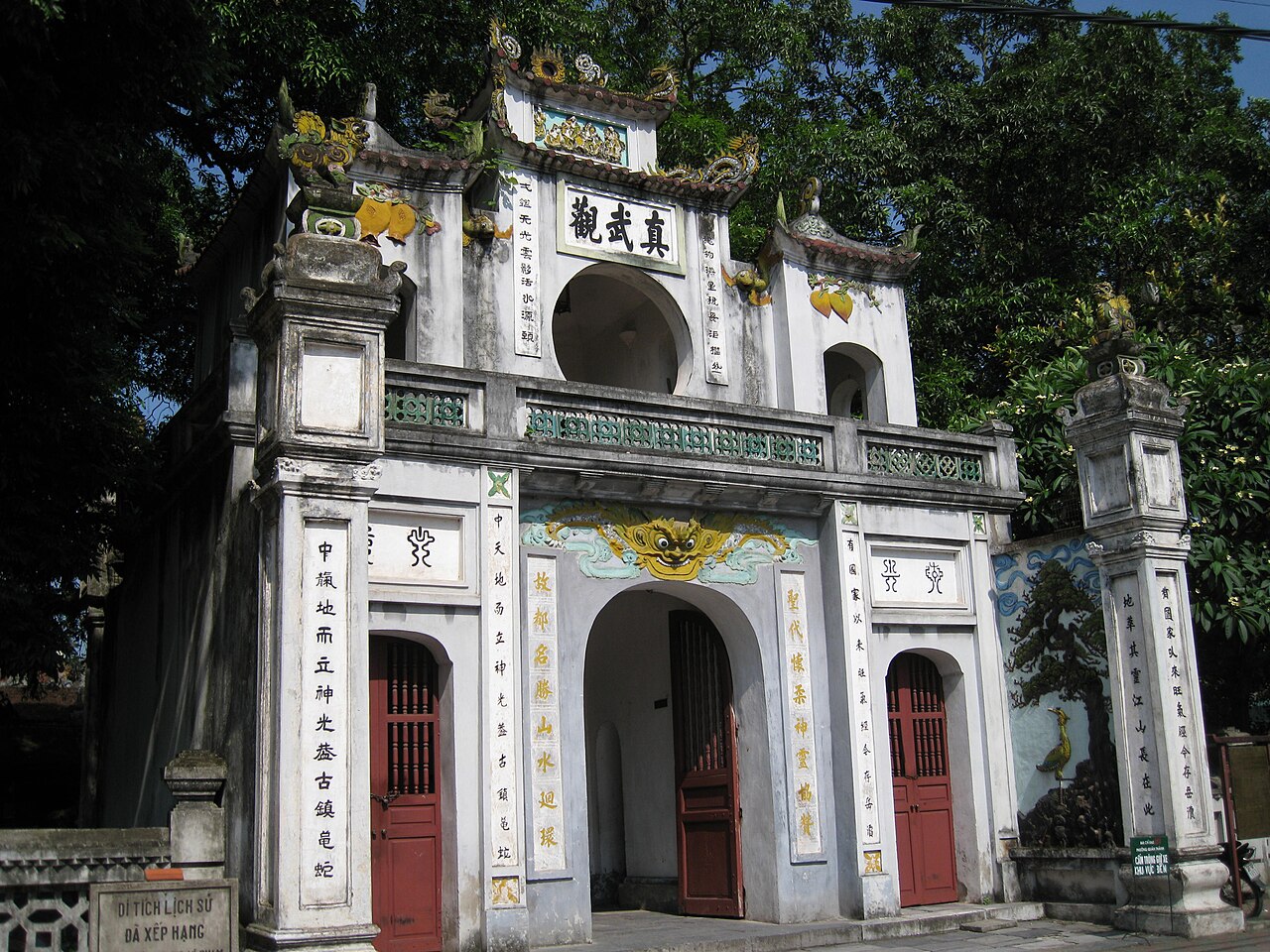
6 min walk
Quán Thánh Temple
- Must see
- Place of worship
Language · 11 published
Place of worship · Hanoi
Nhà thờ Cửa Bắc
| Monday | 08:00 – 18:00 |
|---|---|
| Tuesday | 08:00 – 18:00 |
| Wednesday | 08:00 – 18:00 |
| Thursday | 08:00 – 18:00 |
| Friday | 08:00 – 18:00 |
| Saturday | 08:00 – 18:00 |
| Sunday | 08:00 – 18:00 |
Checked 2026-08-31 · Source
Read from the OpenStreetMap access tags; anything not listed has no tag recorded.
Set the group type to family in the planner and the day window contracts to about three quarters of a solo day.
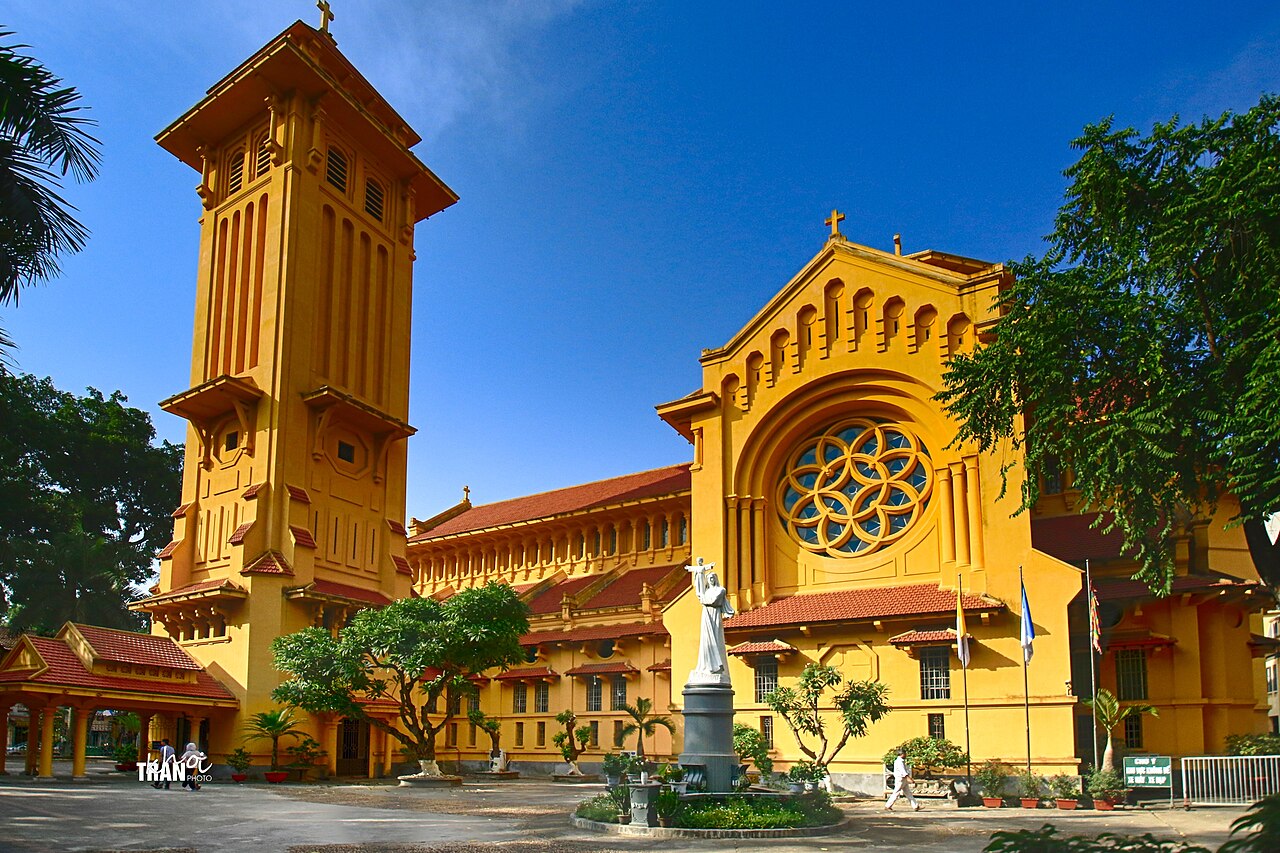
Cua Bac Church, known locally as Nhà thờ Cửa Bắc, stands as a Catholic church in Hanoi, Vietnam. The structure reflects colonial-era religious architecture and serves as a functioning place of worship. Its name translates to Northern Gate Church, referencing its position near the former northern gate of the Thang Long citadel. The building contributes to Hanoi's layered urban fabric, where French-influenced structures coexist with indigenous Vietnamese elements. Visitors encounter a site that holds both religious significance for parishioners and historical interest for those studying the city's architectural development.
Checked 2026-08-31 · Source
The interior contains elements typical of Catholic church design, including an altar, pews, and religious iconography. Stained glass windows may illuminate the nave with colored light. The architectural details reflect the period of construction, with proportions and materials consistent with churches built during the colonial era in Vietnam. Visitors should observe that active worship spaces maintain their sacred character; furnishings serve liturgical purposes rather than decorative display. The atmosphere during services differs markedly from quiet periods. Photography policies inside religious buildings typically require discretion and respect for congregants engaged in prayer or ceremony.
Checked 2026-08-31 · Source
A brief exterior examination requires approximately fifteen to twenty minutes. Visitors wishing to appreciate architectural details or observe the surrounding neighborhood may extend their stay to thirty or forty minutes. Those attending Mass or other services should allocate time accordingly, typically sixty to ninety minutes for a full liturgy. The duration depends on individual interest in religious architecture, photographic documentation, and the desire to understand the church's context within the Old Quarter area. Combining this visit with nearby attractions optimizes a walking itinerary through this historically significant district of Hanoi.
Checked 2026-08-31 · Source
Daily 08:00–18:00. No regular weekly closure day is listed. The church remains an active parish; weekday Mass is at 19:00, with additional Saturday and Sunday services. Visitors should verify current opening times through direct contact with church authorities or official tourism channels before planning their visit. The church functions as an active place of worship, meaning accessibility varies between scheduled services and non-service periods. Early morning and evening hours typically correspond to Mass times, when the building serves congregants rather than tourists. Weekday visits may offer quieter conditions for architectural observation. Seasonal weather patterns in Hanoi, including hot humid summers and cool damp winters, influence comfortable visiting conditions for extended outdoor examination of the exterior.
Checked 2026-08-31 · Source
Free general admission. Voluntary donations may support church maintenance and community programs. Any organized tour incorporating this site would involve separate guide fees rather than church admission. Budget-conscious travelers benefit from the accessibility of religious heritage sites that remain free of charge for respectful visitors.
Checked 2026-08-31 · Source
The church is at 56 Phan Đình Phùng, at the corner of Nguyễn Biểu. Hanoi's official bus information lists the 19 Nguyễn Biểu stop on this approach; route 50 serves Nguyễn Biểu. Cua Bac Church occupies a location in Hanoi accessible by multiple transportation modes. Walking from the Old Quarter or Hoan Kiem Lake area requires approximately twenty to thirty minutes, depending on pace and route familiarity. Cyclo, motorbike taxi, or ride-hailing services offer alternatives for those preferring not to walk. The address places it within the urban core where street navigation presents typical Hanoi challenges including motorbike traffic and narrow passages. Visitors already exploring the northern sector of the historic district find it conveniently situated. Public bus routes serve the broader area, though specific stop proximity requires local verification.
Checked 2026-08-31 · Source
Published exterior photographs show steps at the main church entrance. Neither the parish nor the Archdiocese publishes a step-free entrance route or accessible-toilet provision. Active worship demands behavioral restraint; loud conversation, inappropriate dress, or disruptive photography disrespects the sacred environment. Visitors should cover shoulders and knees as customary in Vietnamese religious sites. Street traffic surrounding the church requires vigilance when entering or exiting. Scams targeting tourists occur throughout Hanoi; maintain awareness of belongings and decline unsolicited services. The building's age suggests uneven surfaces or worn steps that present trip hazards. Weather conditions including sudden rain affect both comfort and footing. Religious holidays may restrict access or alter schedules without advance public notice. Respectful observation of local customs takes precedence over tourist convenience.
Checked 2026-08-31 · Source
Exterior photography from public thoroughfares generally encounters no restrictions. The facade and architectural details offer composition opportunities, particularly during morning or late afternoon light conditions. Interior photography requires explicit permission or careful observation of posted guidelines and ongoing activities. Flash photography disturbs worshippers and potentially damages sensitive materials. Tripods and professional equipment may attract scrutiny as markers of commercial intent. Visitors should prioritize discretion over documentation, ceasing immediately if requested by church personnel or if congregants appear in identifiable frames. The ethical approach treats the space as a living religious community rather than an architectural specimen for unrestricted image capture.
Checked 2026-08-31 · Source
The Hanoi public tourism portal lists daily opening from 08:00 to 18:00, with no regular weekly closure day.
The Archdiocese lists weekday Mass at 19:00; Saturday Masses at 06:30 and 19:00; and Sunday Masses at 06:30, 08:30, 10:30 and 19:00.
Yes. The Sunday Mass at 10:30 is celebrated in English.
The official address is 56 Phan Đình Phùng, Ba Đình, Hanoi, on the corner with Nguyễn Biểu.
The church is dedicated as Our Lady of Hanoi. It was consecrated on 4 November 2014, and its patronal feast is observed on 2 July.
French architect Ernest Hébrard designed the asymmetrical church, distinguished by its offset bell tower, central dome and Vietnamese-influenced tiled roofs; construction took place from 1925 to 1930.
Loading the interactive map…
The interactive map could not be loaded.

Last updated:
Source: OpenStreetMap contributors, Wikidata ·