
3 min walk
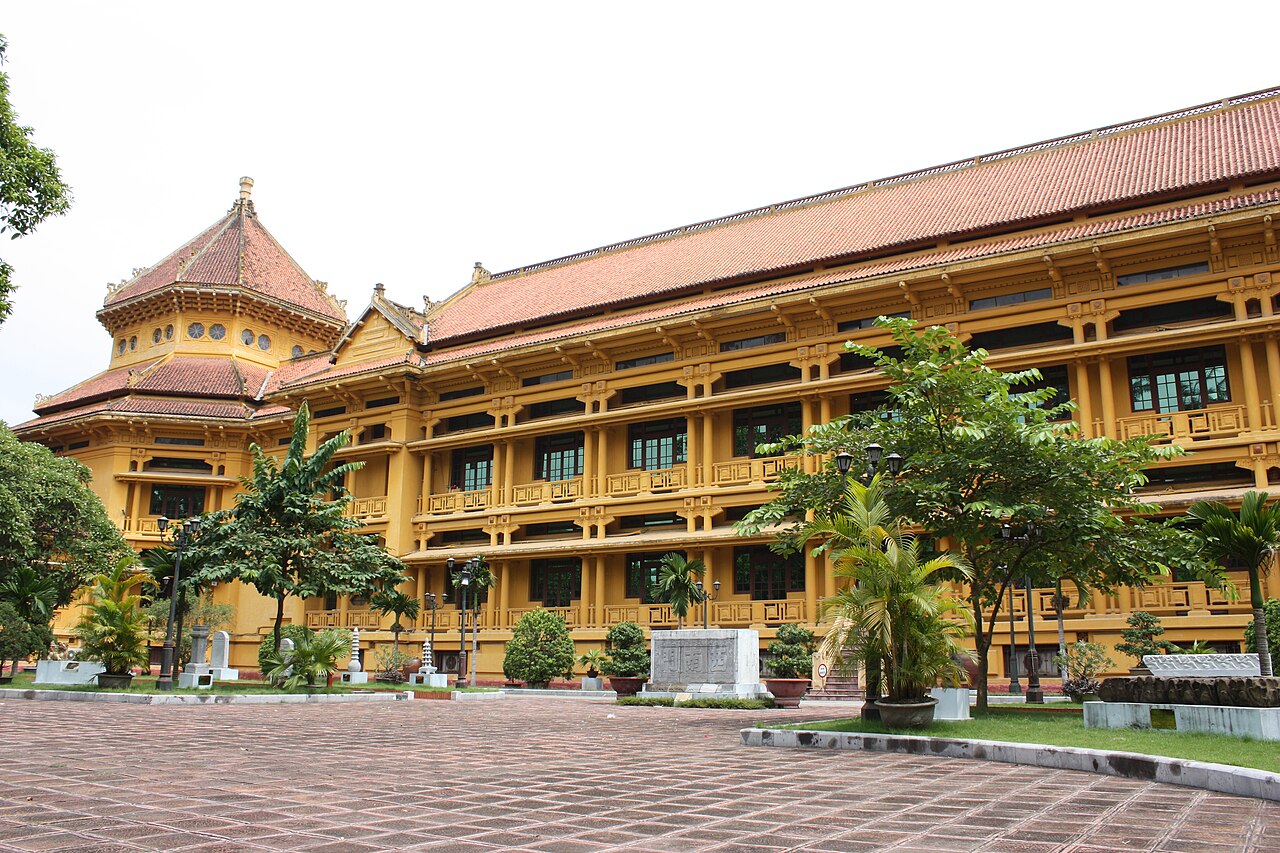
National Museum of Vietnamese History
- Must see
- Museum
Language · 11 published
Art and culture venue · Hanoi
Nhà hát Lớn
Closed today, Friday. The next opening is not recorded — the planner will not place a stop here on a Friday.
Plan around it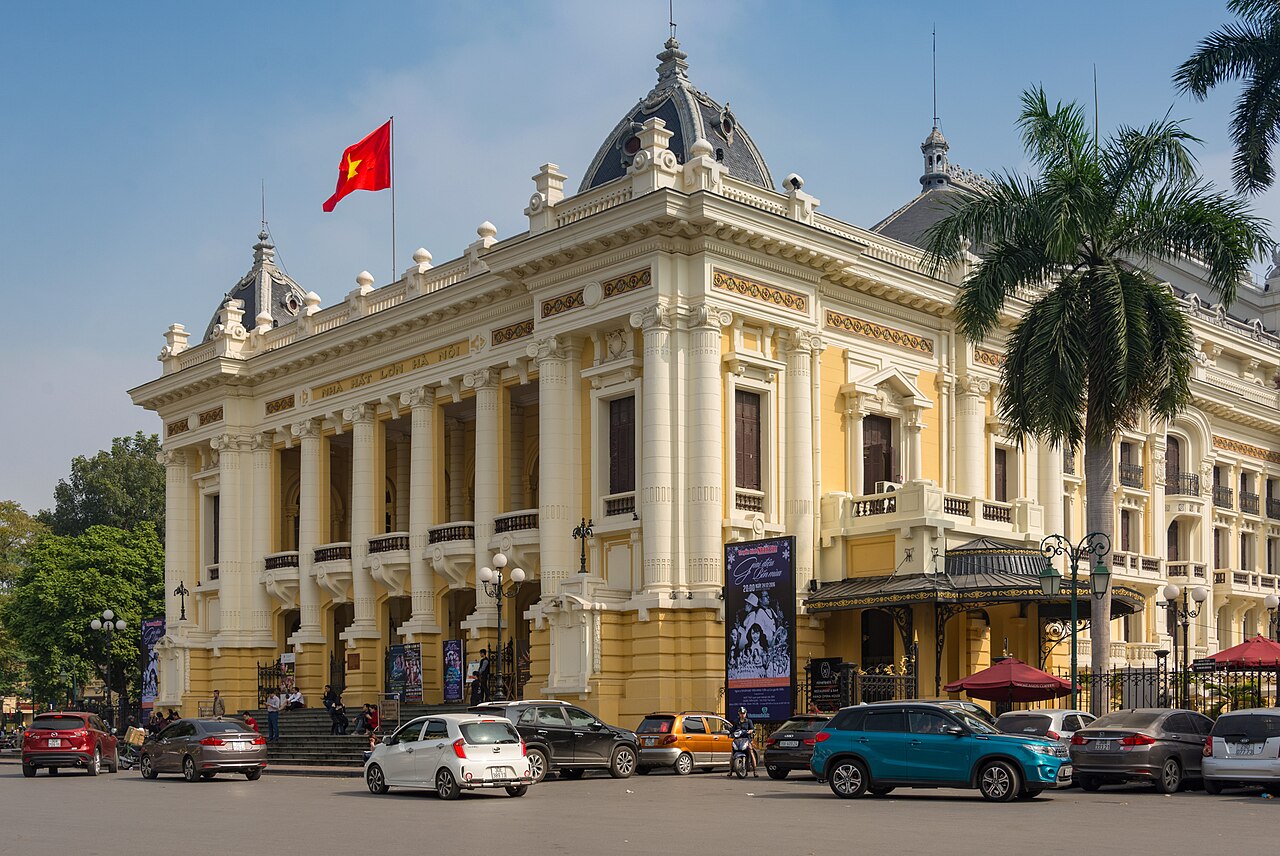
| Monday | Closed |
|---|---|
| Tuesday | Closed |
| Wednesday | Closed |
| Thursday | Closed |
| Friday | Closed |
| Saturday | Closed |
| Sunday | Closed |
Checked 2026-08-31 · Source
Read from the OpenStreetMap access tags; anything not listed has no tag recorded.
Set the group type to family in the planner and the day window contracts to about three quarters of a solo day.
The Hanoi Opera House is a performing arts venue in central Hanoi, constructed during the French colonial period. The building exemplifies French neoclassical architecture with Italianate influences, featuring a grand facade, columns, and ornate interior details. It stands as one of the most prominent cultural landmarks in Vietnam's capital city. The opera house continues to host performances including opera, ballet, classical music, and Vietnamese traditional theatre. Its historical significance extends beyond architecture to its role in Vietnam's cultural and political history, including notable events during the revolutionary period.
Checked 2026-08-31 · Source
The interior contains a main auditorium with multiple tiers of seating, including stalls and balconies. Decorative elements include chandeliers, gilded details, and painted ceilings reflecting European theatrical design traditions. The stage facilities support opera, ballet, and orchestral performances. Backstage areas accommodate performers and technical equipment. Public spaces include a grand foyer and reception areas. The building's design prioritises acoustic quality for classical performance.
Checked 2026-08-31 · Source
Visitor time commitment varies substantially depending on purpose. Attending a scheduled performance typically requires two to four hours including arrival and departure. Those wishing to view only the exterior architecture may allocate fifteen to thirty minutes for observation and photography from the surrounding streets. Guided tours, if available, would require additional time. Visitors should verify whether interior access is possible without performance tickets. The building's location near other central Hanoi attractions allows integration into broader walking itineraries of the French Quarter area.
Checked 2026-08-31 · Source
Closed daily during a two-year major restoration. The auditorium is closed to visits and performances. Exterior viewing remains possible from August Revolution Square. Performance schedules determine primary access opportunities, with evening events most common for theatrical programming. Daytime exterior viewing is possible regardless of performance schedule. Weather considerations for Hanoi include hot humid summers, cool winters, and a distinct rainy season from May to September. The dry season months of October to April generally offer more comfortable conditions for extended outdoor observation and walking in the surrounding district. Visitors should consult current performance calendars for specific event dates.
Checked 2026-08-31 · Source
Interior admission is unavailable and no tickets are sold during the restoration. Viewing the exterior from the public square is free. Performance tickets, when available, vary by seating tier, production type, and performer status. International touring productions typically command higher prices than local repertoire. Some cultural events may receive government subsidy reducing public cost. Exterior viewing requires no ticket. Potential guided tours, if offered, would represent a separate fee structure.
Checked 2026-08-31 · Source
The address is 1 Tràng Tiền, Cửa Nam ward, beside August Revolution Square. Hanoi bus route 86 names its nearby stop “Nhà Hát Lớn Hà Nội (Vườn hoa 19/8),” providing a direct arrival option from Nội Bài Airport; the Hanoi City Tour also uses Hanoi Opera House as its weekend terminus. The opera house occupies a central location in Hanoi's Hoan Kiem district, near the intersection of Trang Tien and August Revolution Square. Multiple transport options serve this established city centre. Walking access is feasible from surrounding French Quarter accommodations and attractions. Motorised transport including taxis and ride-hailing services operate extensively in this district. Cyclo and electric bus services connect to broader city networks. Traffic congestion is characteristic of central Hanoi during peak periods. Visitors should allow additional transit time and verify current route information from local sources.
Checked 2026-08-31 · Source
Only exterior viewing is available during the restoration; the auditorium and internal visitor areas are closed. The documented main approach has a broad flight of steps leading to the entrance. The surrounding square provides a street-level exterior view, but no step-free interior visitor route is operating during the closure. Street traffic around the opera house intersection requires pedestrian vigilance. Motorbike density is high and traffic patterns may not conform to visitor expectations. Bag and personal item security warrants attention in busy central areas. Performance attendance requires appropriate dress standards; specific requirements are not confirmed. Language barriers may affect ticket purchasing and information gathering. Counterfeit tickets represent a risk when purchasing from unofficial vendors. Air quality in Hanoi occasionally reaches unhealthy levels, potentially affecting outdoor comfort. Visitors with respiratory sensitivities should monitor conditions.
Checked 2026-08-31 · Source
The exterior facade offers photographic subjects from multiple street angles, with frontal views from August Revolution Square and angled perspectives along Trang Tien. Night illumination enhances architectural detail visibility. Tripod use in public spaces may attract security attention. The building's light colouring and symmetrical design suit various lighting conditions. Morning and late afternoon provide favourable natural light for exterior work. Surrounding traffic and pedestrian flow present compositional challenges and safety considerations for equipment.
Checked 2026-08-31 · Source
The building is undergoing a major restoration planned to last two years.
No. The auditorium and interior visitor spaces are closed; only the exterior can be viewed from August Revolution Square.
It stands at 1 Tràng Tiền, Cửa Nam ward, Hanoi, facing August Revolution Square.
Its management board is a public cultural unit under Vietnam’s Ministry of Culture, Sports and Tourism.
Construction began in 1901 and the theatre entered service in 1911; French architects Harlay and Broyer designed it with inspiration from Paris’s Palais Garnier.
Hanoi Opera House and August Revolution Square were designated a national historical and architectural monument in 2011.
Loading the interactive map…
The interactive map could not be loaded.

Last updated:
Source: OpenStreetMap contributors, Wikidata ·