
26 min walk
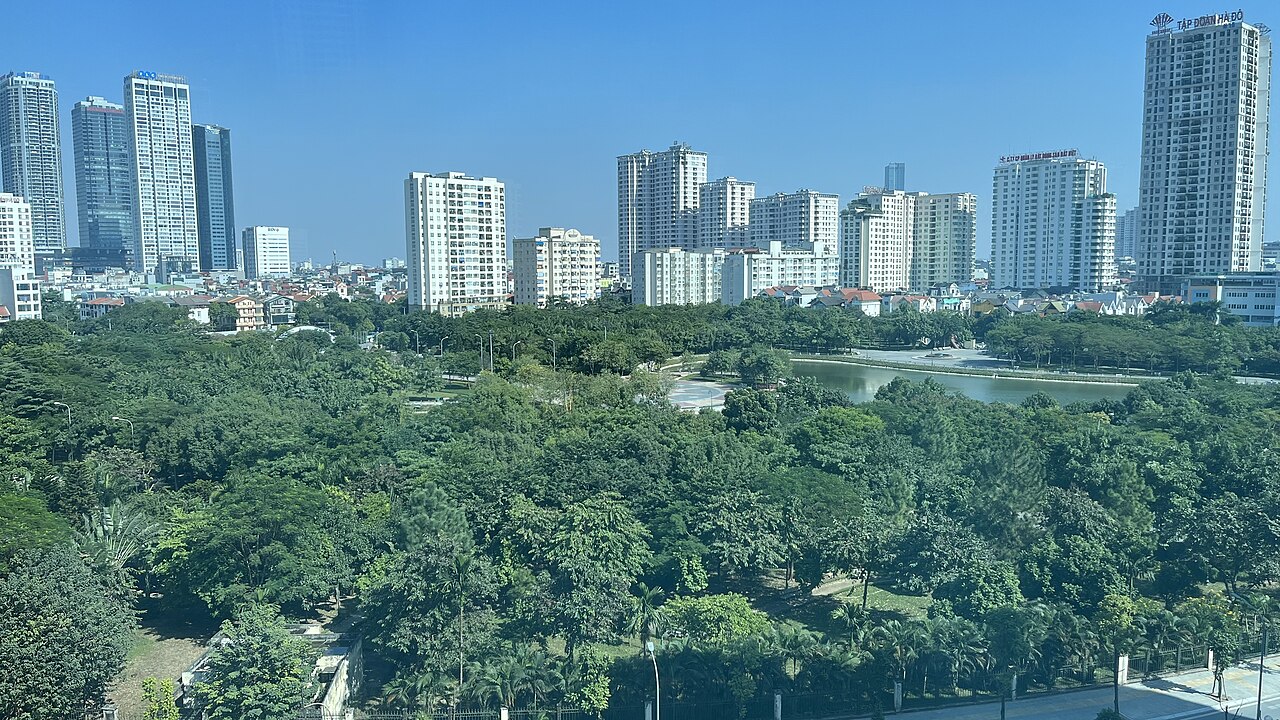
Cau Giay Park
- Must see
- Nature site
Language · 11 published
Museum · Hanoi
Bảo tàng Hà Nội
| Monday | Closed |
|---|---|
| Tuesday | 09:00 – 17:00 |
| Wednesday | 09:00 – 17:00 |
| Thursday | 09:00 – 17:00 |
| Friday | 09:00 – 17:00 |
| Saturday | 09:00 – 17:00 |
| Sunday | 09:00 – 17:00 |
Checked 2026-08-31 · Source
Read from the OpenStreetMap access tags; anything not listed has no tag recorded.
Set the group type to family in the planner and the day window contracts to about three quarters of a solo day.
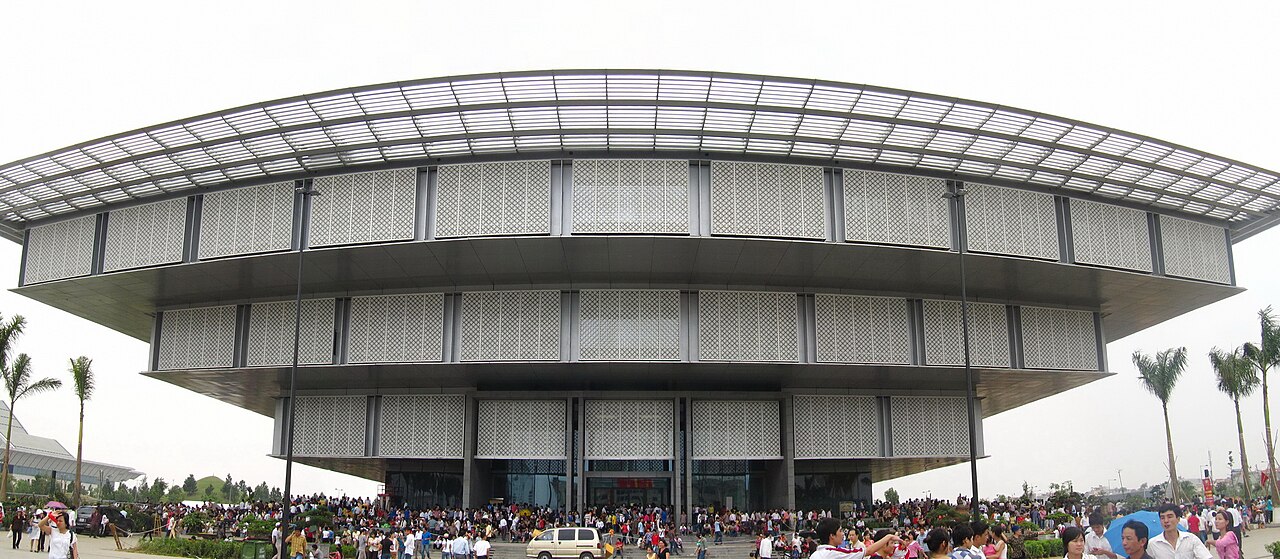
Hanoi Museum is a municipal museum dedicated to the history and culture of Vietnam's capital city. The building features a distinctive inverted pyramid architectural design that sets it apart from other cultural institutions in the region. As a city-level museum, it focuses specifically on Hanoi's development rather than national narratives. The structure itself has become a recognizable landmark due to its unusual form. Visitors interested in urban history and contemporary Vietnamese museum design may find this institution noteworthy. The museum represents an attempt to present local heritage through modern architectural expression.
Checked 2026-08-31 · Source
The museum's collections trace Hanoi's evolution from ancient settlement to modern metropolis. Exhibits typically cover archaeological findings, revolutionary history, and the city's transformation through various political periods. The inverted pyramid structure creates distinctive gallery spaces across multiple floors. Display areas may include ethnographic materials, historical documents, and cultural artifacts specific to the Hanoi region. The architectural interior, with its expanding upper floors, offers unusual perspectives on exhibition design. Visitors should verify present offerings before planning dedicated visits.
Checked 2026-08-31 · Source
A thorough visit to Hanoi Museum typically requires between ninety minutes and two hours for visitors engaging with main exhibitions. The compact nature of the inverted pyramid structure means circulation patterns differ from conventional museums. Those with strong interest in local history or architectural photography may extend their stay. Casual visitors often complete a meaningful tour within sixty to ninety minutes. The building's design encourages a natural flow through chronological or thematic displays. Budget additional time for exterior photography of the distinctive silhouette. Individual pacing varies considerably based on reading depth and photographic interest.
Checked 2026-08-31 · Source
Tuesday–Sunday 09:00–17:00; closed Monday. The permanent exhibition has been open to the public since 3 February 2026. Visitors should independently verify current opening schedules before travel planning. Weather considerations for Hanoi include hot humid summers and cool damp winters. The museum's indoor environment provides climate respite during extreme seasonal conditions. Morning visits may offer quieter conditions for contemplative examination of exhibits. Advance confirmation of operational status remains essential for all prospective visitors.
Checked 2026-08-31 · Source
General admission is 50,000 VND per person. Visitors aged under 16 and people with severe disabilities enter free. Students aged over 16, visitors aged over 60, and eligible visitors with disabilities receive a 50% discount. Admission is free for everyone on International Museum Day, 18 May, and Vietnam Cultural Heritage Day, 23 November. Municipal museums in Vietnam typically operate with modest entry fees by international standards, though specific pricing for this institution remains unverified. Some Vietnamese museums implement differential pricing for foreign visitors. Budget-conscious travelers should prepare for variable scenarios until authoritative pricing information can be obtained directly from museum administration.
Checked 2026-08-31 · Source
The museum is on Phạm Hùng in Từ Liêm. Hanoi’s official TimBus journey planner lists a stop named “Bảo tàng Hà Nội.” For intercity arrivals, Mỹ Đình Bus Station is at No. 20 Phạm Hùng Street; the museum’s operator lists the museum farther along Phạm Hùng beside the National Convention Center. Hanoi Museum occupies a location in the Cau Giay district, somewhat removed from the dense historic core of central Hanoi. The distance from Old Quarter accommodations necessitates deliberate transportation planning. Motor taxi and ride-hailing services represent common visitor approaches. Cycling remains viable for experienced Hanoi traffic navigators. The museum's distinctive architecture assists driver recognition. Return transportation should be arranged proactively given the less central position. Visitors staying in western districts may find access more convenient than those in traditional tourist zones.
Checked 2026-08-31 · Source
An elevator provides access between the museum’s visitor floors. The museum describes its continuous spiral route from the first to fourth floor as suitable for older visitors, disabled visitors, and children. The published visitor information does not specify an accessible toilet, wheelchair loan, or a designated step-free entrance. The inverted pyramid design, while architecturally striking, may present navigation challenges for mobility-impaired visitors due to expanding upper floors and potentially unconventional vertical circulation. Exhibition labeling may prioritize Vietnamese language with variable English supplementation. The district location means fewer immediate tourist support services than central Hanoi concentrations. Visitors should carry personal water supplies and confirm accessibility provisions directly. Security protocols typical of Vietnamese public institutions should be anticipated including bag examination possibilities.
Checked 2026-08-31 · Source
The museum's exterior inverted pyramid form offers compelling architectural photography opportunities from multiple angles. The expanding silhouette creates dramatic perspectives against sky backgrounds. Natural light penetration through the unconventional structure may create variable conditions for exhibit documentation. The surrounding plaza and approach paths permit contextual environmental shots. Drone operation would require Vietnamese regulatory compliance and institutional permission. Respect for other visitors and exhibit protection should guide all photographic behavior regardless of technical permissions.
Checked 2026-08-31 · Source
The museum was established in 1982. Its present Phạm Hùng building was inaugurated on 6 October 2010 for the 1,000th anniversary of Thăng Long–Hanoi.
The building has four above-ground floors and two basement levels on a site of more than 54,000 square metres.
The permanent exhibition presents more than 7,000 documents and objects, including six national treasures or national-treasure groups, arranged into seven themes and 35 subthemes.
The completed permanent and special-exhibition system officially opened to the public on 3 February 2026.
Hanoi Museum holds more than 70,000 documents and objects in a range of materials.
On-site guides are available in Vietnamese, English, and Chinese; the published group-guiding fee is 150,000 VND for a group of 30–50 visitors.
Loading the interactive map…
The interactive map could not be loaded.
Last updated:
Source: OpenStreetMap contributors, Wikidata ·