Son Tra Peninsula
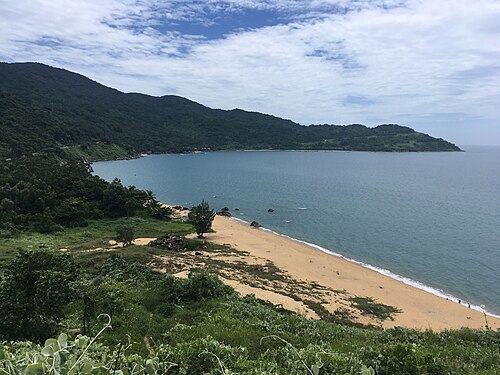
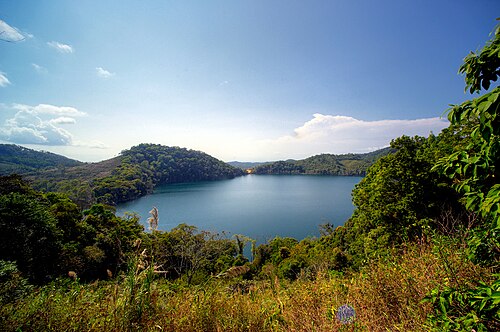
Son Tra Peninsula is Da Nang's forested headland projecting into the East Sea about ten kilometres northeast of the city centre.
- Must see
- Nature site
- Da Nang
Language · 11 published
Country guide
Vietnam covers 331,344.82 km² and its 2025 population estimate is 102,300,000, held mostly in two river deltas at opposite ends of a long, narrow country: the Red River in the north around Hanoi, the Mekong in the south below Ho Chi Minh City. Hanoi is the capital and Ho Chi Minh City the largest city, and the ground between the two is the trip — a coast measured in days rather than hours, usually broken into three or four stops instead of run in one go. Which end a traveller starts from decides the order of everything after it.
Every city catalogued in this country so far, ranked by how much there is to see.
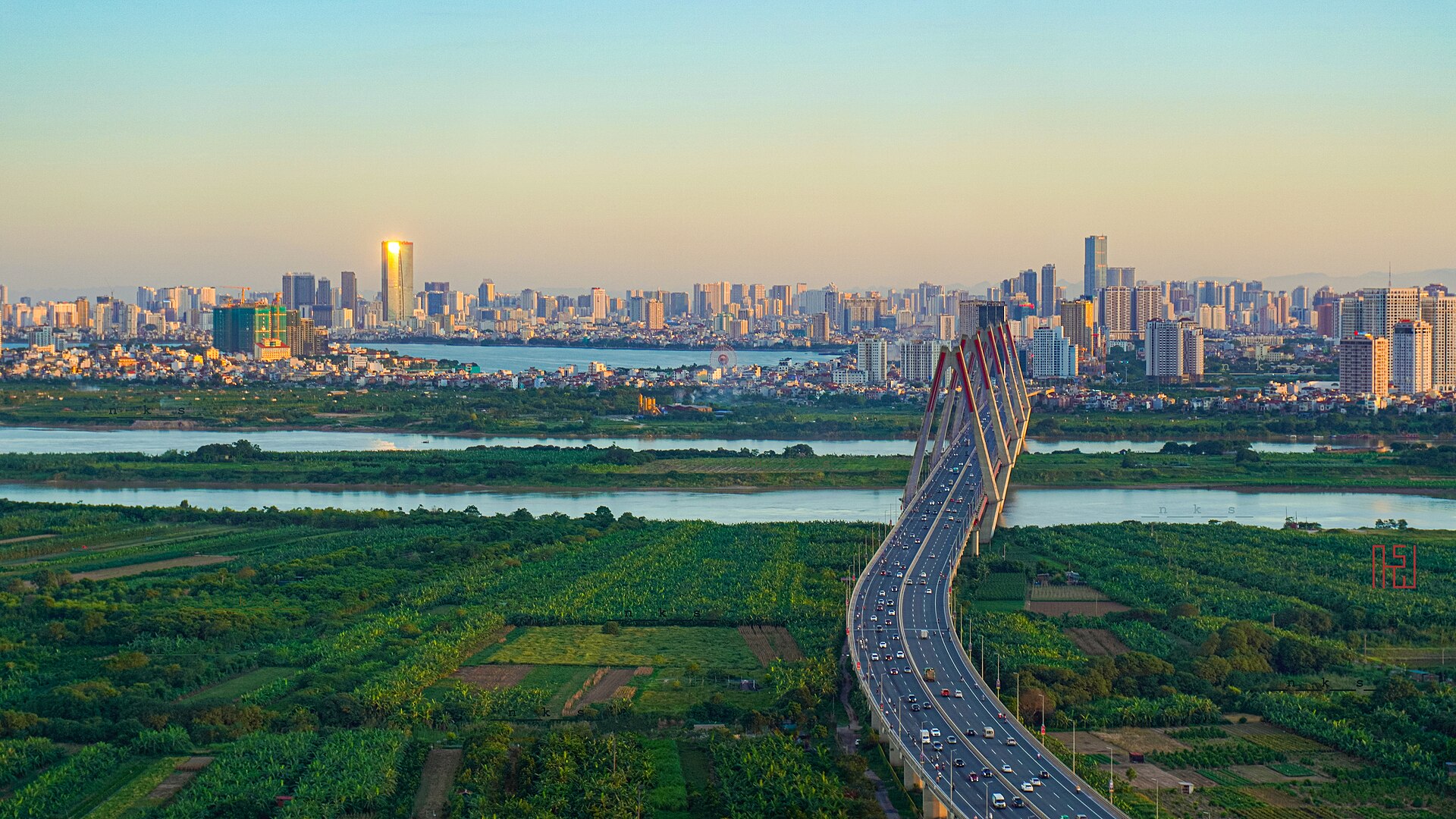
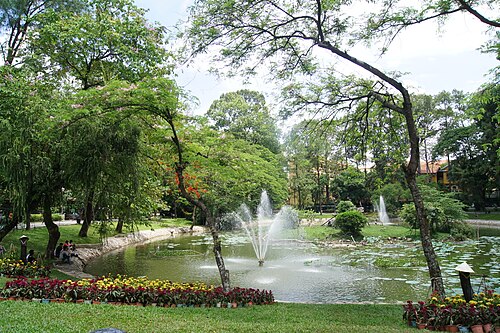
Photograph · Clay Gilliland · CC BY-SA 2.0
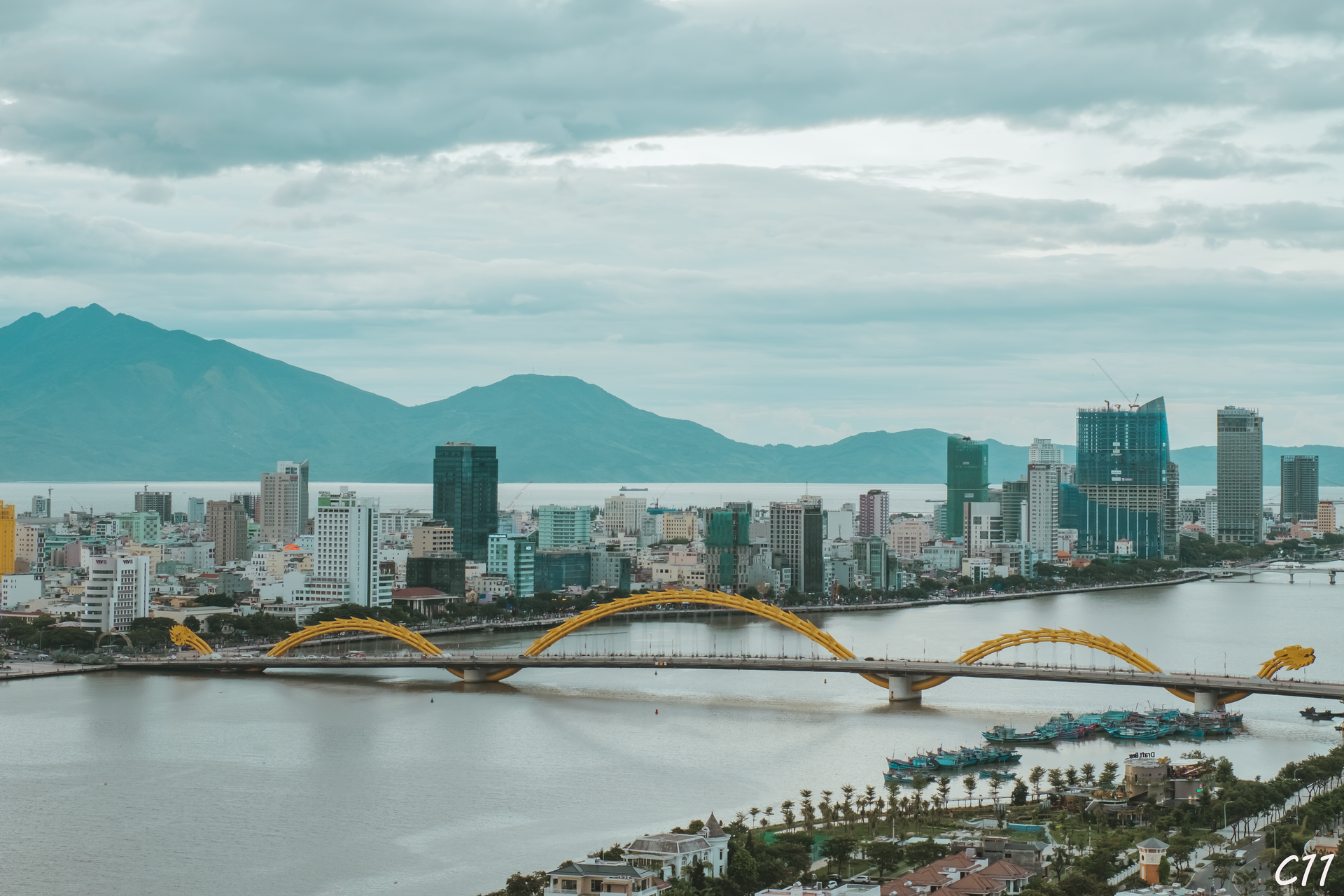
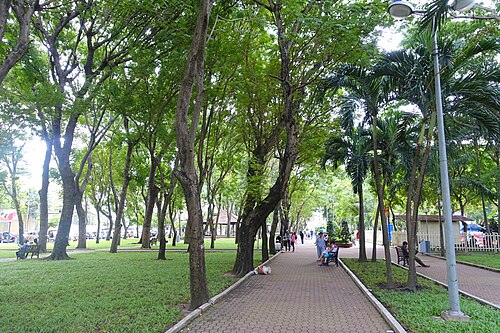
Photograph · NKSTTSSHNVN · CC BY-SA 4.0
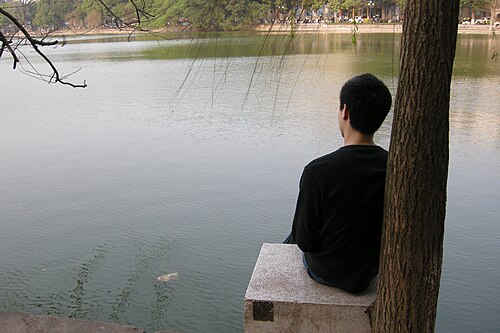
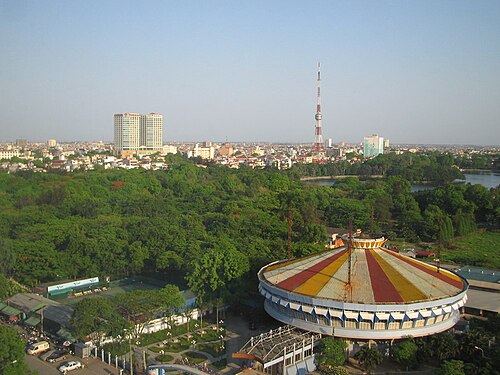
Photograph · Cuong Tran · Public domain
Ranked by importance — sitelinks, pageviews and heritage status, not editor preference.
100 places match
Category
Typical visit duration
Son Tra Peninsula is Da Nang's forested headland projecting into the East Sea about ten kilometres northeast of the city centre.
Hồ Hoàn Kiếm
Hoan Kiem Lake, locally Hồ Hoàn Kiếm, sits at Hanoi's historic core. The name translates to Lake of the Returned Sword, referencing a legend about Emperor Le Loi receiving a divine blade from a turtle deity.
Thảo Cầm Viên Sài Gòn
Saigon Zoo and Botanical Gardens is a historic green space in Ho Chi Minh City, combining zoological exhibits with botanical collections. Established during the French colonial period, it represents one of the oldest continuously operating zoos in the region.
Vườn quốc gia Côn Đảo
Hồ Tây
West Lake, known locally as Hồ Tây, is the largest freshwater lake in Hanoi, Vietnam's capital. This expansive urban water body occupies a significant portion of the city's northwestern district and has historically shaped settlement patterns around its perimeter.
Công viên 23 tháng 9
September 23 Park is a public green space in Ho Chi Minh City, Vietnam. The park occupies a central location in District 1, near the backpacker area of Pham Ngu Lao.
Công viên Thống Nhất
Thong Nhat Park, known locally as Công viên Thống Nhất, stands as one of Hanoi's significant urban green spaces.
Nong Fa
Hồ Trúc Bạch
Truc Bach Lake is a freshwater lake situated in the Ba Dinh district of Hanoi, Vietnam. It lies immediately northwest of the larger and more celebrated West Lake, separated by Thanh Nien Road.
Bãi biển Mỹ Khê
My Khe Beach, known locally as Bãi biển Mỹ Khê, is a prominent coastal stretch in Da Nang, Vietnam. It extends along the eastern edge of the city, facing the South China Sea.
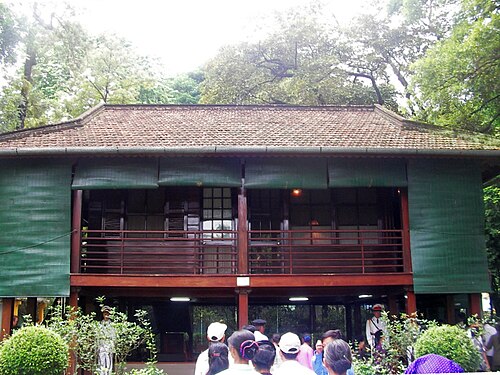
Khu Di tích Phủ Chủ tịch
The Presidential Palace Historical Site is a significant heritage complex in Hanoi, serving as the official residence and workplace of the President of Vietnam. The site encompasses French colonial architecture alongside Vietnamese elements, reflecting the nation's layered political history.
Công viên Bến Bạch Đằng
Vườn bách thảo Hà Nội
Công viên Tao Đàn
Tao Dan Park is a public green space in Ho Chi Minh City, Vietnam. The park occupies a notable parcel of land in the dense urban fabric of Vietnam's largest city.
Hồ Thiền Quang
Công viên 30/4
Hồ Bảy Mẫu
Công viên Chi Lăng
Hồ Hữu Tiệp
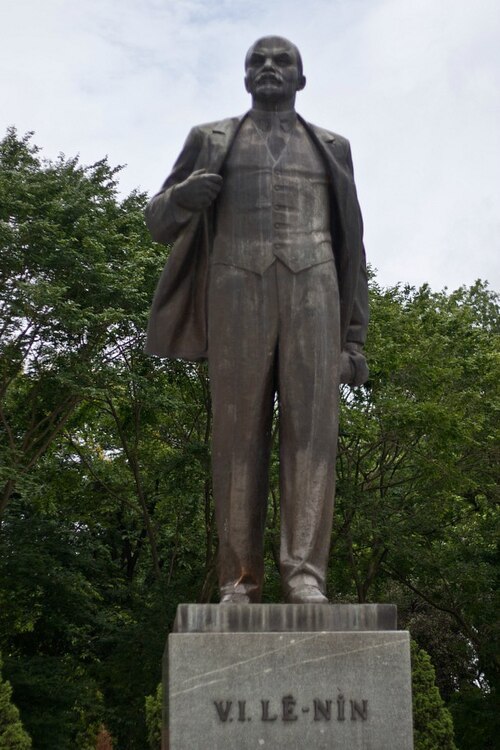
Công viên Lê-nin
Lenin Park, locally known as Công viên Lê Nin, is a public green space in Hanoi named after the Russian revolutionary leader Vladimir Lenin.
Công viên Lê Văn Tám
Le Van Tam Park is a public green space in Ho Chi Minh City, Vietnam. Named after a historical Vietnamese figure, it serves as one of the city's urban parks within the dense metropolitan fabric.
Công viên Bách Tùng Diệp
Công viên Hoàng Văn Thụ
Vườn hoa Lý Thái Tổ
Ly Thai To Park, locally known as Vườn hoa Lý Thái Tổ, is a public park in central Hanoi situated near Hoan Kiem Lake.
Công viên Hội An
Hồ Linh Đàm
Hồ Thủ Lệ
Thiên Quang tỉnh
Vườn 12 Con Giáp
Động Âm Phủ
Bãi An Hải
Hồ An Hải
Hồ Ánh Dương
Vườn Tượng An Hội
Suối A Pát
Khu khảo cổ học 18 Hoàng Diệu
Vườn Kiến trúc
Quảng trường ASEAN
Công viên Thiên văn học
Vườn hoa 19-8
Công viên Bến Bạch Đằng
Vườn quốc gia Bạch Mã
Source: OpenStreetMap contributors, Wikidata ·
A north-to-south first trip needs about two weeks; with ten days, choose two regions such as Hanoi and the centre or Da Nang and Ho Chi Minh City. Overnight trains and domestic flights shorten distance but still consume transfer time.
Apply through Vietnam’s official electronic-visa portal if the passport and trip qualify. Confirm the approved entry point, validity dates and permitted stay before finalising the route, because an authorisation tied to one crossing should not be assumed valid for another.
Hanoi, Ho Chi Minh City and Da Nang are the key gateways for common itineraries. Domestic flights, the north-south railway and coaches connect regions; local systems vary, so use licensed taxis or recognised booking channels and verify the correct station or terminal.
Vietnam’s north, central coast and south have different wet and dry periods. Choose travel dates around the most weather-sensitive region: central beach conditions, northern mountain visibility and southern rainfall cannot be summarised by one nationwide “best month.”
The Vietnamese đồng is the recorded currency, and the high denomination numbers deserve a deliberate check before payment. Cash remains useful for small vendors and local transport; use reputable ATMs or banks and verify each zero on quoted VND prices.
Police, fire and ambulance are recorded as 113, 114 and 115; common power is Type A and C at 220 V. Tap-water advice is Not recorded here, so ask locally and keep transport-provider details available for long rail or coach journeys.