Hoàn Kiếm Lake
Hoan Kiem Lake, locally Hồ Hoàn Kiếm, sits at Hanoi's historic core. The name translates to Lake of the Returned Sword, referencing a legend about Emperor Le Loi receiving a divine blade from a turtle deity.
- Must see
- Nature site
Language · 11 published
City guide · Vietnam
Hanoi’s main visitor core surrounds Hoan Kiem Lake and the Old Quarter, with the French Quarter immediately south and east. The Temple of Literature, Ba Dinh political and museum district, West Lake and outer craft villages form separate clusters. Walk the dense central streets, then use public transport or a verified ride service for longer links and regional excursions.
Set your days, your pace and the hours you actually want to be out. The planner works around closing days and travel time, and leaves room to eat.
Ranked by importance — sitelinks, pageviews and heritage status, not editor preference.
50 places match
Category
Typical visit duration
Hoan Kiem Lake, locally Hồ Hoàn Kiếm, sits at Hanoi's historic core. The name translates to Lake of the Returned Sword, referencing a legend about Emperor Le Loi receiving a divine blade from a turtle deity.
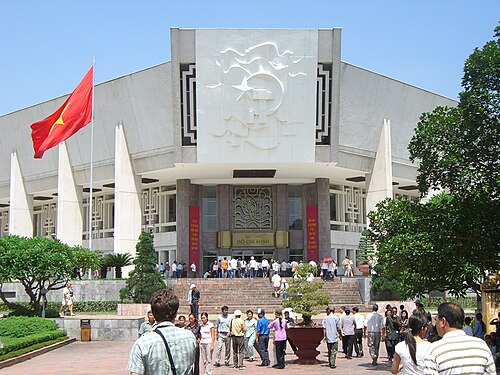
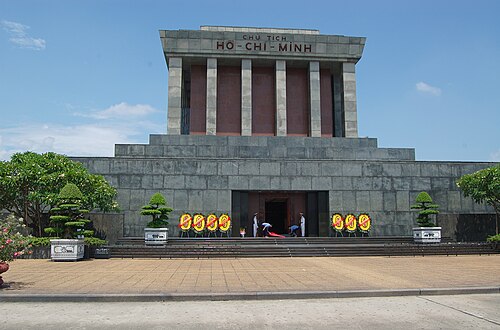
The Ho Chi Minh Mausoleum, known locally as Lăng Chủ tịch Hồ Chí Minh, stands as a monumental memorial in central Hanoi.
The Temple of Literature, known locally as Văn Miếu - Quốc Tử Giám, stands as Vietnam's first national university. Founded in 1070 during the Lý dynasty, it originally served as a Confucian temple before expanding into an imperial academy.
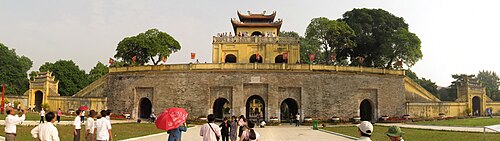
The Imperial Citadel of Thang Long is a UNESCO World Heritage Site in central Hanoi, Vietnam.
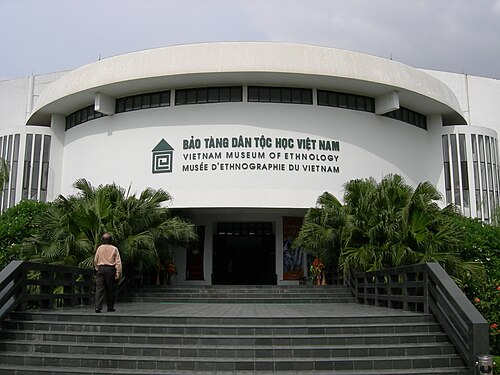
The Vietnam Museum of Ethnology is a museum in Hanoi dedicated to the 54 officially recognized ethnic groups of Vietnam. Its full local name is Bảo tàng Dân tộc học Việt Nam.
The One Pillar Pagoda, known locally as Chùa Một Cột, is a historic Buddhist temple in Hanoi.
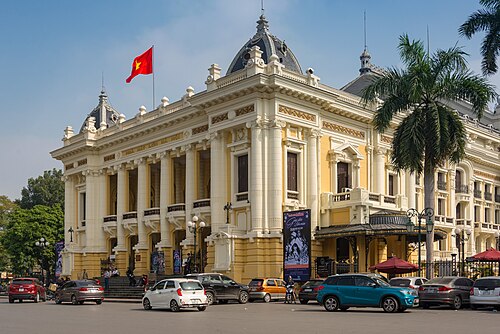
The Hanoi Opera House is a performing arts venue in central Hanoi, constructed during the French colonial period. The building exemplifies French neoclassical architecture with Italianate influences, featuring a grand facade, columns, and ornate interior details.
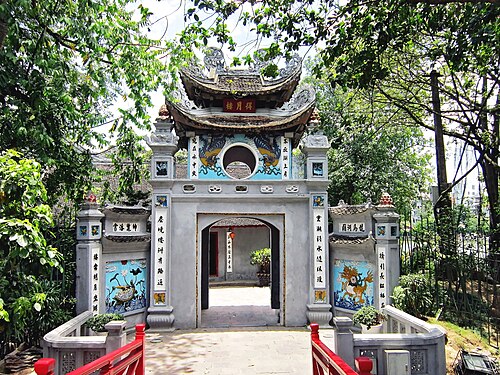
Ngoc Son Temple, locally Đền Ngọc Sơn, stands on Jade Island in Hoan Kiem Lake, central Hanoi. The temple honors national heroes including Tran Hung Dao, scholar Van Xuong, and La To, patron of physicians.
West Lake, known locally as Hồ Tây, is the largest freshwater lake in Hanoi, Vietnam's capital. This expansive urban water body occupies a significant portion of the city's northwestern district and has historically shaped settlement patterns around its perimeter.
Tran Quoc Pagoda, known locally as Chùa Trấn Quốc, is a Buddhist temple situated on a small island near the southeastern shore of West Lake in Hanoi, Vietnam.
The Vietnam National Museum of Fine Arts is a state-run institution in Hanoi dedicated to preserving and exhibiting Vietnamese visual art. Housed in a colonial-era building, it serves as the country's principal repository for fine arts.
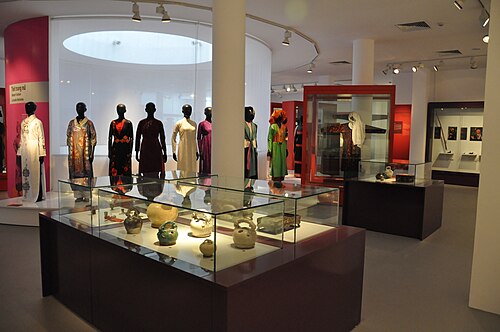
The Vietnamese Women's Museum is a cultural institution in Hanoi dedicated to documenting and celebrating the roles of women in Vietnamese society throughout history.
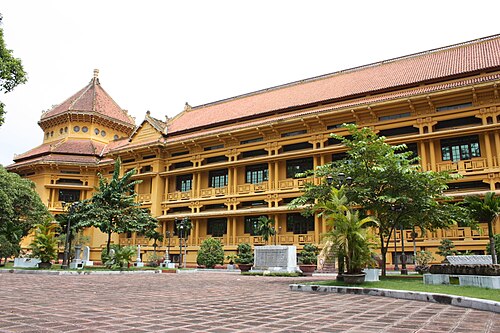
The National Museum of Vietnamese History occupies a distinctive building in central Hanoi, constructed during the French colonial period. Originally built as the École Française d'Extrême-Orient, the structure blends French architectural elements with Asian influences.
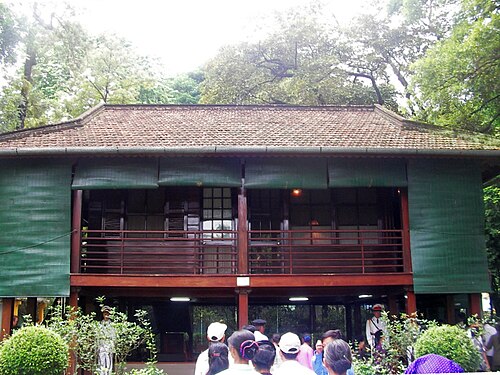
The Ho Chi Minh Museum is a major state museum in Hanoi dedicated to the life and legacy of Ho Chi Minh, the founding father of modern Vietnam.
The Presidential Palace Historical Site is a significant heritage complex in Hanoi, serving as the official residence and workplace of the President of Vietnam. The site encompasses French colonial architecture alongside Vietnamese elements, reflecting the nation's layered political history.
Dong Xuan Market is a historic covered market in Hanoi's Old Quarter, operating as one of the city's principal wholesale and retail trading hubs.
Ta Hien Street, known locally as Phố Tạ Hiện, is a narrow thoroughfare in Hanoi's Old Quarter. The street has gained recognition among visitors for its concentration of casual drinking establishments and street food vendors.
Ba Dinh Square is a large open square in central Hanoi, widely recognised as the political and historical heart of Vietnam.
The Vietnam Military History Museum in Hanoi is a state-run institution dedicated to documenting Vietnam's military struggles and victories across centuries. Its local name, Bảo tàng Lịch sử Quân sự Việt Nam, reflects its national significance.
Quan Thanh Temple is a Taoist temple in Hanoi, Vietnam, dedicated to Tran Vu, a principal deity in Taoist mythology associated with the north.
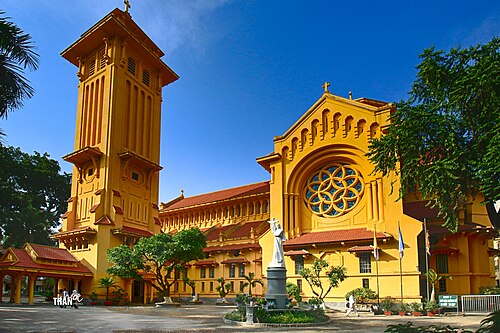
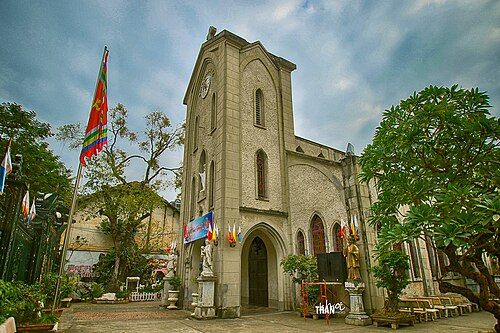
Cua Bac Church, known locally as Nhà thờ Cửa Bắc, stands as a Catholic church in Hanoi, Vietnam. The structure reflects colonial-era religious architecture and serves as a functioning place of worship.
Truc Bach Lake is a freshwater lake situated in the Ba Dinh district of Hanoi, Vietnam. It lies immediately northwest of the larger and more celebrated West Lake, separated by Thanh Nien Road.
Phủ Tây Hồ is a prominent temple complex situated on the northern shore of West Lake in Hanoi, Vietnam.
Van Nien Pagoda, known locally as Chùa Vạn Niên, is a Buddhist temple site in Hanoi, Vietnam.
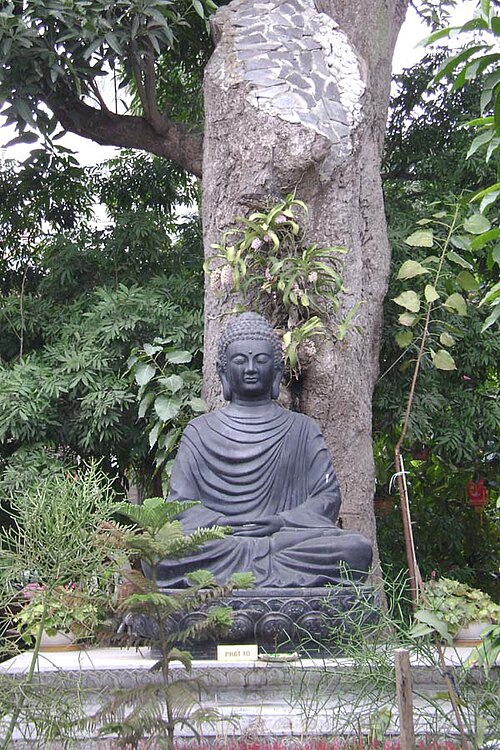
Quan Su Pagoda, known locally as Chùa Quán Sứ, is a Buddhist temple in Hanoi. It serves as the headquarters of the Vietnam Buddhist Sangha, the national Buddhist organization.
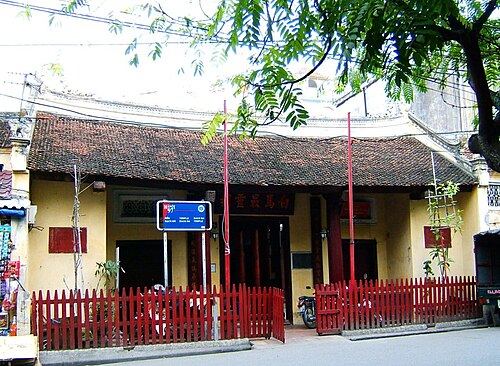
Bach Ma Temple, known locally as Đền Bạch Mã, stands as one of Hanoi's most ancient spiritual sites.
Hai Ba Trung Temple, known locally as Đền Hai Bà Trưng, is a historic religious site in Hanoi dedicated to the Trung sisters, national heroines who led a rebellion against Chinese domination in the first century CE.
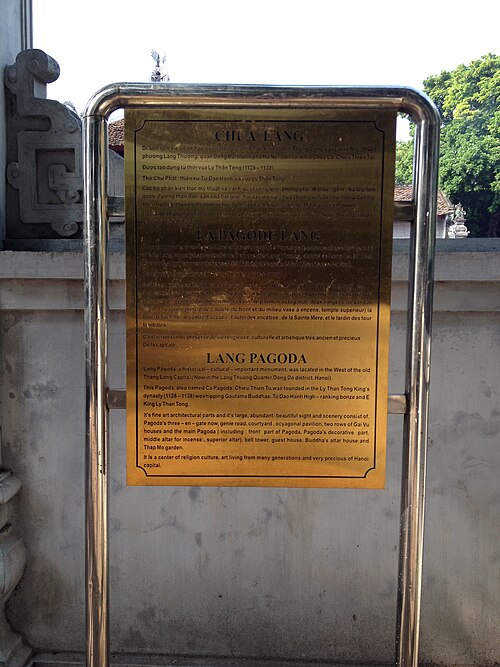
Lang Pagoda, known locally as Chùa Láng, is a Buddhist temple in Hanoi, Vietnam. The pagoda holds historical significance as a place of worship and cultural heritage within the capital.
Ham Long Church, known locally as Nhà thờ Hàm Long, is a Catholic church in Hanoi, Vietnam.
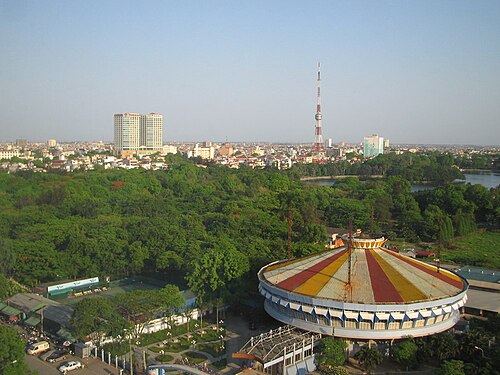
Thong Nhat Park, known locally as Công viên Thống Nhất, stands as one of Hanoi's significant urban green spaces.
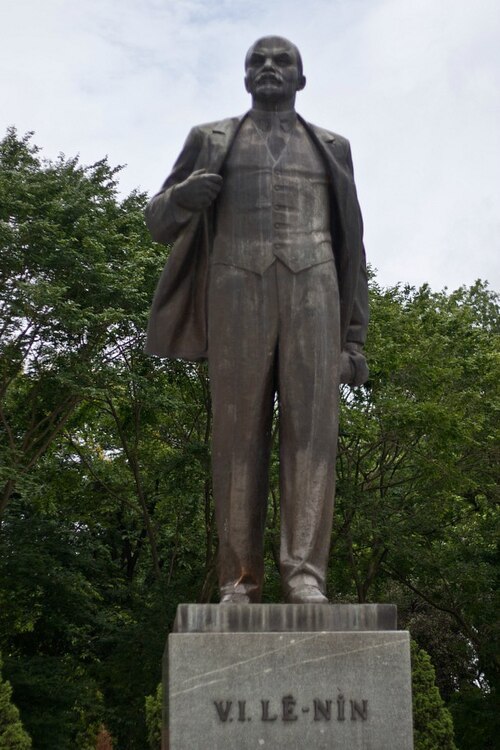
Lenin Park, locally known as Công viên Lê Nin, is a public green space in Hanoi named after the Russian revolutionary leader Vladimir Lenin.
Thu Le Park, locally known as Công viên Thủ Lệ, is a public park and recreational area situated in Hanoi, the capital of Vietnam.
Cau Giay Park, known locally as Công viên Cầu Giấy, is a public green space located in the Cau Giay District of Hanoi, Vietnam. The park serves as a recreational area for residents and visitors to the city.
Indira Gandhi Park, known locally as Công viên Indira Gandhi, is a public green space in Hanoi named after the former Prime Minister of India.
Royal City Vincom Mega Mall is a large-scale commercial complex in Hanoi, developed by Vingroup as part of its Vincom retail portfolio.
Aeon Mall Long Bien is a large-scale modern shopping complex situated on the eastern bank of the Red River in Hanoi.
The Vietnam National Museum of Nature is a scientific institution in Hanoi dedicated to the country's natural heritage. Its local name is Bảo tàng Thiên nhiên Việt Nam.
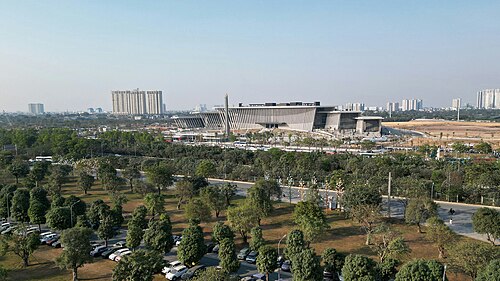
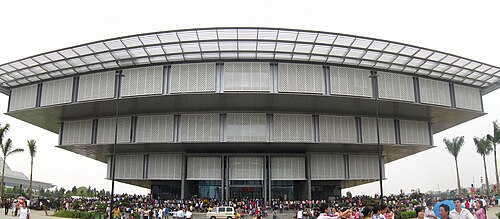
Hanoi Museum is a municipal museum dedicated to the history and culture of Vietnam's capital city. The building features a distinctive inverted pyramid architectural design that sets it apart from other cultural institutions in the region.
The B-52 Victory Museum is a military history museum in Hanoi commemorating the 1972 aerial campaign known in Vietnam as Dien Bien Phu in the Air.
The Vietnam People's Air Force Museum is a military aviation museum in Hanoi dedicated to the history of the Vietnam People's Air Force. It displays aircraft, weaponry, and artifacts related to Vietnamese aerial warfare.
Trang Tien Plaza is a prominent shopping complex situated on Trang Tien Street in central Hanoi, occupying a strategic position near Hoan Kiem Lake.
Dien Hong Park, known locally as Vườn hoa Diên Hồng, is a green space in Hanoi, Vietnam. The park contributes to the city's network of public recreational areas, offering residents and visitors an outdoor environment within the urban fabric.
Ly Thai To Park, locally known as Vườn hoa Lý Thái Tổ, is a public park in central Hanoi situated near Hoan Kiem Lake.
Hanoi Book Street, known locally as Phố Sách Hà Nội, is a pedestrian-oriented cultural space dedicated to literature and reading. Located in the heart of Vietnam's capital, this street transforms a section of urban thoroughfare into a book-focused destination.
The Perfume Pagoda, known locally as Chùa Hương, is a vast complex of Buddhist temples and shrines built into the limestone Huong Tich mountains southwest of Hanoi.
Ba Vi National Park is a protected natural area located west of Hanoi in northern Vietnam. The park encompasses mountainous terrain within the Ba Vi mountain range, which rises prominently from the surrounding Red River Delta plains.
Co Loa Citadel is an ancient fortified settlement located north of central Hanoi. The site represents one of Vietnam's oldest defensive structures, with origins tracing to legendary and early historical periods of Vietnamese state formation.
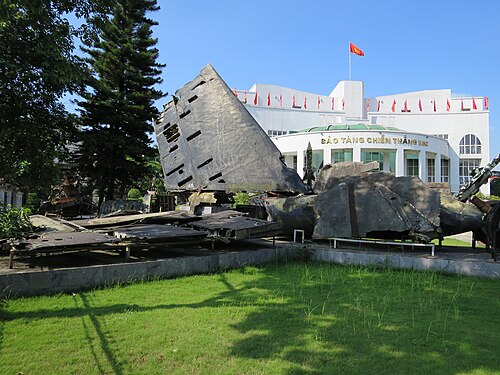
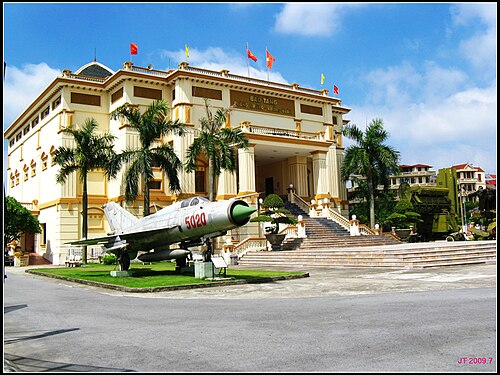
Son Tay Ancient Citadel, known locally as Thành cổ Sơn Tây, is a historical military fortress located in the former Son Tay district west of central Hanoi.
Và Temple, known locally as Đền Và, stands as a significant religious site within Hanoi's cultural landscape. The temple represents an important element of Vietnamese spiritual heritage, reflecting traditional architectural and devotional practices.
Dau Pagoda, known locally as Chùa Đậu, is a historic Buddhist temple located in the Hanoi region. The pagoda represents an important religious and cultural site within Vietnam's broader temple heritage.
Source: OpenStreetMap contributors, Wikidata ·
The Old Quarter occupies the streets north of Hoan Kiem Lake, while the French Quarter extends south and east around major civic and cultural buildings. Ba Dinh lies west with the Ho Chi Minh complex and national museums. West Lake forms another northern circuit, and the Temple of Literature sits between the centre and Ba Dinh. Outlying villages and landscapes need separate transport plans.
Checked 2026-08-26
Walk around Hoan Kiem Lake, the Old Quarter and the French Quarter, taking care in dense traffic. Vietnam’s official tourism guide lists taxis, buses, motorbikes and ride-hailing services for wider journeys, with an extensive city bus network. Cyclos are presented as a sightseeing option around the Old Quarter. Confirm routes and use reputable operators for motorised travel.
Checked 2026-08-26
A fixed official stay length is not recorded. Cover Hoan Kiem and the Old Quarter first, then add Ba Dinh, West Lake and outer excursions according to time.
Vietnam Tourism identifies April to June as inviting and also highlights September and October, when temperatures cool and skies tend to clear.
Yes. The Old Quarter and Hoan Kiem Lake form the main central walking area, though visitors should take care around dense street traffic.
The official tourism guide lists buses, taxis, motorbikes and ride-hailing services. Use reputable providers and check the current route before departure.
Treat Ba Dinh, West Lake and outer villages as separate blocks from the Hoan Kiem–Old Quarter core. This avoids repeated cross-city travel.