.jpg)
2 min walk
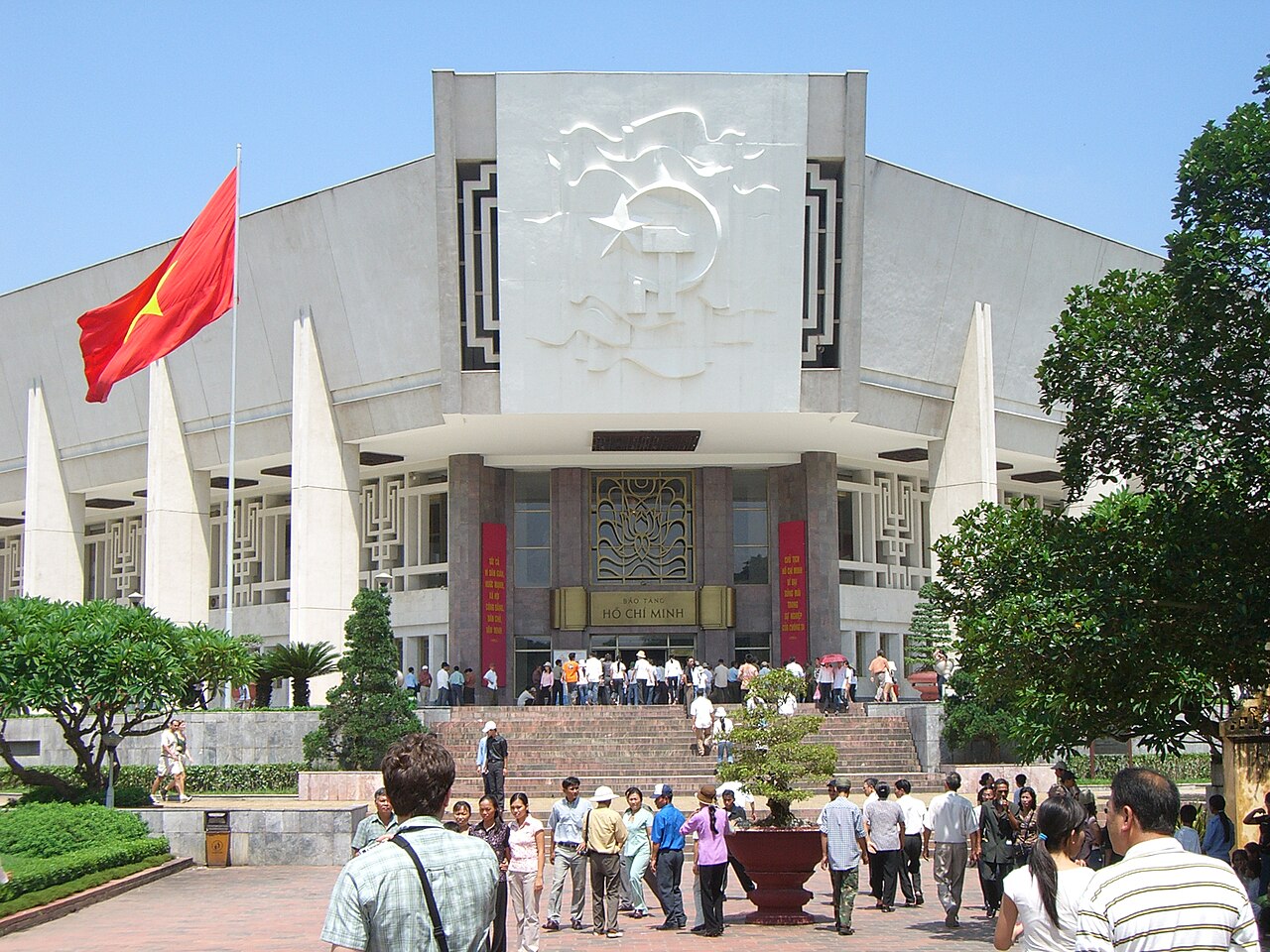
Ho Chi Minh Museum
- Must see
- Museum
Language · 11 published
Place of worship · Hanoi
Chùa Một Cột

Read from the OpenStreetMap access tags; anything not listed has no tag recorded.
Set the group type to family in the planner and the day window contracts to about three quarters of a solo day.
The One Pillar Pagoda, known locally as Chùa Một Cột, is a historic Buddhist temple in Hanoi. It stands as one of Vietnam's most iconic architectural landmarks, recognized for its distinctive design featuring a small shrine perched atop a single stone pillar. The pagoda holds significant cultural and religious importance in Vietnamese heritage. Its unique structure symbolizes a lotus blossom rising from water, a sacred motif in Buddhist tradition. The site attracts numerous visitors seeking to understand Vietnam's spiritual history and architectural ingenuity.
Checked 2026-08-31 · Source
The main structure consists of a wooden sanctuary supported by a single pillar, creating the visual effect of floating. The interior typically contains Buddhist altars and statues for veneration. Surrounding the central pagoda, visitors will find a modest temple complex with additional religious structures and ornamental gardens. The compound includes lotus ponds that enhance the symbolic atmosphere. Decorative elements reflect traditional Vietnamese craftsmanship. Devotional items and offerings may be present. The spatial arrangement emphasizes contemplation and reverence rather than expansive exhibition. Visitors should observe quietly and respect active worship spaces.
Checked 2026-08-31 · Source
A visit to the One Pillar Pagoda generally requires between thirty minutes to one hour for most travelers. This duration allows adequate time to appreciate the architectural details, observe the religious setting, and walk through the surrounding grounds. Photography and brief contemplation can extend the stay slightly. The compact nature of the site means extensive time is unnecessary unless participating in religious observances. Visitors often combine this stop with nearby attractions in the Ba Dinh district. Efficient travelers may complete their visit more quickly during less crowded periods.
Checked 2026-08-31 · Source
Summer: open daily. Winter: open Tuesday–Thursday and Saturday–Sunday; closed Monday and Friday. The Vietnam National Authority of Tourism publishes seasonal opening days. A March 2026 Ba Đình public-body notice also documents an official procession and offering at the active pagoda. Visitors should verify current opening times through official channels before planning their visit. Early morning hours typically offer cooler temperatures and reduced crowding at popular Hanoi religious sites. Midday periods may coincide with stronger sunlight and more tour groups. Buddhist festival dates could bring increased devotional activity and temporary access modifications. Seasonal weather patterns in northern Vietnam include hot humid summers and cooler dry winters. Rainy season conditions from May to September may affect outdoor portions of the experience. Advance confirmation remains essential.
Checked 2026-08-31 · Source
Free admission for all visitors. The One Pillar Pagoda may operate with free admission or nominal fees depending on current management policies. Some Vietnamese religious sites request voluntary donations for maintenance. Visitors should carry small denomination currency for potential contributions. Any official fee structures would be posted at entry points. Group tour packages sometimes include this destination with consolidated pricing. Independent travelers must verify actual costs on arrival. Budget planning should account for possible adjacent site fees if visiting the broader temple complex or nearby government buildings in the same district.
Checked 2026-08-31 · Source
Hanoi bus E11 serves the named stops 18A Lê Hồng Phong in one direction and 1B Lê Hồng Phong in the other. From either stop, approach via Chùa Một Cột Street; the pagoda is on the right-hand side of the Ho Chi Minh Mausoleum complex. E11 is listed as fare-free and operates every 12 minutes from 07:00 to 18:00. The pagoda sits within Hanoi's Ba Dinh district, near other significant landmarks including the Ho Chi Minh Mausoleum complex. Central Hanoi location makes the site accessible by multiple transport modes. Taxis and ride-hailing services serve this established tourist zone. Walking is feasible from nearby accommodations in the Old Quarter for those comfortable with urban navigation. Local bus routes pass through surrounding streets. Bicycle and motorbike rentals represent common Hanoi transport options. Signage in Vietnamese and sometimes English assists orientation. Visitors should prepare for typical Hanoi traffic conditions when approaching this high-profile destination.
Checked 2026-08-31 · Source
The lotus-tower exterior can be viewed from the surrounding ground-level precinct. The elevated shrine is reached by a staircase, so access to its altar is not step-free. Respectful conduct is mandatory at this active religious site. Modest dress covering shoulders and knees demonstrates appropriate cultural awareness. Photography restrictions may apply inside worship spaces; visitors should observe posted guidelines or request clarification. The single pillar structure has historical vulnerability requiring preservation awareness. Crowded conditions demand personal belongings security. Persistent souvenir vendors may operate in surrounding areas. Scam risks exist near major tourist attractions globally. Weather exposure is limited but sun protection advisable for outdoor waiting periods. Physical accessibility constraints may affect visitors with mobility limitations due to traditional architectural design and ground surfaces.
Checked 2026-08-31 · Source
The distinctive silhouette of the One Pillar Pagoda offers compelling photographic subjects. Exterior shots capture the iconic pillar-and-lotus composition against sky or pond reflections. Optimal lighting occurs during early morning or late afternoon golden hours. Tripod usage may require permission in religious compounds. Respectful distance from worshippers must be maintained. Reflections in surrounding lotus ponds create artistic possibilities. Overcast conditions reduce harsh shadows on pale structures. Drone operation would require explicit authorization given proximity to government buildings. Patience rewards photographers during changing light and seasonal vegetation states.
Checked 2026-08-31 · Source
It is also called Diên Hựu Pagoda and Liên Hoa Đài, meaning Lotus Tower.
King Lý Thái Tông had the pagoda built in 1049.
No. The earlier structure was destroyed in 1954, and the present restoration was completed in 1955.
The complex became a National Historic and Architectural Relic in 1962 and was recognized by the Asia Book of Records for its distinctive architecture in 2012.
The square lotus tower measures three metres on each side. Its visible stone pillar is four metres high and 1.2 metres in diameter.
The altar holds a gilded statue of the thousand-eyed, thousand-armed Goddess of Mercy, accompanied by worship objects and a bronze incense burner.
Loading the interactive map…
The interactive map could not be loaded.

Last updated:
Source: OpenStreetMap contributors, Wikidata ·