

4 min walk
Đà Nẵng Museum
- Must see
- Museum
Language · 11 published
Historic monument · Da Nang
| Monday | 08:00 – 17:00 |
|---|---|
| Tuesday | 08:00 – 17:00 |
| Wednesday | 08:00 – 17:00 |
| Thursday | 08:00 – 17:00 |
| Friday | 08:00 – 17:00 |
| Saturday | 08:00 – 17:00 |
| Sunday | 08:00 – 17:00 |
Checked 2026-08-31 · Source
Read from the OpenStreetMap access tags; anything not listed has no tag recorded.
Set the group type to family in the planner and the day window contracts to about three quarters of a solo day.
Dien Hai Citadel is a historic military fortification in Da Nang, Vietnam. Constructed in 1813 during the Nguyen Dynasty, it was originally named Dien Hai Fort. The citadel played a significant role in resisting foreign naval incursions, particularly during conflicts with French forces in the 19th century. It stands as a testament to Vietnam's defensive military architecture and its struggle against colonial expansion. The site has been recognized for its historical importance and serves as a memorial to Vietnamese resistance and national sovereignty.
Checked 2026-08-31 · Source
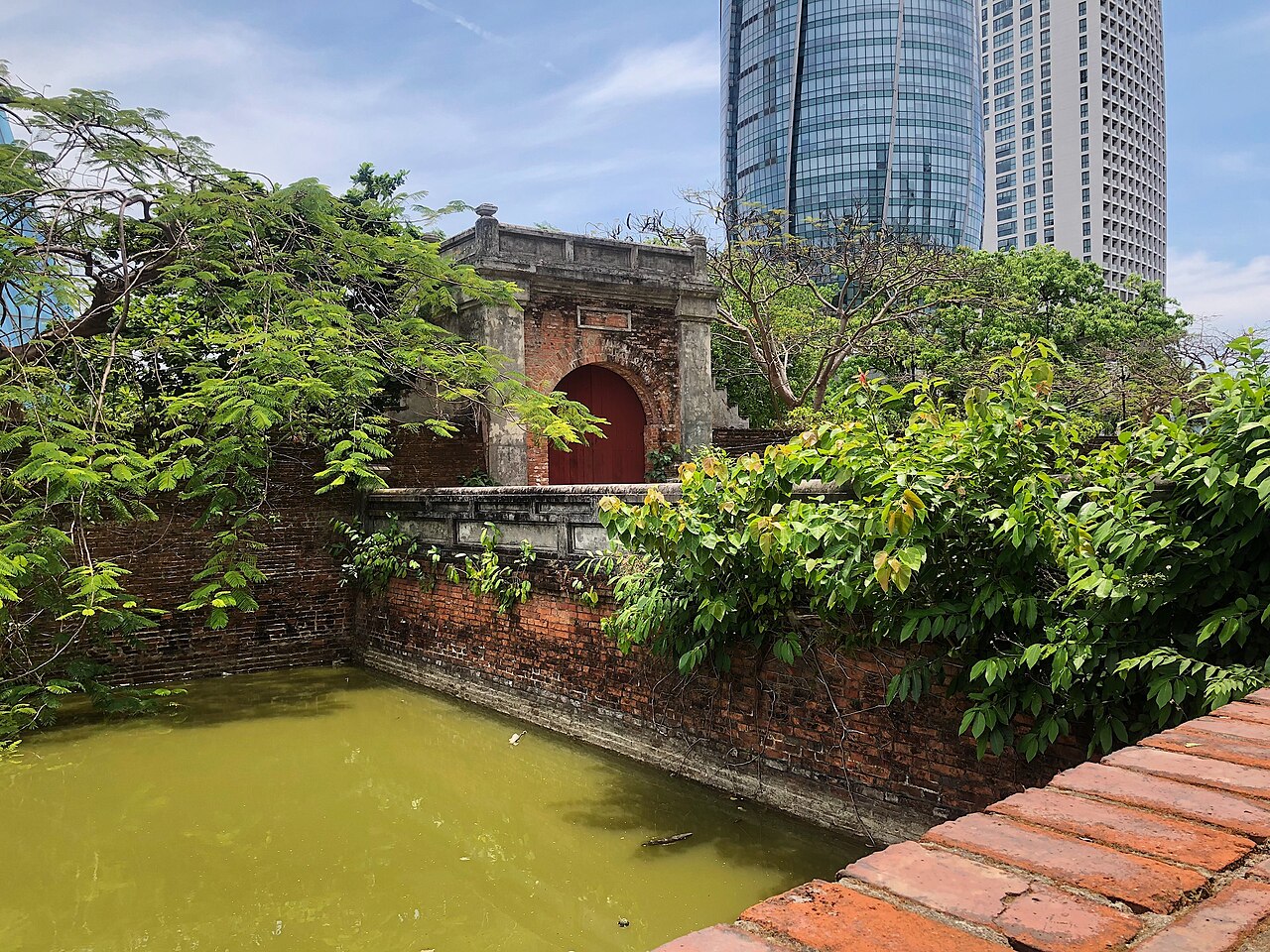
The citadel grounds contain preserved ramparts, gates, and defensive earthworks characteristic of early 19th-century Vietnamese military construction. A prominent feature is the memorial temple dedicated to national heroes who defended the fortress. Visitors will find commemorative steles and displays relating to the citadel's military history. The site includes open grounds where defensive structures once stood. The layout reflects traditional Vietnamese fortification design adapted to coastal defense requirements against naval bombardment and amphibious assault.
Checked 2026-08-31 · Source
A thorough visit to Dien Hai Citadel typically requires between forty-five minutes and ninety minutes. This duration allows visitors to walk the perimeter, examine the remaining fortifications, and absorb the historical significance of the site. Those with strong interest in military history or Vietnamese resistance narratives may wish to allocate additional time for contemplation at the memorial areas. The compact nature of the preserved site means extensive walking is not required. Visitors often combine this stop with other Da Nang attractions rather than dedicating a full day.
Checked 2026-08-31 · Source
Daily 08:00–17:00 The responsible museum authority lists daily opening with no regular weekly closure day. Visitors should verify current opening times through official channels before planning their visit. Da Nang experiences a tropical monsoon climate with distinct wet and dry seasons. The dry season from approximately February to August generally offers more favorable conditions for outdoor historical site exploration. Morning visits may provide cooler temperatures and softer light for observation. Afternoon thunderstorms are common during wet season months. Checking local weather forecasts remains advisable regardless of season.
Checked 2026-08-31 · Source
Free entry to Dien Hai Citadel’s outdoor monument grounds. The adjacent Da Nang Museum is separately ticketed at VND 50,000 per general visitor; reduced and exempt categories apply. Visitors should verify current admission fees through official channels before arrival. Some Vietnamese historical sites maintain nominal entry charges while others operate without fee. International visitors may encounter different pricing structures than domestic visitors at certain heritage locations. Carrying small denominations of Vietnamese currency is prudent for sites requiring payment. Verification through municipal tourism authorities or on-site signage is recommended.
Checked 2026-08-31 · Source
Da Nang bus route 21 serves the named stop “Bãi Đậu Xe Trung Tâm hành Chính đường Trần Phú” beside the citadel area. Tour coaches may use Thành Điện Hải Street between Bạch Đằng and Trần Phú for passenger drop-off only; coach parking is not permitted there. Dien Hai Citadel occupies a location within Da Nang's urban area, accessible by standard city transportation. The site lies relatively near the Han River and the city center district. Visitors may reach the citadel by taxi, ride-hailing services, or rental motorbike common throughout Da Nang. Bicycle rental provides another viable option given Da Nang's generally flat terrain. Walking from central accommodations may be feasible depending on exact lodging location and personal mobility.
Checked 2026-08-31 · Source
The lower visitor area is reached across a bridge over the historic moat. The fortifications include walls more than 5 metres high and moats more than 3 metres deep, so elevated sections are not fully step-free. The responsible authority lists visitor contact numbers 0236 3886236 and 0796 544 369 for access arrangements. The historic nature of fortification structures requires visitor caution regarding uneven surfaces, aged masonry, and earthwork stability. Open ground areas offer limited shade; sun protection and hydration warrant attention during midday visits. Interpretive signage may be predominantly in Vietnamese with variable English availability. The site carries significant patriotic and memorial meaning for Vietnamese visitors; comportment should reflect respectful acknowledgment of its commemorative function. Nearby urban traffic demands awareness when entering or exiting the grounds. Preservation restrictions may limit access to certain sections without advance warning.
Checked 2026-08-31 · Source
The citadel's earthworks, gates, and memorial structures offer substantive photographic subjects for visitors documenting historical architecture and Vietnamese heritage sites. Morning and late afternoon light conditions typically enhance textural details of aged fortification materials. The open layout permits unobstructed wide-angle compositions of defensive structures. Memorial areas require sensitive approach; photography of worship or commemorative activities demands particular discretion and potential restraint. Drone operation would require verification against local regulations and site-specific prohibitions. Tripod use may attract security attention without clear policy guidance available.
Checked 2026-08-31 · Source
The citadel is at 24 Trần Phú in Hải Châu Ward, central Da Nang, immediately beside the city’s administrative and museum quarter.
Emperor Gia Long established the original earth fort in 1813; Emperor Minh Mạng moved and rebuilt it in brick at its present inland position in 1823.
It was a principal defensive position during the 1858–1860 resistance to the French–Spanish expedition and helped prevent the attackers from quickly capturing Da Nang.
It follows a Vauban-style square plan with projecting corners, a perimeter of 556 metres, high brick walls, surrounding moats and bridge access.
The enclosure held command and accommodation buildings, food and ammunition stores, a gunpowder magazine, cannon workshops and 30 artillery positions.
Vietnam designated Dien Hai Citadel a Special National Relic in 2017.
Loading the interactive map…
The interactive map could not be loaded.


Last updated:
Source: OpenStreetMap contributors, Wikidata ·