32 min walk
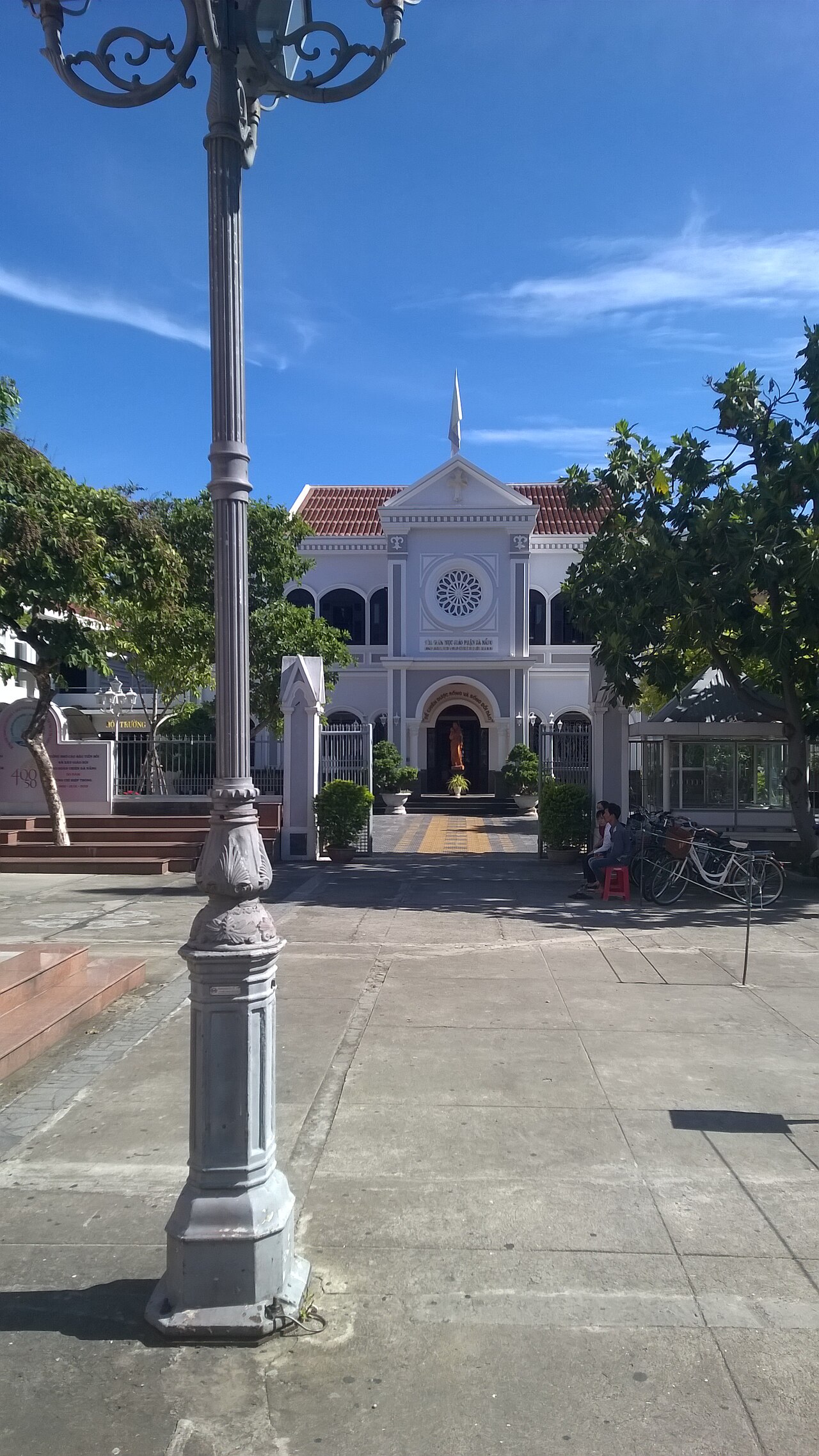
Da Nang Cathedral
- Must see
- Place of worship
Language · 11 published
Historic monument · Da Nang
Read from the OpenStreetMap access tags; anything not listed has no tag recorded.
Set the group type to family in the planner and the day window contracts to about three quarters of a solo day.
Thac Gian Communal House is a Vietnamese đình, or traditional village communal house, located in central Da Nang. It stands as an independent national architectural heritage site, recognized for its historical and cultural significance to the region. The structure represents the classic communal architecture once central to village social and religious life. Following the removal of a duplicate Golden Bridge attraction from resort premises, local promotion has shifted toward authentic heritage assets like this site. The building embodies traditional construction methods and spatial organization characteristic of central Vietnamese communal houses.
Checked 2026-08-31 · Source
The interior of Thac Gian Communal House follows the traditional layout of Vietnamese đình architecture. Visitors will find the main worship hall dedicated to village tutelary deities, the central spiritual function of such structures. Wooden structural elements demonstrate traditional joinery techniques. The spatial arrangement typically encompasses a courtyard approach, antechamber, and main hall. The architectural fabric itself serves as the primary heritage element, with its timber frame, tiled roofing, and proportional relationships constituting the core visitor experience.
Checked 2026-08-31 · Source
A visit to Thac Gian Communal House requires modest time commitment appropriate to a focused architectural heritage site. Most visitors will spend between thirty minutes and one hour examining the structure and grounds. The compact scale of traditional communal houses permits efficient observation of principal features without extended circulation. Those with particular interest in Vietnamese architectural history, wooden construction techniques, or comparative đình studies may wish to allocate additional time for detailed examination. Photography and contemplative observation extend typical visits. The site does not appear to offer guided tour programming or extended interpretive experiences based on available information.
Checked 2026-08-31 · Source
Public access is documented during announced community events. The official 2023 village festival occupied 6–7 March, corresponding to the 15th–16th days of the second lunar month; the responsible city bodies publish no daily visitor timetable. No fixed weekly closure day is specified because the communal house is managed as a living community and ceremonial site rather than a staffed, daily-hours museum. Visitors should verify current accessibility before planning a visit. The outdoor and semi-outdoor nature of traditional đình architecture suggests daytime hours offer optimal conditions for examining structural details and photographic documentation. Central Vietnam's climate features distinct wet and dry seasons, with the latter generally providing more favorable conditions for heritage site exploration. Morning visits may coincide with any ongoing religious observances, requiring appropriate respectful conduct.
Checked 2026-08-31 · Source
Da Nang Tourism Promotion Center publishes no ticket product, adult/general tariff, or paid-entry requirement for the communal house or its documented public festival. As a national architectural heritage site with religious and community functions, Thac Gian Communal House may operate without formal admission charges, following patterns common to Vietnamese village communal houses. Alternatively, modest fees may apply if formal heritage management structures have been implemented. Visitors should carry small denominations of Vietnamese currency as contingency. Any requested contributions for maintenance or ceremonial purposes should be assessed against visible site conditions and local norms. Verification of current financial arrangements through local tourism authorities or direct site contact is advisable before visiting.
Checked 2026-08-31 · Source
Approach through kiệt K478 off Lê Duẩn and continue to hẻm 29/39, the address associated by the city’s public-enquiry system with the site caretaker. DanaBus Route 12 (Xuân Diệu–Da Nang International Airport–Phạm Hùng) runs along Lê Duẩn and Điện Biên Phủ; leave the bus on the Lê Duẩn corridor and complete the final approach through K478 on foot. The site's central urban placement suggests accessibility by standard Da Nang transportation modes including taxi, ride-hail services, motorbike rental, or potentially public bus routes serving the district. Visitors should obtain current location coordinates from reliable mapping services or local tourism information points. Wayfinding may require local assistance given the embedded neighborhood context typical of historic village structures within expanding urban areas. Signage quality and foreign-language wayfinding are unknown factors requiring on-ground verification.
Checked 2026-08-31 · Source
Official festival photographs show a broad, level courtyard used for public activities. The ceremonial buildings have raised thresholds or stepped entrances, so independent step-free access does not extend throughout the complex. The responsible public bodies list no adapted toilet, wheelchair loan, lift, or permanent accessibility service for the site. Visitors must observe respectful conduct appropriate to a functioning religious and heritage site. Attire covering shoulders and knees is prudent given the sacred context. Photography restrictions, particularly around altars and active worship spaces, should be confirmed through observation or local inquiry rather than assumed. Structural conditions of historic wooden buildings warrant attention to footing, head clearance, and weather protection. The embedded residential neighborhood context requires sensitivity to local community privacy and daily patterns.
Checked 2026-08-31 · Source
The architectural character of Thac Gian Communal House offers substantial photographic interest for documentarians of Vietnamese built heritage. Exterior compositions may capture roofline profiles, structural proportions, and relationship to surrounding context. Interior photography requires assessment of current conditions, available light, and any operational restrictions. Wooden structural details, carved elements, and spatial sequences reward careful observation. Tripod use and flash should be evaluated against site sensitivity and any posted guidance.
Checked 2026-08-31 · Source
It is a national architectural and artistic heritage site, recognized under Ministry of Culture, Sports and Tourism Decision 05/2007/QĐ-BVHTTDL dated 27 August 2007.
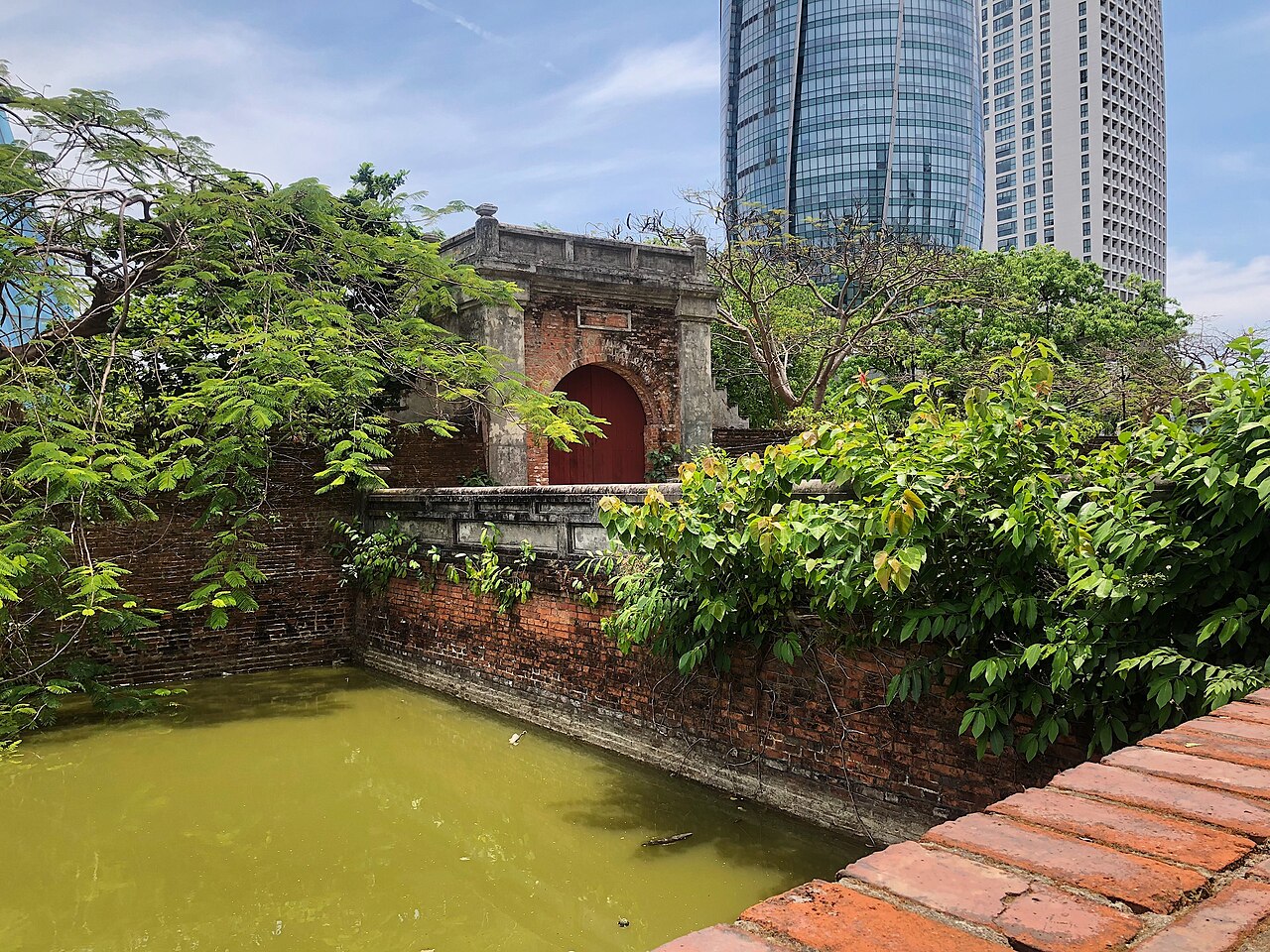
The first structure used bamboo and thatch; it was rebuilt in timber during Minh Mạng’s reign, reconstructed in brick with yin-yang roof tiles in 1854, and renovated in 1909 and 1916.
The collection includes 18 royal decrees and 38 additional imperial orders or directives associated with the Later Lê and Nguyễn dynasties.
The 2023 festival took place on 6–7 March, the 15th–16th days of the second lunar month.
The official programme documents rites for heaven and earth, departed spirits, spring worship, village founders, incense offerings and thanksgiving, followed by community games and cultural activities.
No. It remains a community ceremonial house used by village elders, clan representatives and residents; city heritage authorities classify it as a living architectural and artistic monument in Thanh Khe Ward.
Loading the interactive map…
The interactive map could not be loaded.

Last updated:
Source: OpenStreetMap contributors ·