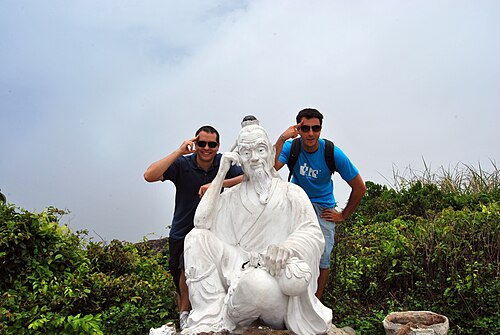
Ngũ Hành Sơn
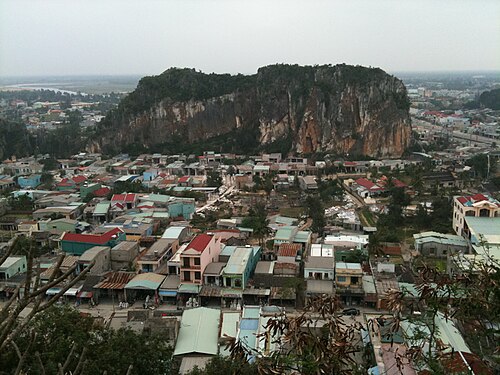
Marble Mountains, known locally as Ngũ Hành Sơn, is a cluster of five limestone and marble hills located south of Da Nang in central Vietnam.
- Must see
- Historic monument
Language · 11 published
City guide · Vietnam
Da Nang is divided by the Han River, with the civic centre and markets on the west bank and the main beach strip on the east. The river bridges connect these two practical visitor zones. The Marble Mountains lie south toward Hoi An, while the Son Tra Peninsula and Hai Van Pass extend north beyond the compact urban core.
Set your days, your pace and the hours you actually want to be out. The planner works around closing days and travel time, and leaves room to eat.
Ranked by importance — sitelinks, pageviews and heritage status, not editor preference.
25 places match
Category
Typical visit duration
Marble Mountains, known locally as Ngũ Hành Sơn, is a cluster of five limestone and marble hills located south of Da Nang in central Vietnam.
The Museum of Cham Sculpture is a museum in Da Nang, Vietnam, dedicated to the art and heritage of the Champa civilization. The Champa kingdom flourished in central and southern Vietnam for many centuries, leaving behind remarkable sculptural works.
My Khe Beach, known locally as Bãi biển Mỹ Khê, is a prominent coastal stretch in Da Nang, Vietnam. It extends along the eastern edge of the city, facing the South China Sea.
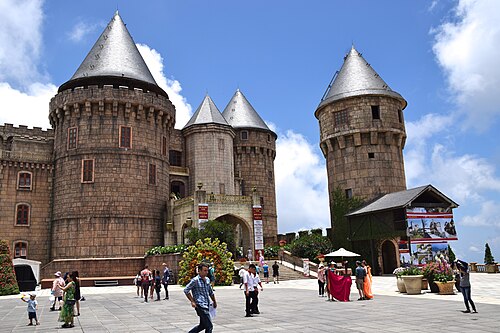
Sun World Ba Na Hills is a hill station and resort complex in the Truong Son Mountains near Da Nang, Vietnam.
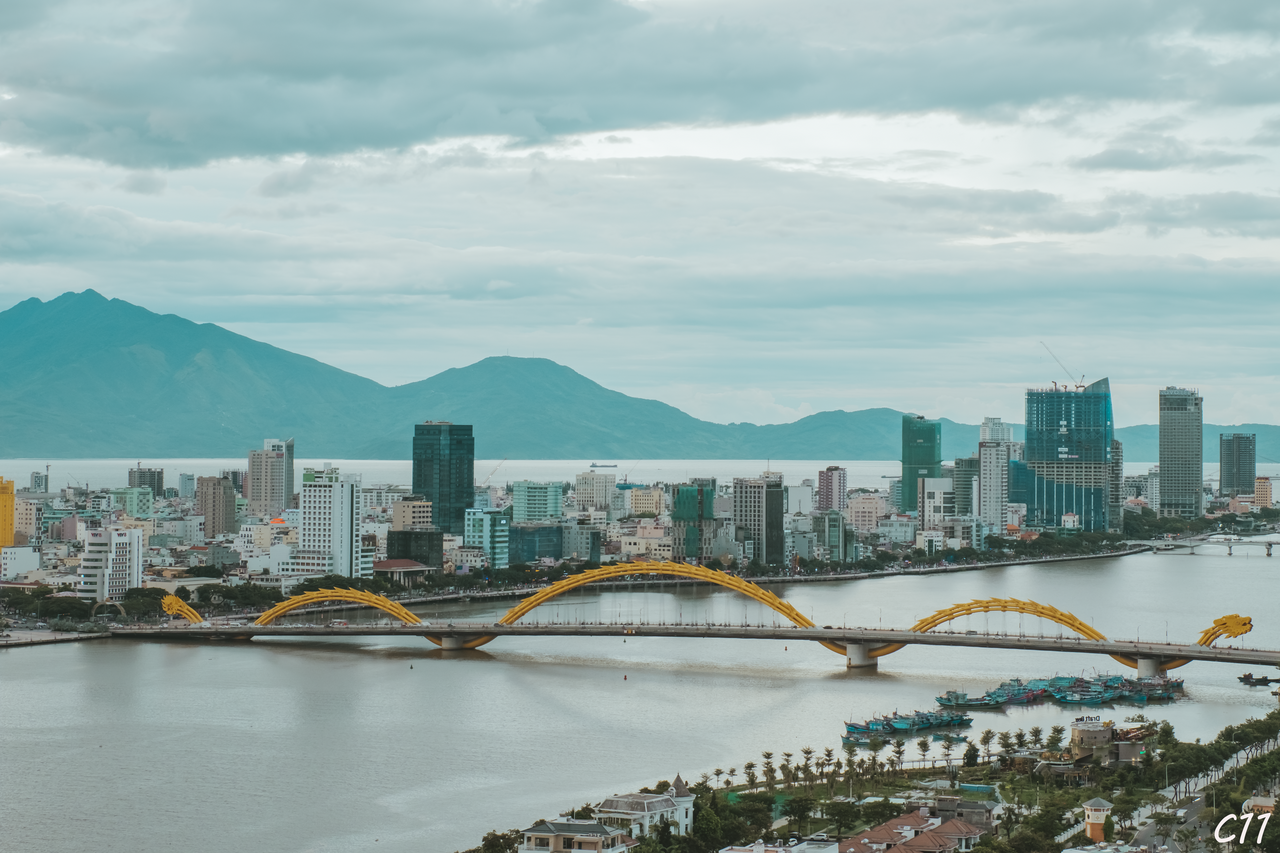
Dragon Bridge, known locally as Cầu Rồng, is a steel bridge spanning the Hàn River in Da Nang, Vietnam.
Hai Van Pass is a dramatic mountain pass on the border of Da Nang and Thua Thien-Hue provinces. The name translates to Ocean Cloud Pass, reflecting its mist-shrouded peaks and coastal vistas.
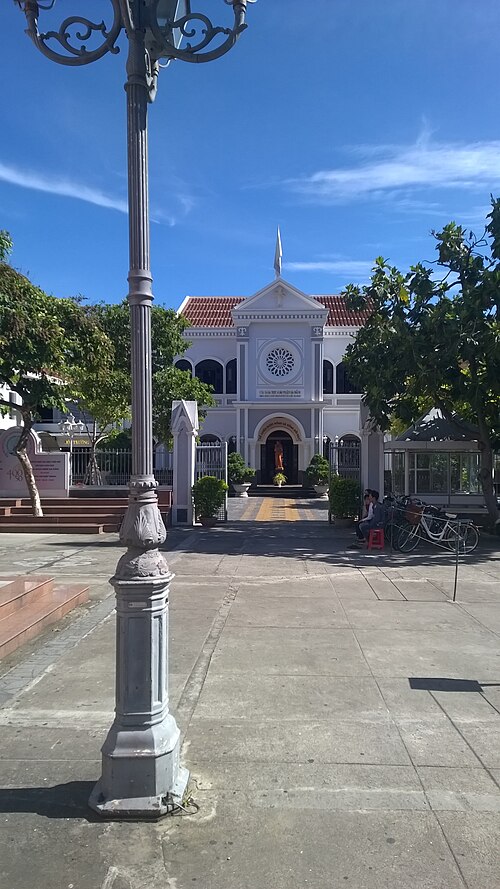
Da Nang Cathedral, known locally as Nhà thờ Chính tòa Đà Nẵng, stands as a notable religious structure in central Vietnam's coastal city.
Non Nuoc Beach is a coastal stretch in Da Nang, Vietnam, located on the eastern edge of the city along the South China Sea.
Ban Co Peak is a prominent elevated viewpoint located in Da Nang, a major coastal city in central Vietnam. The peak offers panoramic vistas over the surrounding landscape, including urban areas, coastline, and mountainous terrain.
The Han River Bridge, known locally as Cầu Sông Hàn, is a swing bridge spanning the Han River in Da Nang, central Vietnam. It holds distinction as Vietnam's first swing bridge designed and constructed by Vietnamese engineers.
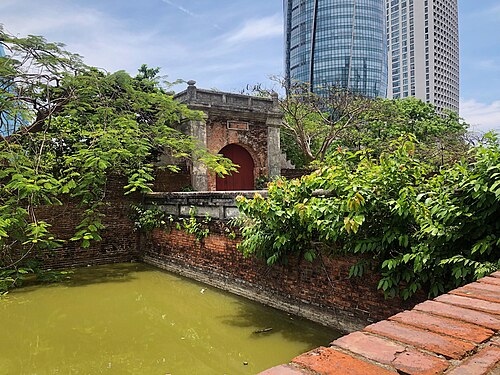
Dien Hai Citadel is a historic military fortification in Da Nang, Vietnam. Constructed in 1813 during the Nguyen Dynasty, it was originally named Dien Hai Fort.
Hai Van Quan is a historic military gate situated at the summit of Hai Van Pass, which forms the natural boundary between Da Nang and Thua Thien-Hue provinces in central Vietnam.
Source: OpenStreetMap contributors, Wikidata ·
Group Han Market, the cathedral, Cham Museum and west-bank riverfront together. Cross one bridge for My Khe Beach and the eastern waterfront, then reserve a separate block for Son Tra because its roads climb away from the centre. Marble Mountains and the southern coast fit another route; Ba Na Hills and Hai Van Pass need standalone excursions.
Checked 2026-08-26
Central riverfront sights are walkable in short clusters, but beaches and outer attractions require wheels. Da Nang lists public buses, public bicycles, taxis and app-based cars or motorbikes as local options, with DanaBus providing route information. Distances to Son Tra, Marble Mountains and the mountain approaches make a planned return ride more reliable than an improvised walk.
Checked 2026-08-26
A fixed stay length is not recorded. Build the visit around the Han River banks and My Khe, then add Son Tra, Marble Mountains and Hai Van Pass only when the available time supports a separate journey.
Group places by district instead of crossing the city repeatedly. Start with the Han River banks and My Khe; treat Son Tra, Marble Mountains and Hai Van Pass as separate routes with their own travel allowance.
Use Walking, public bus, bicycle and licensed taxi. Walk within compact clusters and consult the linked official transport information before making longer transfers or relying on a particular route.
Only within individual neighbourhood clusters. The main visitor areas are separated by distances, waterways, major roads or regional approaches, so longer links normally need public transport or a licensed vehicle.
Plan Son Tra, Marble Mountains and Hai Van Pass separately from the Han River banks and My Khe. Check the current route, return connection and any access requirements on the official source before departure.