

2 min walk
Ba Ðình Square
- Must see
- Historic monument
Language · 11 published
Historic monument · Hanoi
Lăng Chủ tịch Hồ Chí Minh
Closed today, Monday. Next open Tuesday at 07:30 — the planner will not place a stop here on a Monday.
Plan around it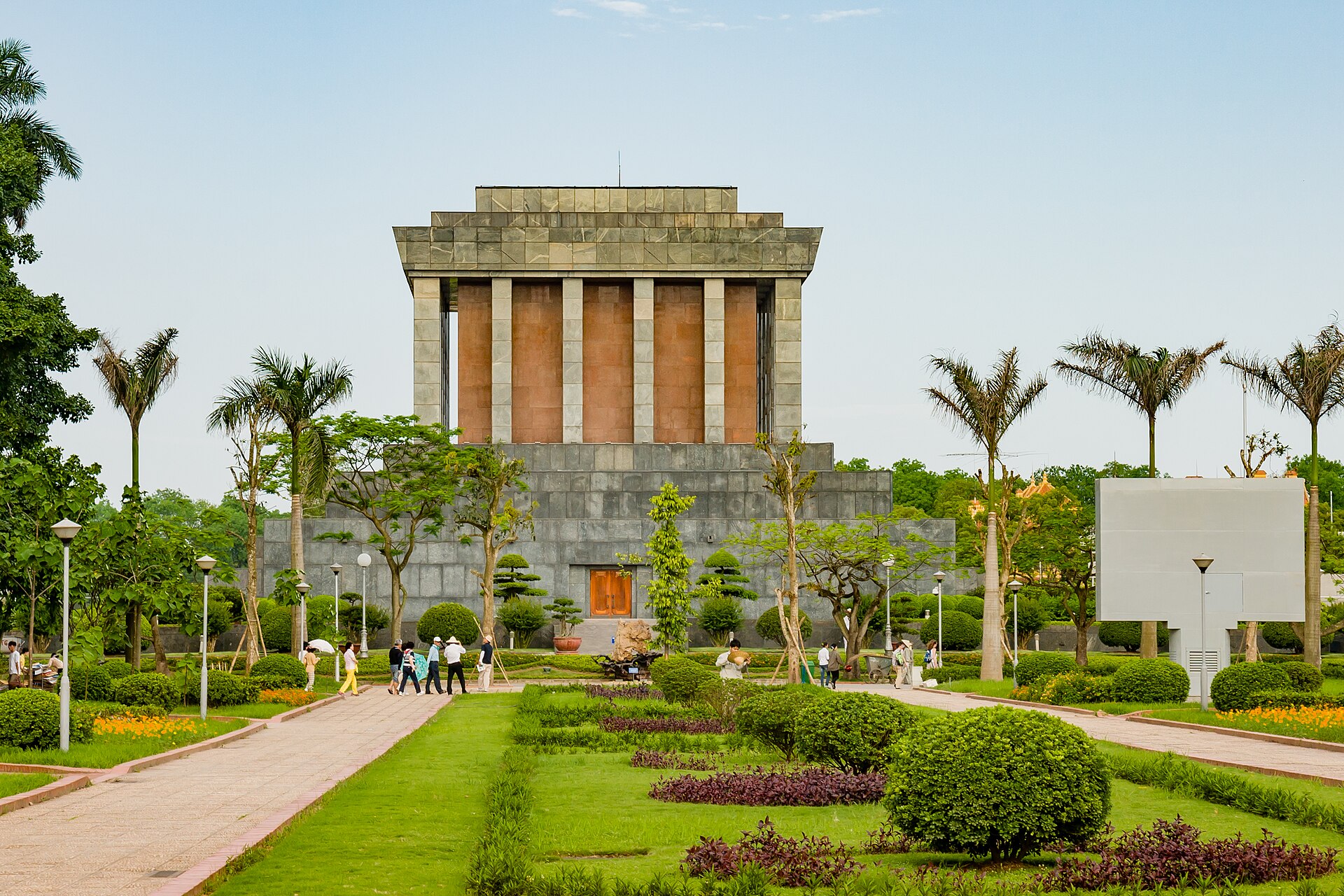
| Monday | Closed |
|---|---|
| Tuesday | 07:30 – 10:30 |
| Wednesday | 07:30 – 10:30 |
| Thursday | 07:30 – 10:30 |
| Friday | Closed |
| Saturday | 07:30 – 11:00 |
| Sunday | 07:30 – 11:00 |
Checked 2026-08-31 · Source
Read from the OpenStreetMap access tags; anything not listed has no tag recorded.
Set the group type to family in the planner and the day window contracts to about three quarters of a solo day.
The Ho Chi Minh Mausoleum, known locally as Lăng Chủ tịch Hồ Chí Minh, stands as a monumental memorial in central Hanoi. This imposing granite structure houses the embalmed body of Ho Chi Minh, the founding father of modern Vietnam and leader of its independence movement. The mausoleum represents a significant site of national reverence and political pilgrimage. Its stark architectural style reflects socialist monumental traditions. Visitors should approach with appropriate solemnity, as this remains an active place of worship for many Vietnamese citizens and a cornerstone of state ceremonial life.
Checked 2026-08-31 · Source
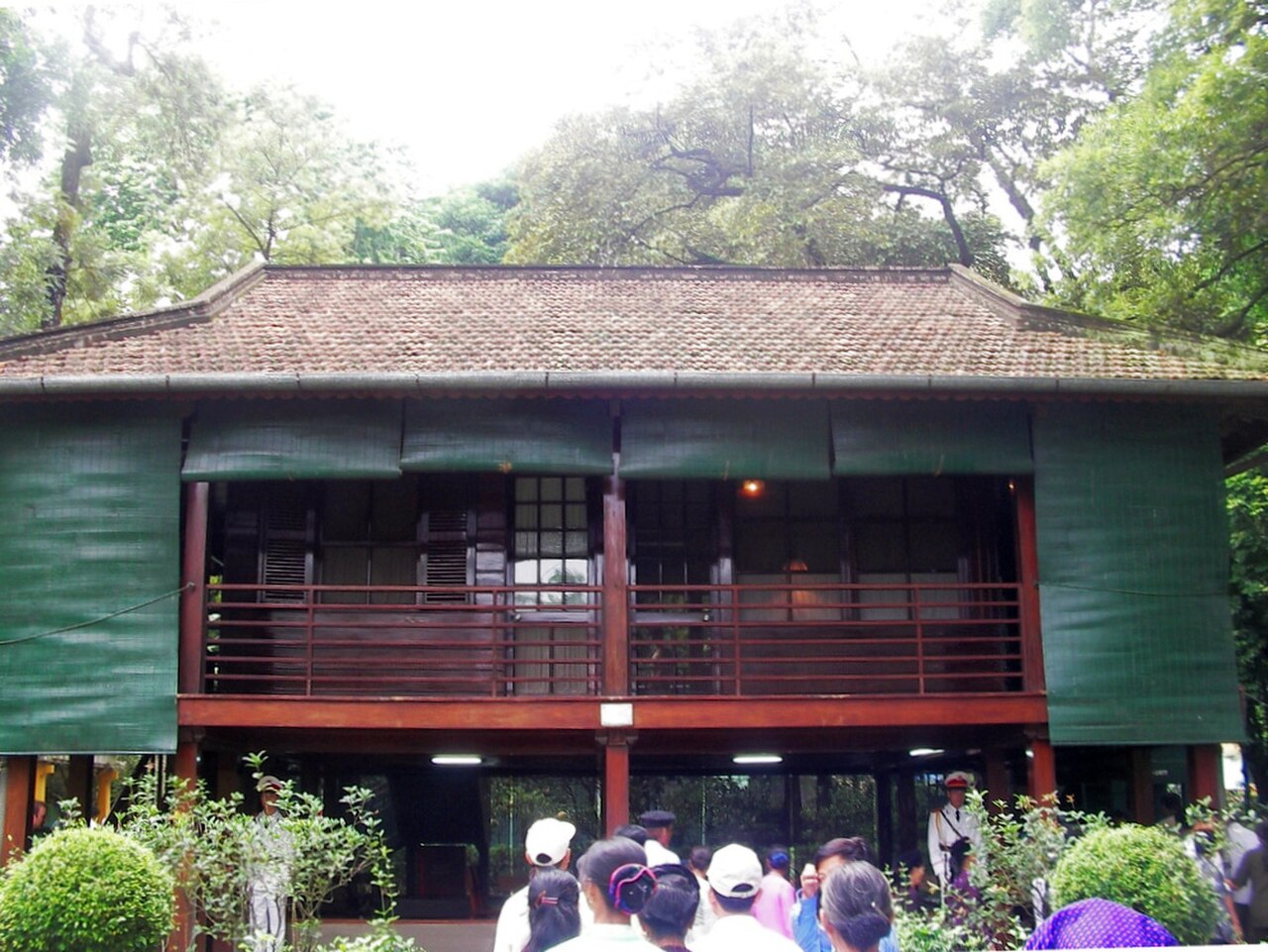
The mausoleum's interior contains the preserved remains of Ho Chi Minh displayed within a glass sarcophagus. The austere chamber maintains controlled atmospheric conditions. Visitors proceed through the central hall in regulated single file. Photography and recording devices are strictly prohibited inside the viewing chamber. Guards maintain formal ceremonial presence throughout. The surrounding Ba Dinh Square and Presidential Palace grounds extend the complex. Adjacent structures include the Ho Chi Minh Museum and his stilt house, though these operate as separate attractions with their own access protocols and visitor regulations.
Checked 2026-08-31 · Source
A complete visit to the mausoleum interior typically requires queuing time plus the brief regulated passage through the viewing chamber. The actual viewing duration is intentionally brief, lasting only moments as visitors maintain continuous movement. Total site commitment varies substantially based upon queue length, which fluctuates with domestic pilgrimage periods and international tourism seasons. Visitors commonly combine this with adjacent attractions including the museum complex and botanical gardens. Planning for a half-day within the broader Ba Dinh district allows appropriate pacing without rushing this solemn experience.
Checked 2026-08-31 · Source
April 1–October 31: Tuesday–Thursday 07:30–10:30; Saturday, Sunday and public holidays 07:30–11:00. November 1–March 31: Tuesday–Thursday 08:00–11:00; Saturday, Sunday and public holidays 08:00–11:30. Closed Monday and Friday, except May 19, September 2 and the first day of Lunar New Year. The mausoleum closes for scheduled maintenance from 2026-09-04 through 2026-11-02 and resumes visits on 2026-11-03. The mausoleum traditionally maintains limited morning access windows and closes during afternoon periods. Vietnamese national holidays and commemorative dates surrounding Ho Chi Minh's birthday and death anniversary generate substantial domestic visitor volumes. International visitors may prefer periods outside these peak pilgrimage times for more manageable queue experiences. Weather considerations for outdoor queuing merit attention during Hanoi's hot, humid summers and cooler winter months.
Checked 2026-08-31 · Source
Free admission; no entrance ticket is charged for the mausoleum. Entry to the mausoleum itself has historically operated without direct admission charges, though this policy requires current verification. Some adjacent attractions within the broader complex may apply separate fees. Visitors should carry identification documents as security screening protocols apply. Bag storage requirements may involve nominal fees at designated facilities near the entrance. Official guides and audio services, if available, would constitute additional costs. Currency preparation in Vietnamese dong facilitates any incidental transactions. Verification of current policies through official channels before visiting remains strongly advisable.
Checked 2026-08-31 · Source
Join the visitor route at the assembly area at 17 Ngọc Hà. Hanoi's public-transport system lists the nearby stop as “91 Lê Hồng Phong – Bảo tàng Hồ Chí Minh”; continue from that stop to the Ngọc Hà assembly entrance rather than approaching the ceremonial front on Ba Đình Square. The mausoleum occupies a prominent position within Hanoi's Ba Dinh district, northwest of the Old Quarter. Multiple urban transport options serve this central zone including meter taxis and ride-hailing services. Walking from nearby accommodation clusters in the French Quarter or Old Quarter requires approximately twenty to thirty minutes. Cyclo and motorbike taxi services operate in surrounding streets. Visitors should identify the correct entrance point as the complex perimeter extends considerably and access restrictions apply to certain approaches.
Checked 2026-08-31 · Source
Wheelchair users are admitted with assistance from mausoleum staff. The responsible authority reports providing wheelchairs for disabled visitors, veterans and older visitors unable to walk the route. Wheelchair assistance may involve staff helping visitors over steps, so the visit is assisted rather than independently step-free. Strict dress codes apply; revealing clothing, shorts, and sleeveless garments result in denied entry. Respectful demeanor is mandatory throughout including silence within the viewing chamber. Personal bags, cameras, and phones must be surrendered before entering. Security screening resembles airport protocols. The queue system demands patience and may involve substantial standing periods. Physical conditions inside the chamber remain cool for preservation purposes. Visitors displaying inappropriate behavior face immediate removal. Health considerations including claustrophobia or sensitivity to formaldehyde-related preservation environments warrant advance assessment.
Checked 2026-08-31 · Source
Photography is categorically prohibited inside the mausoleum viewing chamber with actively enforced restrictions. Visitors must deposit all recording equipment before security screening. The exterior architecture and Ba Dinh Square surroundings permit photography, though military personnel and certain security zones should not be captured. Visitors seeking visual documentation should capture exterior approaches and surrounding monuments. Respect for ongoing ceremonial activities and domestic mourners should guide all photographic decisions even in permitted zones. Discretion remains the prudent approach throughout this sensitive national site.
Checked 2026-08-31 · Source
Public visits are held on Tuesday, Wednesday, Thursday, Saturday and Sunday mornings.
It is closed on Monday and Friday, although visits are still held when May 19, September 2 or the first day of Lunar New Year falls on either day.
From April through October, hours are 07:30–10:30 Tuesday–Thursday and 07:30–11:00 weekends and public holidays. From November through March, they are 08:00–11:00 Tuesday–Thursday and 08:00–11:30 weekends and public holidays.
Yes. Visits stop from September 4 through November 2, 2026, and resume on November 3, 2026.
No. Entry to the mausoleum is free.
Yes. The responsible authority provides wheelchairs and staff assistance for visitors who cannot walk the route, but the visit is not independently step-free.
Loading the interactive map…
The interactive map could not be loaded.

Last updated:
Source: OpenStreetMap contributors, Wikidata ·