Heian Shrine
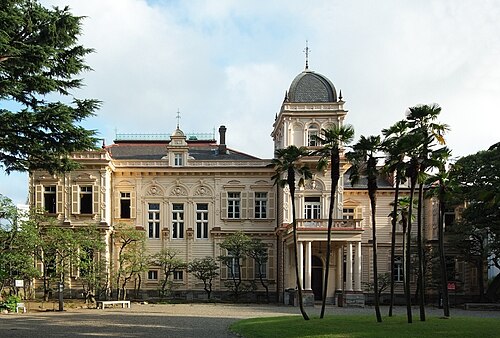
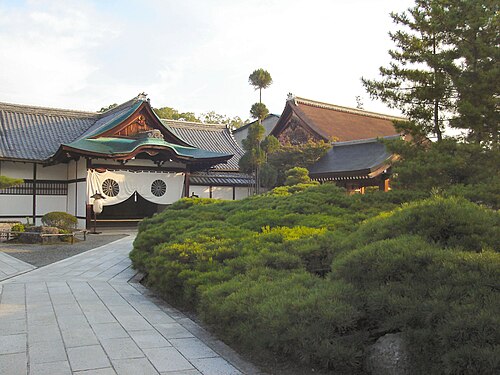
Heian Shrine is a Shinto shrine in Kyoto, Japan. It was established in 1895 to commemorate the 1,100th anniversary of the founding of Kyoto as the imperial capital.
- Must see
- Place of worship
- Kyoto
Language · 11 published
Country guide
Around three quarters of Japan is mountain and forest, which pushes almost everyone onto the eastern coastal plains and makes the country far narrower in practice than 377,975 km2 suggests. Forty-seven prefectures, eight traditional regions and more than 14,000 smaller islands, and yet a first visit usually runs along a single rail corridor with Tokyo at one end and Kyoto and Osaka at the other. Tokyo is the capital and largest city of a country of almost 123 million people. Hokkaido in the north and Okinawa in the south are different climates rather than day trips, and both need their own week.
Every city catalogued in this country so far, ranked by how much there is to see.
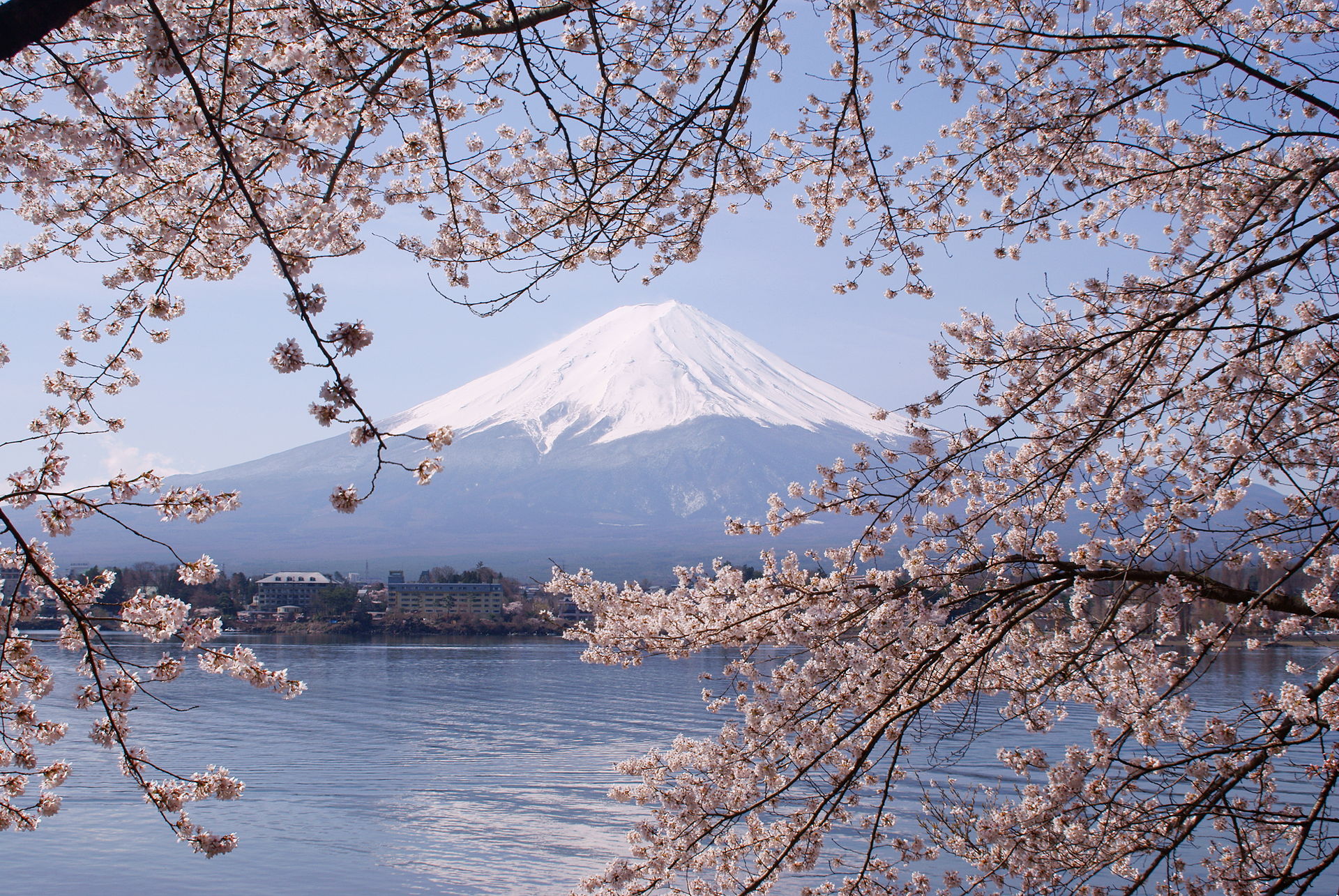
Photograph · Morio · CC BY-SA 3.0
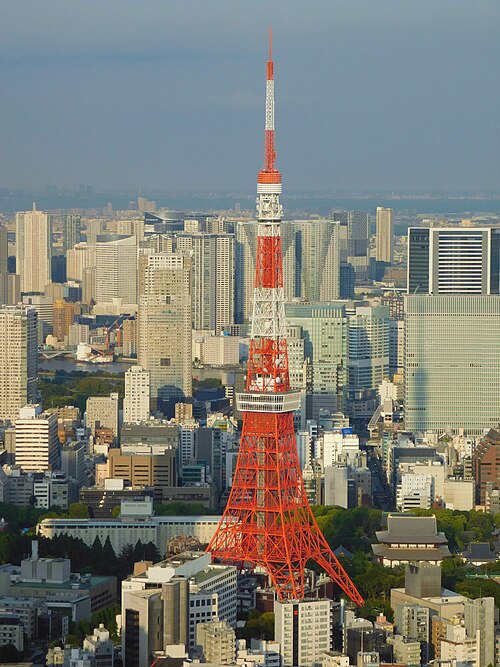
Photograph · Martin Falbisoner · CC BY-SA 4.0
Ranked by importance — sitelinks, pageviews and heritage status, not editor preference.
100 places match
Category
Typical visit duration
Heian Shrine is a Shinto shrine in Kyoto, Japan. It was established in 1895 to commemorate the 1,100th anniversary of the founding of Kyoto as the imperial capital.
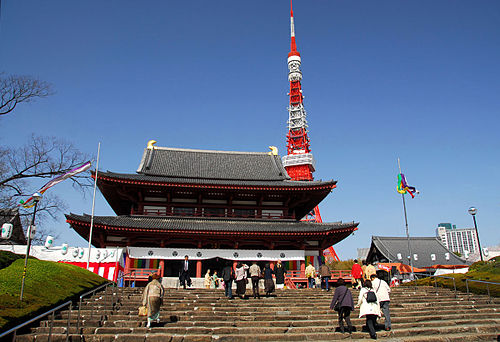
Tokyo Tower is a communications and observation tower located in the Minato ward of Tokyo. The structure serves as a broadcasting antenna for television and radio signals.
The temple everyone calls Kinkaku-ji is officially Rokuon-ji, a Rinzai Zen temple of the Shokoku-ji branch in the north-western corner of Kyoto.
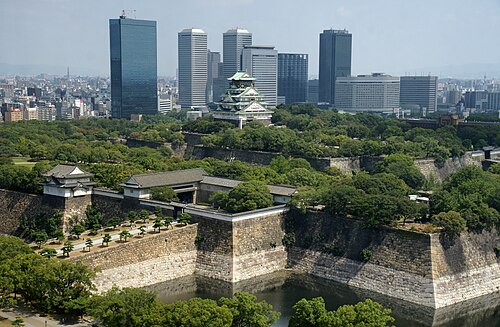
Osaka Castle is a Japanese castle in Chuo-ku, Osaka. The local name is 大阪城. It is a major historical landmark and one of Japan's most famous castles.
Byōdō-in is a Buddhist temple in Uji, Kyoto Prefecture, Japan. Its local name is 平等院. The temple is a UNESCO World Heritage Site, forming part of the Historic Monuments of Ancient Kyoto.
Ginkaku-ji is the popular name for Jisho-ji, a Zen temple on the eastern hills of Kyoto and, in its own words, one of the affiliate temples of Shokoku-ji, the head temple of the Rinzai Shokoku-ji branch that still runs it.
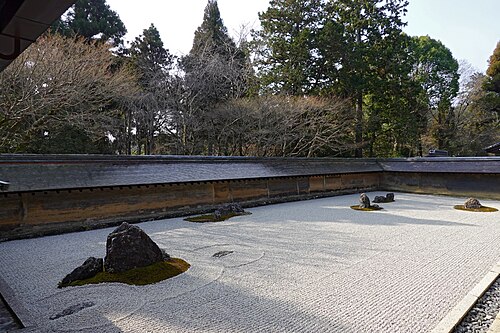
Ryōanji is a Rinzai Zen temple in the north-west of Kyoto, in Ukyo ward, and its full name is Daiunzan Ryōanji.
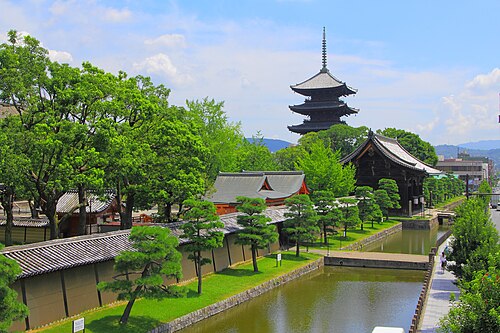
To-ji is a Buddhist temple in Kyoto, Japan. It was founded in the eighth century and stands as one of the city's most historically significant religious sites.
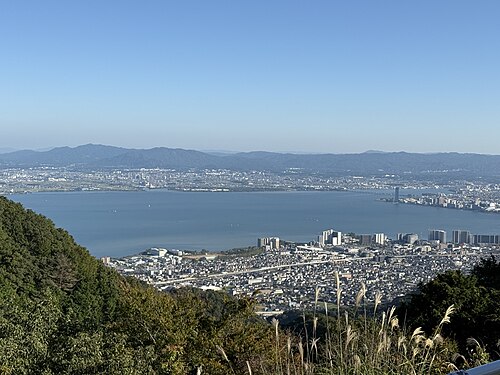
Lake Biwa is the largest freshwater lake in Japan, located in Shiga Prefecture northeast of Kyoto. The lake occupies a central position in the region's geography and has historically served as a vital water resource and transportation route.
Kamigamo Shrine is one of Kyoto's most significant Shinto shrines, formally known as Kamo-wakeikazuchi-jinja.
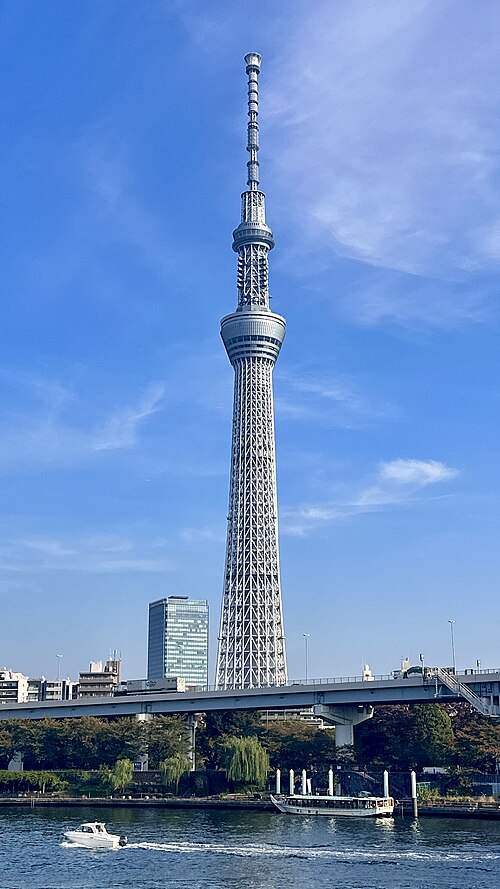
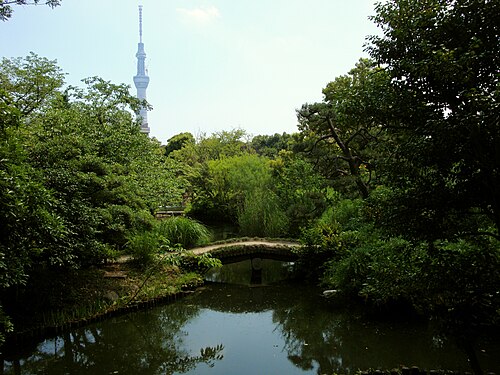
Tokyo Skytree is a broadcasting and observation tower in Sumida, Tokyo. It serves as the primary structure for digital terrestrial television broadcasting in the Kantō region.
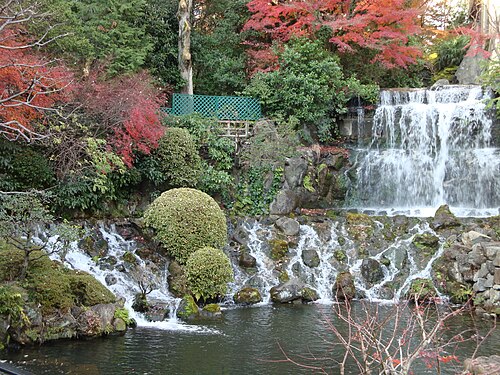
Ninna-ji is a Shingon Buddhist temple in Kyoto, Japan. It serves as the head temple of the Omuro school of the Shingon sect. The temple was founded in 888 CE by Emperor Uda.
Edo Castle, known locally as 天守台, stands as the historic fortress at the heart of Tokyo. Once the seat of the Tokugawa shogunate from 1603 to 1868, this site shaped Japan's political destiny for over two centuries.
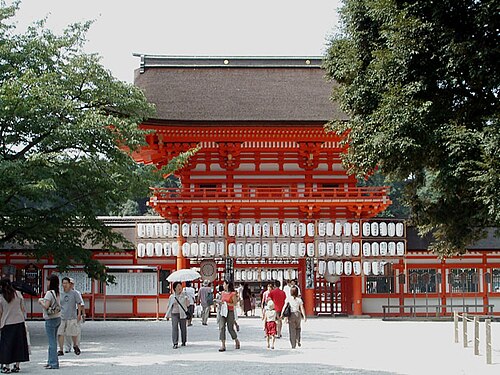
Shimogamo Shrine is a Shinto shrine in Kyoto, Japan, situated at the confluence of the Kamo and Takano rivers.
Tsutenkaku is an observation tower in Shinsekai, in Osaka's Naniwa ward, and it is the second tower to stand on the spot.
Enryaku-ji Temple is a major Buddhist temple complex located on Mount Hiei, northeast of Kyoto. Founded in 788 by Saicho, who introduced Tendai Buddhism to Japan, it serves as the headquarters of the Tendai sect.
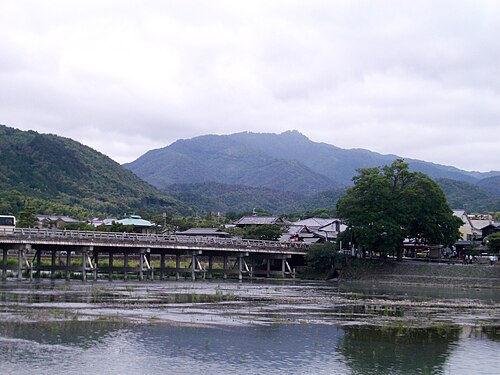
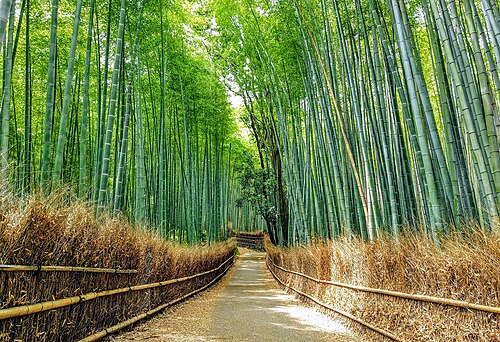
Arashiyama is a district on the western outskirts of Kyoto, Japan, situated along the base of the Arashiyama Mountains. The area encompasses the Ōi River and is renowned for its natural scenery, including bamboo groves and seasonal foliage.
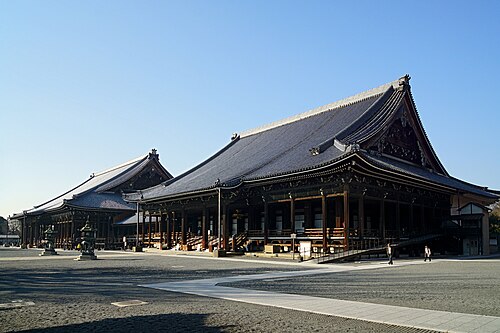
Nishi Hongan-ji is a Jodo Shinshu Buddhist temple in Kyoto, Japan. It serves as the headquarters of the Hongan-ji branch of the sect.
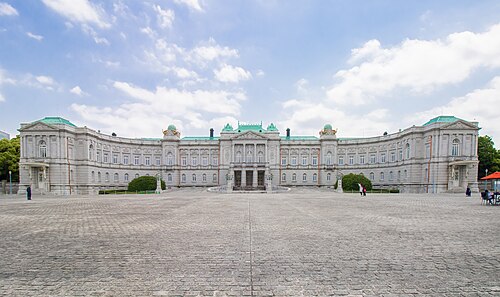
Akasaka Palace is a state guest house in Tokyo, Japan, designated as a National Treasure. Originally built as the Imperial Palace for the Crown Prince in 1909, it now serves as accommodation for visiting heads of state and dignitaries.
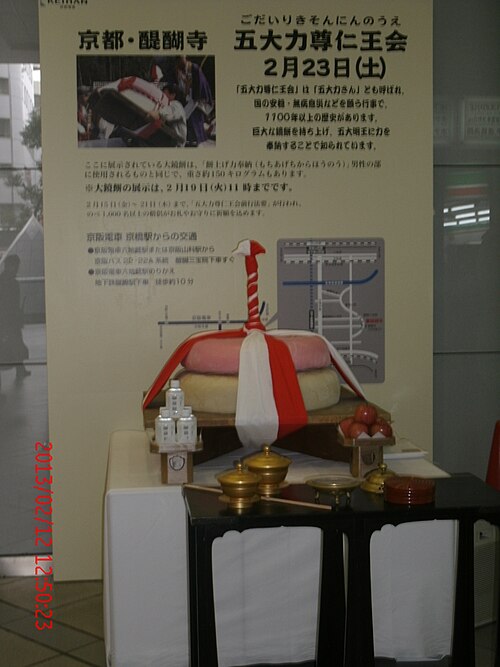
Daigo-ji Temple is a historic Buddhist temple complex in southeastern Kyoto, Japan. Founded in 874 CE, it holds significance as a major center of Shingon Buddhism.
Saiho-ji, commonly known as Kokedera or the Moss Temple, is a Rinzai Zen Buddhist temple located in western Kyoto. The temple is renowned for its exceptional moss garden, which covers much of the temple grounds with dense, velvety green carpets.
Kōzan-ji is a Buddhist temple in Kyoto, Japan, bearing the local name 高山寺. The temple holds status as a UNESCO World Heritage Site within the Historic Monuments of Ancient Kyoto designation.
Ujigami Shrine is a Shinto shrine located in Uji, Kyoto Prefecture, Japan. Its local name is 宇治上神社. The shrine is situated in the same vicinity as the more famous Byodo-in temple, in the historic Uji area known for tea cultivation.
The Kyoto Imperial Palace served as the residence of Japan's Imperial Family until 1869, when the capital moved to Tokyo.
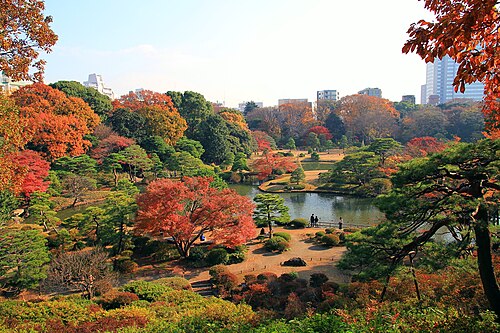
Rikugien Gardens, known locally as 六義園, is a historic Japanese landscape garden in Tokyo. The garden follows the principles of kaiyushiki teien, a strolling garden style designed around a central pond with multiple viewpoints.
Katsura Imperial Villa is a historic imperial residence in western Kyoto, renowned as a masterpiece of Japanese garden and architectural design.
Ueno Park, known locally as Ueno Onshi Koen, is a major public park in Tokyo. It occupies a significant area in the Taito ward and serves as one of the city's most prominent green spaces.
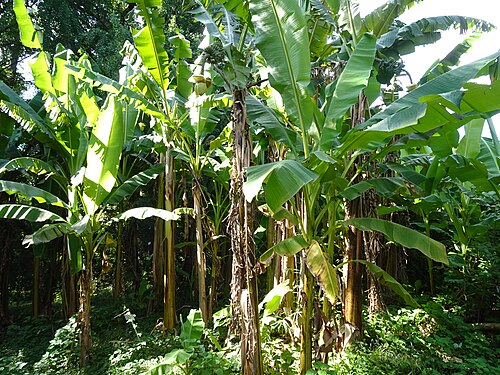
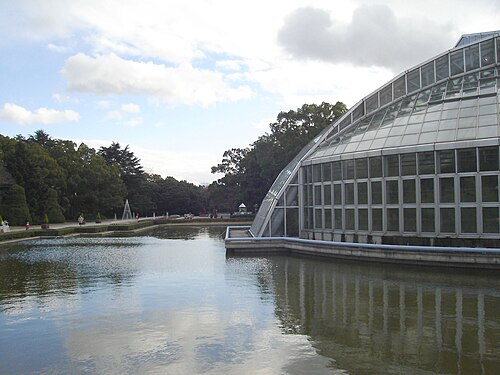
Koishikawa Botanical Garden is a botanical garden and arboretum located in the Koishikawa area of Bunkyo Ward, Tokyo. Established in 1684 by the Tokugawa shogunate as a medicinal herb garden, it is one of Japan's oldest botanical gardens.
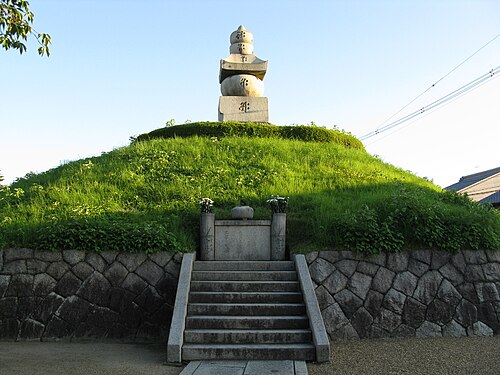
Mimizuka, also known as Hanazuka, is a historical mound monument located in Kyoto, Japan. The name translates to Mound of Ears or Mound of Noses.
The Tokyo Imperial Palace is the primary residence of the Emperor of Japan. Located in Chiyoda ward, it occupies the site of the former Edo Castle, which served as the seat of the Tokugawa shogunate from 1603 to 1868.
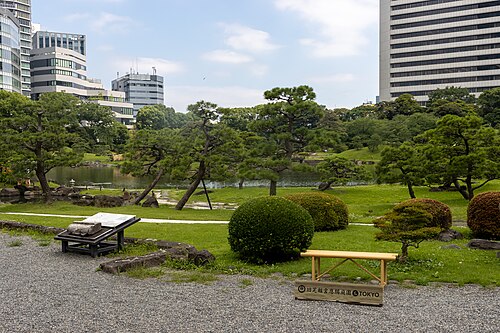
Hamarikyu Gardens is a public garden in central Tokyo, located at the mouth of the Sumida River where it meets Tokyo Bay.
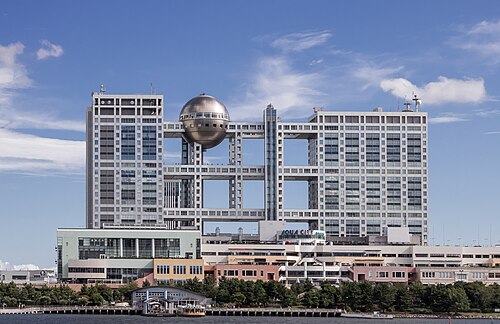
Odaiba is a large artificial island in Tokyo Bay, originally developed for defensive purposes in the 1850s and later transformed into a major commercial and leisure district during the late 20th century.
Meiji Jingū is a Shinto shrine in Tokyo dedicated to the deified spirits of Emperor Meiji and Empress Shōken. The shrine occupies a forested area within the dense metropolis.
Ueno Tōshō-gū is a Shinto shrine located in Ueno Park, Tokyo. It enshrines Tokugawa Ieyasu, the founder of the Tokugawa shogunate that ruled Japan from 1603 to 1868.
Arashiyama Bamboo Grove is a renowned natural attraction in the Arashiyama district of western Kyoto. The site features a dense stand of tall bamboo stalks forming a distinctive pathway that draws visitors from across the world.
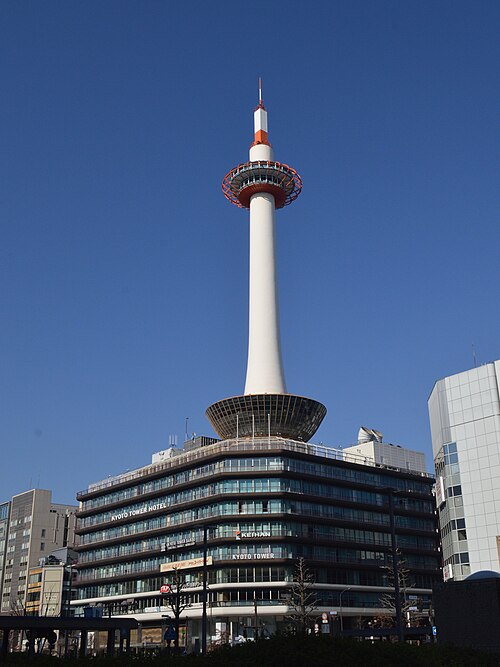
Kyoto Tower is an observation tower located in Kyoto, Japan. Its local name is 京都タワー. The structure stands as a prominent landmark in the city, offering visitors elevated views of the surrounding urban and natural landscape.
Kyu Shiba Rikyu Garden is a historic landscape garden in central Tokyo, originally developed as a feudal lord's residence garden during the Edo period.
Heian Jingu stands in the Okazaki quarter of Kyoto's Sakyo ward, and it is younger than almost everything else a visitor comes to Kyoto to see.
Mount Hiei is a mountain located northeast of Kyoto, Japan, straddling the border between Kyoto Prefecture and Shiga Prefecture. The local name is 比叡山.
Chinzan-sō Garden is a Japanese garden located in Tokyo. The site is historically associated with the former estate of Prince Aritomo Yamagata, a prominent Meiji-era statesman.
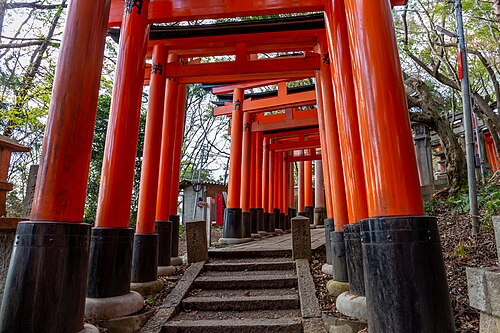
Fushimi Inari Taisha is a Shinto shrine located in Fushimi Ward, Kyoto. It serves as the head shrine of approximately 30,000 Inari shrines across Japan.
Yoshiwara is a historic district in Tokyo with a documented past as a licensed pleasure quarter during the Edo period.
Koishikawa Kōrakuen is a historic Japanese garden in Bunkyō Ward, Tokyo. Its local name is 小石川後楽園. The garden is recognized as a Special Historic Site and Special Place of Scenic Beauty by the national government.
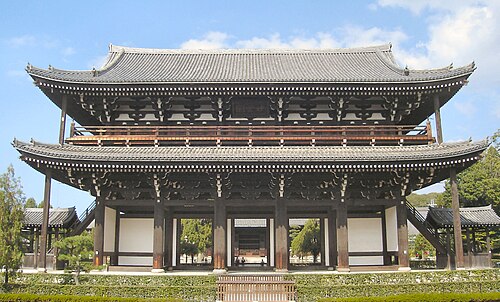
Tofuku-ji is a Rinzai Zen Buddhist temple in southeastern Kyoto. Founded in 1236 by the statesman Kujo Michiie, it took its name from combining characters from Todai-ji and Kofuku-ji in Nara.
Yasaka Shrine is a Shinto shrine located in Kyoto, Japan. It is also known as Gion Shrine. The shrine stands at the eastern end of Shijo-dori, a major thoroughfare in the city.
Fushimi Castle, known locally as 伏見城, is a historic Japanese castle site in Kyoto. The original structure was built in the late 16th century and played significant roles during the Azuchi-Momoyama period.
Kyu-Furukawa Gardens is a historic garden in Tokyo, known locally as 旧古河庭園. The site represents an important example of Japanese landscape design combined with Western architectural influence.
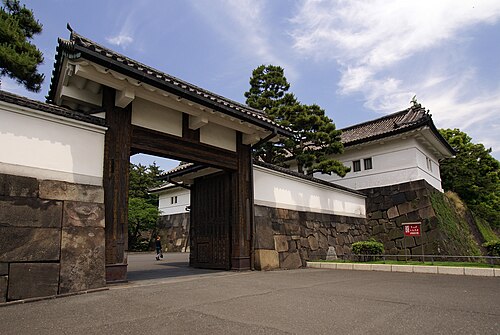
Sakurada-mon is a historic gate in Tokyo, Japan, known locally as 桜田門. It stands as a significant surviving element of Edo Castle's former fortifications.
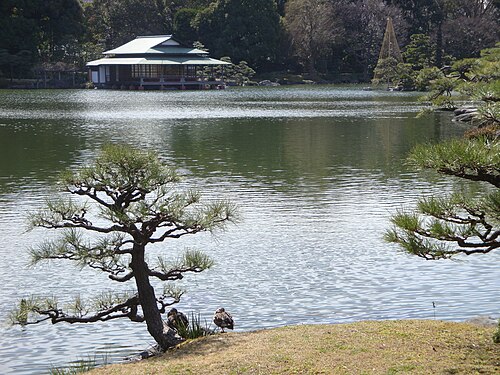
Kiyosumi Gardens is a traditional Japanese landscape garden located in the Fukagawa district of eastern Tokyo.
Inokashira Park is a public park in Tokyo, formally known as 井の頭恩賜公園. The site was bestowed upon Tokyo by the Emperor and remains a significant green space within the metropolis.
Sanjusangen-do is the main hall of Rengeo-in, a Tendai temple in the Higashiyama ward of Kyoto, a few minutes south of the Kyoto National Museum.
Chion-in is a Jodo-shu Buddhist temple in Kyoto, Japan. It serves as the headquarters of the Jodo-shu sect founded by Honen. The temple complex occupies a significant site on the slopes of Higashiyama.
Kitano Tenmangu is a Shinto shrine in Kyoto, Japan, dedicated to Sugawara no Michizane, a scholar and politician of the Heian period who was later deified as Tenjin, the god of learning.
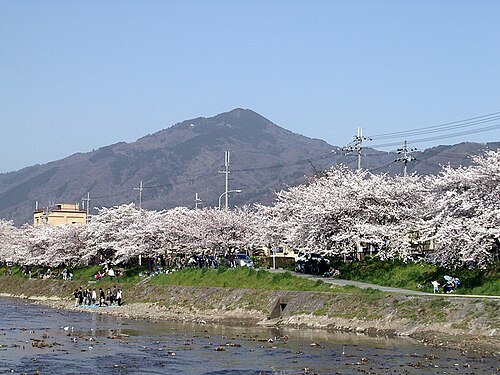
Maruyama Park is a public park located in the Higashiyama district of Kyoto, Japan. It sits at the base of the Eastern Mountains and serves as one of the city's most popular cherry blossom viewing locations.
Shiodome Freight Terminal, known locally as 旧新橋停車場, is a former railway freight facility in Tokyo. The site holds historical significance as part of Japan's rail infrastructure development.
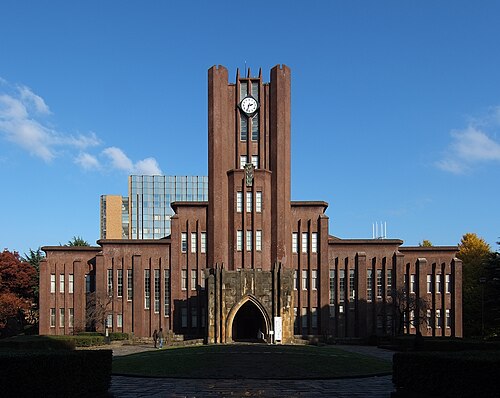
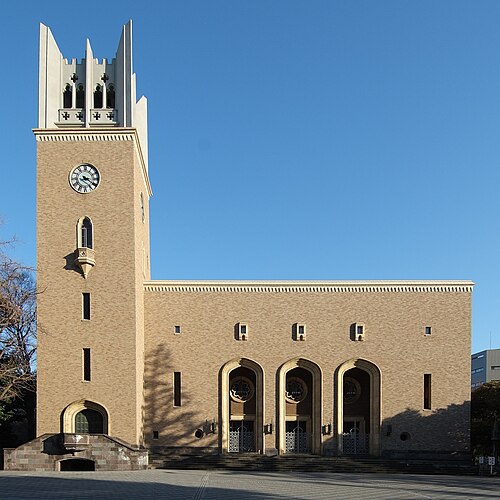
Yasuda Auditorium is a prominent auditorium building located on the Hongo campus of the University of Tokyo in Bunkyo ward.
Shosei-en Garden is a traditional Japanese garden located in Kyoto. It serves as the detached garden of Higashi Hongan-ji, one of the largest Buddhist sect headquarters in the city.
Sugamo Prison, known locally as 巣鴨プリズン跡, was a major correctional facility in Tokyo that gained international notoriety during the post-World War II period.
Yasukuni Shrine is a Shinto shrine in Tokyo, Japan. Its local name is 靖国神社. The shrine holds complex significance in Japanese history and contemporary society.
Yoyogi Park is a major public park in Tokyo, Japan. The local name is 代々木公園. It is one of the largest city parks in the metropolis and serves as a significant recreational space for residents and visitors.
Holy Resurrection Cathedral, known locally as Nikolai-do, is a Russian Orthodox cathedral in Tokyo. The local name ニコライ堂 derives from its dedication to Saint Nicholas of Japan, who introduced Orthodox Christianity to Japan in the nineteenth century.
The Battle of Uji, known locally as 以仁王の挙兵, is a historical site in Kyoto associated with the 1180 uprising led by Prince Mochihito against the Taira clan.
Shinjuku Gyoen National Garden is a large park and garden in Shinjuku, Tokyo. The local name is 新宿御苑. It occupies a significant area in one of Tokyo's busiest districts.
Kyu-Iwasaki-tei Garden is a historic garden and former estate in Tokyo, Japan. The property preserves the residence and grounds of the Iwasaki family, founders of the Mitsubishi conglomerate.
Mukojima-Hyakkaen Gardens is a historic garden located in the Mukojima area of Tokyo's Sumida Ward.
Sai-ji, known locally as Karahashi Sai-ji Park, was a major Buddhist temple in historical Kyoto. The original Sai-ji was established in the eighth century and paired with To-ji as the two guardian temples of the capital.
Kodaiji Temple is a Zen Buddhist temple in Kyoto's Higashiyama district. It was established in 1606 by Kita-no-Mandokoro, also known as Nene, in memory of her husband Toyotomi Hideyoshi, the prominent unifier of Japan.
The Japan Vertical Datum, known locally as 水準原点 (Suijun Genten), is a geodetic benchmark serving as Japan's official reference point for measuring elevation above sea level.
Ōkuma Auditorium is a prominent building on the Waseda University campus in Tokyo, Japan. Its local name is 早稲田大学大隈記念講堂. The auditorium serves as a significant venue for the university and stands as a recognizable landmark within the Shinjuku ward.
Sannenzaka is a historic stone-paved pedestrian slope in the Higashiyama district of eastern Kyoto, Japan. The name translates to Three-Year Slope, derived from a folk belief that falling here brings three years of bad luck.
Kyoto Botanical Gardens is a major botanical garden located in Kyoto, Japan. It is operated by the city of Kyoto and serves as a significant center for plant conservation, research, and public education.
Higashi Hongan-ji is a Jodo Shinshu Buddhist temple in Kyoto, serving as the headquarters of the Otani-ha branch. Founded in 1602 by Shogun Tokugawa Ieyasu, it was established to reduce the political influence of the original Hongan-ji faction.
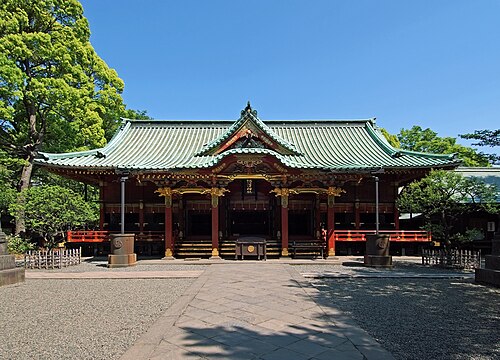
Nezu Shrine is a historic Shinto shrine in Tokyo's Bunkyo ward, among the city's oldest surviving places of worship. The local name is 根津神社.
Zojoji Temple is a Jodo-shu Buddhist temple in Minato, Tokyo. It serves as the main temple of the Jodo-shu Chinzei school of Pure Land Buddhism in the Kanto region.
Nanzen-ji is a Zen Buddhist temple in eastern Kyoto, Japan. It stands as one of the most significant temples in the city's extensive religious landscape.
Ōoku, known locally as 大奥跡, marks the site of the women's quarters in Edo Castle, the administrative heart of the Tokugawa shogunate from 1603 to 1868.
Roppongi Hills is a major urban development in Tokyo's Minato ward, centered around the Mori Tower. Opened in 2003, the complex was developed by Mori Building Company as a model for integrated urban renewal.
Kennin-ji is a historic Zen Buddhist temple located in the Higashiyama district of Kyoto, Japan. It stands as the oldest Zen temple in the city, having been founded in the early Kamakura period.
Daitoku-ji is a major Zen Buddhist temple complex in northern Kyoto, Japan. Founded in the fourteenth century, it belongs to the Rinzai school of Japanese Zen Buddhism.
Philosopher's Path is a pedestrian walkway in Kyoto, Japan, following a canal lined with cherry trees. The route connects Ginkaku-ji (Silver Pavilion) with Nanzen-ji temple precincts.
Shiodome is a major commercial and entertainment district in central Tokyo, Japan. The area was historically a terminal station for Japan National Railways and underwent significant redevelopment beginning in the late 1990s.
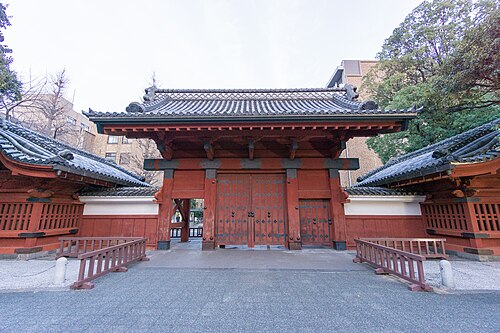
Akamon, known locally as 赤門, is a historic red gate located in Tokyo, Japan. It stands as a significant architectural landmark within the urban landscape.
Meiji Seimei Kan is a historic building in Tokyo, Japan, known locally as 明治生命館. The structure was originally constructed as the headquarters for Meiji Life Insurance Company.
Honno-ji is a temple of the Nichiren Buddhist sect located in central Kyoto.
Tsukiji Hongwanji is a Jodo Shinshu Buddhist temple located in the Tsukiji district of central Tokyo, near the former site of the Tsukiji Fish Market.
Kasai Rinkai Park is a coastal park located in the Edogawa ward of Tokyo, facing Tokyo Bay. The park was developed on reclaimed land and serves as one of Tokyo's largest public parks dedicated to marine environment appreciation and recreation.
Yumenoshima Park is a metropolitan park located in Koto Ward, Tokyo, Japan. The local name is 都立夢の島公園, indicating it is a Tokyo Metropolitan Government facility.
Mii-dera Temple, locally known as Onjo-ji, is a Tendai Buddhist temple in Otsu, Shiga Prefecture, near Kyoto. It stands as one of the four principal temples of the Tendai school.
Sumiyoshi Taisha is a major Shinto shrine in Osaka, known in Japanese as 住吉大社. It is one of Japan's oldest shrines and serves as the head shrine of approximately 2,300 Sumiyoshi shrines nationwide.
The Battle of Uji refers to multiple historic military engagements fought near the Uji River in Kyoto Prefecture, Japan. The most famous occurred in 1180 and 1184 during the Genpei War between the Minamoto and Taira clans.
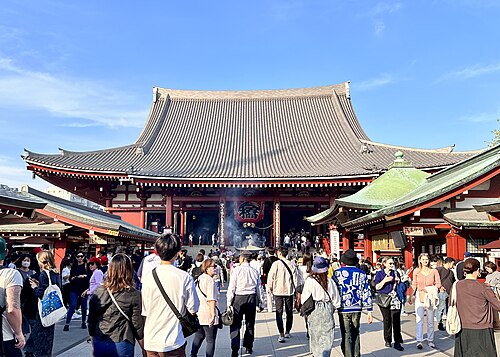
Sensō-ji is a historic Buddhist temple located in the Asakusa district of Tokyo. It is widely recognized as the city's oldest temple, with origins traditionally traced to the seventh century.
Daikaku-ji is a Shingon Buddhist temple located in the Ukyo ward of Kyoto, Japan. The temple was originally constructed in the early ninth century as a detached palace for Emperor Saga before being converted into a religious institution.
Minami-za, known locally as 南座, is a historic kabuki theatre located in Kyoto, Japan. It is recognized as the oldest extant kabuki theatre in Japan, with origins dating to the early Edo period.
Mount Atago is a mountain in Kyoto, Japan, bearing the local name 愛宕山. The mountain holds religious significance as the site of Atago Shrine, a Shinto shrine dedicated to fire prevention and safe hearth.
Mount Kurama is a forested mountain in northern Kyoto Prefecture, Japan, known for its association with the Tengu, mythical long-nosed goblins of Japanese folklore.
Source: OpenStreetMap contributors, Wikidata ·
Ten to fourteen days supports four or five days in Tokyo, three or four in Kyoto, and two or three in Osaka. Add Nara or Himeji only after those bases have enough time, and avoid turning every rail stop into a hotel change.
Japan's visa exemption or visa requirement depends on passport and travel purpose. Confirm the current rule through Japan's Ministry of Foreign Affairs or the embassy responsible for the traveller's residence.
The Tokaido Shinkansen links Tokyo, Kyoto, and Osaka, while local rail and buses cover city travel. An IC card simplifies many local journeys but does not replace every reserved long-distance ticket, and luggage forwarding can reduce friction between bases.
March to May and October to November are broad options for the main-island route, with blossom and autumn periods creating concentrated demand. Confirm regional weather and reservations for the exact cities rather than assuming one national season behaves uniformly.
Japan uses the yen (JPY). Electronic payment is common but not universal, so carry some yen for smaller businesses, ticket machines, or rural transport without assuming that one stored-value card works for every purchase.
Japan's emergency numbers are 110 for police and 119 for fire or ambulance. Type A sockets operate at 100 V, which is lower than in the other wave-A countries, and mains tap water is recorded as safe.