.JPG)

.jpg)
.jpg)
.jpg)
.jpg)
17 min walk
Yasukuni Shrine
- Must see
- Place of worship
Language · 1 published
Nature site · Tokyo
小石川後楽園

Koishikawa Kōrakuen is a historic Japanese garden in Bunkyō Ward, Tokyo. Its local name is 小石川後楽園. The garden is recognized as a Special Historic Site and Special Place of Scenic Beauty by the national government. It belongs to the daimyō garden tradition, originally created for a feudal lord's residence during the Edo period. The garden incorporates elements of both Japanese and Chinese landscape design philosophy. It remains under the management of the Tokyo Metropolitan Government as public parkland. The site preserves classical garden architecture including teahouses, bridges, and artificial hills around a central pond system.
Checked 2026-08-26
The garden contains a large central pond with multiple islands and bridges. Notable structures include the Engetsu-kyō full-moon bridge and several historic teahouses. The garden reproduces famous scenic landscapes in miniature, including references to Chinese and Japanese literary sites. Seasonal plantings include plum, cherry, and maple trees. Walking paths circuit the water features and ascend constructed hills. Stone arrangements, lanterns, and water gates appear throughout. The design employs borrowed scenery techniques incorporating views of nearby structures. The garden maintains traditional maintenance practices including periodic dredging and pruning regimens.
Checked 2026-08-26
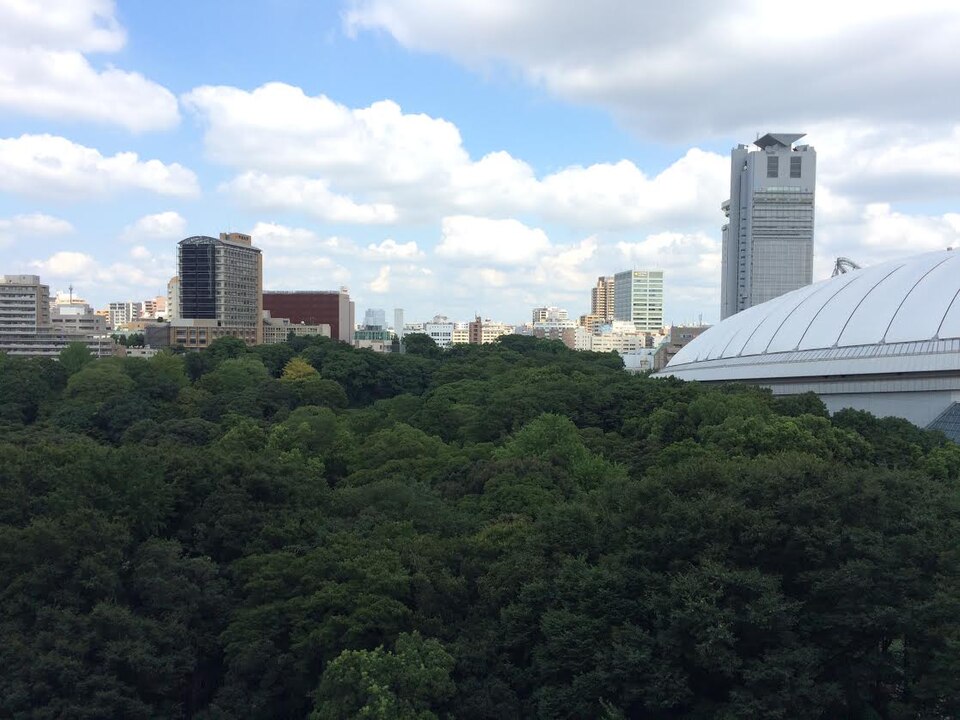
Visitors typically allocate between sixty and ninety minutes for a complete circuit of the garden paths at a contemplative pace. The walking route covers the full perimeter of the central pond and ascends several vantage points. Photography stops and bench rests extend duration. The compact layout permits meaningful engagement without requiring half-day commitment. Return visits across seasons reward observers with substantially altered landscape character. Morning visits before adjacent school and commuter activity increase tranquility. Combined itineraries with nearby Tokyo Dome City or the Koishikawa Botanical Gardens require additional scheduling.
Checked 2026-08-26

The garden operates year-round with seasonal variations in landscape character. Spring cherry blossom and autumn maple foliage represent peak visitation periods. Summer lotus flowering and winter plum blossoms offer alternative seasonal draws. Morning light provides favorable conditions for photography and reduced crowding. Operator-confirmed hours are Not recorded pending review. Visitors should consult official Tokyo Metropolitan Government park information before planning arrival. Weather conditions affect path accessibility following heavy precipitation. Typhoon season may prompt temporary closure decisions by municipal authorities.
Checked 2026-08-26
Admission is required for garden entry. Operator-confirmed prices are Not recorded pending review. The Tokyo Metropolitan Government sets fee structures for municipal parks and historic sites. Standard categories typically include adult, senior, and student rates with potential group discounts. Annual passes for multiple metropolitan gardens may offer economic advantage for repeated visitation. Payment methods at municipal facilities generally include cash and increasingly electronic options. Visitors should verify current fee schedules through official channels before arrival. Free admission days may apply on designated municipal park promotion dates.
Checked 2026-08-26
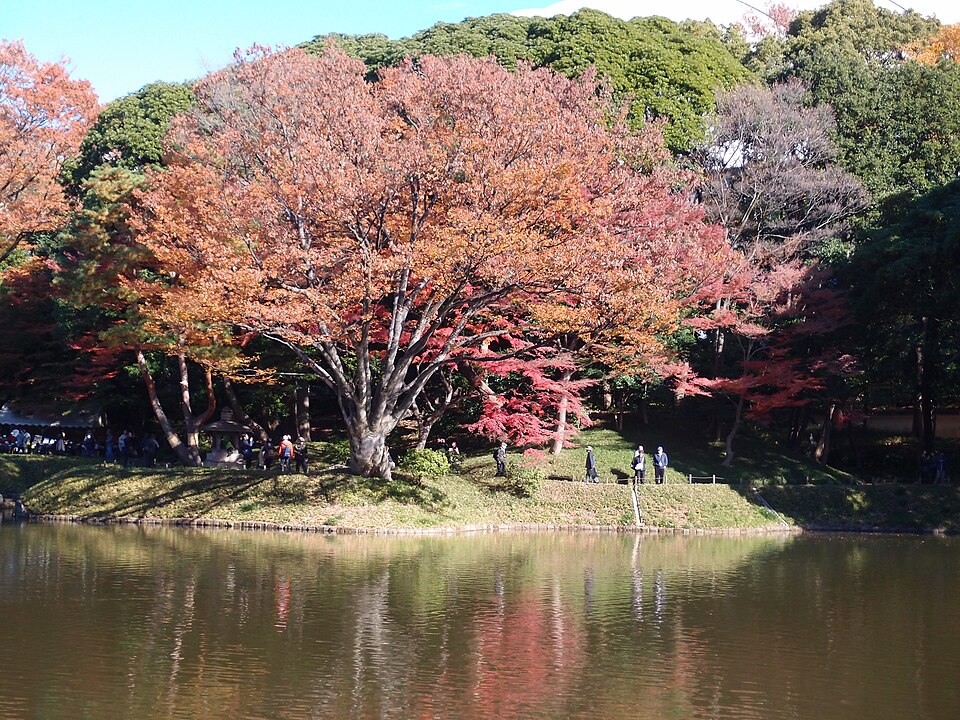
The garden is accessible via multiple rail stations in the Bunkyō and Chiyoda ward area. Iidabashi Station serves JR East, Tokyo Metro, and Toei Subway lines with walking approach from multiple exits. Kōrakuen Station on the Tokyo Metro Marunouchi and Namboku lines provides nearby alternative access. Suidōbashi Station offers additional JR and subway connectivity. Surface approach requires navigating elevated expressway infrastructure and institutional building complexes. Signage in Japanese and English directs pedestrians from station vicinities. The garden lacks dedicated parking, discouraging private vehicle arrival in this dense urban district.
Checked 2026-08-26

Garden paths include uneven stone surfaces, bridges without handrails, and earthen slopes becoming slippery when wet. Appropriate footwear supports safe navigation. The pond edges lack continuous protective barriers in traditional garden style. Children require close supervision near water features. Mosquito presence increases during humid summer months. Limited shelter exists during sudden rainfall events. Some historic structures permit exterior viewing only with entry restrictions. Photography for commercial purposes may require advance permission. Respectful conduct preserves the contemplative atmosphere including voice moderation and prohibition of food consumption outside designated areas.
Checked 2026-08-26
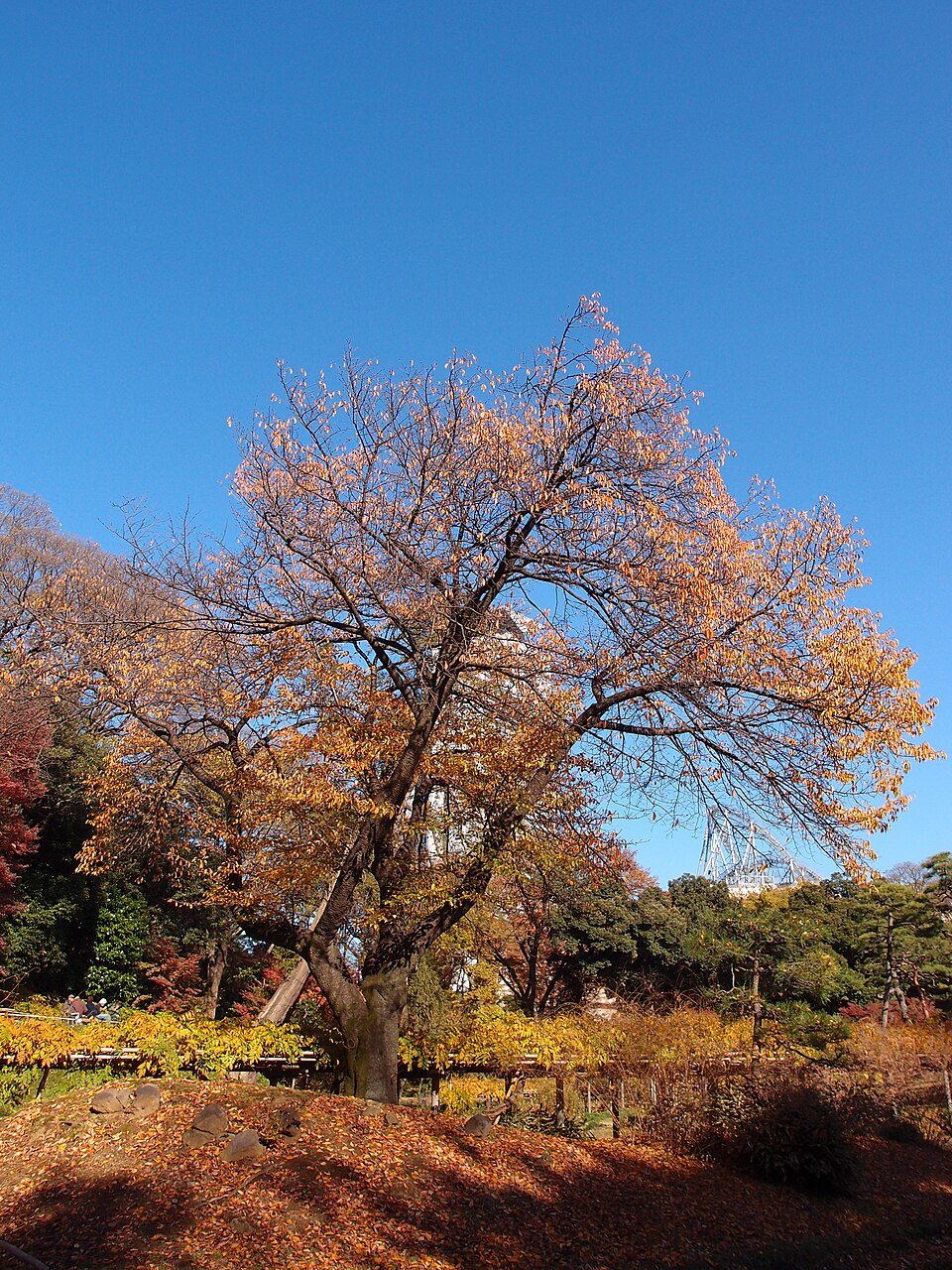
The Engetsu-kyō bridge reflection in still water constitutes the iconic photographic composition. Morning directional light illuminates the primary structures favorably. Overcast conditions reduce harsh contrast across water surfaces and stone textures. Tripod usage may face restriction during crowded conditions or require staff consultation. Seasonal floral elements provide foreground interest against architectural elements. The constructed hills offer elevated vantage points across the pond system. Panoramic documentation captures the garden's integration with surrounding urban context. Visitors should remain on designated paths rather than disturbing plantings for improved angles. Commercial or publication photography requires advance authorization from park administration.
Checked 2026-08-26
The garden predates Tokyo Dome and its antecedent Korakuen Stadium by centuries. The stadium name derived from the garden, not conversely. Both occupy the broader Koishikawa district.
The garden generally remains open during light precipitation. Paths become hazardous when saturated. Umbrellas are permitted. Severe weather may prompt closure at operator discretion.
English-language guided tour availability is Not recorded pending review. Self-guided exploration with posted explanatory signage represents the standard visitor experience.
Historic garden paths with stone surfaces, bridges, and earthen hills present accessibility challenges. Complete circuit traversal may prove difficult for mobility-limited visitors. Specific accommodation details are Not recorded pending review.
The garden maintains historic structures consistent with its daimyō garden origins. Specific construction dates and authenticity status of individual buildings are Not recorded pending review.
Consumption within the garden is generally restricted to preserve landscape cleanliness and visitor atmosphere. Specific designated eating areas if any are Not recorded pending review.
Loading the interactive map…
The interactive map could not be loaded.
Last updated:
Source: OpenStreetMap contributors, Wikidata ·