


3 min walk
Tsukiji fish market
- Must see
- Market
Language · 1 published
Place of worship · Tokyo
築地本願寺

| Monday | 09:00 – 21:00 |
|---|---|
| Tuesday | 09:00 – 21:00 |
| Wednesday | 09:00 – 21:00 |
| Thursday | 09:00 – 21:00 |
| Friday | 09:00 – 21:00 |
| Saturday | 09:00 – 21:00 |
| Sunday | 09:00 – 21:00 |
Parsed from OpenStreetMap opening hours on 2026-08-26.
Tsukiji Hongwanji is a Jodo Shinshu Buddhist temple located in the Tsukiji district of central Tokyo, near the former site of the Tsukiji Fish Market. The temple serves as the Tokyo headquarters of the Jodo Shinshu Hongwanji-ha denomination. Its distinctive architecture features an Indian Buddhist style with stone construction, ornate carvings, and a prominent pipe organ, distinguishing it from typical Japanese wooden temple designs. The temple grounds occupy a significant urban footprint amid Tokyo's dense commercial environment. Tsukiji Hongwanji also earns time in a tokyo itinerary because Tokyo production has zero POIs assigned through city_place_id, so no identifier or coordinate is inferred. Its value becomes clearer when the stop is compared with the surrounding streets and the other ranked places nearby.
Checked 2026-08-26
The main hall contains the temple's principal objects of worship and accommodates large congregations for religious services. A notable feature is the large pipe organ installed within the worship space, used for musical performances and ceremonies. The interior includes stained glass elements and decorative motifs reflecting the Indian-influenced architectural theme. The temple complex contains administrative facilities for the denomination's Tokyo operations. Additional structures on the grounds support the temple's religious, cultural, and community functions. The specific contents of auxiliary buildings are Not recorded.
Checked 2026-08-26
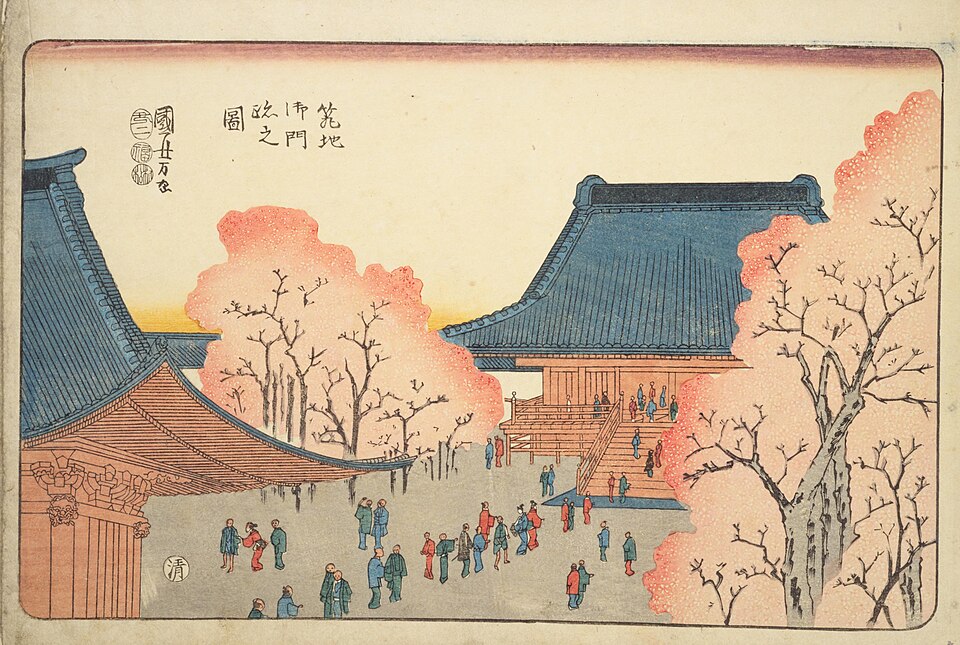
A typical visitor's exploration of Tsukiji Hongwanji's exterior and main hall interior requires approximately thirty to sixty minutes, depending on individual pace and interest in architectural details. Those attending religious services or musical performances should allocate additional time accordingly. The surrounding Tsukiji district offers complementary attractions, including the Tsukiji Outer Market, which visitors often combine with their temple visit. No guided tour duration is specified in available sources. Personal contemplation or photography may extend the visit beyond minimum estimates.
Checked 2026-08-26

Operator-confirmed hours are Not recorded pending review. Visitors should consult the temple's official communications or contact administrators directly before planning their visit. The temple's religious calendar includes regular services and special ceremonies that may affect accessibility for tourists. Seasonal considerations for Tokyo generally include spring cherry blossom periods and autumn foliage as popular visiting times, though these do not specifically affect temple operations. Weather protection is advisable during Japan's rainy season in early summer and typhoon periods in late summer through autumn.
Checked 2026-08-26
Operator-confirmed prices are Not recorded pending review. As a functioning religious institution, Tsukiji Hongwanji may not charge standard admission fees for general temple grounds access, which is common practice for Japanese Buddhist temples. Donation boxes for voluntary contributions are typically present. Special events, concerts utilizing the pipe organ, or exhibitions may involve separate ticketing arrangements. Visitors should verify current policies through official channels. Cash remains the predominant payment method in Japan for incidental transactions, though specific temple facilities may vary.
Checked 2026-08-26

Tsukiji Hongwanji is accessible via Tokyo's extensive public transportation network. The nearest stations include Tsukiji Station on the Tokyo Metro Hibiya Line and Tsukijishijo Station on the Toei Oedo Line, both within reasonable walking distance. Multiple bus routes serve the Tsukiji district. The temple's proximity to the former Tsukiji Fish Market location means it features in established tourist walking patterns. Taxis and ride services provide alternative access. Cycling is feasible though parking availability is Not recorded. Walking from nearby Ginza district is possible for able visitors.
Checked 2026-08-26
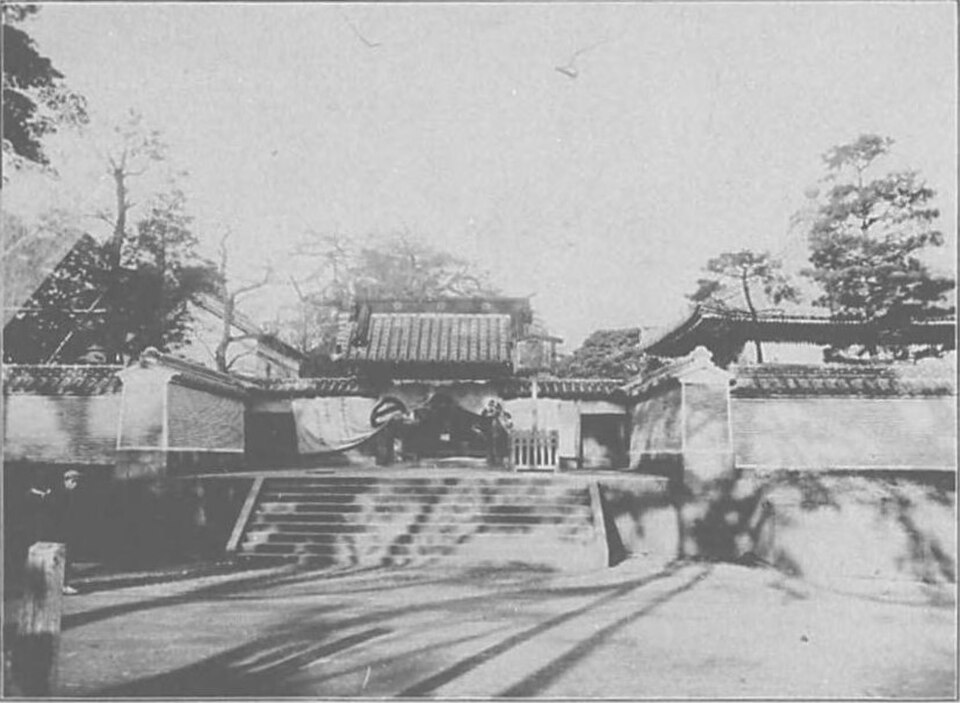
Visitors should observe standard etiquette for Japanese religious sites: speak quietly, refrain from disruptive behavior, and follow any posted instructions regarding photography or access restrictions. The temple remains an active place of worship; tourists may encounter funeral services or private ceremonies with limited access. Footwear protocols for interior spaces should be observed where indicated. The surrounding Tsukiji area experiences significant pedestrian traffic, particularly during morning market hours. Accessibility features for visitors with mobility limitations are Not recorded. Emergency procedures and multilingual assistance availability are not documented in supplied sources.
Checked 2026-08-26
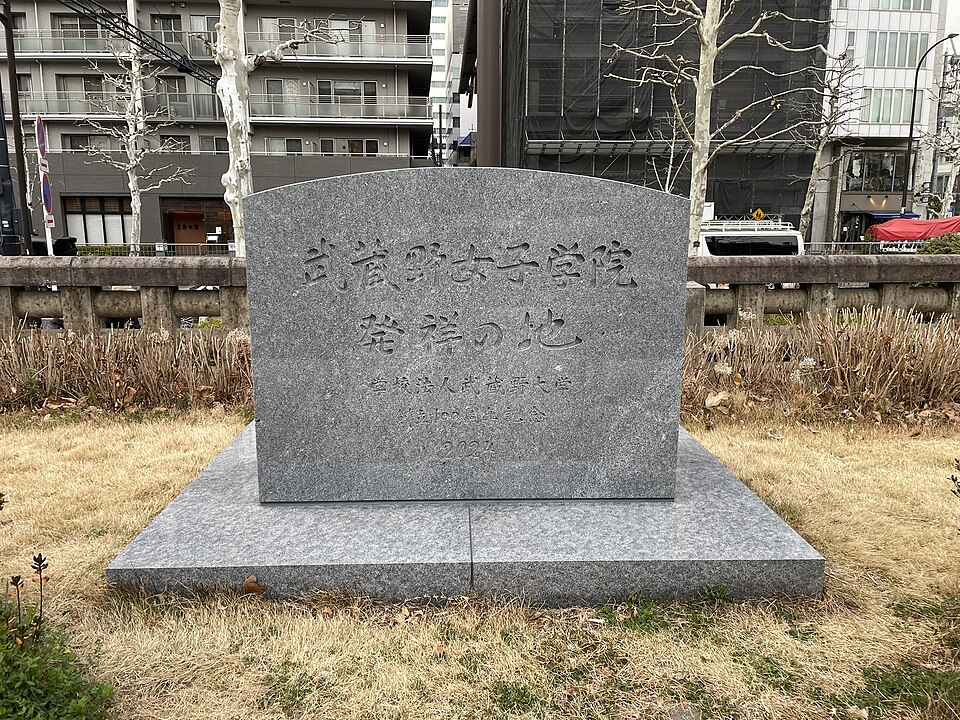
Photography policies at Tsukiji Hongwanji are Not recorded in supplied sources. Visitors should assume restrictions may apply within the main worship hall and observe posted signage or staff guidance. The distinctive exterior architecture, including the stone facade and ornamental details, presents photographic subjects from public thoroughfares. Interior lighting conditions for the stained glass and pipe organ are unknown. Tripod and flash usage likely requires explicit permission. Commercial or professional photography may involve separate protocols. Drone operation would be subject to Japanese aviation regulations and temple property restrictions.
Checked 2026-08-26
The temple is located in the Tsukiji district near the former inner market site, but it is a separate religious institution with no operational connection to the fish market, which relocated to Toyosu in 2018.
The temple employs an Indian Buddhist architectural style with stone construction, contrasting with the traditional wooden structures common in Japanese temple design. This includes ornate exterior carvings and stained glass elements.
Specific performance schedules are Not recorded. The pipe organ is installed in the main hall and used for ceremonies and concerts, but visitors should verify current programming through official temple channels.
Operator-confirmed prices are Not recorded pending review. Most Japanese Buddhist temples do not charge entry fees for general grounds access, though voluntary donations are customary and special events may require tickets.
Tsukiji Station on the Tokyo Metro Hibiya Line and Tsukijishijo Station on the Toei Oedo Line are the nearest rail stations, both within walking distance of the temple grounds.
Availability of English signage, pamphlets, or guided services is Not recorded in supplied sources. Visitors should inquire directly with temple administration regarding multilingual support.
Loading the interactive map…
The interactive map could not be loaded.
Last updated:
Source: OpenStreetMap contributors, Wikidata ·