
.jpg)
.jpg)


13 min walk
Kyu-Furukawa Gardens
- Must see · Heritage site
- Nature site
Language · 1 published
Historic monument · Tokyo
六義園
| Monday | 09:00 – 17:00 |
|---|---|
| Tuesday | 09:00 – 17:00 |
| Wednesday | 09:00 – 17:00 |
| Thursday | 09:00 – 17:00 |
| Friday | 09:00 – 17:00 |
| Saturday | 09:00 – 17:00 |
| Sunday | 09:00 – 17:00 |
Parsed from OpenStreetMap opening hours on 2026-08-26.
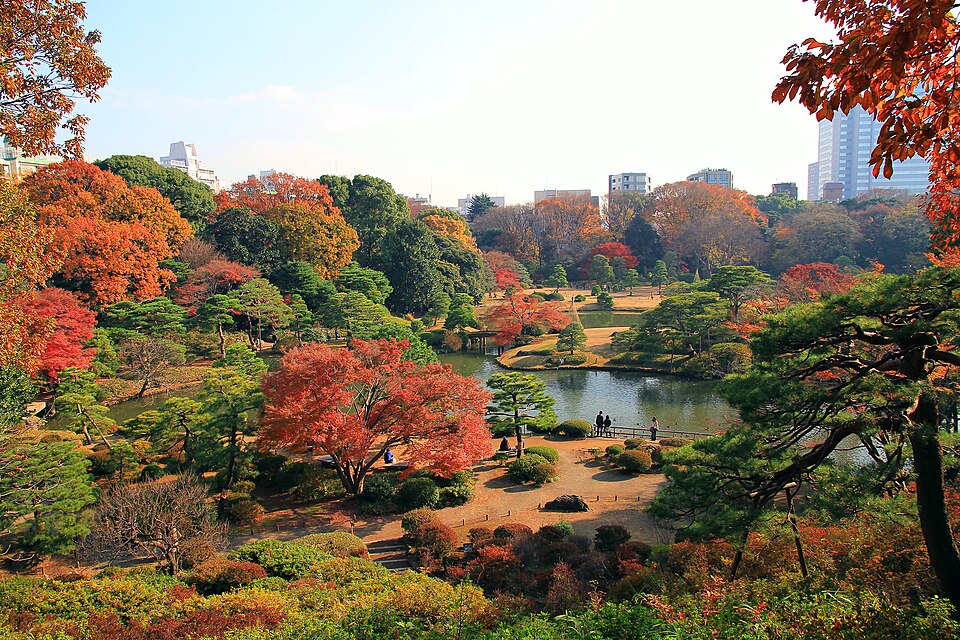
Rikugien Gardens, known locally as 六義園, is a historic Japanese landscape garden in Tokyo. The garden follows the principles of kaiyushiki teien, a strolling garden style designed around a central pond with multiple viewpoints. It was created during the Edo period and represents famous scenes from classical Chinese and Japanese poetry. The name derives from the six categories of waka poetry defined in the preface to the Kokin Wakashu anthology. The garden exemplifies the daimyo garden tradition of feudal lords.
Checked 2026-08-26
The garden features a large central pond with islands and carefully positioned rocks, surrounded by walking paths that reveal composed views at specific points. Traditional garden architecture includes teahouses where visitors may pause during their circuit. The terrain incorporates artificial hills that create varied elevation and sightlines. Mature trees, including notable specimens, shape the seasonal character of the landscape. The design intentionally frames borrowed scenery from the surrounding environment. Water elements include streams feeding the main pond. The overall composition prioritizes literary and poetic allusion over naturalistic recreation.
Checked 2026-08-26

Visitors typically allocate between thirty minutes and one hour for a complete circuit of the garden paths, though duration varies considerably with individual pace and interest. Those engaging with the garden's literary references and composed viewpoints may prefer extended contemplation at designated rest areas. Photography enthusiasts often require additional time to capture views in favorable light conditions. The walking distance is moderate and suitable for most fitness levels, with paths that accommodate leisurely progression. Seasonal conditions, particularly during autumn foliage or spring flowering periods, may extend typical visits due to heightened visual interest throughout the route.
Checked 2026-08-26

The garden presents distinct seasonal character throughout the year, with spring cherry blossoms and autumn foliage drawing particular visitor attention. Illumination events are sometimes held during peak autumn color periods, though specific scheduling varies annually. Summer offers lush greenery and shaded pathways, while winter reveals structural elements of the garden design. Morning and late afternoon light generally provide optimal conditions for appreciating composed views and photography. Operator-confirmed hours are Not recorded pending review. Visitors should consult official sources before planning visits, as seasonal schedules and any special access arrangements require direct verification with current management.
Checked 2026-08-26
Admission to Rikugien Gardens requires payment of an entrance fee at the gate. Reduced rates may apply for designated demographic categories according to standard Japanese public garden policies, though specific eligibility and documentation requirements are not established in available sources. Annual passes or combined ticketing with other municipal cultural facilities may be offered. Group rates potentially apply with advance arrangement. Operator-confirmed prices are Not recorded pending review. Visitors should carry sufficient cash, as not all public gardens in Tokyo maintain card payment facilities. Current fee structures must be verified directly with garden administration or official tourism channels before visit planning.
Checked 2026-08-26

Rikugien Gardens is located in the Bunkyo ward of Tokyo, accessible via multiple rail and subway stations in the surrounding area. Komagome Station on the JR Yamanote Line and Tokyo Metro Namboku Line provides the most commonly referenced access point, with walking distance from the station exits. Sengoku Station on the Toei Mita Line offers alternative approach from a different direction. Surface streets connect the garden to neighborhood bus routes. The immediate vicinity consists of residential and low-rise commercial streets without dedicated visitor parking, making public transportation the practical choice for most visitors. Wayfinding signage in Japanese assists navigation from stations.
Checked 2026-08-26

Garden paths include sections with irregular surfaces, steps, and changes in elevation that require appropriate footwear and attention to footing, particularly during wet conditions. The pond edges lack protective barriers in many areas, presenting fall risk for children and inattentive visitors. Mosquito activity occurs during warmer months in the vegetated and watered environment. Limited shelter exists during rain events along the walking circuit. The garden maintains quiet atmosphere expectations; loud conversation and disruptive behavior conflict with the contemplative purpose of the space. Some interior structures may restrict access or require additional protocols. Visitors with mobility limitations should assess path conditions before committing to the full circuit.
Checked 2026-08-26

The composed viewpoints along the garden path offer structured photographic opportunities emphasizing pond reflections, garden architecture, and framed natural elements. Tripod use may be restricted or require permission, consistent with policies at comparable Japanese cultural sites. Commercial or staged photography, including wedding portraits, typically requires advance arrangement and possible fees. Autumn illumination periods present challenging low-light conditions that reward patient technique. Morning hours generally provide calmer water surfaces for reflection shots before wind disturbance increases. The garden's literary design rewards photographers who study viewpoint positioning rather than capturing general scenes. Respect for other visitors' uninterrupted experience should govern equipment setup and positioning.
Checked 2026-08-26
Not recorded. The garden path system includes steps and uneven surfaces that may present barriers. Visitors requiring accessibility accommodation should contact garden administration directly for current conditions and any available alternative routes.
Not recorded. Traditional gardens of this type sometimes include teahouses with limited service, but specific current offerings are not confirmed. Visitors may wish to consume refreshments before entry or locate nearby neighborhood establishments.
Not recorded. Japanese public gardens typically restrict pets, with possible exceptions for assistance animals. Visitors should verify current policy directly with garden management before bringing animals to the entrance.
Not recorded. Audio guide devices, printed materials, or scheduled guided tours in non-Japanese languages are not confirmed in available sources. Self-guided exploration with advance research on the garden's literary references may substitute.
Not recorded. Outdoor gardens generally remain open during light precipitation, though extreme weather may prompt temporary closure. Visitors should check operational status directly with garden administration during adverse conditions.
Not recorded. Public cultural facilities in Japan typically maintain restroom infrastructure, but specific locations, accessibility features, and maintenance standards within this garden are not confirmed in available sources.
Loading the interactive map…
The interactive map could not be loaded.
Last updated:
Source: OpenStreetMap contributors, Wikidata ·