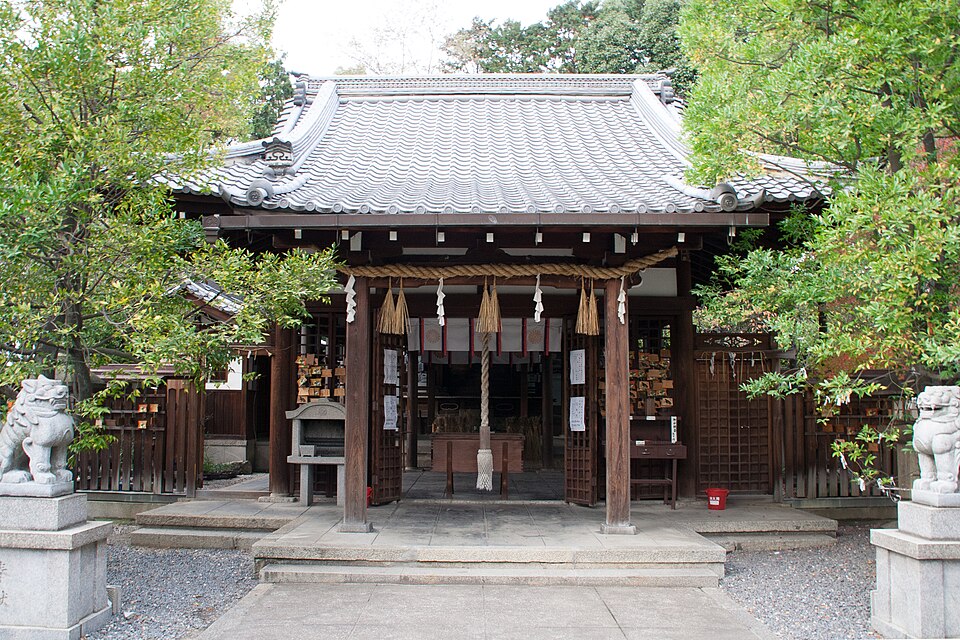
11 min walk
Imakumano Shrine
- Notable
- Place of worship
Language · 11 published
Place of worship · Kyoto
東福寺
| Monday | 08:30 – 16:30 |
|---|---|
| Tuesday | 08:30 – 16:30 |
| Wednesday | 08:30 – 16:30 |
| Thursday | 08:30 – 16:30 |
| Friday | 08:30 – 16:30 |
| Saturday | 08:30 – 16:30 |
| Sunday | 08:30 – 16:30 |
Parsed from OpenStreetMap opening hours on 2026-08-26.
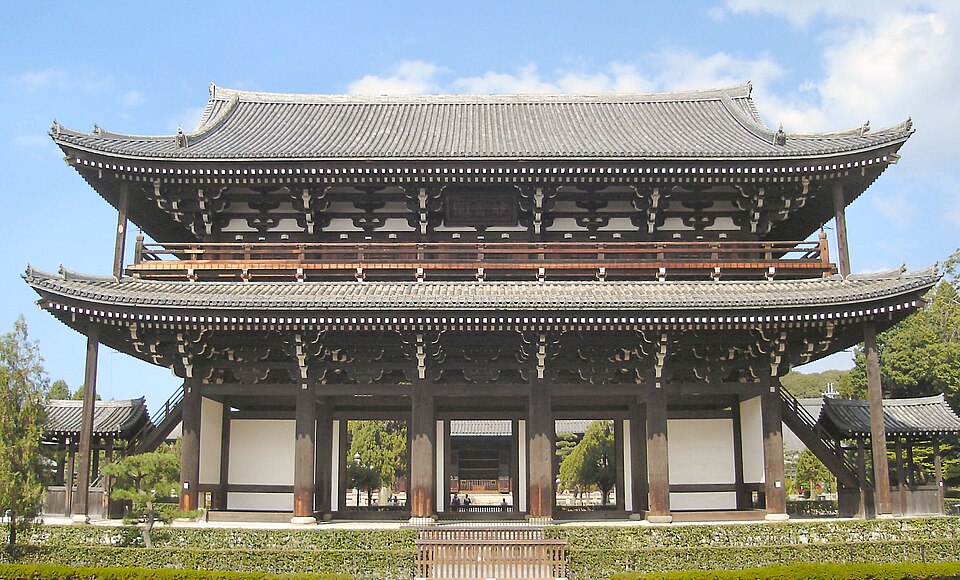
Tofuku-ji is a Rinzai Zen Buddhist temple in southeastern Kyoto. Founded in 1236 by the statesman Kujo Michiie, it took its name from combining characters from Todai-ji and Kofuku-ji in Nara. The temple complex sits in the Higashiyama foothills and serves as the head temple of the Tofuku-ji branch of Rinzai Zen. Its grounds encompass extensive moss gardens, subtemples, and wooded hillside areas. The temple holds significant historical importance in Japanese Zen Buddhism and remains an active religious institution with regular practice.
Checked 2026-08-26
The temple grounds contain multiple subtemples including Funda-in, Reiun-in, and Ryogen-in, each with distinct garden styles. The main hall complex features traditional Zen architecture. The Tsuten-kyo Bridge spans a valley and offers seasonal views. The Hojo, or abbot's quarters, contains gardens attributed to notable designers. Moss gardens cover substantial areas of the compound. The Sanmon gate stands as one of Japan's oldest surviving Zen temple gates. Various structures demonstrate medieval and early modern Japanese temple construction techniques. The compound integrates built structures with natural topography.
Checked 2026-08-26

Visitors typically allocate between sixty to ninety minutes for the main temple precinct. Those intending to enter multiple subtemples should extend this estimate substantially, as each charges separate admission and contains distinct gardens requiring individual attention. The hillside terrain involves elevation changes and numerous stone pathways that slow walking pace. Photography enthusiasts and garden contemplation practitioners often spend longer periods. The bridge viewpoint alone can absorb fifteen to twenty minutes during peak foliage periods when visitor congestion increases waiting times. Tofuku-ji also earns time in a kyoto itinerary because WIKIDATA_PRODUCTION reconciliation for the ranked entry; identity and coordinates were verified without a nearby fallback. Its value becomes clearer when the stop is compared with the surrounding streets and the other ranked places nearby.
Checked 2026-08-26

Autumn foliage season attracts substantial domestic and international visitation, creating crowded conditions throughout October and November. Spring brings fresh greenery and moderate temperatures. Summer months experience humidity and fewer visitors. Winter offers sparse scenery with minimal crowds. Operator-confirmed hours are Not recorded pending review. Visitors should verify current seasonal schedules before travel, as temple compounds in Kyoto frequently adjust access times throughout the year. Early morning arrival generally provides reduced congestion regardless of season. Weather conditions affect garden aesthetics and pathway safety.
Checked 2026-08-26
The main temple compound and Tsuten-kyo Bridge area require admission payment. Individual subtemples maintain separate entrance fees. Operator-confirmed prices are Not recorded pending review. Visitors should carry sufficient cash, as rural temple locations in Kyoto frequently lack card payment infrastructure. Combination arrangements across multiple subtemples are not typically offered. Budget-conscious visitors must prioritize which areas to enter. Some peripheral temple grounds remain accessible without charge. Current pricing structures should be verified immediately before visitation through official sources or on-site signage.
Checked 2026-08-26

Tofuku-ji sits approximately ten minutes walk from Tofuku-ji Station on the JR Nara Line and Keihan Main Line. The station provides the most direct rail access from central Kyoto. Bus services connect from Kyoto Station and other major transit points, though frequency and routes require current verification. Walking from nearby temples in the Higashiyama district is feasible for active visitors. The approach from the station involves moderate uphill gradients. Signage in Japanese and English assists navigation from transit points to the temple entrance.
Checked 2026-08-26
The Tsuten-kyo Bridge and hillside pathways become extremely crowded during peak autumn foliage, creating movement difficulties and prolonged waiting. Steep stone stairs and uneven surfaces present slip hazards, particularly in wet conditions. The temple remains an active religious site; visitors should maintain appropriate decorum near worship areas. Photography restrictions apply within certain buildings and gardens. Limited shelter exists during rain. Mobile telephone reception may be inconsistent in valley areas. Visitors with mobility limitations should assess pathway conditions carefully before committing to full circuit routes.
Checked 2026-08-26
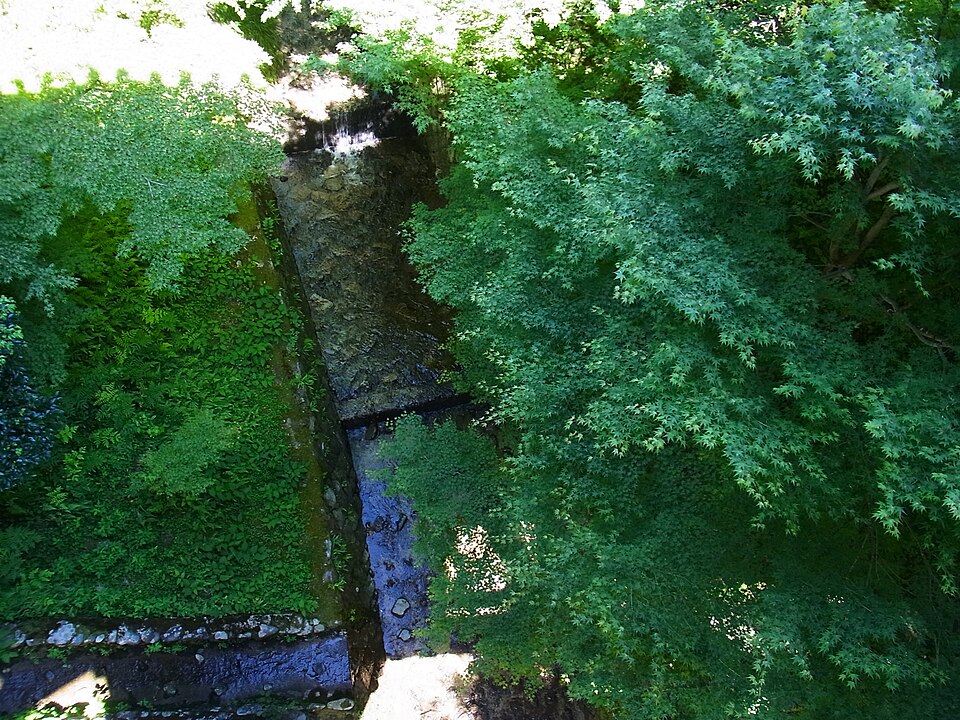
The Tsuten-kyo Bridge provides the most frequently photographed perspective, capturing valley foliage in autumn. Garden photography opportunities exist throughout the subtemple compounds, though tripods and professional equipment may face restrictions. Interior photography is typically prohibited within temple halls. Morning light conditions vary seasonally due to surrounding hillside topography. Overcast conditions benefit moss garden detail capture. Peak foliage periods create challenging conditions due to crowds and backlit scenarios. Visitors should observe posted restrictions and refrain from disruptive positioning for personal photographs in congested areas.
Checked 2026-08-26
The terrain involves significant elevation changes, stone pathways, and stairs throughout the compound. Full accessibility is limited by these physical characteristics. Visitors with mobility considerations should evaluate current conditions on arrival.
No. Individual subtemples maintain separate admission systems. Visitors must pay at each location they wish to enter. Budget and time allocation should account for this structure.
Certain exterior viewpoints exist, though the most celebrated perspectives from Tsuten-kyo Bridge require paid admission. Specific current access arrangements should be verified on-site.
Not recorded. Visitors should not assume on-site food availability and may wish to carry water and snacks, particularly during extended visits across multiple subtemples.
Tofuku-ji generally receives fewer visitors than Kiyomizu-dera, though autumn foliage periods create exceptions with substantial congestion. Relative calm is more likely outside peak seasonal windows.
Basic English signage assists with navigation. Detailed historical and religious explanations may be limited. Visitors seeking comprehensive background should consult external sources before arrival.
Loading the interactive map…
The interactive map could not be loaded.
Last updated:
Source: OpenStreetMap contributors, Wikidata ·


.jpg)
.jpg)


