2 min walk
Sumida Aquarium
- High
- Family attraction
Language · 11 published
Historic monument · Tokyo
東京スカイツリー
| Monday | 08:00 – 22:00 |
|---|---|
| Tuesday | 08:00 – 22:00 |
| Wednesday | 08:00 – 22:00 |
| Thursday | 08:00 – 22:00 |
| Friday | 08:00 – 22:00 |
| Saturday | 08:00 – 22:00 |
| Sunday | 08:00 – 22:00 |
Parsed from OpenStreetMap opening hours on 2026-08-26.
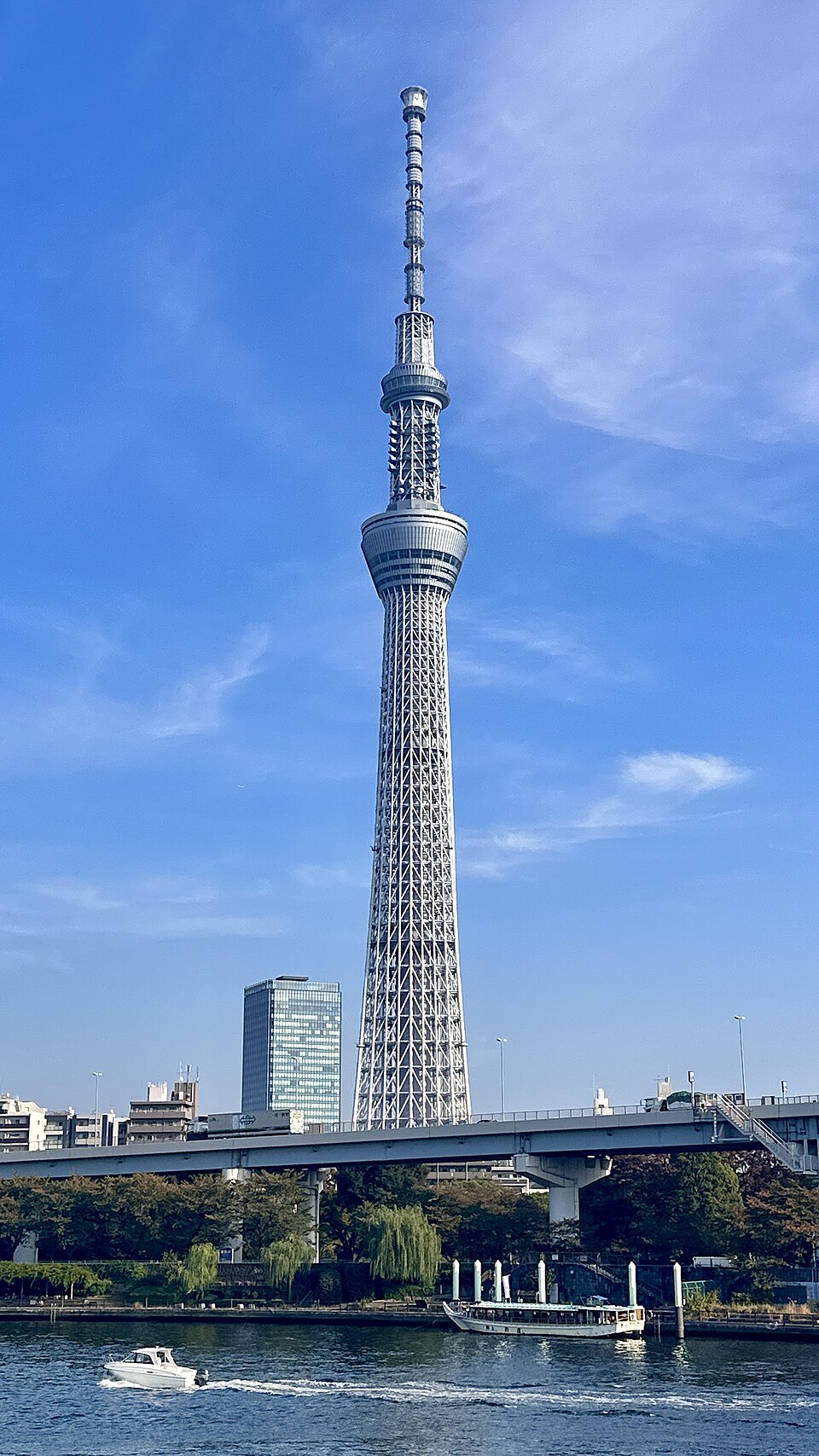
Tokyo Skytree is a broadcasting and observation tower in Sumida, Tokyo. It serves as the primary structure for digital terrestrial television broadcasting in the Kantō region. The tower is a prominent landmark on the Tokyo skyline and has become a significant destination for visitors. Its design incorporates traditional Japanese architectural concepts with modern engineering. The structure is visible from many parts of the city and has influenced the surrounding urban development. The area at its base includes commercial facilities. The tower represents a major infrastructure investment by broadcasting organizations and has changed the visual character of eastern Tokyo since its completion.
Checked 2026-08-26
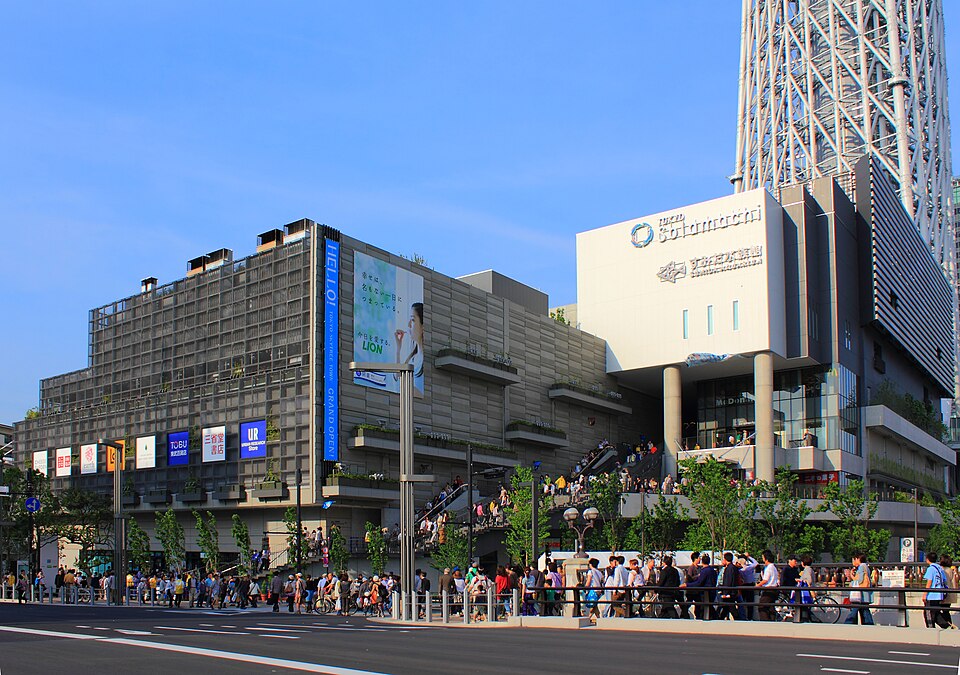
The tower contains observation decks at multiple heights, offering views across the metropolitan area. These decks include indoor viewing spaces and some outdoor segments. The lower levels feature retail spaces, restaurants, and an aquarium in the adjacent commercial complex. There are exhibition areas related to the tower's construction and broadcasting functions. The Tembo Deck and Tembo Galleria provide the main visitor experiences at elevation. The commercial facilities at ground level include shops and dining options. The tower also contains broadcasting equipment and technical facilities not accessible to the public. The overall complex integrates entertainment, retail, and infrastructure functions.
Checked 2026-08-26

A typical visit to the observation decks requires several hours when including queuing and time spent at each level. Visitors should allocate additional time if intending to explore the retail and dining facilities at the base. The experience involves security screening and elevator transit time. Peak periods involve extended waiting before deck access. The surrounding commercial district warrants separate consideration for time allocation. Photography and observation activities vary considerably by individual preference. Restaurant dining at elevation requires advance planning and additional time commitment. The complete experience from arrival through departure commonly extends beyond half a day for thorough visitors.
Checked 2026-08-26

The tower operates throughout the year, though operator-confirmed hours are Not recorded pending review. Weather conditions significantly affect the observation experience, with clear days offering superior visibility. Seasonal variations in daylight hours influence the timing of visits for optimal views. Evening visits provide illuminated cityscape perspectives. Holiday periods and weekends experience substantially higher visitor volumes. Typhoon season may affect operations and visibility. Advance checking of conditions is advisable. The surrounding area hosts seasonal events that may influence visit timing. Morning periods typically offer reduced crowding compared to afternoon and evening hours.
Checked 2026-08-26
Admission to the observation decks requires purchase of entry tickets, though operator-confirmed prices are Not recorded pending review. Multiple ticket categories may exist for different deck levels. Advance reservation systems operate for certain visit types. Combination tickets with adjacent facilities may be available. Group rates and special provisions may apply for designated visitor categories. Payment methods and purchase locations vary. Online advance purchase is commonly practiced by visitors. Ticket availability may be restricted during peak demand periods. Refund and modification policies apply to purchased tickets. Verification of current pricing and terms requires direct inquiry with official sources.
Checked 2026-08-26
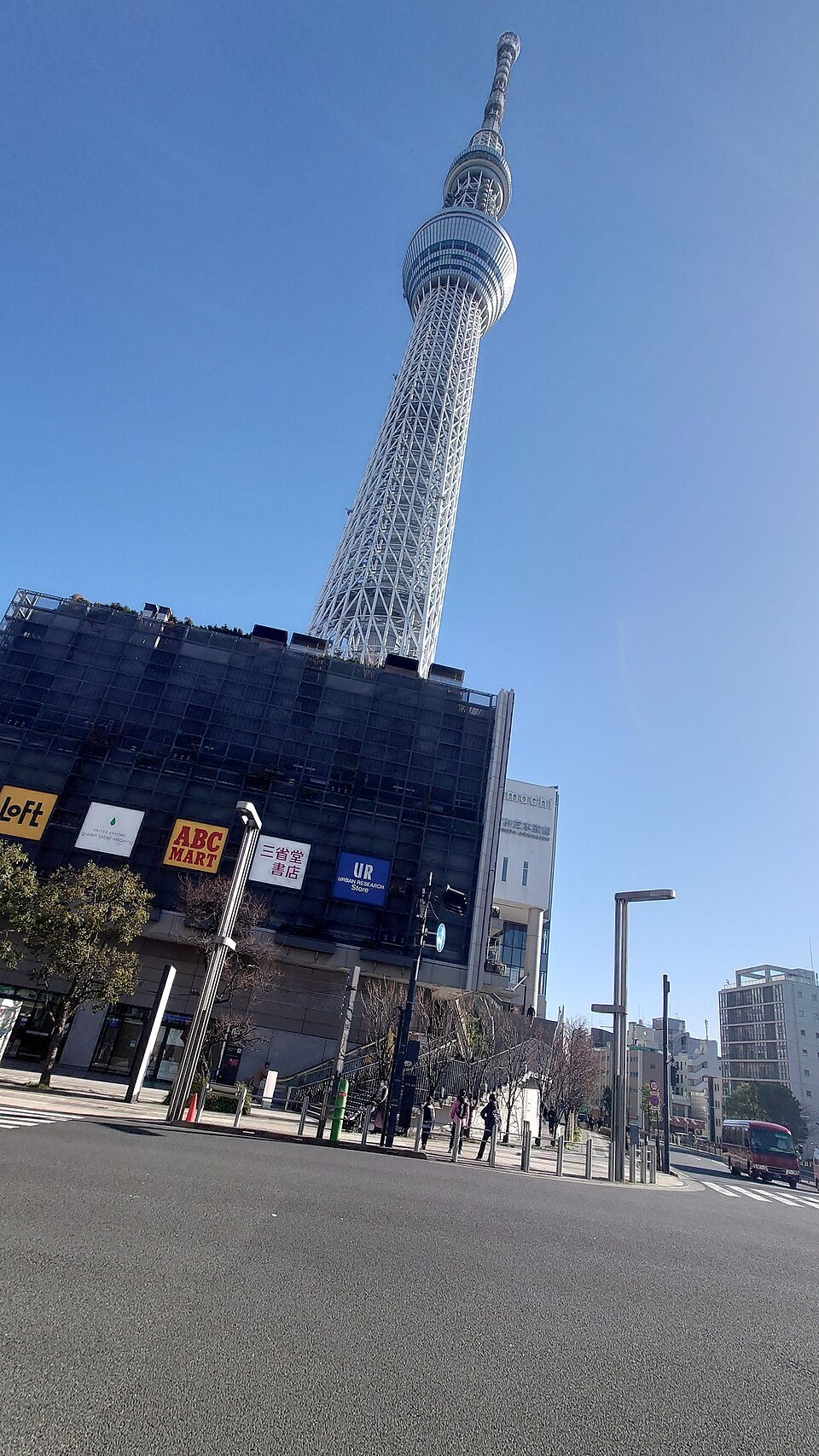
The tower is accessible via multiple railway stations in the Sumida district. Tokyo Skytree Station on the Tobu Skytree Line provides direct access. Asakusa Station on the Tokyo Metro and Toei subway lines offers nearby connectivity. Oshiage Station serves as another access point with multiple line connections. The area is integrated with pedestrian networks along the Sumida River. Bus services operate in the surrounding district. Walking from Asakusa across the river presents an approach option. Signage directs visitors from stations to the tower entrance. The location in eastern Tokyo requires transit planning from central accommodation areas.
Checked 2026-08-26

Crowding at observation decks limits movement and viewing opportunities during peak times. Weather conditions may obstruct expected visibility without compensation. Security screening procedures apply to all visitors. Elevator capacity creates bottlenecks during high-demand periods. The height exposure may affect visitors uncomfortable with elevation. Commercial areas contain numerous retail temptations requiring budget awareness. Photography restrictions may apply in certain zones. Lost items in large crowds present practical challenges. Queuing systems require attention to entry time allocations. The surrounding district has developed substantially, changing neighborhood character from previous decades. Personal belongings require securing during deck visits.
Checked 2026-08-26
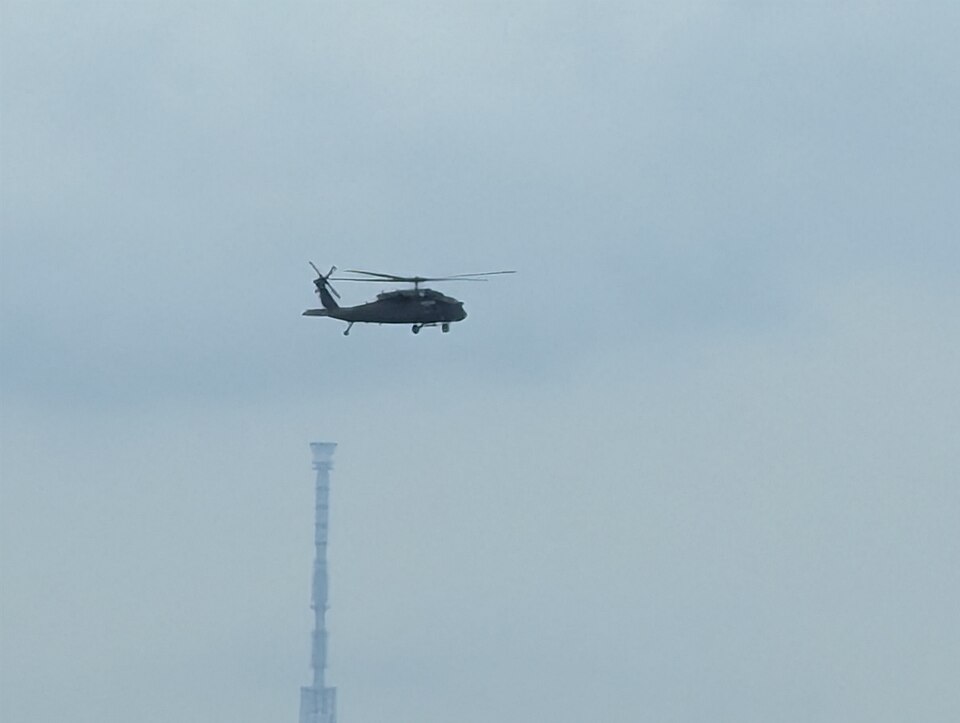
The observation decks permit photography of the metropolitan panorama, though restrictions may apply to equipment types. Glass reflections challenge photography through windows at elevation. Tripod use is typically restricted due to space constraints and crowd movement. The surrounding district offers alternative exterior photography angles of the tower itself. Night photography requires stabilization techniques given interior lighting conditions. The river and bridge approaches provide compositional elements with the tower. Weather conditions directly affect photographic outcomes. Crowding limits positioning flexibility for optimal shots. Commercial photography may require advance authorization. Memory and power preparation is essential for extended photography sessions.
Checked 2026-08-26
Not recorded.
Operator-confirmed hours are Not recorded pending review.
Operator-confirmed prices are Not recorded pending review.
Not recorded.
Not recorded.
Morning periods typically offer reduced crowding, while evening provides illuminated city views; weather conditions significantly affect visibility.
Loading the interactive map…
The interactive map could not be loaded.
Last updated:
Source: OpenStreetMap contributors, Wikidata ·