

32 min walk
Amazuka Kofun
- High · Heritage site
- Historic monument
Language · 11 published
Historic monument · Kyoto
桂離宮
Reviewed by Elena Voss · SSMTour Travel Editor
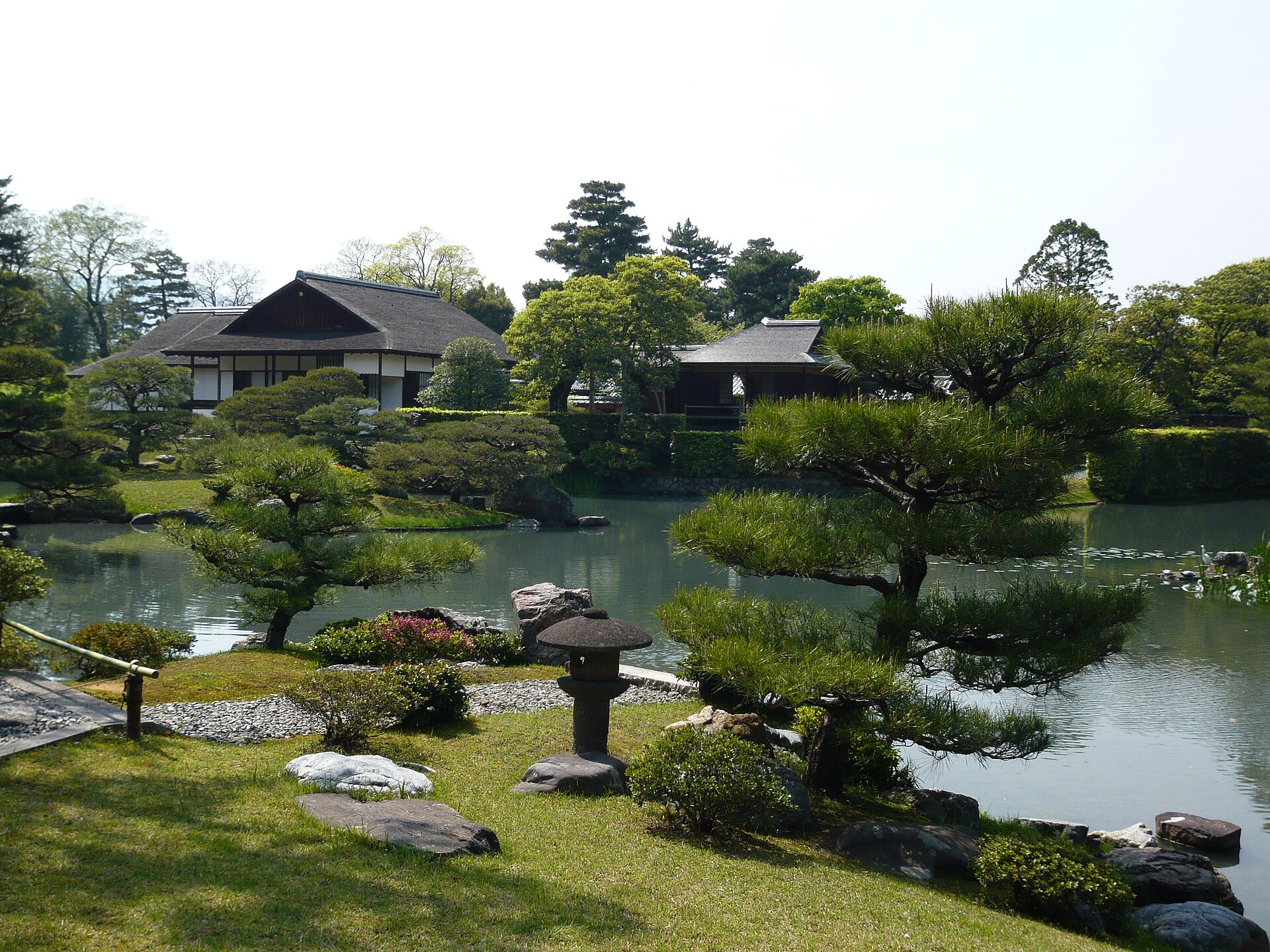
Katsura Imperial Villa is a historic imperial residence in western Kyoto, celebrated for the relationship between restrained architecture and a carefully composed landscape. The complex belongs to the cultural history of Japan’s imperial household and is especially valuable for travelers interested in gardens, traditional rooms, tea culture, and architectural proportion. Its beauty unfolds through movement, framed views, changing thresholds, and deliberate pauses beside the pond. Katsura Imperial Villa is a historic imperial residence in western Kyoto, renowned as a masterpiece of Japanese garden and architectural design. The villa complex represents the pinnacle of seventeenth-century aristocratic culture, embodying the aesthetic principles of simplicity, refinement, and harmony with nature. It stands as one of Japan's most significant cultural properties, influencing modern architects worldwide with its restrained elegance and sophisticated spatial composition. The site comprises multiple structures set within an extensive landscape garden. Yes. The Imperial Household Agency requires advance reservations for all visits. Foreign visitors must apply through designated official channels. Unreserved entry is not permitted under any circumstances.
Checked 2026-08-26 · Source
The visit brings together the Old Shoin, Middle Shoin, and New Shoin, whose tatami rooms and painted screens open carefully selected views toward the garden. A large pond, islands, stones, clipped trees, and winding paths form the outdoor core. Tea houses, including Gepparo and Shokintei, add another layer of aristocratic culture. The route links buildings, water, vegetation, and borrowed scenery as one integrated composition. The villa complex includes several traditional buildings: the Old Shoin, Middle Shoin, and New Shoin, each serving distinct ceremonial and residential functions. These structures feature tatami-matted rooms with painted screens and carefully framed garden views. The garden itself is an integral design element, incorporating a large pond with islands, stone arrangements, and meticulously pruned vegetation. Tea houses dot the landscape, including the Gepparo and Shokintei, demonstrating the refined tea culture of the imperial aristocracy. Walking paths connect these elements in a choreographed sequence.
Checked 2026-08-26 · Source
Allow about one hour for the guided tour itself, then add time for arrival procedures and gathering before departure. The route follows a set sequence, so the guide controls the pace and visitors cannot linger freely at every point. Garden enthusiasts and architecture lovers will benefit from arriving prepared to observe details quickly, especially changing sightlines, roof forms, thresholds, stonework, and framed views. Visitors should allocate approximately one hour for the guided tour, which follows a fixed route through the complex. The pace is determined by the official guide, allowing limited time at each viewpoint.
Checked 2026-08-26 · Source
Katsura Imperial Villa uses fixed-time visits arranged through a reservation system. Seasonal changes alter the garden’s colors, textures, and atmosphere: spring growth, summer greenery, autumn foliage, and winter structure each emphasize different features. Build the visit around the confirmed tour time rather than treating it as an open-ended stop. Leave a buffer before the meeting time, since punctual arrival matters for a fixed departure.
Checked 2026-08-26 · Source
Entry is organized through advance reservation procedures connected with the Imperial Household Agency. A reserved place is central to the visit because walk-in entry is not available. Keep the reservation confirmation and identification details needed for the selected visit. Tour places are limited by time slot, so this attraction works best when secured before building the rest of a Kyoto day around it.
Checked 2026-08-26 · Source
The villa lies in western Kyoto, outside the city’s most concentrated central sightseeing area. Reach the Katsura district by public transport and continue on foot from the surrounding transit points. Plan the route with extra time because the tour begins at a set hour. Keep the reservation confirmation accessible during the journey, and treat the transfer as part of the day’s schedule rather than an improvised detour.
Checked 2026-08-26 · Source
The guided route is compulsory and visitors must stay with the group. Shoes are removed at designated points, making easy-to-remove footwear practical. Some areas restrict photography, and the garden route includes exposed paths with limited protection from weather. Keep children close, remain quiet within the religious and historic setting, and arrive punctually for assembly. Traditional buildings can also present barriers for visitors with limited mobility.
Checked 2026-08-26 · Source
Photography is controlled by designated rules rather than being permitted everywhere. Expect prohibited areas and follow signs or staff directions immediately. Where photography is allowed, flash and tripod use may be restricted, while the contrast between darker interiors and bright gardens can make exposure difficult. The strongest images often come from architectural framing, pond reflections, paths, and layered vegetation. Preserve the quiet pace of the tour while photographing.
Checked 2026-08-26 · Source
Yes. Visits use advance reservations through the Imperial Household Agency, and walk-in entry is not available.
The guided tour takes about one hour, with additional time needed for arrival and tour assembly.
No. Visitors follow the official guided route and cannot leave the prescribed circuit for independent wandering.
The complex includes the Old Shoin, Middle Shoin, New Shoin, and tea houses including Gepparo and Shokintei.
Photography is restricted in designated areas. Follow posted rules and staff instructions; flash and tripod use may also be limited.
Wear comfortable clothing for garden paths and footwear that can be removed easily at designated points.
Loading the interactive map…
The interactive map could not be loaded.
Last updated:
Source: OpenStreetMap contributors, Wikidata ·