


5 min walk
Eikan-do
- Must see
- Historic monument
Language · 11 published
Place of worship · Kyoto
南禅寺

| Monday | 08:40 – 17:00 |
|---|---|
| Tuesday | 08:40 – 17:00 |
| Wednesday | 08:40 – 17:00 |
| Thursday | 08:40 – 17:00 |
| Friday | 08:40 – 17:00 |
| Saturday | 08:40 – 17:00 |
| Sunday | 08:40 – 17:00 |
Checked 2026-08-31 · Source
Read from the OpenStreetMap access tags; anything not listed has no tag recorded.
Set the group type to family in the planner and the day window contracts to about three quarters of a solo day.
Nanzen-ji is a Zen Buddhist temple in eastern Kyoto, Japan. It stands as one of the most significant temples in the city's extensive religious landscape. The temple complex occupies a substantial site at the base of the Higashiyama mountains. Nanzen-ji serves as the head temple of the Rinzai sect's Nanzen-ji branch of Zen Buddhism. Its grounds include multiple sub-temples and notable architectural features. The temple's historical importance extends across many centuries of Japanese religious and cultural development. Visitors encounter a working religious institution rather than a museum-like setting.
Checked 2026-08-31 · Source
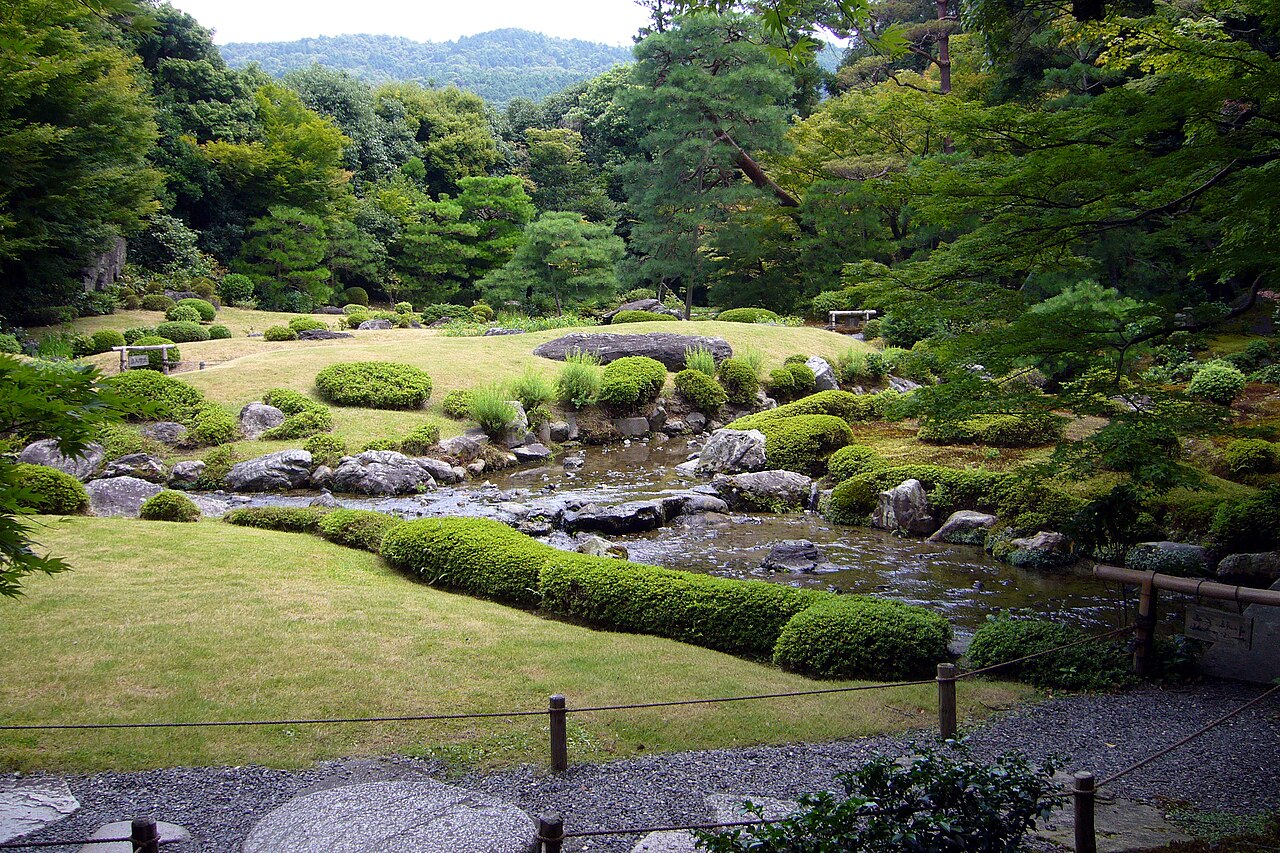
The temple complex contains several distinct areas of interest. The Sanmon gate, a large wooden structure, offers elevated views for those who climb its stairs. The Hojo, or abbot's quarters, features traditional rock gardens attributed to notable designers. A brick aqueduct from the Meiji period crosses part of the grounds, representing an unusual industrial element within a temple setting. Multiple sub-temples operate within the complex, each with separate access arrangements. The grounds include wooded areas and pathways connecting the various structures. Water features appear in several garden compositions throughout the site.
Checked 2026-08-31 · Source
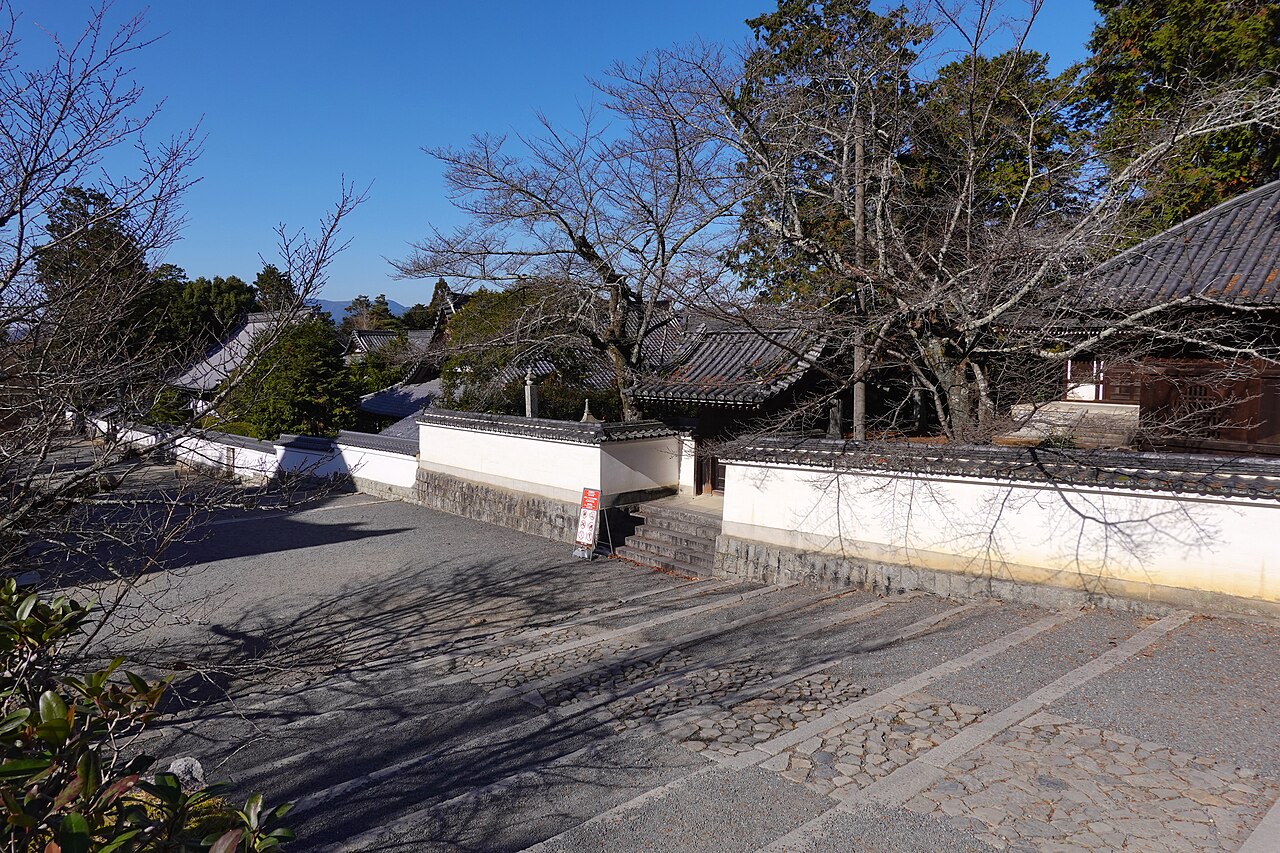
A thorough visit to Nanzen-ji typically requires between one and two hours. This duration allows for circulation through the main gate, the abbot's quarters with its gardens, and general exploration of the temple grounds. Additional time becomes necessary for visitors intending to enter sub-temples with separate admission. The aqueduct structure demands only brief examination. Those engaging in meditation or extended contemplation of the gardens may prefer longer stays. The surrounding Higashiyama district contains numerous other sites, making Nanzen-ji one component of a broader eastern Kyoto itinerary rather than an isolated destination.
Checked 2026-08-31 · Source

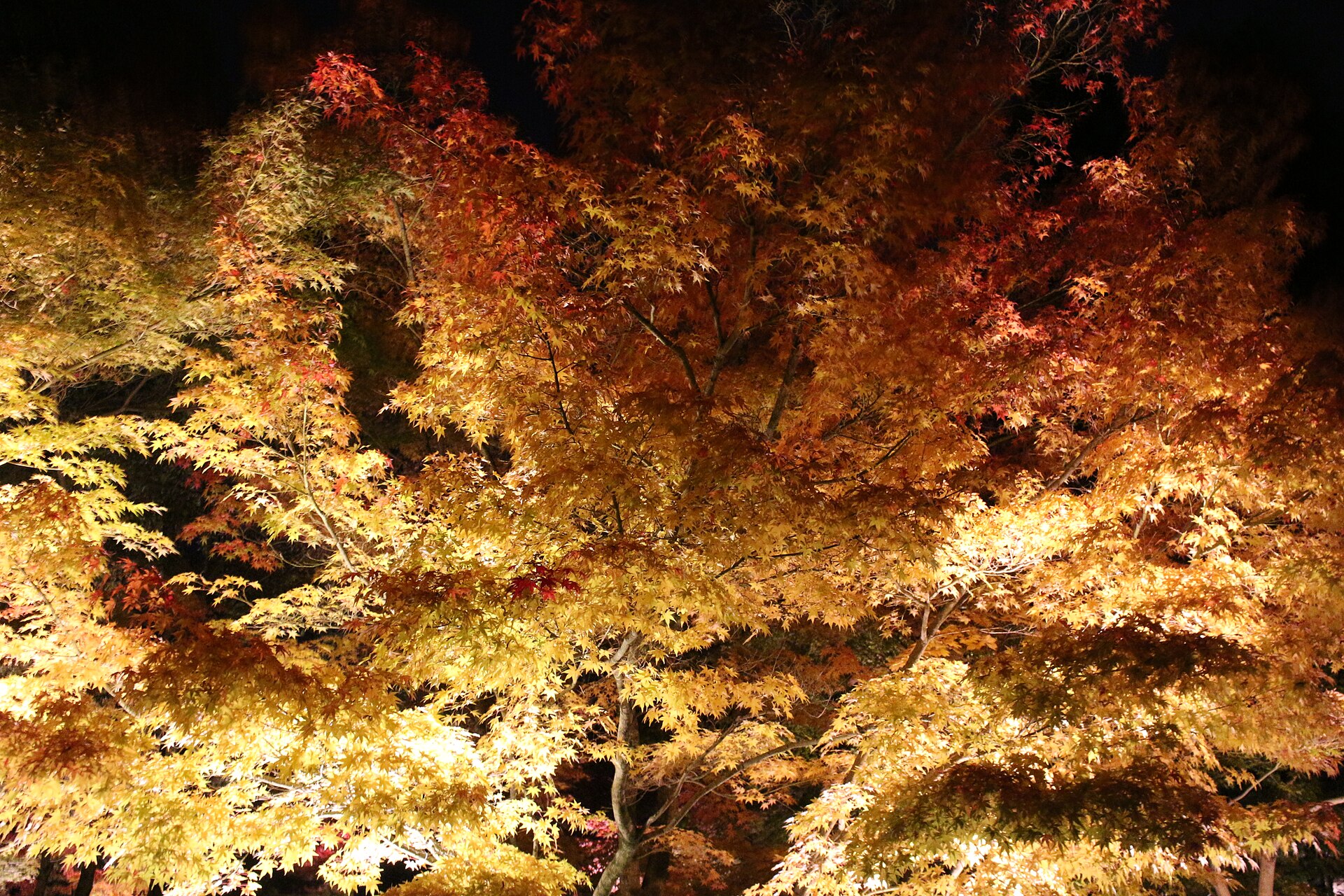
Paid subtemples generally open March-November 08:40-17:00 and December-February 08:40-16:30; admission ends 20 minutes before closing. Outer precincts remain open longer. Seasonal considerations significantly influence the Nanzen-ji experience. Autumn brings maple foliage to the surrounding hills and temple grounds, creating crowded conditions. Spring offers cherry blossom viewing in the broader district. Summer presents lush vegetation but higher temperatures and humidity. Winter provides quieter visitation with subdued garden aesthetics. Morning hours generally afford less congested conditions than afternoons. Visitors should consult current official sources before planning arrival times. Special illumination events may occur seasonally but specific schedules require verification through temple communications or reliable local information services.
Checked 2026-08-31 · Source
Outer grounds and aqueduct are free. Hojo garden and Sanmon each charge JPY 600 adult; Nanzen-in charges JPY 400. Access arrangements at Nanzen-ji involve multiple fee structures. The Sanmon gate requires separate payment for those wishing to climb to its upper level. The Hojo abbot's quarters charges admission for garden viewing. Individual sub-temples maintain independent ticketing. Some temple grounds areas remain freely accessible without payment. Visitors should prepare appropriate cash as credit card acceptance at religious sites in Kyoto remains inconsistent. Current fee verification through on-site signage or official temple channels is strongly recommended before visitation.
Checked 2026-08-31 · Source

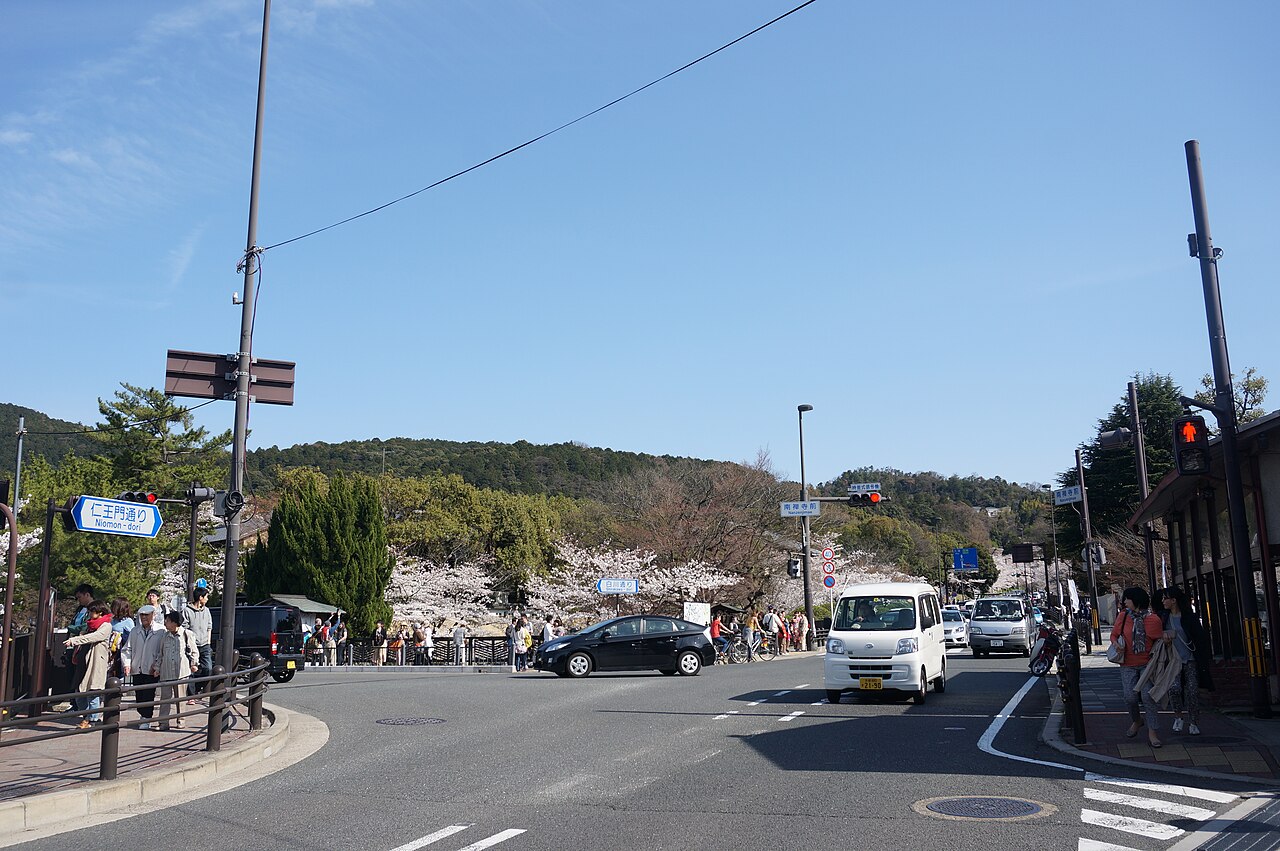
Keage station on the Tozai subway is about ten minutes away through the incline park; buses stop Nanzenji-Eikando-michi. Nanzen-ji occupies a position in Kyoto's Higashiyama district accessible through multiple transport options. The Keage Station on the Kyoto Municipal Subway Tozai Line lies within walking distance to the south. Multiple city bus routes serve stops in the vicinity, though specific route numbers require current verification. Walking approaches from nearby attractions including the Philosopher's Path and Eikan-do temple are feasible for those undertaking broader Higashiyama exploration. The temple entrance sits somewhat recessed from main roads, requiring navigation through residential and commercial streets. Cycling represents another viable approach for those with rental bicycles, though parking availability is not confirmed.
Checked 2026-08-31 · Source

Outer grounds and aqueduct approaches are largely step-free, but gravel, hall thresholds and steep Sanmon stairs limit paid interiors and viewpoints. Visitors should observe standard temple etiquette throughout the complex. Photography restrictions apply within certain buildings and garden viewing areas. Footwear removal is required for entry to traditional interior spaces. The Sanmon gate stairs are steep and may challenge those with mobility limitations. Crowding peaks during autumn foliage season, potentially impeding movement and contemplation. The aqueduct structure, while visually striking, offers no safety barriers at its edges. Sub-temples maintain individual rules that may differ from main complex regulations. Religious services occur unpredictably, potentially restricting access to certain areas. Weather exposure affects much of the circulation pattern between structures. Appropriate footwear for uneven surfaces and stair climbing is advisable.
Checked 2026-08-31 · Source
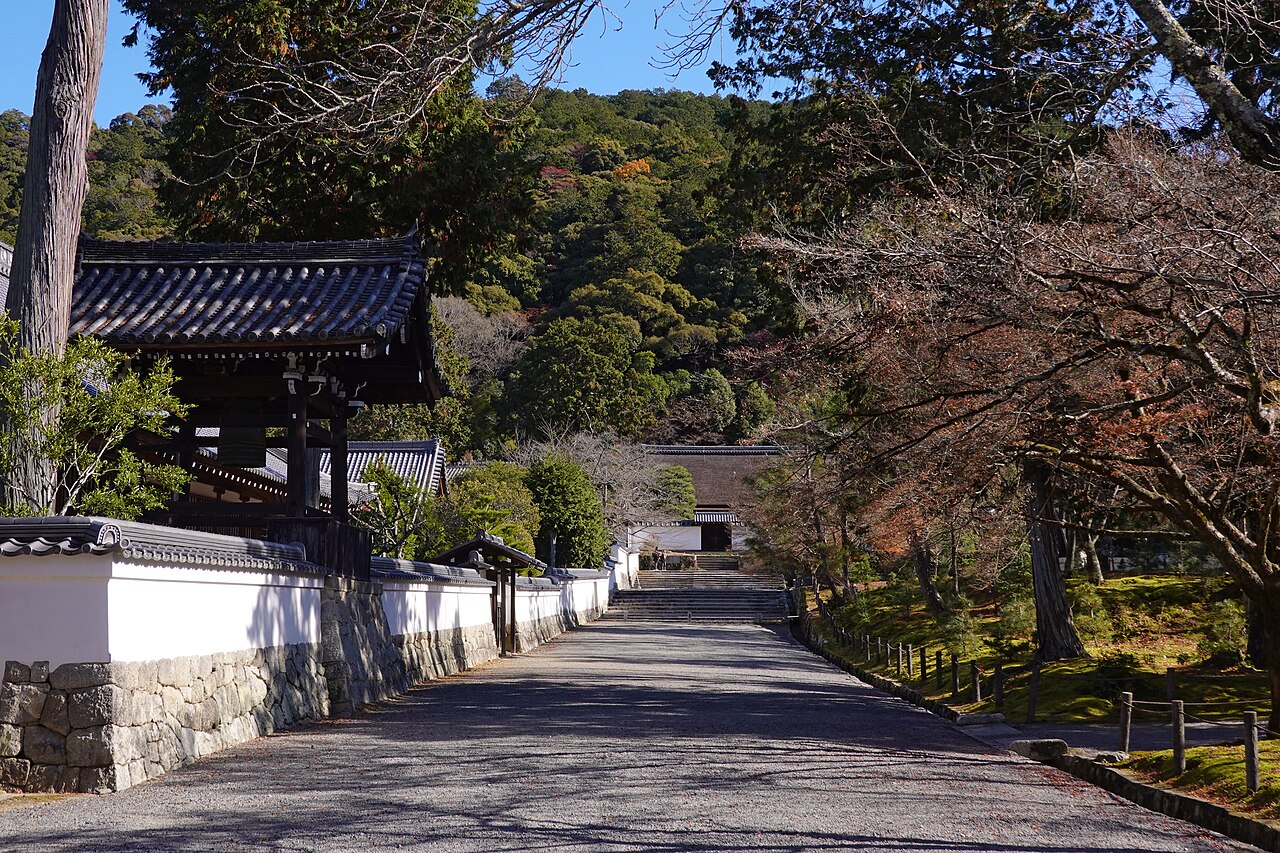
Photography opportunities at Nanzen-ji vary significantly by location. The Sanmon gate exterior permits general photography, while its interior and upper platform may have restrictions. The Hojo gardens present controlled viewing conditions where camera use may be limited or prohibited depending on current policy. The brick aqueduct offers unrestricted exterior photography and has become a frequently reproduced image subject. Sub-temples enforce individual photography policies that visitors must observe. Tripod and professional equipment use typically requires explicit permission at Japanese religious sites. Morning and late afternoon light conditions affect garden photography quality. Seasonal atmospheric conditions including mist and falling leaves create variable visual effects throughout the year.
Checked 2026-08-31 · Source
Yes.
No; each has a separate JPY 600 ticket.
Yes at 16:30.
No; steep stairs lead up.
Yes.
Keage.
Loading the interactive map…
The interactive map could not be loaded.
Last updated:
Source: OpenStreetMap contributors, Wikidata ·