


.jpg)
.jpg)

4 min walk
Tokyo Tower
- Must see · Heritage site
- Historic monument
Language · 1 published
Place of worship · Tokyo
増上寺
| Monday | 00:00 – 23:59 |
|---|---|
| Tuesday | 00:00 – 23:59 |
| Wednesday | 00:00 – 23:59 |
| Thursday | 00:00 – 23:59 |
| Friday | 00:00 – 23:59 |
| Saturday | 00:00 – 23:59 |
| Sunday | 00:00 – 23:59 |
Parsed from OpenStreetMap opening hours on 2026-08-26.
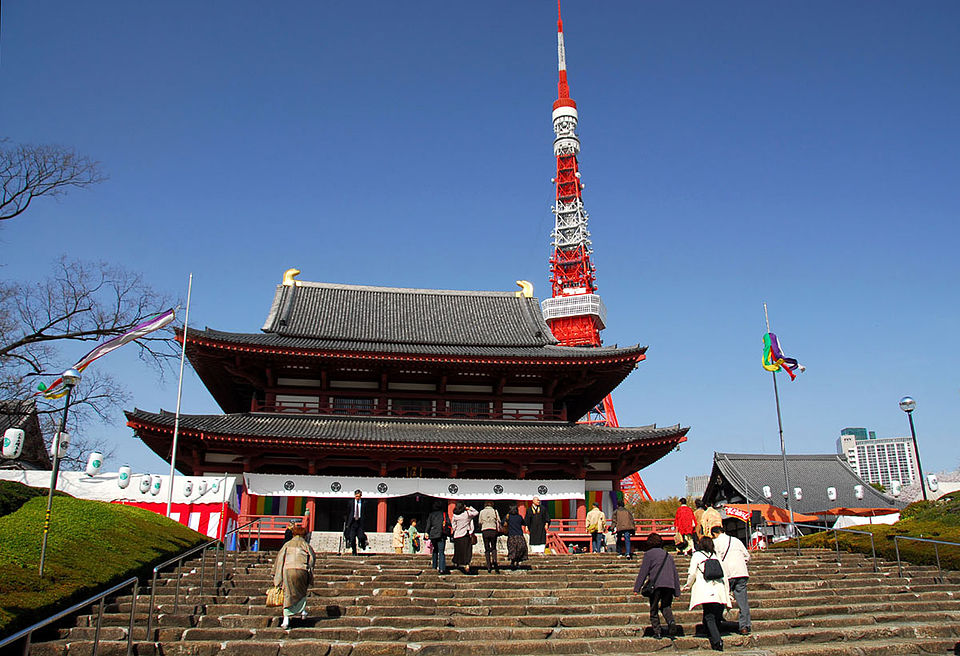
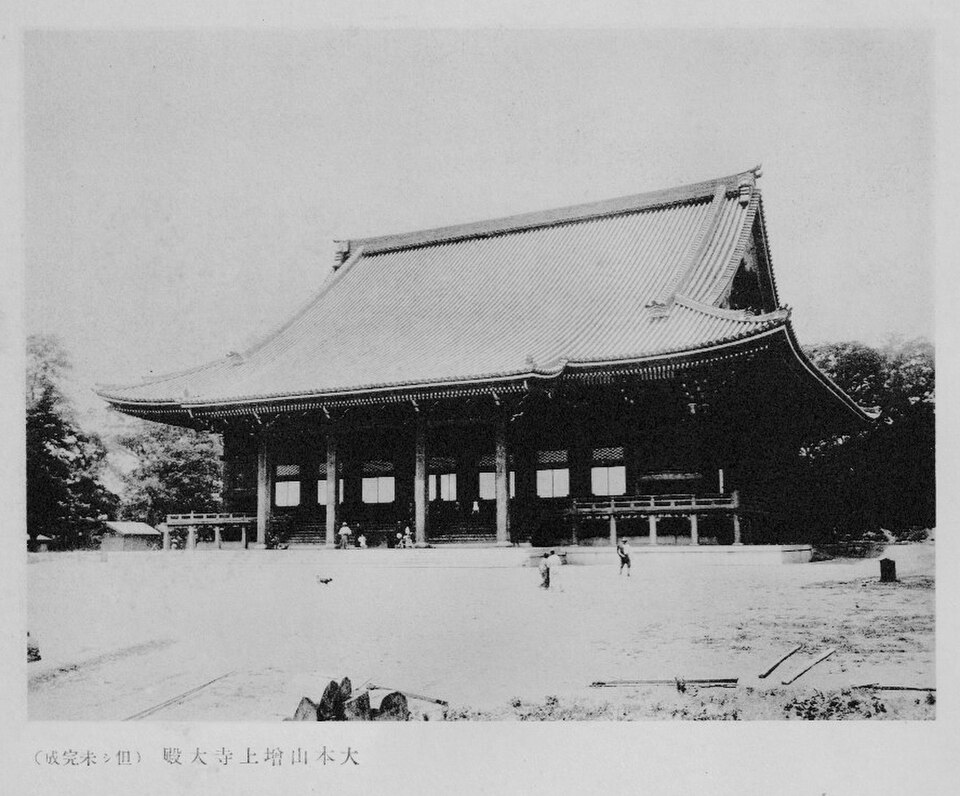
Zojoji Temple is a Jodo-shu Buddhist temple in Minato, Tokyo. It serves as the main temple of the Jodo-shu Chinzei school of Pure Land Buddhism in the Kanto region. The temple holds historical significance as a family temple of the Tokugawa shoguns, with several shoguns buried in its mausoleum. The current main hall dates from 1974 after wartime destruction. The temple grounds occupy a prominent position near Tokyo Tower, creating a striking contrast between traditional religious architecture and modern urban development. The sanmon gate survived the war and remains an important cultural property.
Checked 2026-08-26
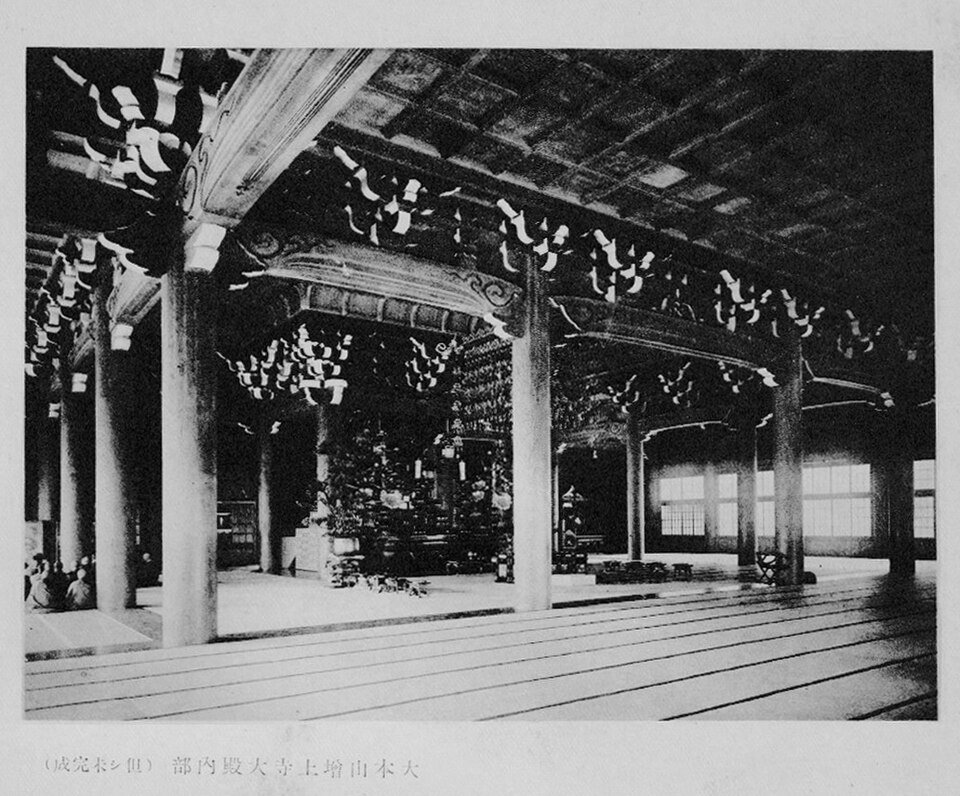
The temple complex contains several notable structures and spaces. The main hall houses religious artifacts and serves as the center for worship activities. The Daidenmae mausoleum contains the tombs of six Tokugawa shoguns and their consorts. The Sangedatsumon, a three-storied gate designated as an important cultural property, stands as a rare surviving original structure. The grounds include a small museum with temple treasures. A row of Jizo statues dedicated to unborn children creates a contemplative space. The temple garden provides green space within the dense urban environment of central Tokyo.
Checked 2026-08-26
Visitors typically spend between thirty minutes and one hour exploring the temple grounds and main structures. Those with particular interest in Tokugawa history or Buddhist architecture may wish to allocate additional time for the mausoleum and any available exhibition spaces. The compact layout allows efficient viewing of principal features without extensive walking. Early morning or late afternoon visits may extend naturally through contemplation or photography. Combined visits with nearby Tokyo Tower or Shiba Park require separate scheduling. The temple suits brief stops during broader Minato district exploration.
Checked 2026-08-26
Operator-confirmed hours are Not recorded pending review. Visitors should verify current opening times through official channels before planning. The temple grounds are generally accessible during daylight hours, though interior buildings may have restricted access. Seasonal considerations include cherry blossom viewing in spring when the grounds attract photographers seeking the Tokyo Tower backdrop. New Year period brings traditional pilgrimage activity. Summer evenings may offer relief from heat in the shaded grounds. Autumn provides clear skies for the distinctive red and white color combination of temple and tower.
Checked 2026-08-26
Operator-confirmed prices are Not recorded pending review. The main temple grounds traditionally permit free access for general visitation. Specific buildings or special exhibitions may require separate admission fees. Visitors should carry cash for any donations, amulets, or ceremonial services. Group rates or guided tour arrangements would require direct inquiry with temple administration. Budget-conscious travelers can experience the atmospheric grounds and exterior architecture without expenditure. Any paid components should be verified on-site as policies may change without widespread notification through international tourism channels.
Checked 2026-08-26

The temple sits in Shiba neighborhood of Minato Ward, immediately adjacent to Tokyo Tower. Multiple train stations provide access within reasonable walking distance. Onarimon Station on the Toei Mita Line and Daimon Station on the Toei Asakusa and Oedo Lines offer nearby exits. Shibakoen Station on the Toei Mita Line also serves the area. From Tokyo Station, various combinations of trains and moderate walking reach the temple. The prominent Tokyo Tower serves as an unmistakable landmark for navigation. Bus services operate in the surrounding area for those preferring surface transport.
Checked 2026-08-26

The temple functions as an active religious site requiring respectful behavior. Photography restrictions may apply within certain buildings or during ceremonies. Visitors should observe signage and refrain from disruptive conduct. The grounds contain memorial spaces demanding particular sensitivity. Footwear removal may be required for hall entry. Weather exposure is minimal but the open grounds lack extensive shelter. Crowds concentrate during New Year and cherry blossom periods. The juxtaposition with Tokyo Tower creates traffic awareness needs at perimeter crossings. Some historical structures may be inaccessible during preservation work or private ceremonies without advance notice.
Checked 2026-08-26
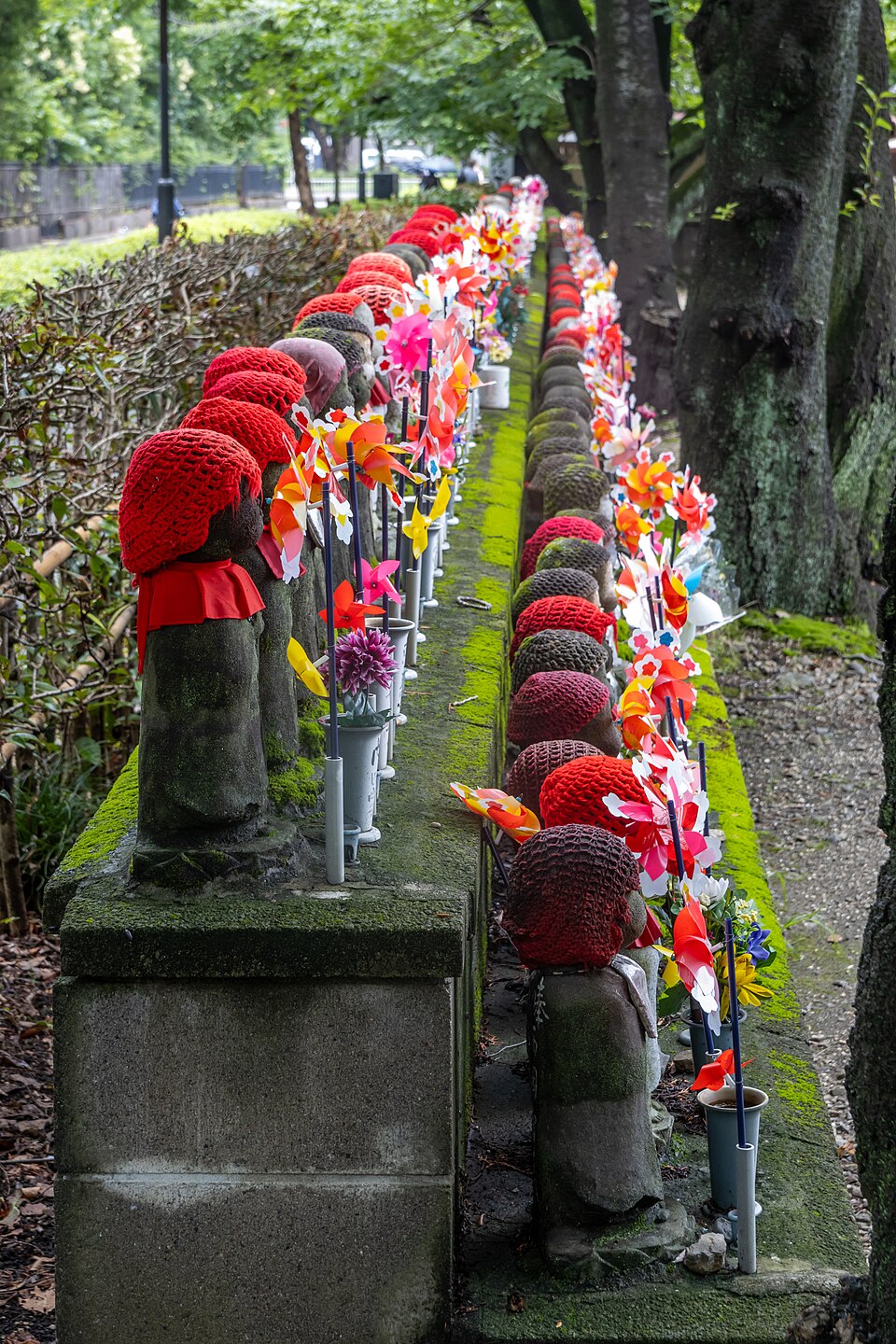
The Zojoji-Tokyo Tower composition represents one of Tokyo's most photographed juxtapositions of traditional and modern architecture. The sanmon gate frames particularly effective shots. Early morning light illuminates the main hall facade favorably. Cherry blossom season multiplies photographic interest though increases competition for positions. Tripod use may attract security attention and should be discreet or avoided. Interior photography requires permission verification. Night photography captures illuminated Tokyo Tower behind dark temple silhouettes. The Jizo statue row offers poignant human-interest subjects. Respect for worshippers and mourners must override photographic objectives at all times.
Checked 2026-08-26
The main grounds are traditionally accessible without charge, though operator-confirmed prices are Not recorded pending review. Specific buildings or exhibitions may require separate fees.
Take the JR Yamanote or Keihin-Tohoku Line to Hamamatsucho, then walk approximately fifteen minutes, or use Toei subway lines to Onarimon, Daimon, or Shibakoen stations with shorter walks.
The Daidenmae mausoleum contains tombs of six Tokugawa shoguns. Access conditions and visibility vary; verify current arrangements directly with the temple.
Early morning provides favorable light on the main hall. The Tokyo Tower backdrop is distinctive at all times. Cherry blossom season offers enhanced compositions but larger crowds.
English information availability is Not recorded pending review. Visitors should not assume comprehensive foreign-language support at this functioning religious institution.
Most visitors spend thirty minutes to one hour. Those with specific historical interests may prefer longer. Combination with nearby Tokyo Tower or Shiba Park extends the overall visit.
Loading the interactive map…
The interactive map could not be loaded.
Last updated:
Source: OpenStreetMap contributors, Wikidata ·