

4 min walk
Fukagawa Edo Museum
- Must see
- Museum
Language · 11 published
Nature site · Tokyo
清澄庭園
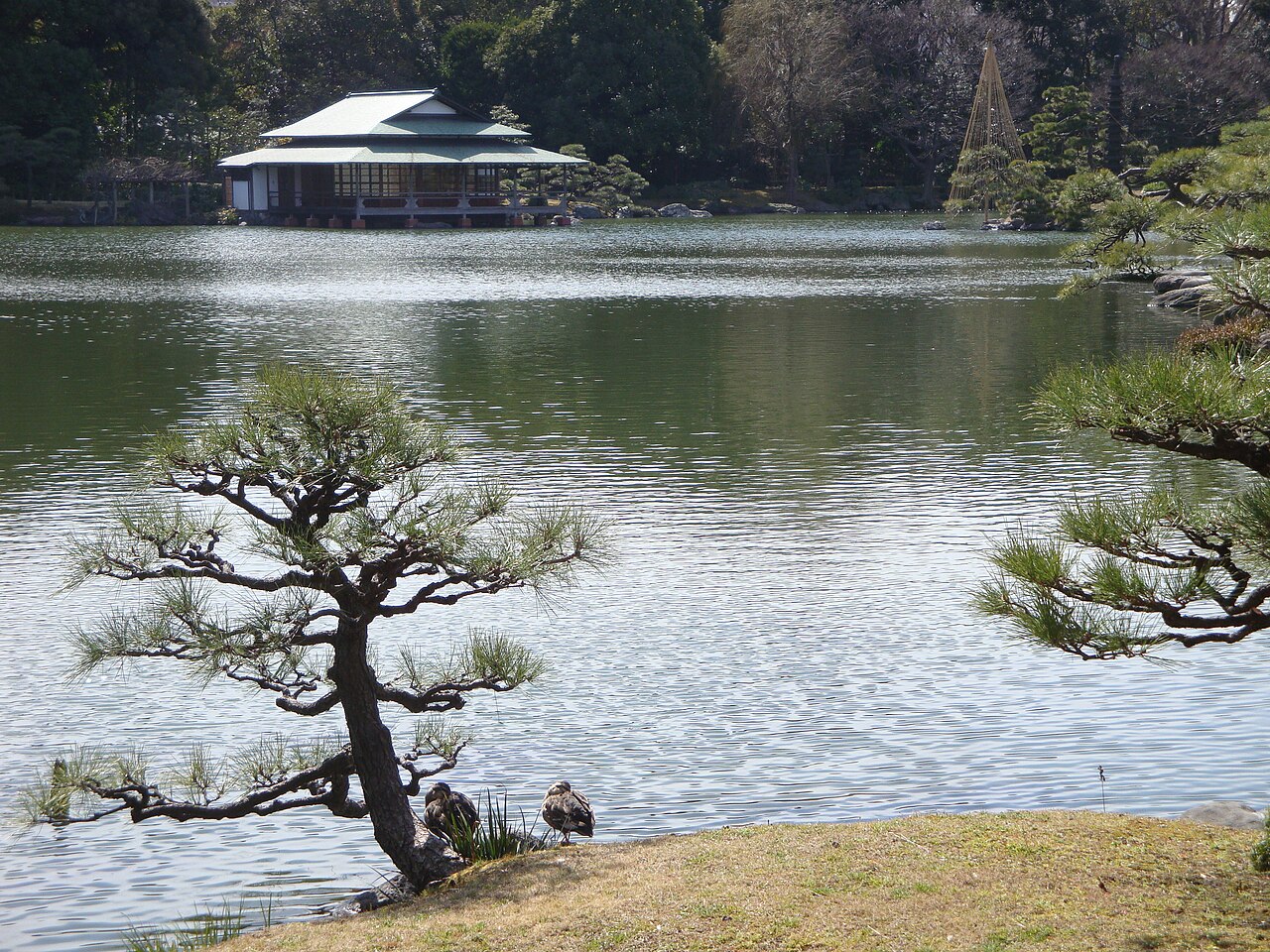
Kiyosumi Gardens is a traditional Japanese stroll garden in Tokyo’s Fukagawa district. Its design leads visitors around a central pond, where islands, bridges, hills, and carefully positioned stones create changing views at walking level. The garden began as an Edo-period merchant residence, later became associated with the Iwasaki family, and opened to the public in 1932. It is recognized as a Tokyo Metropolitan Place of Scenic Beauty and offers a calm alternative to busier central attractions. Kiyosumi Gardens is a traditional Japanese landscape garden located in the Fukagawa district of eastern Tokyo. The site originated as the residence of a wealthy merchant during the Edo period before being purchased by the Iwasaki family, founders of the Mitsubishi conglomerate, in the late nineteenth century. The garden was opened to the public in 1932. It exemplifies the stroll-garden style with collected stones and artificial hills arranged around a central pond. The garden is designated as a Tokyo Metropolitan Place of Scenic Beauty. The garden's primary appeal lies in tranquil scenery and traditional design rather than child-oriented facilities. Stepping stones and water features require supervision. Families should assess children's interest in contemplative garden environments.
Checked 2026-08-26 · Source
The central pond is the garden’s main focus, with three islands and bridges that create different sightlines around the circuit. Large stones from across Japan form one of the site’s distinctive features, while trees and seasonal plantings soften the edges of the water. A teahouse stands beside the pond, and waterfowl add movement to the scenery. The surrounding Fukagawa area contributes a historic neighborhood setting, once shaped by merchants and the local lumber trade. The garden features a large central pond with three islands connected by bridges. Notable elements include numerous carefully placed stones and rock formations collected from across Japan, including famous examples from the former Iwasaki collection. A teahouse structure stands on the pond's edge.
Checked 2026-08-26 · Source
Most visitors can experience the main garden circuit in roughly thirty minutes to one hour. Walk slowly if you want to study the stone arrangements, pause beside the pond, or photograph the bridges and waterfowl. The garden is compact, so it does not require a full day by itself. Add time for the surrounding Kiyosumi-Shirakawa and Fukagawa streets if you want to turn the visit into a broader eastern Tokyo neighborhood excursion.
Checked 2026-08-26 · Source
Spring adds blossom color, summer brings lush greenery and lotus interest, autumn emphasizes foliage, and winter makes the garden’s structure easier to read. Morning is a good choice when you want a quieter circuit and cleaner views across the pond. Rain can change the mood beautifully but also makes stones and paths slippery. Choose footwear with a secure sole and leave enough flexibility to enjoy pauses rather than rushing through the landscape.
Checked 2026-08-26 · Source
Kiyosumi Gardens requires admission for entry. The visit is compact and focused, so it suits travelers who want a clearly defined garden experience rather than a large open park. Include the entrance cost in the day’s planning, especially if you are visiting several ticketed attractions. The pond circuit, stone collection, bridges, and seasonal planting provide the main value of the admission, with the garden rewarding attentive observation more than hurried sightseeing.
Checked 2026-08-26 · Source
Kiyosumi-Shirakawa Station is the most direct rail reference, served by the Tokyo Metro Hanzomon Line and Toei Oedo Line. From the station, walk through the surrounding residential and café-lined streets toward the garden. The eastern Tokyo location makes it a natural pairing with Fukagawa exploration rather than a quick detour from every hotel district. Taxis can provide a direct approach, while the neighborhood is also manageable by bicycle for visitors already riding locally.
Checked 2026-08-26 · Source
Traditional garden surfaces include stepping stones and uneven or gravelled sections, and wet weather can make them more difficult underfoot. Water, bridges, and narrow passages require steady attention, especially for children. Warm months may bring mosquitoes near the pond. Much of the circuit is outdoors, with limited protection from strong sun or rain. Keep the atmosphere quiet, avoid blocking viewpoints, and carry water when the weather is hot.
Checked 2026-08-26 · Source
Photograph the pond from several points around the circuit to capture different bridges, islands, stones, and reflections. Morning light can emphasize calm water, while overcast conditions reduce harsh contrast among the foliage. Seasonal blossoms and autumn leaves provide the strongest changes in color. Waterfowl and koi add life to wider compositions. The garden’s compact layout makes it easy to revisit a viewpoint, but narrow paths call for considerate camera placement when other visitors approach.
Checked 2026-08-26 · Source
Children can enjoy the pond, bridges, waterfowl, and changing scenery, but stepping stones and water features require close supervision.
The main circuit usually takes about thirty minutes to one hour, with extra time useful for photography or quiet pauses.
A central pond with islands and bridges anchors the stroll garden, surrounded by notable stones, trees, seasonal planting, and a teahouse.
Take the Tokyo Metro Hanzomon Line or Toei Oedo Line to Kiyosumi-Shirakawa Station, then walk through Fukagawa toward the garden.
Spring highlights blossoms, summer greenery, autumn foliage, and winter the garden’s underlying structure and stone arrangements.
Wear comfortable shoes with a secure sole because the circuit includes stepping stones, uneven surfaces, and paths that may become slippery in rain.
Loading the interactive map…
The interactive map could not be loaded.


Last updated:
Source: OpenStreetMap contributors, Wikidata ·