

3 min walk
Tokyo Metropolitan Art Museum
- Must see
- Museum
Language · 11 published
Nature site · Tokyo
上野公園
| Monday | 05:00 – 23:00 |
|---|---|
| Tuesday | 05:00 – 23:00 |
| Wednesday | 05:00 – 23:00 |
| Thursday | 05:00 – 23:00 |
| Friday | 05:00 – 23:00 |
| Saturday | 05:00 – 23:00 |
| Sunday | 05:00 – 23:00 |
Checked 2026-08-31 · Source
Read from the OpenStreetMap access tags; anything not listed has no tag recorded.
Set the group type to family in the planner and the day window contracts to about three quarters of a solo day.
Ueno Park, known locally as Ueno Onshi Koen, is a major public park in Tokyo. It occupies a significant area in the Taito ward and serves as one of the city's most prominent green spaces. The park holds considerable cultural importance, containing numerous museums, a zoo, and religious structures within its boundaries. Its historical significance dates to its establishment as one of Japan's first public parks in the modern era. The park functions as both a recreational destination for residents and a major attraction for domestic and international visitors to Tokyo.
Checked 2026-08-31 · Source
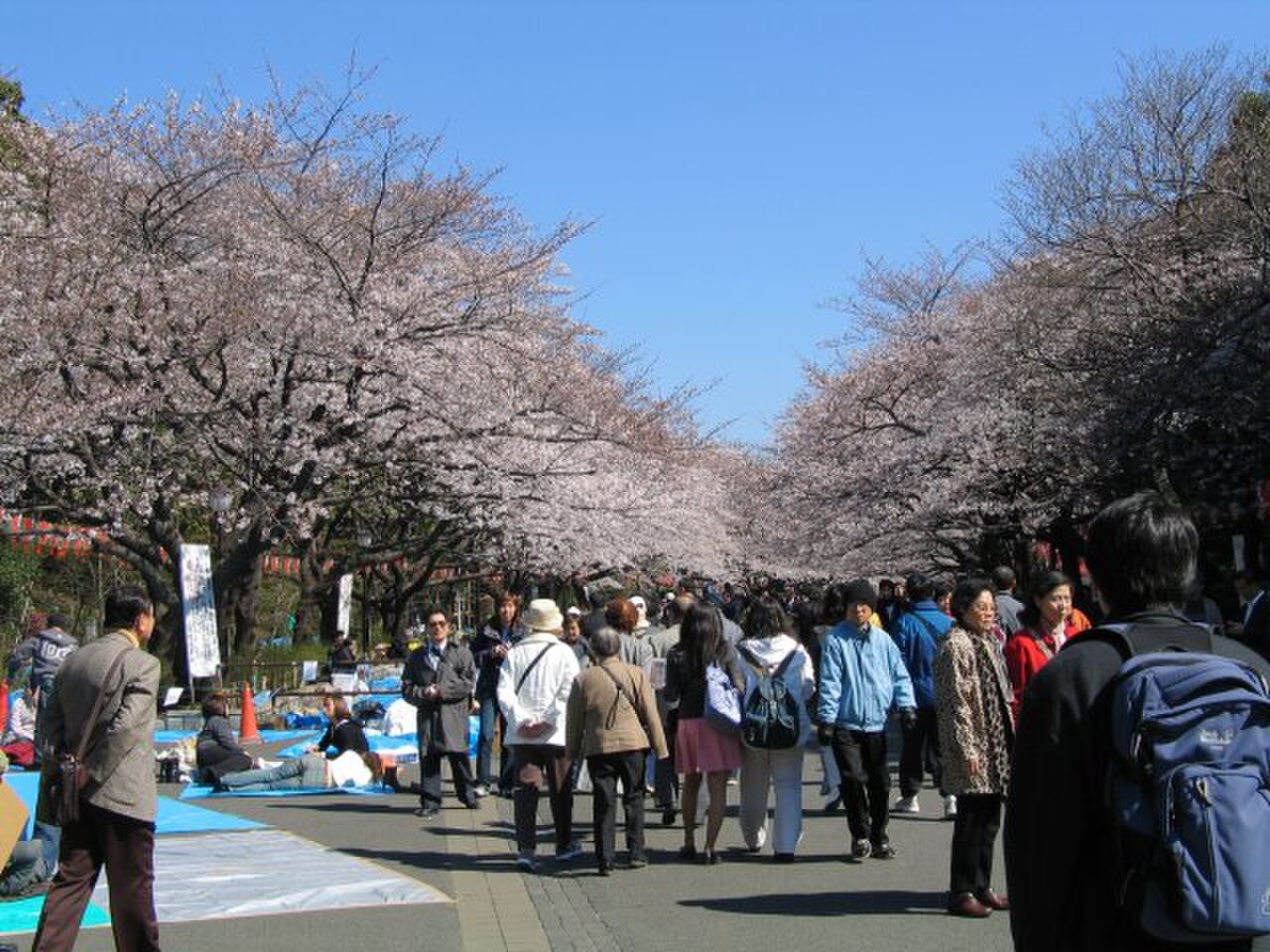
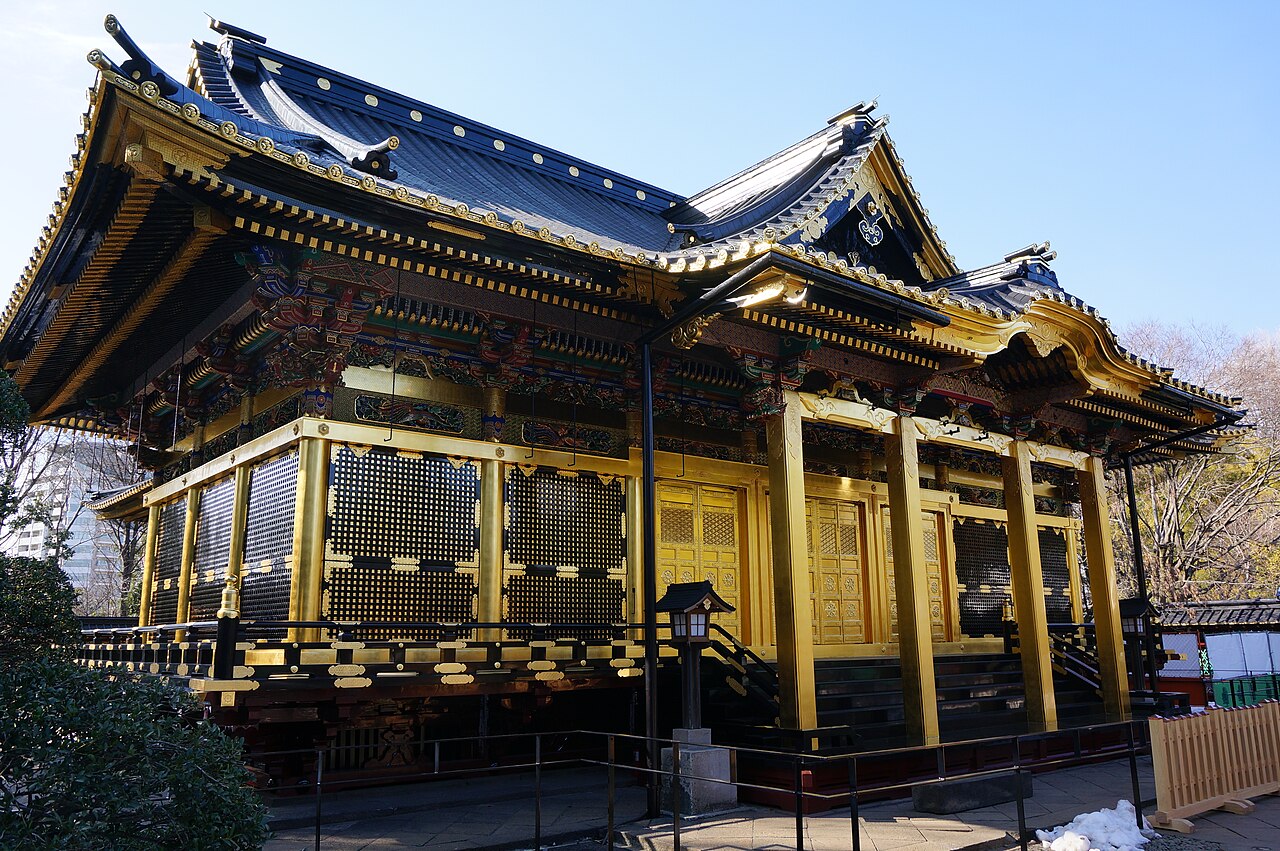
The park contains multiple cultural institutions including several national museums. Ueno Zoo, Japan's oldest zoo, operates within the park grounds. Numerous shrines and temples are situated throughout, including the well-known Toshogu Shrine. A large pond, Shinobazu Pond, features prominently in the park's landscape. The area contains substantial cherry tree plantings, making it a noted location for seasonal flower viewing. Various monuments and statues are distributed across the grounds. The concentration of cultural facilities makes this district exceptional within Tokyo for institutional density.
Checked 2026-08-31 · Source
Visitor duration varies substantially based on individual interests and selected activities. A brief walk through the park's open spaces might occupy under one hour. Comprehensive visits to multiple museums could extend across a full day or longer. The zoo alone typically requires several hours for thorough exploration. Those combining several cultural institutions with leisurely park walking should anticipate extended stays. Visitors should plan according to their specific priorities, as the breadth of available activities prevents any single recommended duration. Personal scheduling flexibility benefits most visitors.
Checked 2026-08-31 · Source
Daily 05:00–23:00 No regular closure days. Entry is prohibited outside opening hours; attractions and businesses within the park follow separate schedules. Ueno Park operates as a public outdoor space accessible during standard hours. Seasonal considerations influence visitor experience significantly. Cherry blossom periods attract exceptionally high attendance. Summer months bring different atmospheric conditions. Autumn presents foliage changes throughout the grounds. Winter offers reduced crowds with correspondingly different character. JR Ueno Station and Tokyo Metro Ueno Station on the Ginza and Hibiya lines are about a 2-minute walk away. Keisei Ueno Station on the Keisei Main Line is about a 1-minute walk away. JR Ueno Station’s Park Exit provides the most direct arrival for the museum-side plateau. Weather conditions affect comfort for extended outdoor walking. Personal tolerance for crowds versus solitude should inform timing decisions. Advance verification of any facility-specific seasonal variations remains advisable.
Checked 2026-08-31 · Source
General admission to Ueno Park is free. Museums, the zoo, the boat pond and other facilities may charge separately. The park itself functions as free public space without admission charge. Individual institutions within the park maintain separate fee structures. Museum admissions vary by institution and exhibition. The zoo requires paid entry. Some religious sites may request donations rather than enforce fixed charges. Special exhibitions typically command premium pricing beyond standard admission. Budget planning requires accounting for multiple potential entry fees when visiting several facilities. Combination arrangements, if any exist, should be confirmed through official channels rather than assumed.
Checked 2026-08-31 · Source
JR Ueno Station and Tokyo Metro Ueno Station on the Ginza and Hibiya lines are about a 2-minute walk away. Keisei Ueno Station on the Keisei Main Line is about a 1-minute walk away. JR Ueno Station’s Park Exit provides the most direct arrival for the museum-side plateau. This is the named approach for an independent visit. Ueno Station serves as the primary rail access point, with multiple lines converging at this major transportation hub. The station's extensive network connections include both JR lines and subway services. Multiple park entrances exist, with proximity varying by station exit. Signage in the station area generally indicates walking directions toward major park features. The district's centrality within Tokyo's rail network makes access straightforward from numerous origin points. Pedestrian routes from the station are well-established given the volume of visitor traffic. Taxis and buses serve the surrounding area as supplementary options.
Checked 2026-08-31 · Source
The main avenues are generally level, but the park includes slopes between the Ueno plateau and Shinobazu Pond; the official map marks designated step-free routes. Nine wheelchair-accessible toilets are recorded across the park. Four wheelchairs are available to borrow, and staff can communicate in writing. Ten diaper-changing tables are recorded. The First Parking Lot has six designated accessible spaces for eligible users during its operating hours. The access description applies to the documented visitor route. Crowd density fluctuates dramatically, particularly during blossom viewing periods when pedestrian movement becomes severely constrained. Early arrival mitigates congestion challenges. Weather protection merits consideration given extended outdoor exposure. Facility operating schedules may not align with park access hours. Food and beverage availability varies by location and time. Seating availability becomes competitive during peak visitation. Personal belongings warrant attention in congested conditions. Some pathways may present challenges for mobility-impaired visitors.
Checked 2026-08-31 · Source
The park presents diverse photographic subjects including architectural features, natural elements, and cultural artifacts. Museum interiors typically restrict photography; individual institution policies apply. Religious sites may impose specific limitations on imaging. Cherry blossom periods create iconic imagery opportunities alongside intense competition for positioning. Early morning lighting benefits certain compositions. The pond offers reflective possibilities under favorable conditions. Tripod use may attract attention or restriction in crowded areas. Drone operation would require appropriate authorization. Visitors should respect posted restrictions and cultural sensitivities regarding photography at religious locations.
Checked 2026-08-31 · Source
The park is open daily from 05:00 to 23:00; entry is prohibited outside those hours.
Entry to the park itself is free, although individual museums, the zoo, boats and other facilities may charge.
No. The park has no regular closure day, but facilities inside it maintain their own closure schedules.
JR and Tokyo Metro Ueno stations are about 2 minutes away on foot, while Keisei Ueno Station is about 1 minute away.
Yes, using the marked step-free routes. The park has slopes, nine wheelchair-accessible toilets, four loan wheelchairs and six designated accessible parking spaces.
Dogs may be walked on a leash short enough for the handler to retain control, and handlers must remove their dogs’ waste.
Loading the interactive map…
The interactive map could not be loaded.

Last updated:
Source: OpenStreetMap contributors, Wikidata ·