.jpg)
5 min walk
Kyoto Municipal Museum of Art
- Must see · Heritage site
- Museum
Language · 11 published
Place of worship · Kyoto
| Monday | 06:00 – 18:00 |
|---|---|
| Tuesday | 06:00 – 18:00 |
| Wednesday | 06:00 – 18:00 |
| Thursday | 06:00 – 18:00 |
| Friday | 06:00 – 18:00 |
| Saturday | 06:00 – 18:00 |
| Sunday | 06:00 – 18:00 |
Checked 2026-08-31 · Source
Read from the OpenStreetMap access tags; anything not listed has no tag recorded.
Set the group type to family in the planner and the day window contracts to about three quarters of a solo day.
Heian Shrine is a Shinto shrine in Kyoto, Japan. It was established in 1895 to commemorate the 1,100th anniversary of the founding of Kyoto as the imperial capital. The shrine is dedicated to Emperor Kammu, who established the capital in 794, and Emperor Komei, the last emperor to reside in Kyoto before the capital moved to Tokyo. The shrine complex features architecture inspired by the original Heian Palace. It occupies a notable position in Kyoto's cultural landscape and hosts seasonal events throughout the year.
Checked 2026-08-31 · Source
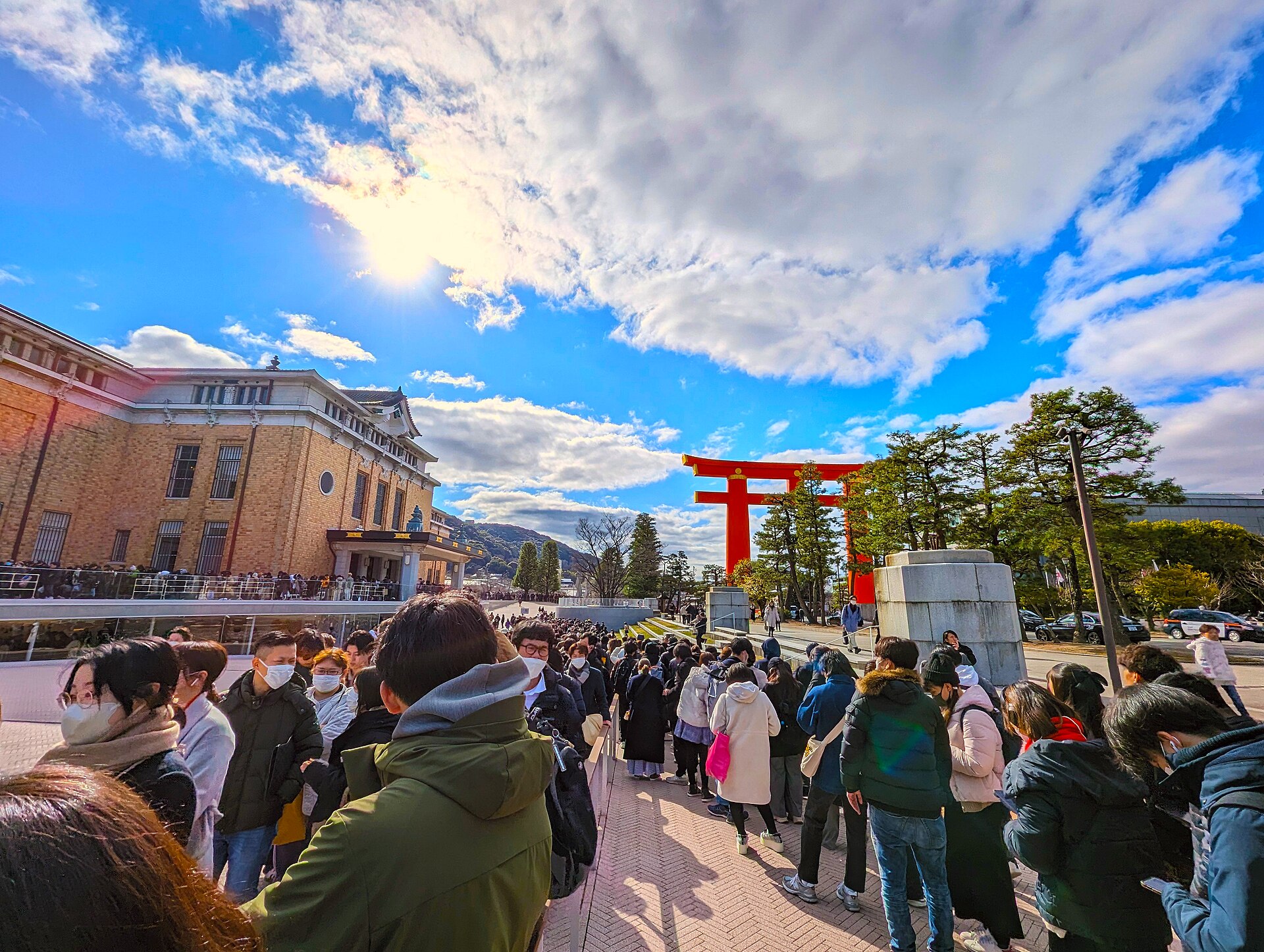
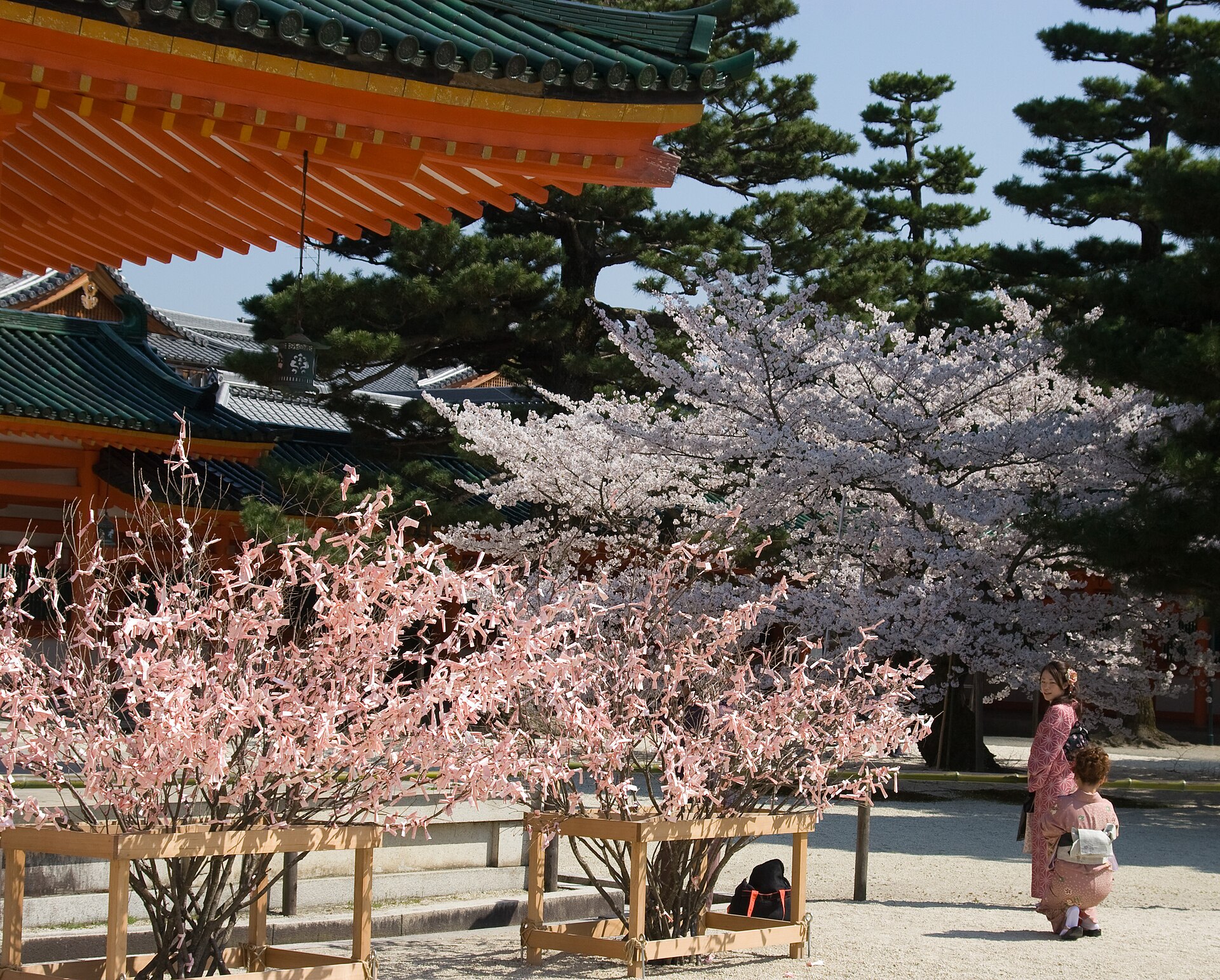
The shrine grounds encompass a large-scale garden complex that visitors traverse via covered walkways. The main structures include the Daigokuden, Otenmon, and other buildings replicating palace architecture. The Shin-en gardens surround the main shrine buildings and contain multiple ponds with islands and bridges. Cherry trees and irises are planted throughout the grounds. A torii gate stands at the approach. The garden areas are divided into sections representing different landscape styles. The overall composition creates a distinctive environment that distinguishes this site from more compact urban shrines.
Checked 2026-08-31 · Source
Visitors typically allocate between one and two hours for a complete circuit of Heian Shrine and its gardens. The expansive grounds reward unhurried pacing, particularly for those who wish to observe the architectural details and garden compositions thoroughly. Photography enthusiasts and visitors with strong interest in traditional Japanese aesthetics may prefer the upper end of this range. The covered walkways permit comfortable progression regardless of weather conditions. Those attending during peak bloom periods for cherry blossoms or irises should anticipate slower movement through crowded sections and adjust timing accordingly.
Checked 2026-08-31 · Source
Shrine precinct opens daily 06:00-18:00 in summer, with seasonal earlier closing. Shin-en Garden generally opens 08:30 and closes 17:30, earlier in winter. Visitors should consult the official website at https://www. heianjingu. or. jp/ for current opening schedules before planning their visit. The shrine hosts notable seasonal attractions including cherry blossom viewing in spring and iris bloom in early summer, which draw elevated visitor numbers. Autumn foliage provides another peak visitation period. Early morning arrival generally offers reduced crowding regardless of season. Weather considerations include the covered walkways providing shelter during precipitation, though garden paths may become slippery.
Checked 2026-08-31 · Source
Main shrine precinct is free. Shin-en Garden admission is JPY 600 adult and JPY 300 child. Visitors should consult the official website at https://www. heianjingu. or. jp/ for current admission fees before visiting. Historical patterns suggest separate pricing structures may apply for shrine grounds versus garden areas, though this requires direct verification. Visitors should carry sufficient cash as many traditional sites in Japan maintain cash-preferred operations regardless of broader trends toward cashless payment.
Checked 2026-08-31 · Source
Higashiyama station on the Tozai subway is about ten minutes away; Kyoto City Bus stop Okazaki Koen/Bijutsukan-Heian Jingu-mae is closest. Heian Shrine occupies a position in northeastern Kyoto accessible via multiple transportation options. The nearest subway station is Higashiyama on the Tozai Line, from which the shrine is reachable by walking. City bus routes serve stops in the vicinity. The location sits within reasonable walking distance of other major eastern Kyoto attractions including the Nanzen-ji temple complex and the Philosopher's Path corridor, permitting efficient itinerary clustering. Cycling represents another viable approach given Kyoto's relatively flat terrain in this sector. Visitors should consult current transit resources for route numbers and schedules as these undergo periodic adjustment.
Checked 2026-08-31 · Source
The broad shrine courtyard has step-free approaches and accessible toilets, while garden bridges, stepping stones and slopes limit the complete Shin-en route. The expansive grounds contain multiple pond areas where standard precautions regarding open water apply. Covered walkways feature changes in level and surface texture that merit attention, particularly during wet conditions. The scale of the complex can disorient visitors who fail to note their entry point. Crowding concentrates along primary circulation routes during peak seasons, creating bottlenecks at bridge crossings and viewpoint locations. Visitors should respect shrine protocols including appropriate behavior at sacred spaces and photography restrictions in designated areas. The combination of outdoor and semi-enclosed spaces creates variable temperature conditions; layered clothing accommodates these transitions.
Checked 2026-08-31 · Source
The architectural replications and garden compositions provide substantial photographic subject matter. The large torii gate offers a strong framing element for approach shots. Pond reflections of structures and seasonal plantings create mirrored compositions favored by visitors. Covered walkways permit equipment protection during precipitation. Tripod use policies are not documented and should be verified on-site. The scale of grounds permits isolation of subjects despite visitor presence during most periods. Morning and late afternoon light angles enhance dimensional qualities of the architecture. Visitors should observe any posted restrictions near specific structures or during ceremonial activities.
Checked 2026-08-31 · Source
Yes.
No; adult admission is JPY 600.
Yes.
Yes on main approaches.
No.
Higashiyama.
Loading the interactive map…
The interactive map could not be loaded.


Last updated:
Source: OpenStreetMap contributors ·