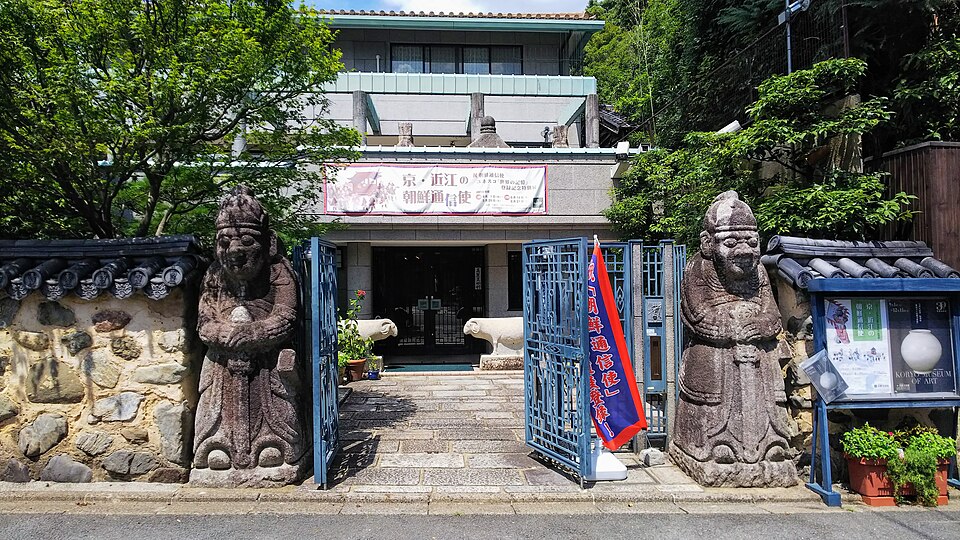
17 min walk
Koryo Museum of Art
- High
- Museum
Language · 11 published
Place of worship · Kyoto
大徳寺

Daitoku-ji is a major Zen Buddhist temple complex in northern Kyoto, Japan. Founded in the fourteenth century, it belongs to the Rinzai school of Japanese Zen Buddhism. The sprawling compound encompasses numerous sub-temples, each maintaining its own distinct character and garden. Daitoku-ji holds significant historical importance in Japanese cultural and religious history, having survived periods of warfare and political upheaval. The temple complex remains an active religious site and continues to serve as a center for Zen practice and teaching in contemporary Japan.
Checked 2026-08-26
The Daitoku-ji complex contains multiple sub-temples including Daisen-in, Koto-in, Ryogen-in, and Zuiho-in among others. Many sub-temples feature renowned dry landscape rock gardens designed for meditation contemplation. Various structures include main halls, gates, and abbot's quarters displaying traditional Japanese religious architecture. Some sub-temples maintain historic tea houses and garden settings associated with the Japanese tea ceremony. The compound also contains burial sites of prominent historical figures. Individual sub-temples may require separate admission and operate independently regarding visitor access. Daitoku-ji also earns time in a kyoto itinerary because WIKIDATA_PRODUCTION reconciliation for the ranked entry; identity and coordinates were verified without a nearby fallback. Its value becomes clearer when the stop is compared with the surrounding streets and the other ranked places nearby.
Checked 2026-08-26
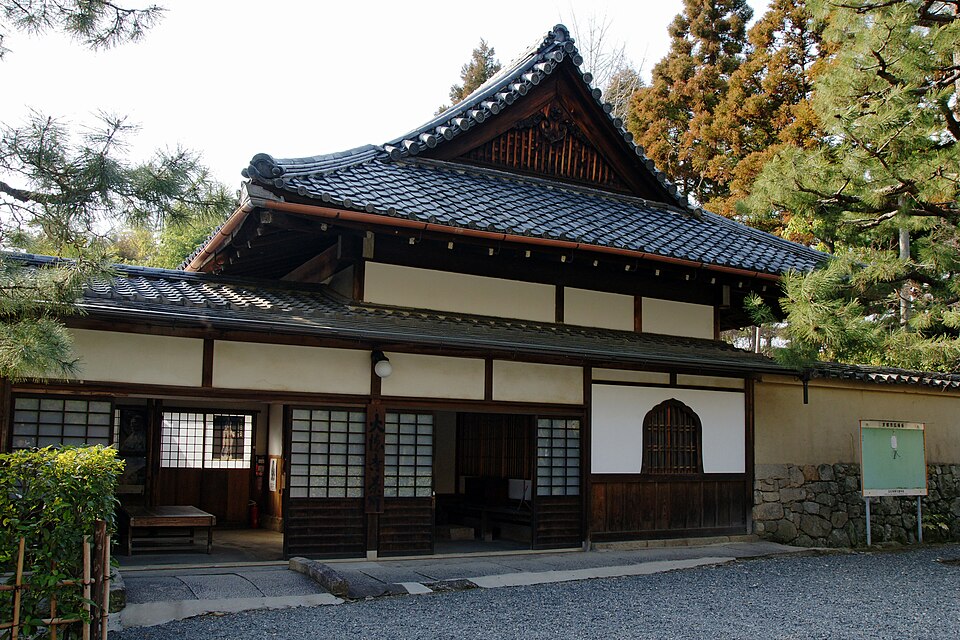
Visitors typically allocate between ninety minutes and half a day for exploring Daitoku-ji depending on interest level and number of sub-temples visited. A cursory walk through the main compound requires less time, while thorough examination of multiple sub-temples with their gardens extends the visit considerably. Those interested in Zen Buddhist architecture, garden design, or meditation spaces may wish to proceed slowly. The dispersed nature of the complex across its grounds necessitates walking between locations. Visitors should factor time for potential queues at popular sub-temples during peak periods.
Checked 2026-08-26

Operator-confirmed hours are Not recorded pending review. Visitors should consult official sources before planning their trip. Seasonal considerations may influence the experience of temple gardens and grounds. Spring and autumn traditionally attract increased visitor numbers to Kyoto's temple complexes due to natural scenery. Summer months bring heat and humidity that may affect comfort during extensive outdoor walking. Winter offers quieter atmosphere with potential atmospheric conditions. Morning visits generally provide calmer conditions before afternoon crowds accumulate. Individual sub-temples may maintain varying seasonal schedules independent of one another.
Checked 2026-08-26
Operator-confirmed prices are Not recorded pending review. Admission structures at Daitoku-ji typically involve separate fees for individual sub-temples rather than single comprehensive entry. Some areas of the main compound may be accessible without charge. Visitors should anticipate accumulating costs when visiting multiple sub-temples. Certain sub-temples may restrict general public access or require advance arrangements. Cash payment in Japanese yen remains standard at most temple facilities. Visitors should verify current admission policies and accepted payment methods through official channels before arrival to ensure adequate preparation.
Checked 2026-08-26

Daitoku-ji occupies a location in northern Kyoto accessible via public transportation. The complex lies within reasonable walking distance from certain train and bus stops serving the Kita Ward area. Visitors can utilize Kyoto's municipal bus network or railway services connecting to nearby stations. Cycling represents another viable option given Kyoto's relatively flat terrain and bicycle-friendly infrastructure. Taxis provide direct access for those prioritizing convenience. Signage in the surrounding neighborhood assists pedestrian navigation toward the temple complex. Visitors should consult current transit schedules and route maps from official transportation providers.
Checked 2026-08-26

Daitoku-ji functions as an active religious institution requiring respectful conduct throughout the grounds. Visitors should observe customary temple etiquette including appropriate volume levels and refraining from disruptive behavior. Footwear removal may be required when entering certain buildings. Photography restrictions apply in specific areas and structures. Individual sub-temples enforce their own regulations independently. The complex contains uneven surfaces, gravel paths, and steps that present mobility challenges. Weather-appropriate clothing and comfortable walking shoes prove essential. Visitors should remain attentive to directional signage and avoid entering restricted monastic residential areas.
Checked 2026-08-26
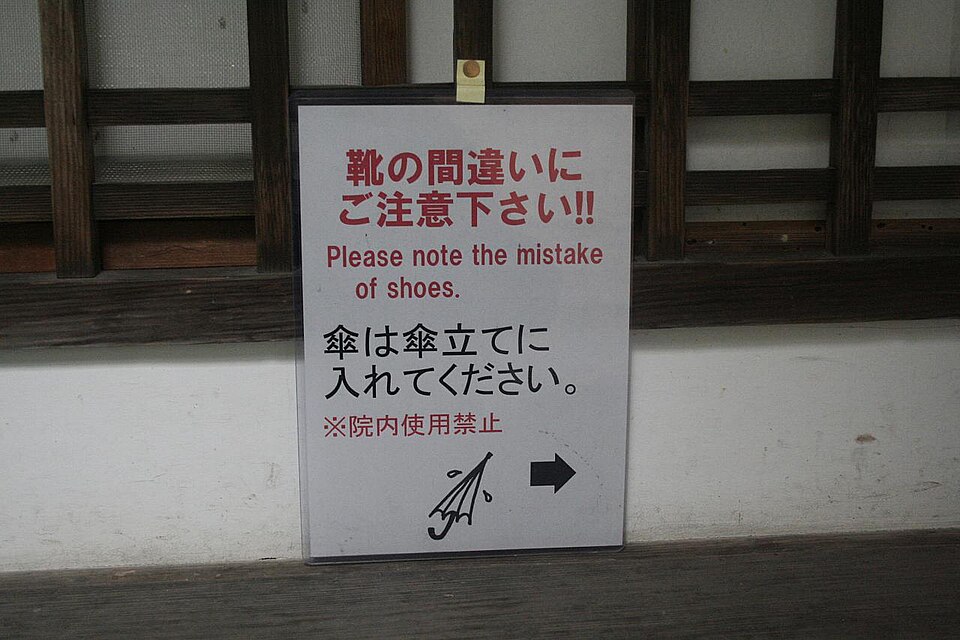
Photography policies at Daitoku-ji vary significantly across the complex. The main compound generally permits exterior photography of buildings and grounds. Individual sub-temples impose distinct restrictions that visitors must observe; many prohibit interior photography or camera use within garden viewing areas. Tripods and professional equipment may attract additional scrutiny or prohibition. Visitors should locate and comply with posted signage indicating specific restrictions at each location. When uncertain, seeking clarification from temple staff represents appropriate practice. Respect for worshippers and meditative atmosphere should guide all photography decisions regardless of explicit rules.
Checked 2026-08-26
Daitoku-ji comprises a main temple complex containing numerous sub-temples, each operating with considerable autonomy regarding access, admission, and visitor regulations.
Not recorded. Visitors interested in meditation opportunities should contact the temple administration directly to inquire about programs potentially available to the public.
Not recorded. Access policies vary among sub-temples, with some potentially restricting general visitation or requiring special arrangements.
Not recorded. Admission structures typically involve separate fees for individual sub-temples rather than comprehensive entry passes.
The complex presents challenges including gravel surfaces, steps, and uneven paths that may impede accessibility for some visitors.
Not recorded. Visitors should not assume availability of foreign-language materials and may wish to research independently before visiting.
Loading the interactive map…
The interactive map could not be loaded.
Last updated:
Source: OpenStreetMap contributors, Wikidata ·


.jpg)