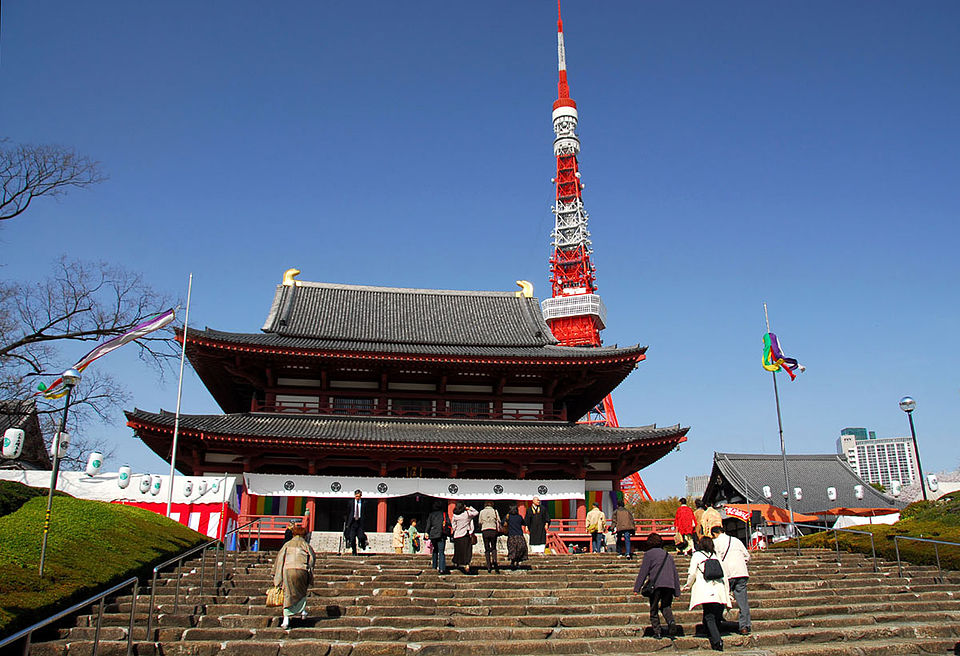
4 min walk
Zōjō-ji Temple
- Must see · Heritage site
- Place of worship
Language · 11 published
Historic monument · Tokyo
東京タワー
| Monday | 09:00 – 23:00 |
|---|---|
| Tuesday | 09:00 – 23:00 |
| Wednesday | 09:00 – 23:00 |
| Thursday | 09:00 – 23:00 |
| Friday | 09:00 – 23:00 |
| Saturday | 09:00 – 23:00 |
| Sunday | 09:00 – 23:00 |
Parsed from OpenStreetMap opening hours on 2026-08-26.
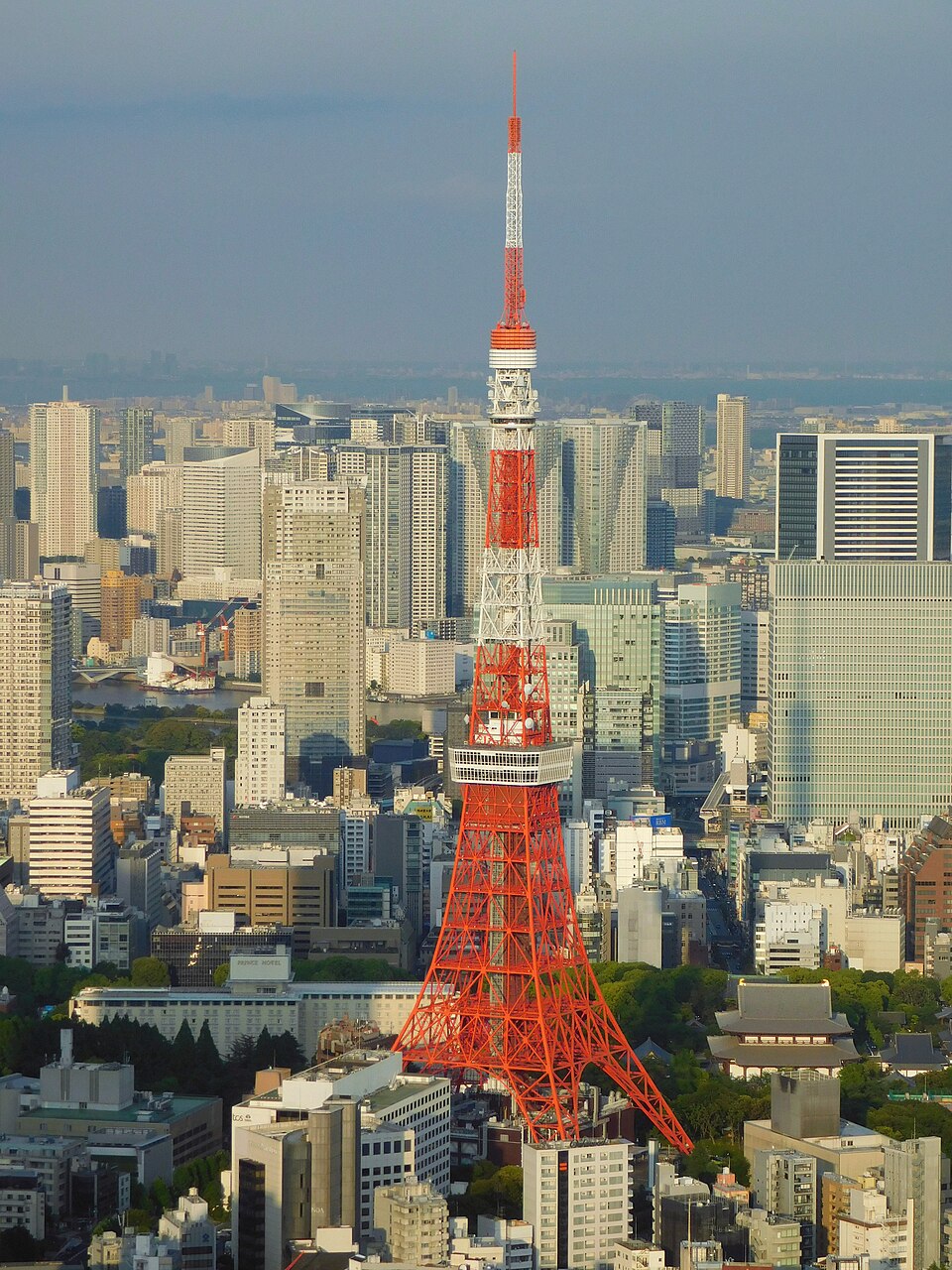
Tokyo Tower is a communications and observation tower located in the Minato ward of Tokyo. The structure serves as a broadcasting antenna for television and radio signals. Its design draws inspiration from the Eiffel Tower in Paris, though it is painted in distinctive white and international orange to comply with air safety regulations. The tower has become a recognizable landmark in the Tokyo skyline. Visitors can access observation decks that provide panoramic views of the surrounding metropolitan area. The structure stands as one of the most visited tourist attractions in Japan's capital city, drawing both domestic and international travelers throughout the year.
Checked 2026-08-26
The tower contains multiple observation levels for visitors to experience elevated views of Tokyo. The main observatory sits at a significant height above ground level, with a special observatory positioned even higher for those seeking more expansive vistas. Within the tower base, commercial facilities include souvenir shops offering Tokyo Tower branded merchandise and memorabilia. Dining options are available for visitors who wish to eat during their visit. Exhibition spaces sometimes display materials related to the tower's history and construction. The exact current tenant mix and specific floor arrangements should be verified directly with the operator, as retail and restaurant offerings may change over time without advance public notice.
Checked 2026-08-26

A typical visit to Tokyo Tower requires approximately one to two hours for most travelers. This duration accounts for queueing at entry points, ascending to observation levels, time spent viewing the cityscape from various angles, and descending. Visitors who plan to dine at tower restaurants or extensively browse retail spaces should allocate additional time accordingly. Photography enthusiasts often spend longer periods at the observation decks waiting for optimal lighting conditions or seeking specific vantage points. The total time needed varies substantially based on crowd levels, which fluctuate according to season, day of week, and time of day. Personal pacing preferences significantly affect visit duration.
Checked 2026-08-26
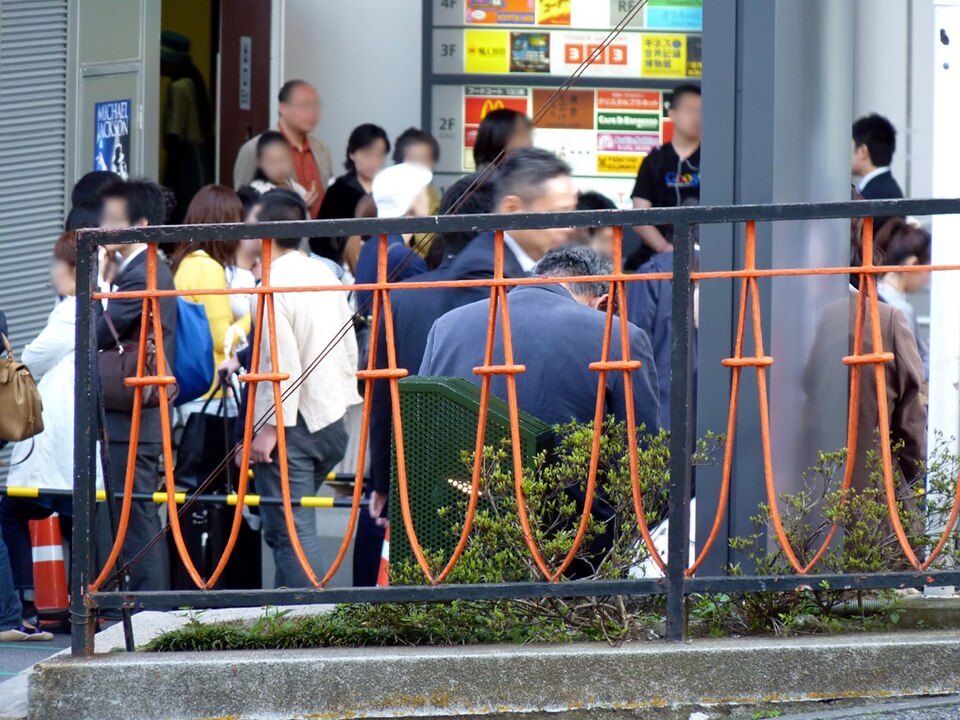
Tokyo Tower can be visited throughout the year, though individual preferences for weather and visibility should guide timing decisions. Clear days offer superior viewing conditions from the observation decks, while overcast or rainy weather may obscure distant landmarks. Evening visits provide opportunities to observe the illuminated cityscape, though nighttime visibility of distant features diminishes. Seasonal variations in daylight hours affect the experience of both daytime and evening visits. Operator-confirmed hours are Not recorded pending review. Visitors should consult official sources before travel to confirm current opening schedules, as these may be adjusted for maintenance, special events, or unforeseen circumstances without extensive advance notification to the general public.
Checked 2026-08-26
Admission to Tokyo Tower observation decks requires purchase of entry tickets. Multiple ticket categories may exist, potentially including distinctions between main observatory and special observatory access. Discounted rates for specific visitor demographics such as children, students, or seniors may be available, though eligibility criteria vary by facility policy. Combination tickets incorporating additional services or attractions sometimes provide alternative pricing structures. Operator-confirmed prices are Not recorded pending review. Payment methods accepted at the venue should be verified in advance, particularly regarding cash versus electronic payment options. Visitors are advised to consult the official Tokyo Tower website or authorized ticketing partners for current pricing, as rates may be revised and promotional periods may introduce temporary modifications to standard admission costs.
Checked 2026-08-26

Tokyo Tower occupies a position in central Tokyo accessible through multiple transportation options. Several Tokyo Metro subway stations serve the surrounding Minato ward area, requiring additional walking or transfer to local bus services to reach the tower entrance. The nearest rail stations include those on the Toei Subway and Tokyo Metro networks. Bus routes operated by various municipal and private companies stop in proximity to the tower. Walking from nearby stations involves navigating urban streets that may include inclines. Taxi and ride-hailing services provide alternative access, though traffic conditions in central Tokyo vary considerably by time of day. Visitors should consult current transit maps and schedules, as route information changes periodically.
Checked 2026-08-26
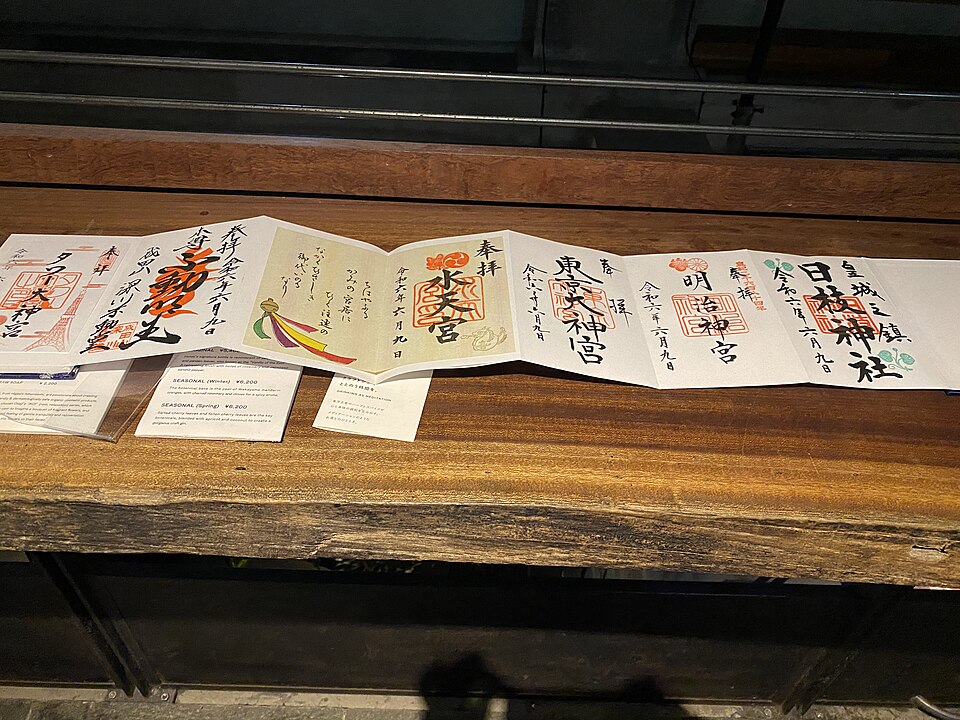
Visitors should anticipate crowds during peak tourist seasons, weekends, and holiday periods, which affect queue times and observation deck congestion. Weather conditions directly impact visibility from upper levels, and cloud cover or atmospheric haze may disappoint visitors expecting clear panoramic views. The tower's exterior illumination schedule varies, and visitors hoping to photograph the lit structure should verify timing. Personal belongings require attention in crowded elevator and observation spaces. Height exposure at upper levels may discomfort visitors with acrophobia. Emergency evacuation procedures, posted at observation areas, should be noted. Visitors with mobility considerations should confirm elevator access and any stair-only areas in advance with facility staff to ensure appropriate accommodation.
Checked 2026-08-26
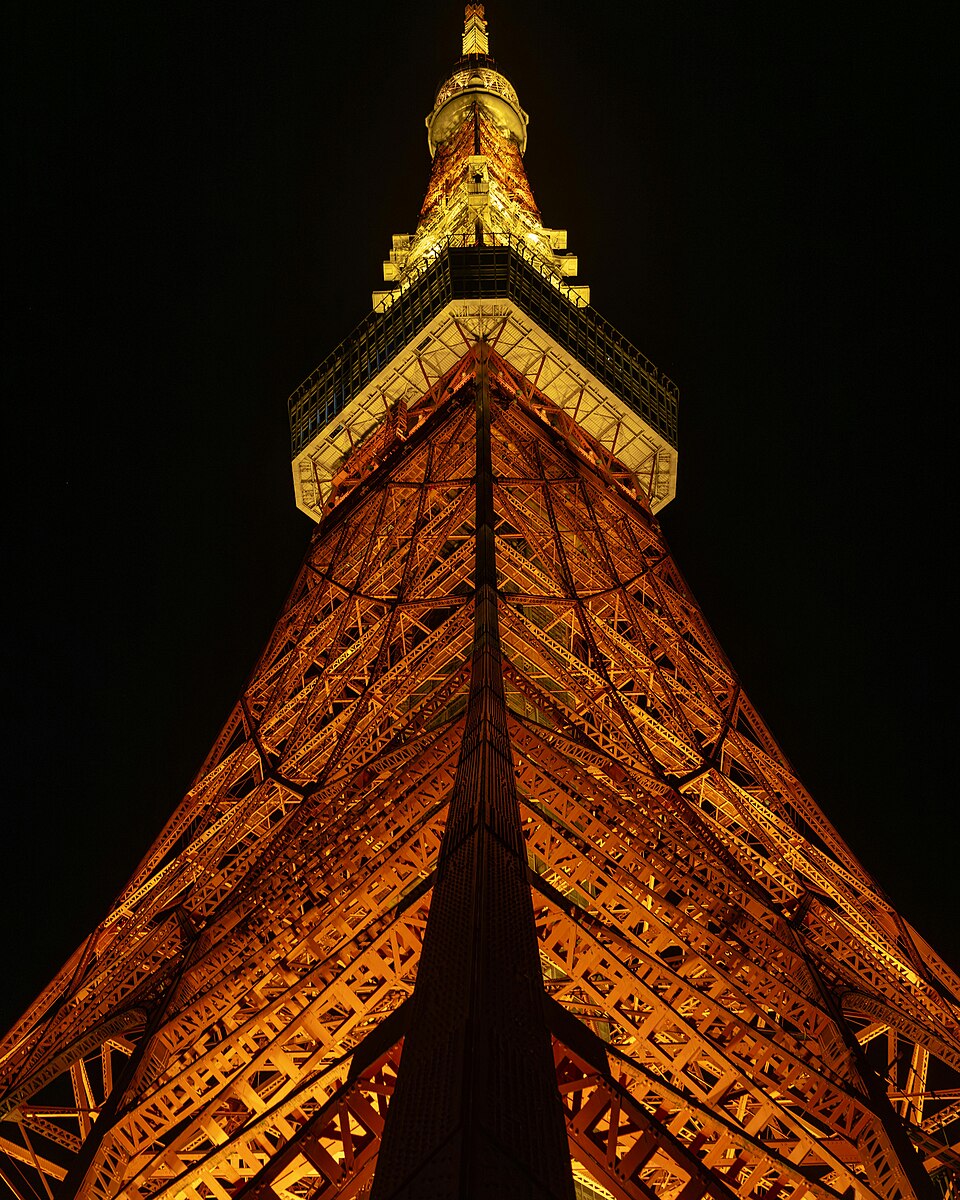
The observation decks of Tokyo Tower permit photography of the surrounding urban landscape, offering perspectives across the Tokyo metropolitan region. Glass barriers and structural elements partially obstruct some sightlines, requiring creative positioning for unobstructed shots. Reflections from interior lighting and window surfaces present technical challenges for photographers, particularly during evening hours. Tripod use policies should be confirmed with staff, as restrictions may apply in crowded spaces. The tower itself is frequently photographed from surrounding streets and parks, with several publicly accessible locations providing contextual views of the structure against the city backdrop. Night photography of the illuminated tower requires stabilization due to low light conditions. Commercial photography may require advance permission from management.
Checked 2026-08-26
Not recorded.
Operator-confirmed hours are Not recorded pending review.
Operator-confirmed prices are Not recorded pending review.
Visitors with mobility considerations should confirm elevator access and any stair-only areas in advance with facility staff.
Visitors are advised to consult the official Tokyo Tower website or authorized ticketing partners for current purchasing options.
Several Tokyo Metro and Toei Subway stations serve the surrounding area; visitors should consult current transit maps for optimal routing.
Loading the interactive map…
The interactive map could not be loaded.
Last updated:
Source: OpenStreetMap contributors, Wikidata ·


.jpg)


