

13 min walk
Sumida River
- Notable
- Nature site
Language · 11 published
Nature site · Tokyo
向島百花園
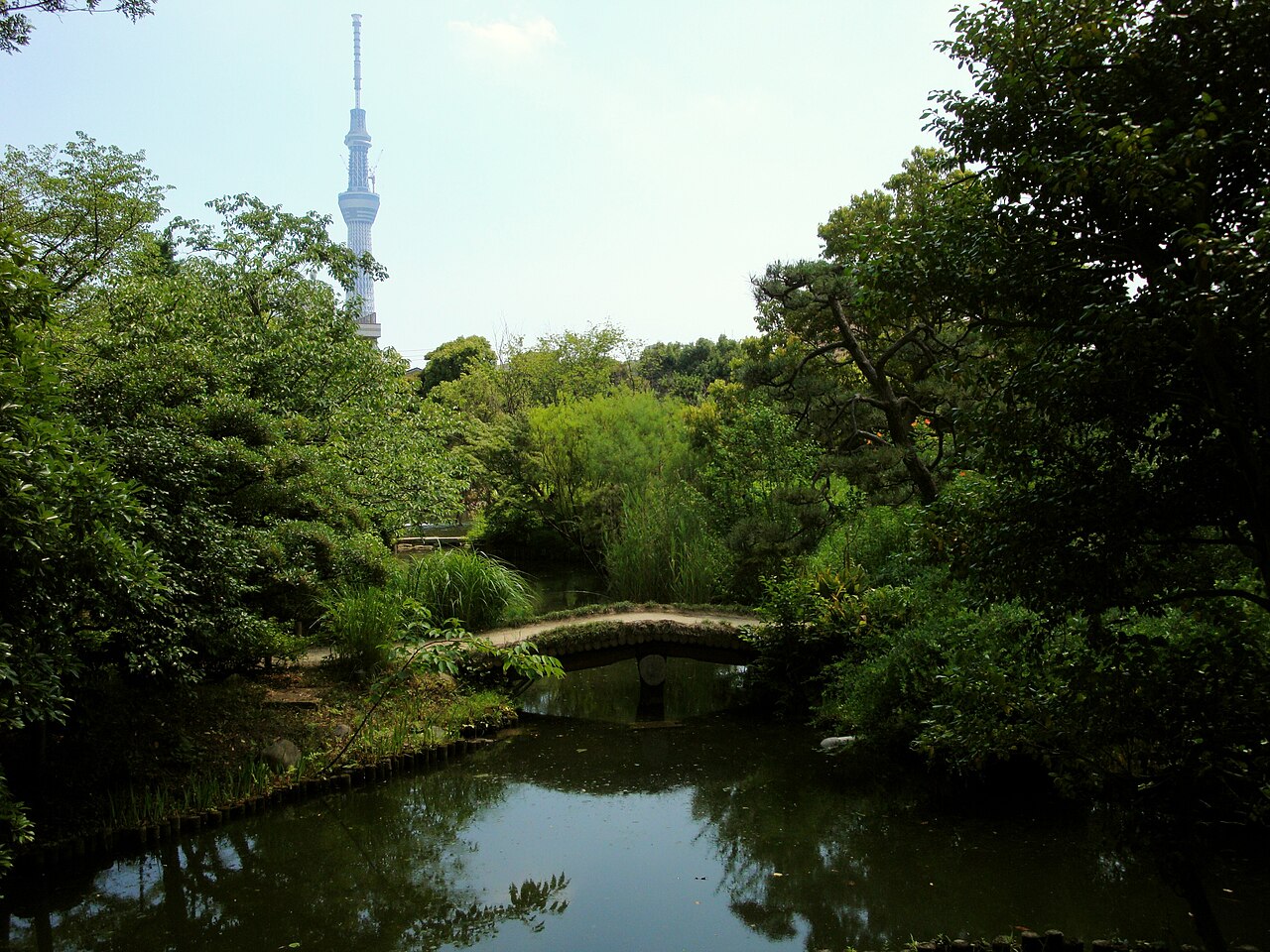
Mukojima-Hyakkaen Gardens is a historic garden located in the Mukojima area of Tokyo's Sumida Ward. The garden was originally established in the early nineteenth century by a wealthy antique dealer, Sahara Kikuu, who created it as a place for enjoying flowers and poetry with literary friends. It was later rebuilt and expanded. The name Hyakkaen translates to garden of a hundred flowers, reflecting its original purpose as a flower-viewing garden for all seasons rather than a daimyo garden or temple garden. Mukojima-Hyakkaen Gardens also earns time in a tokyo itinerary because Tokyo production has zero POIs assigned through city_place_id, so no identifier or coordinate is inferred. Its value becomes clearer when the stop is compared with the surrounding streets and the other ranked places nearby.
Checked 2026-08-26
The garden features a circuit-style layout with paths winding through various planted areas. It contains numerous flowering plants and trees selected for seasonal interest throughout the year. There are traditional garden structures including teahouses and rest shelters. A central pond forms part of the garden's design. The grounds include stone monuments and literary inscriptions connected to the garden's history as a gathering place for poets and scholars. The garden maintains its character as a flower garden with dense plantings rather than open lawn spaces.
Checked 2026-08-26
Visitors typically spend between thirty minutes and one hour walking the garden paths. The compact size of the grounds allows for a complete circuit without requiring extensive walking. Those with strong interest in horticulture, seasonal flowers, or the garden's literary associations may choose to spend additional time examining plantings and reading inscriptions. Photography and quiet contemplation can extend a visit. The garden's intimate scale suits brief visits incorporated into longer itineraries exploring the Mukojima and Asakusa areas along the Sumida River.
Checked 2026-08-26
The garden offers seasonal flower interest throughout the year, with different plantings prominent in each season. Spring and autumn bring notable floral displays. Summer and winter have their own characteristic plants. Visitor judgement suggests weekday mornings may offer quieter experiences than weekends. The garden's location in a residential neighborhood affects ambient conditions. Visitors should verify current opening times through official channels before planning a visit, as seasonal variations or special circumstances may affect accessibility. Check the operator's own site for the travel date before relying on a schedule or fare.
Checked 2026-08-26
Admission to Mukojima-Hyakkaen Gardens requires payment of an entrance fee. The garden operates as a publicly accessible cultural facility with established pricing. Discounts may apply for certain visitor categories based on standard Japanese garden practices, though specific categories are not confirmed. Visitors should carry sufficient cash, as many traditional gardens in Tokyo do not accept card payments. Annual passes or combination tickets with other local attractions may be available but require verification with garden staff or official sources. Check the operator's own site for the travel date before relying on a schedule or fare.
Checked 2026-08-26
The garden is located in Sumida Ward near the Sumida River. Access is possible via multiple train lines serving the Mukojima and Higashi-Mukojima station areas. Walking from nearby stations through residential streets is required. The garden's position east of the historic Asakusa district allows for combined itineraries. Bus services operate in the surrounding area. Cycling is feasible given Tokyo's bike-friendly infrastructure. Signage in Japanese assists with final approach navigation. Visitors should consult current transit resources for route planning, as train and bus schedules undergo periodic adjustments.
Checked 2026-08-26
The garden paths may be narrow, uneven, or slippery, particularly during wet weather, requiring appropriate footwear. Mosquitoes are present during warmer months in garden environments. The residential surroundings mean noise discipline is expected. Some structures may have restricted access. Seasonal plantings determine visible features, so expectations should match timing. The garden lacks the expansive scale of major Tokyo parks. Visitor facilities are limited compared to modern attractions. Weather protection is minimal along paths. Elderly visitors or those with mobility limitations should assess path conditions carefully before entering.
Checked 2026-08-26
Photography for personal use is generally permitted in Japanese public gardens, though tripod use may be restricted or require permission. The dense plantings and traditional structures offer composition opportunities. Morning and afternoon light conditions vary by season due to surrounding buildings. Close-up flower photography is well-suited to the garden's character. The pond provides reflection possibilities when water is calm. Crowding affects shot timing, particularly during peak flower periods. Commercial or posed photography may require advance arrangement with garden administration. Respect for other visitors and plant protection rules should guide all photographic activity.
Checked 2026-08-26
It is a known historic garden with literary significance, though less internationally prominent than some Tokyo gardens like Rikugien or Hamarikyu.
The garden features seasonal flowers throughout the year; specific current plantings should be verified as cherry trees are not its primary focus.
English availability at traditional Japanese gardens varies; visitors should not assume comprehensive English signage or brochures.
Traditional garden paths with gravel, steps, and narrow sections present challenges; individual assessment of current conditions is advisable.
Standard Japanese garden etiquette discourages eating within garden grounds; designated eating areas if any should be confirmed on site.
Seasonal events may occur given the garden's flower-focused character; current programming is not recorded and requires direct verification.
Loading the interactive map…
The interactive map could not be loaded.
Last updated:
Source: OpenStreetMap contributors, Wikidata ·