

7 min walk
West Lake
- Must see
- Nature site
Language · 11 published
Place of worship · Hanoi
| Monday | 05:00 – 19:00 |
|---|---|
| Tuesday | 05:00 – 19:00 |
| Wednesday | 05:00 – 19:00 |
| Thursday | 05:00 – 19:00 |
| Friday | 05:00 – 19:00 |
| Saturday | 05:00 – 19:00 |
| Sunday | 05:00 – 19:00 |
Checked 2026-08-31 · Source
Read from the OpenStreetMap access tags; anything not listed has no tag recorded.
Set the group type to family in the planner and the day window contracts to about three quarters of a solo day.
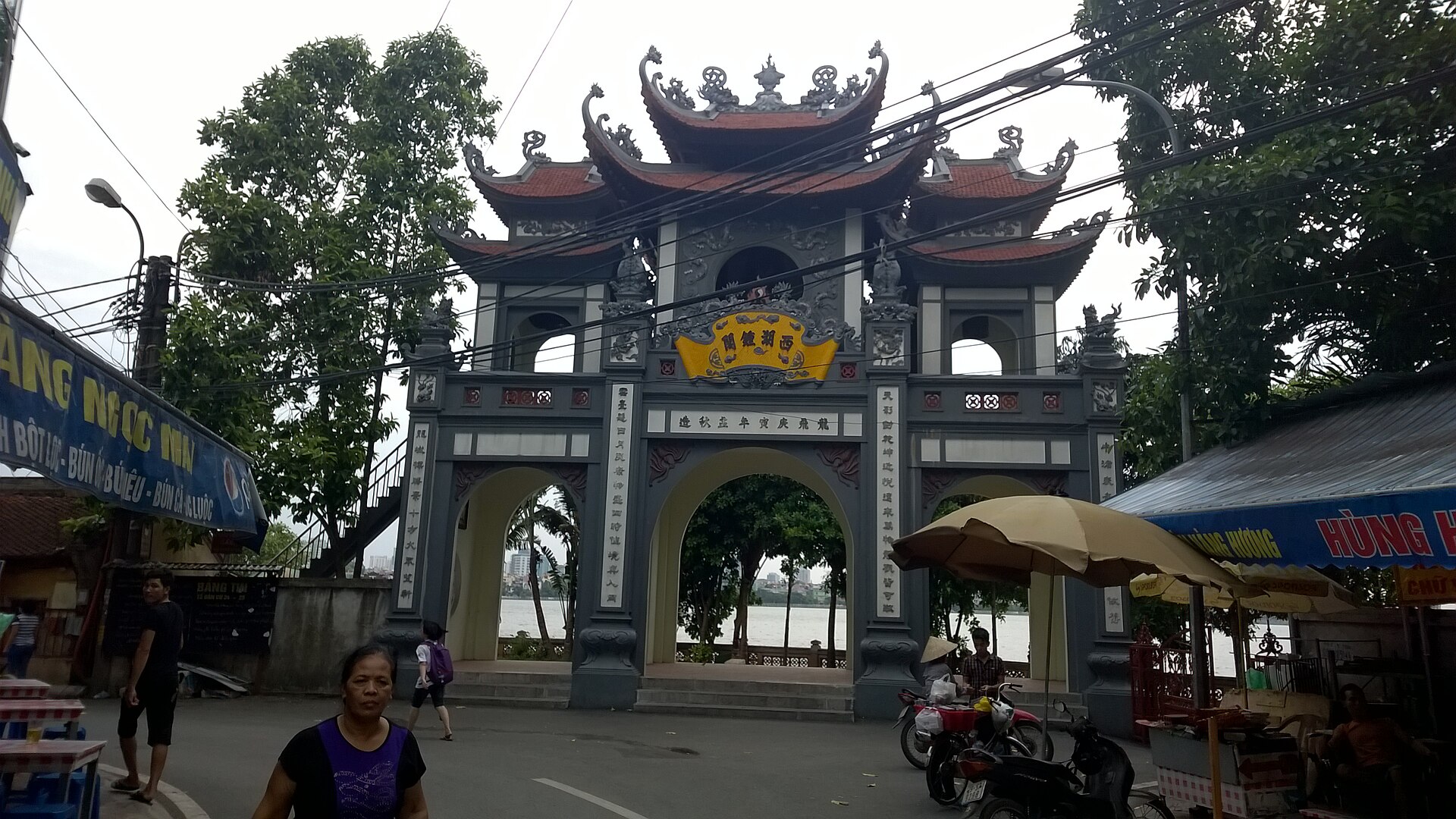
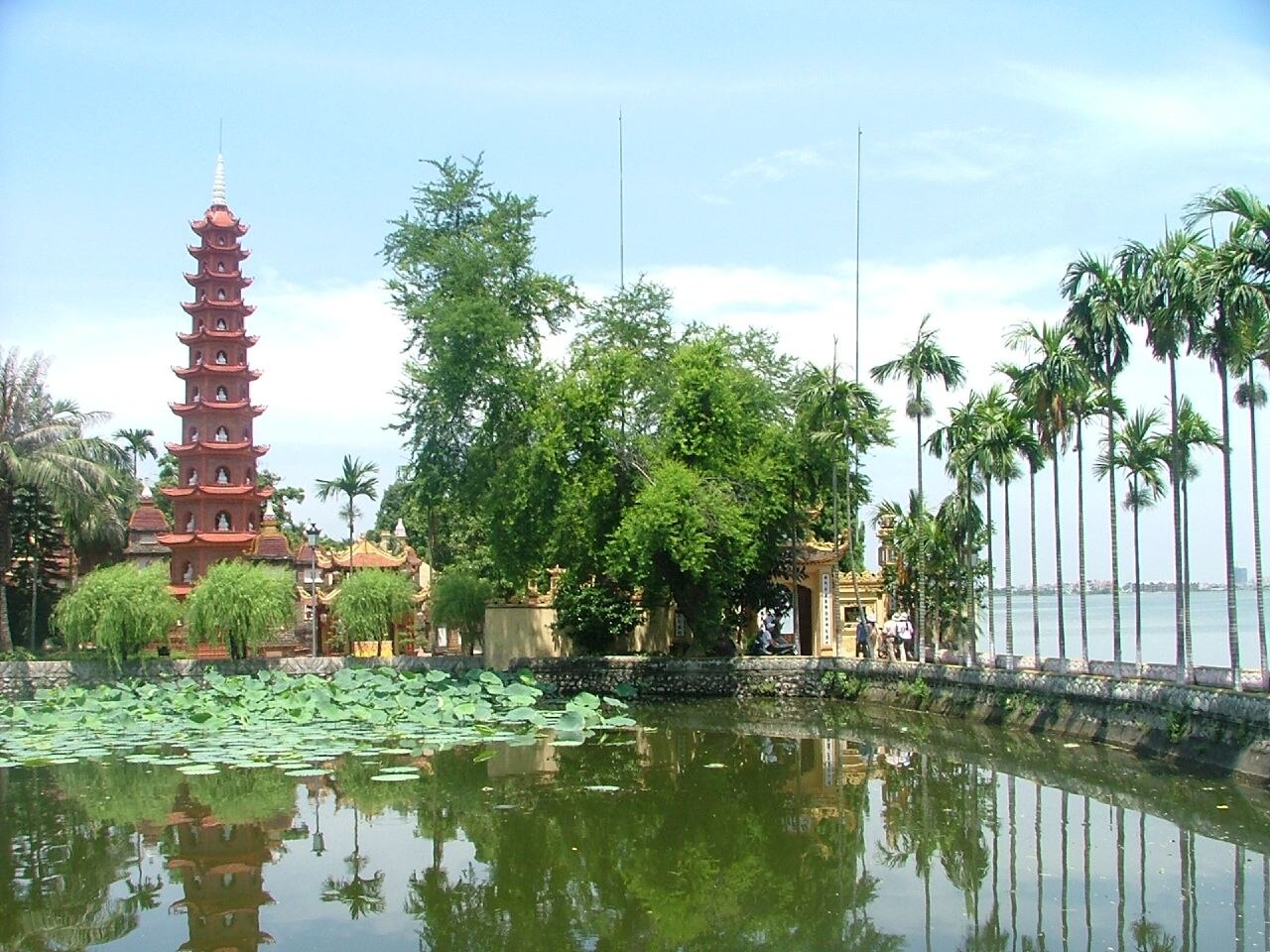
Phủ Tây Hồ is a prominent temple complex situated on the northern shore of West Lake in Hanoi, Vietnam. The site holds significant religious importance as a center of Mother Goddess worship, a spiritual tradition deeply embedded in Vietnamese folk religion. The temple complex serves as an active place of worship and pilgrimage, attracting devotees and visitors alike. Its location on Hanoi's largest freshwater lake provides a distinctive setting that distinguishes it from other religious sites in the capital. The temple represents an important cultural institution where spiritual practices continue in contemporary urban Hanoi.
Checked 2026-08-31 · Source
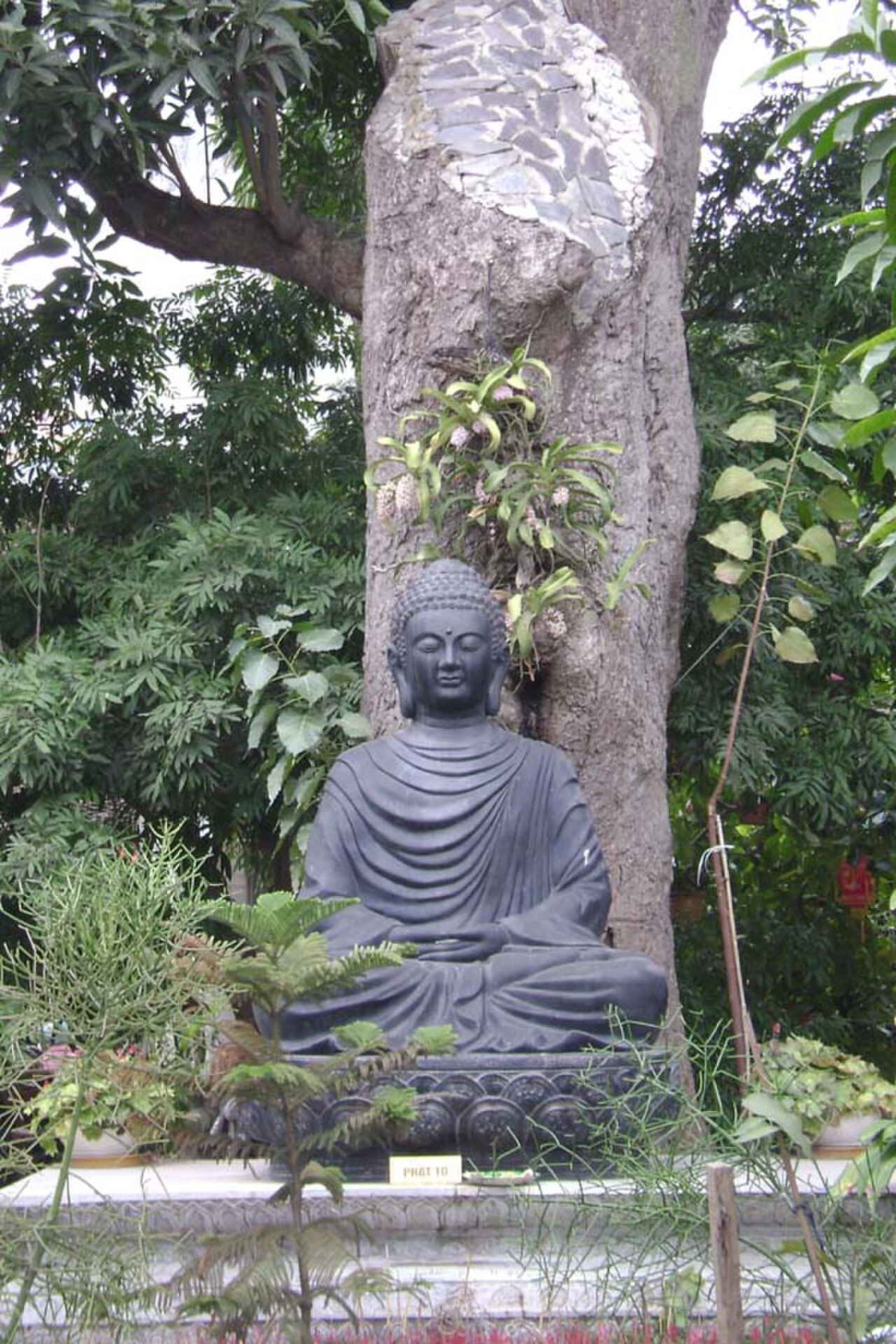
The temple complex contains traditional Vietnamese religious architecture with structures dedicated to various deities within the Mother Goddess pantheon. Visitors will encounter ornate altars, ritual spaces, and decorative elements typical of Vietnamese temple design. Incense burners and offerings indicate active worship. The buildings feature curved tile roofs and wooden construction consistent with northern Vietnamese temple architecture. Sacred spaces are arranged according to religious significance, with main halls for primary veneration and subsidiary shrines for associated figures. The lakeside setting contributes to the atmospheric quality of the temple grounds, with water views complementing the spiritual environment.
Checked 2026-08-31 · Source
A visit to Phủ Tây Hồ typically requires between forty-five minutes and ninety minutes depending on individual interest in religious observation and architectural examination. Devotees engaging in prayer or ritual activities may spend additional time. Casual visitors exploring the grounds, observing worship practices, and appreciating the lakeside location generally find one hour sufficient. Those with particular interest in Vietnamese folk religion, temple architecture, or photography may extend their stay. The compact nature of the temple complex means extensive walking is not required, allowing efficient visitation even with limited time in Hanoi.
Checked 2026-08-31 · Source
Daily 05:00–19:00 The municipal tourism listing publishes one daily opening span and no regular closure day. Tây Hồ’s public authority also documented the monument operating and receiving worshippers in 2026. Visitors should independently verify opening times before planning their visit. The temple functions as an active religious site, so early morning and evening hours may coincide with worship activities. Weekends typically draw more worshippers than weekdays. The West Lake location offers potential atmospheric advantages during sunrise and sunset, though interior access depends on operational hours. Seasonal considerations for Hanoi include hot humid summers and cooler dry winters, with personal comfort preferences influencing timing.
Checked 2026-08-31 · Source
Free general admission. Visitors should verify whether admission fees apply before visiting. As an active religious site, the temple may operate without formal ticketing for general access, though donations are commonly expected at Vietnamese temples. Optional contributions for incense, offerings, or religious services may be available. Any fees for photography, special ceremonies, or guided services require direct confirmation with temple administration. Visitors should carry small denomination Vietnamese currency for potential donations or incidental purchases. Financial arrangements at religious sites in Vietnam often operate informally, with discretion left to individual visitors.
Checked 2026-08-31 · Source
The official address is 71 ngõ 50 Đặng Thai Mai, Tây Hồ ward. Transerco bus route 13 stops on Lạc Long Quân; from that corridor, continue via Đặng Thai Mai and ngõ 50 to the temple. Taxis and ride-hailing vehicles can use the same named entrance route. Phủ Tây Hồ occupies a position on the northern edge of West Lake, accessible from multiple directions within Hanoi's urban fabric. The temple's location in the Tay Ho district places it within reasonable distance of Hanoi's historic core, though not immediately adjacent. Various transportation options serve the West Lake area including motorbike taxis, ride-hailing services, and conventional taxis. Cyclists may find the lakeside roads navigable though traffic conditions vary. Public bus routes operate in the broader West Lake vicinity.
Checked 2026-08-31 · Source
The outer approach and courtyard are paved. Official site imagery shows stairs and raised thresholds at worship buildings, so access to the complete complex is not step-free. Visitors using wheelchairs or mobility aids should plan for assistance at the stepped worship-hall entrances. Visitors must observe appropriate conduct at this active religious site. Modest dress covering shoulders and knees demonstrates respect for worshippers and sacred spaces. Photography restrictions may apply in certain interior areas; visitors should seek guidance or observe posted indications. Incense smoke concentration can affect respiratory sensitivity. The temple's popularity means crowding during festival periods and peak visitation times. Lakeside proximity presents no specific hazard though standard water safety awareness applies. Visitors should remain attentive to personal belongings in any tourist-frequented location. Interaction with worshippers requires sensitivity; observing quietly generally proves preferable to intrusive behavior during devotional activities.
Checked 2026-08-31 · Source
Photographic opportunities at Phủ Tây Hồ encompass traditional Vietnamese temple architecture, decorative religious elements, and the distinctive West Lake waterside setting. Exterior views capture the relationship between built structures and natural surroundings. Interior photography requires careful attention to respectful practice and any restrictions on recording sacred spaces or worshippers. Natural lighting conditions vary throughout the day, with morning and late afternoon potentially offering favorable illumination. The contrast between ornate temple details and expansive lake views provides compositional variety. Visitors should prioritize spiritual atmosphere over intrusive documentation, maintaining awareness that active worshippers are not photographic subjects without explicit consent.
Checked 2026-08-31 · Source
The complex is a centre of Vietnamese Mother Goddess worship associated with the Tam phủ tradition and Liễu Hạnh.
The Tây Hồ public heritage portal lists 71 ngõ 50 Đặng Thai Mai, Tây Hồ ward, Hanoi.
The complex is divided into the main palace and Điện Sơn Trang; the main palace contains three connected sections, while Điện Sơn Trang honours Đệ Nhị Thượng Ngàn and associated figures.
The public heritage portal records ceremonies on the 3rd day of the 3rd lunar month and the 13th day of the 8th lunar month.
Yes. It was recognised as a national artistic monument under Decision 310/QĐ dated 13 February 1996.
MyHanoi gives a suggested visit duration of 120 minutes.
Loading the interactive map…
The interactive map could not be loaded.
Last updated:
Source: OpenStreetMap contributors, Wikidata ·