
.jpg)


209 min walk
Son Tay Ancient Citadel
- Must see
- Historic monument
Language · 11 published
Nature site · Hanoi
Vườn quốc gia Ba Vì
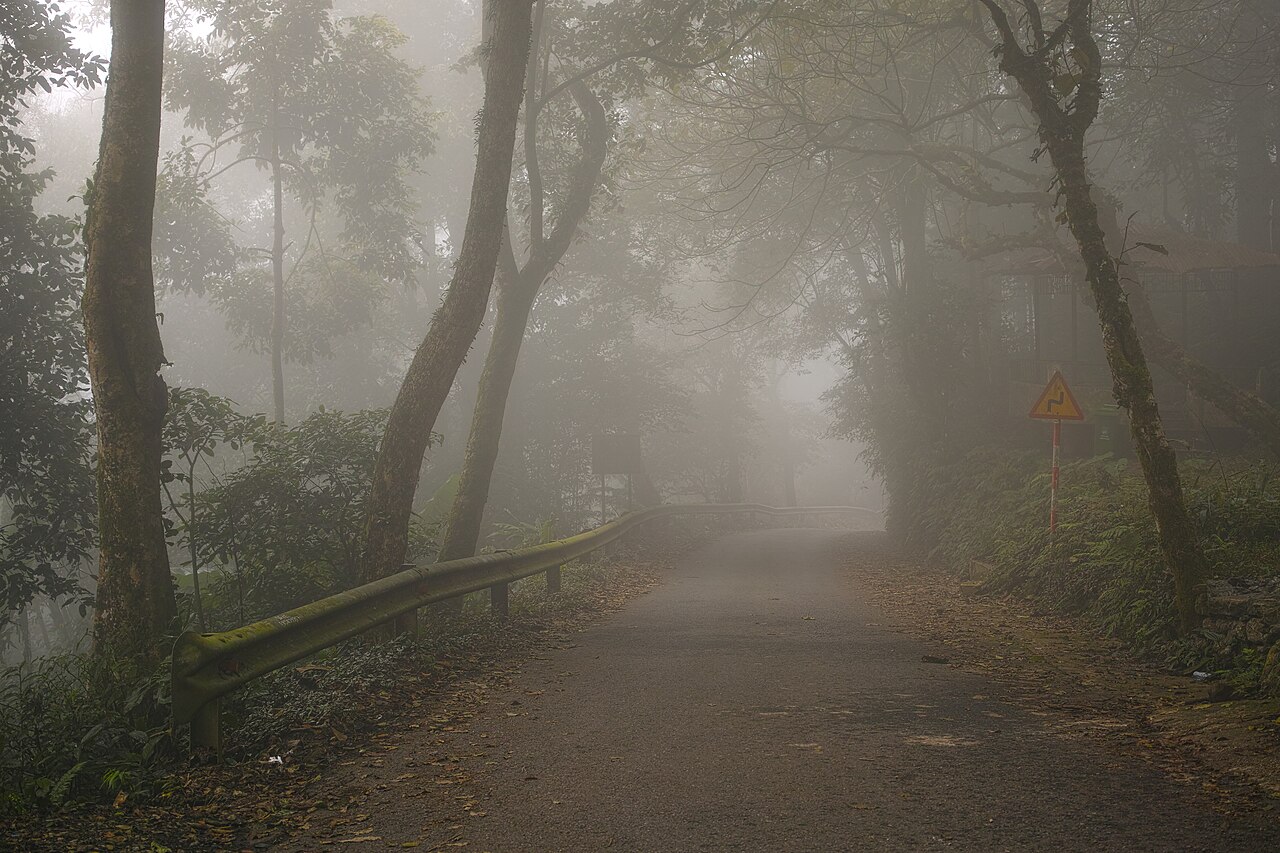
Ba Vi National Park is a mountainous protected landscape west of Hanoi, rising above the Red River Delta. It is a strong choice when you want forest, cooler mountain air, and open countryside instead of another urban attraction. The park combines ecological scenery with religious and historical places, making it suitable for travelers who enjoy walking, viewpoints, and a quieter day outside the capital. The mountain setting gives the visit a different rhythm from Hanoi’s busy streets and dense historic quarters. Ba Vi National Park is a protected natural area located west of Hanoi in northern Vietnam. The park encompasses mountainous terrain within the Ba Vi mountain range, which rises prominently from the surrounding Red River Delta plains. Established as a national park, it serves as a significant ecological reserve near the capital. The area contains tropical and subtropical forest ecosystems at varying elevations. Its proximity to Hanoi makes it a common destination for residents seeking natural surroundings. Yes, the park's proximity to Hanoi makes day trips feasible, though early departure maximizes available time given travel duration and potential weather variations.
Checked 2026-08-26 · Source
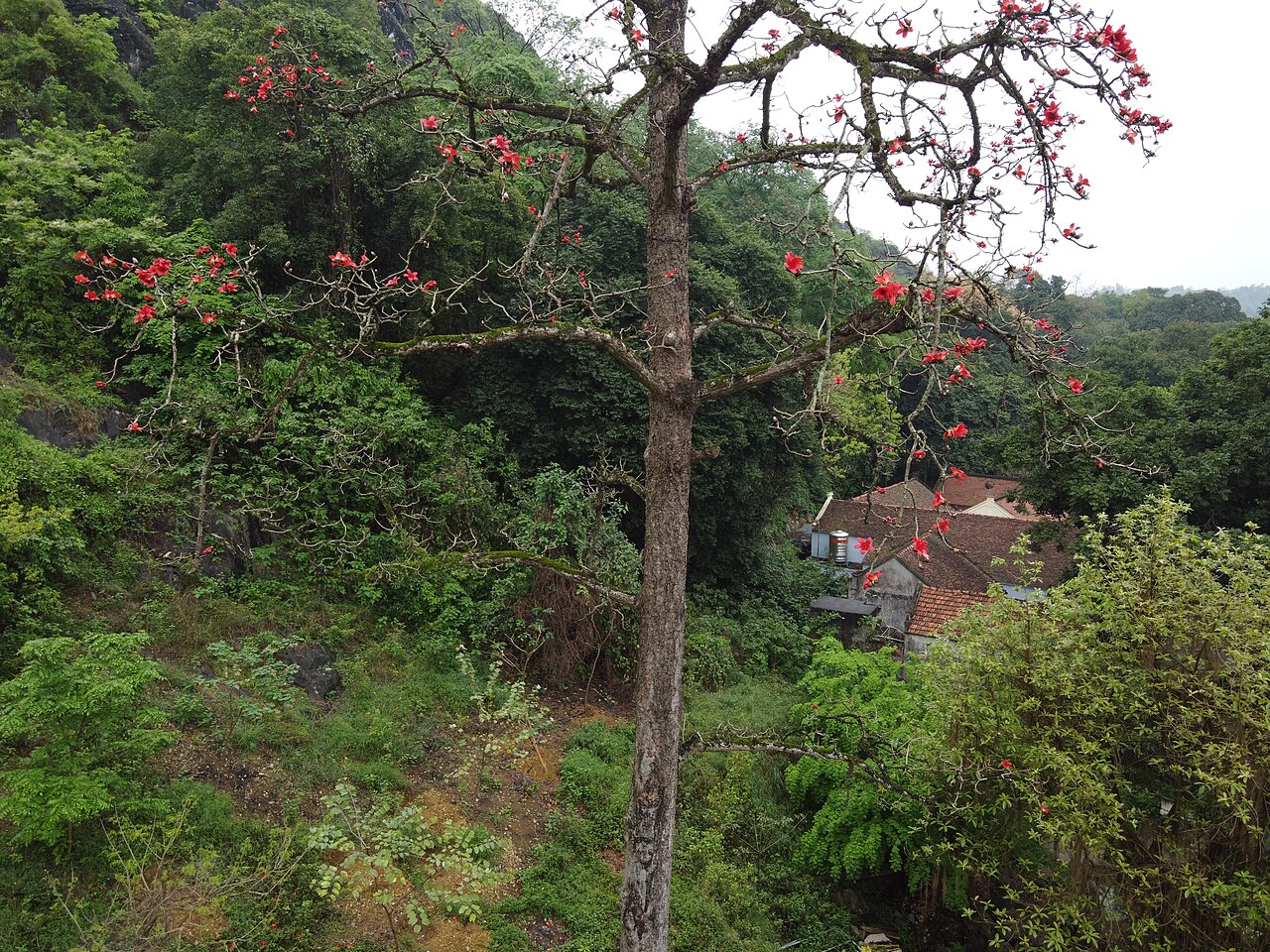
Expect forested slopes, changing vegetation at different elevations, mountain streams, and several prominent peaks. The park includes the Ba Vi mountain range, whose highest areas rise clearly above the surrounding plain. Paths and roads lead through a mixture of older forest, regrowth, and reforested land. A temple complex adds a spiritual dimension to the landscape. Wildlife lives in the protected woodland, although the experience is primarily about scenery, atmosphere, and walking rather than guaranteed animal sightings. Fog can make the forest feel especially atmospheric.
Checked 2026-08-26 · Source
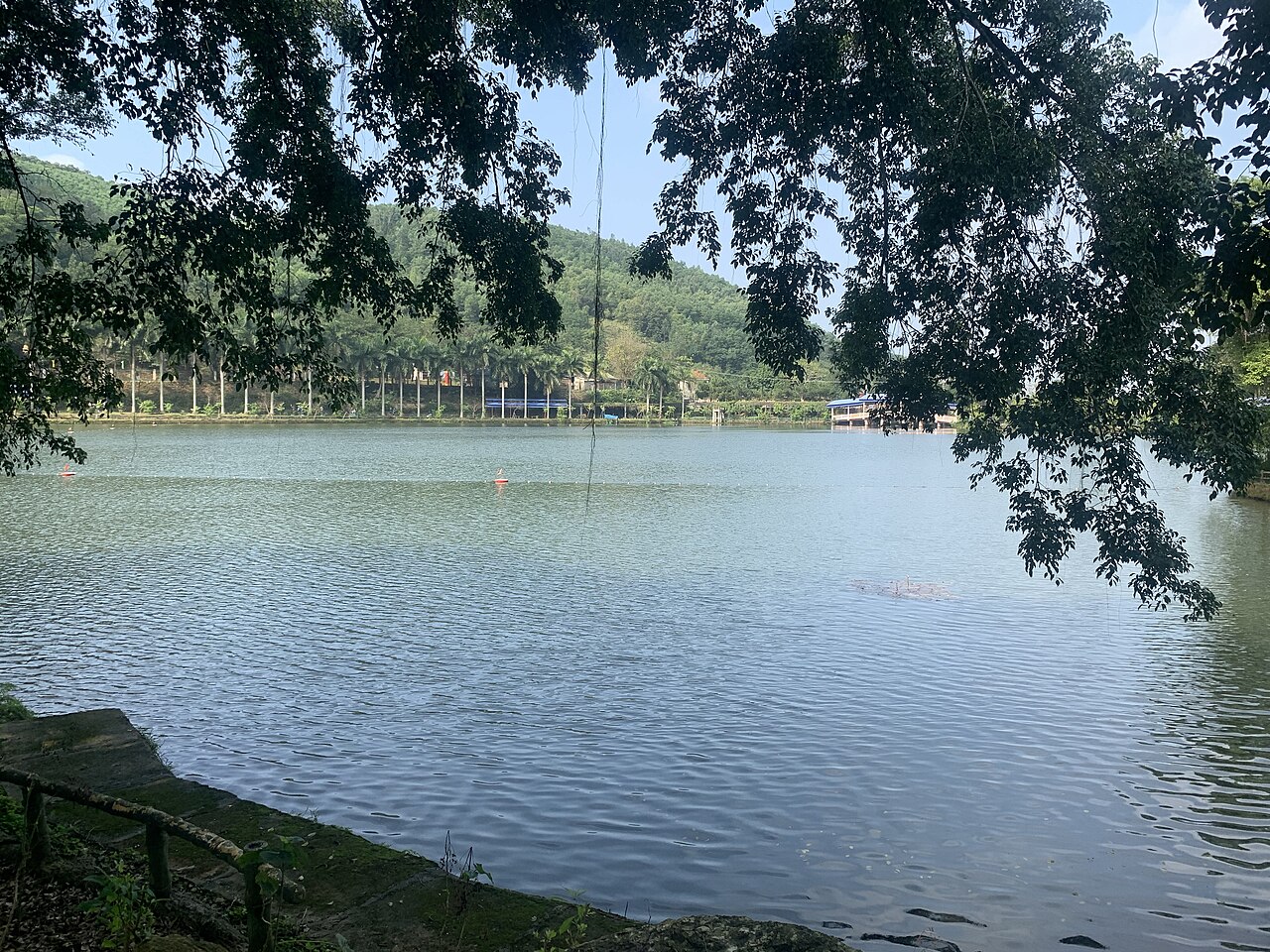
Plan at least half a day if you want a taste of the mountain environment, and use a full day for a more relaxed outing from Hanoi. Time is spent on the road as well as on foot, particularly if you continue toward summit areas or religious sites. A short visit can focus on forest roads and one viewpoint. A longer visit allows more walking, pauses for photographs, and time to experience the change from lowland heat to cooler mountain conditions.
Checked 2026-08-26 · Source

The cooler, drier months are generally more comfortable for walking on Ba Vi’s slopes. In the wetter season, rain can make paths slippery and can reduce visibility around higher viewpoints. Mountain weather changes quickly, so a clear departure from Hanoi does not guarantee a clear summit. Morning mist may hide distant views while creating attractive forest scenery. Start early when possible: this leaves more time for the journey, walking, and weather changes before returning to the city.
Checked 2026-08-26 · Source
The park is an outing where visitors should be prepared to pay at an access point, and remote entrances may be more convenient for cash than cards. Carry Vietnamese dong in small denominations for the journey and any on-site payment or donation. Costs can differ according to the access route or facilities used. Keep personal belongings secure while moving between stops, and retain any receipt or ticket during the visit if one is issued at entry.
Checked 2026-08-26 · Source
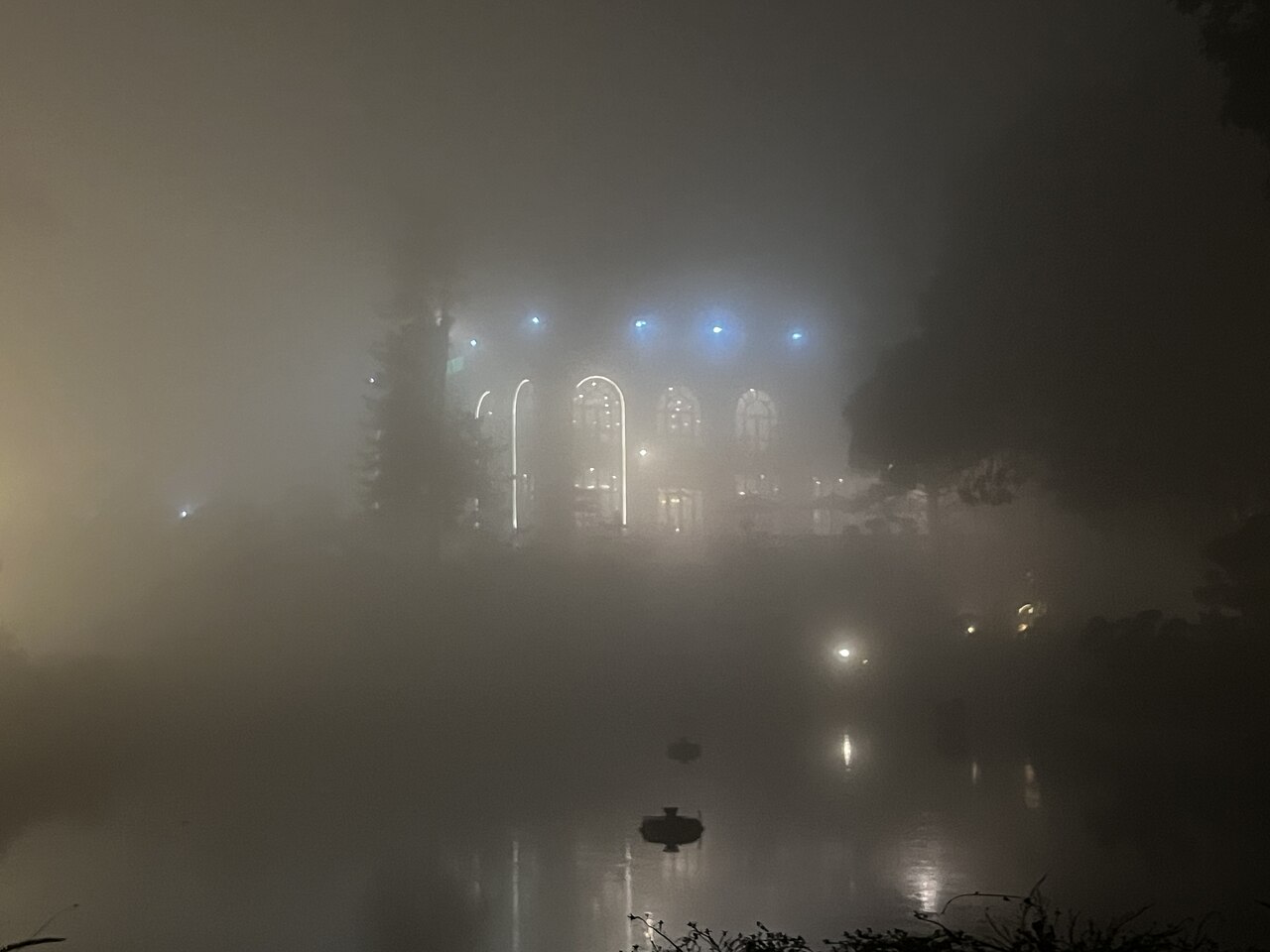
Ba Vi National Park is roughly fifty kilometres west of central Hanoi. A private vehicle, hired car, or motorbike gives the most direct control over the mountain approach and makes it easier to combine several areas. Buses can take travelers toward Ba Vi district, but the final connection to a park entrance may require another local ride. Expect more than an hour from central Hanoi, with traffic affecting the city section and mountain roads shaping the final approach.
Checked 2026-08-26 · Source

Wear shoes with reliable grip: mountain surfaces can be uneven, steep, wet, and slippery. Rain also brings mist, reduced visibility, and a greater chance of leeches in damp forest areas. Bring water, food for the time you intend to spend inside, rain protection, and a light layer for cooler elevations. Phone reception may weaken away from the main approach. Drive carefully on bends and narrow mountain roads, and keep a clear route back before exploring farther on foot.
Checked 2026-08-26 · Source
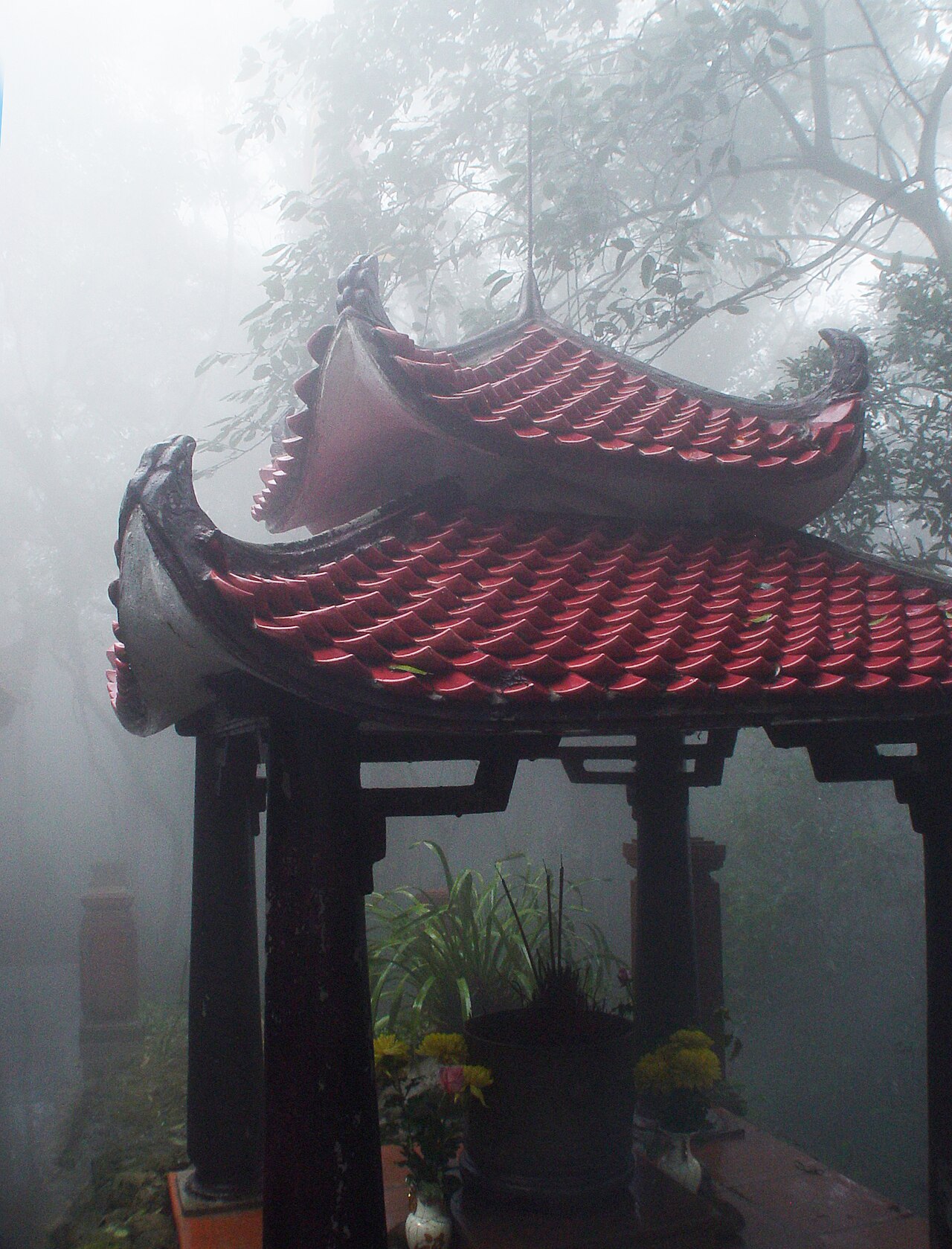
Ba Vi works well for photographs that combine mountain contours, layered forest, mist, and temple architecture. Higher viewpoints can open across the delta when clouds lift, while fog creates a softer, more intimate mood among the trees. Light changes quickly on the slopes, so allow time rather than rushing between compositions. Protect cameras and phones from humidity and rain. A small tripod can help in darker forest scenes, but leave enough space for walkers and worshippers at religious places.
Checked 2026-08-26 · Source
Yes. Its location west of Hanoi makes a day trip practical, although the journey and mountain approach take a meaningful part of the day. An early start leaves more time for walking and viewpoints.
Bring sturdy footwear, water, food, rain protection, a light layer, and small-denomination Vietnamese dong. These items suit changing mountain weather, uneven paths, and the limited facilities found away from the approach.
The park offers forested mountain slopes, streams, changing vegetation zones, prominent peaks, and views toward the surrounding delta when visibility is good. Religious sites add cultural interest within the natural setting.
Yes. A shorter outing can concentrate on the mountain road, forest atmosphere, and one accessible viewpoint. Travelers who want summit walking, temple visits, and several stops should reserve most of a day.
Rain, wet ground, steep sections, mist, and reduced visibility can make walking harder. Leeches may be present in damp forest areas, especially after rainfall, so covered clothing and suitable shoes are useful.
Forest textures, misty mountain roads, delta views from higher ground, streams, changing vegetation, and temple architecture are the strongest subjects. Morning fog and late-day light can give the landscape depth and atmosphere.
Loading the interactive map…
The interactive map could not be loaded.
Last updated:
Source: OpenStreetMap contributors, Wikidata ·