


100 min walk
Cầu Long Biên
- Must see
- Historic monument
Language · 11 published
Historic monument · Hanoi
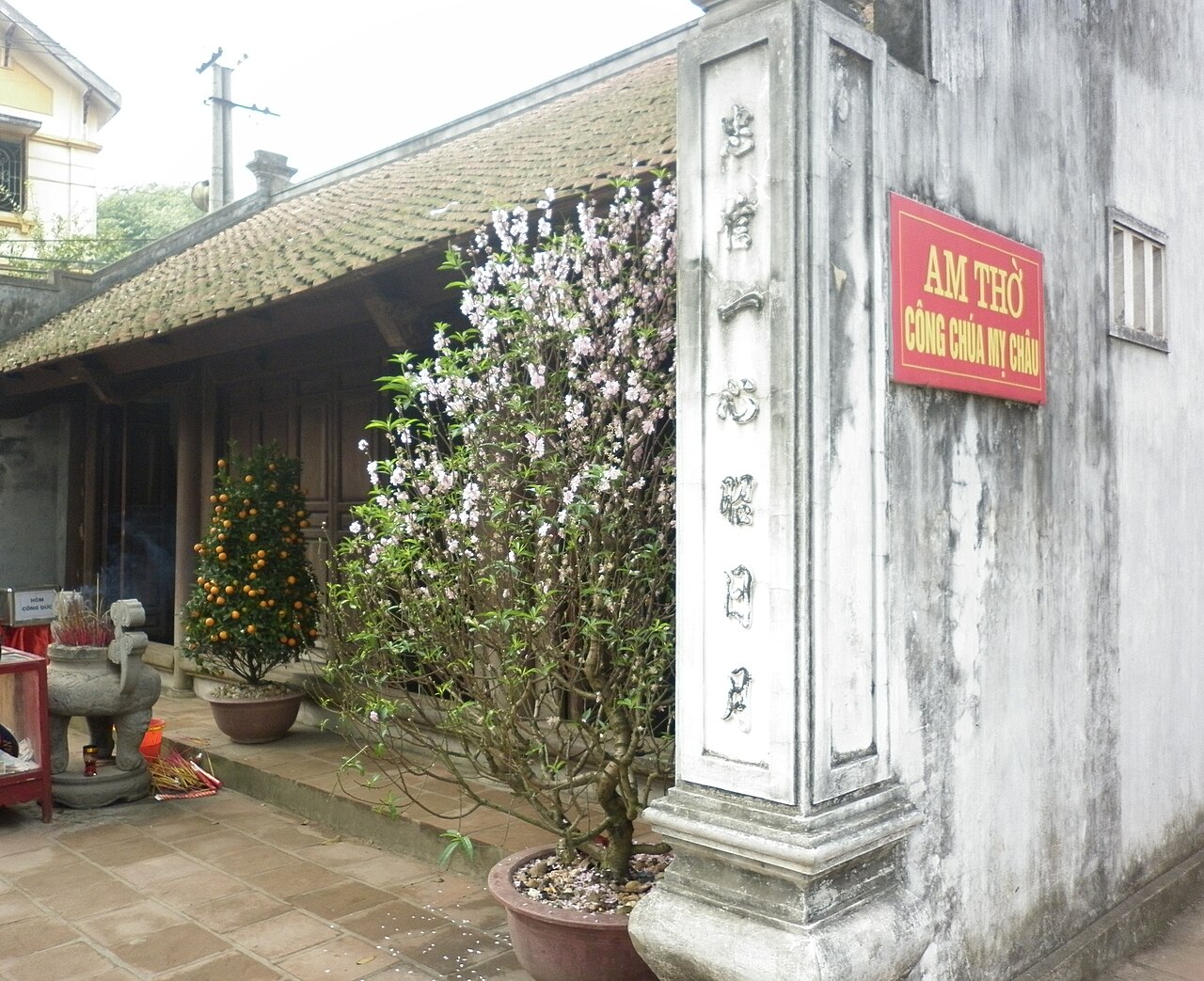
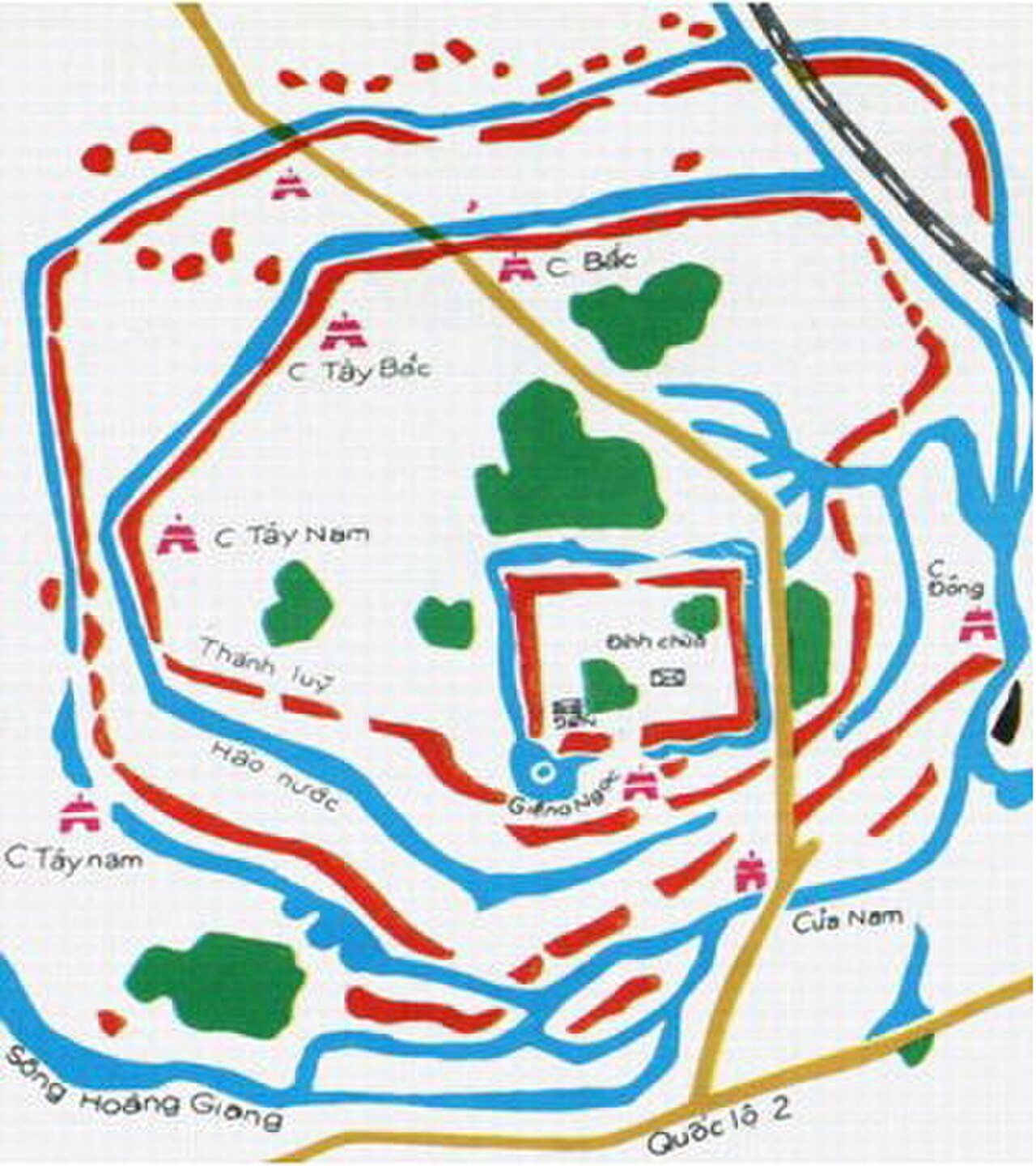
Co Loa Citadel is an ancient fortified settlement located north of central Hanoi. The site represents one of Vietnam's oldest defensive structures, with origins tracing to legendary and early historical periods of Vietnamese state formation. The citadel features distinctive spiral-shaped concentric ramparts that distinguish it from other ancient Southeast Asian fortifications. Archaeological evidence indicates long occupation and strategic importance in the Red River Delta region. The site holds substantial cultural significance in Vietnamese national narrative and historical memory. Today it functions as a heritage destination combining archaeological remains with active religious practice at associated temple structures within the compound.
Checked 2026-08-26 · Source
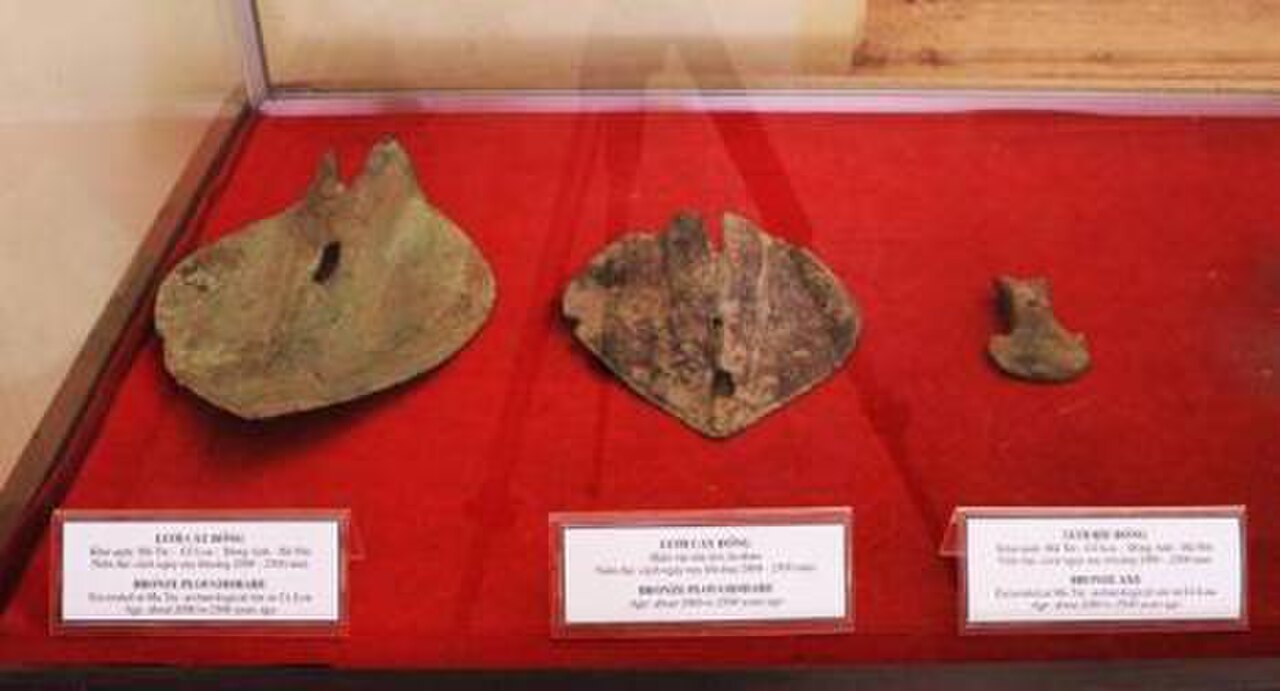
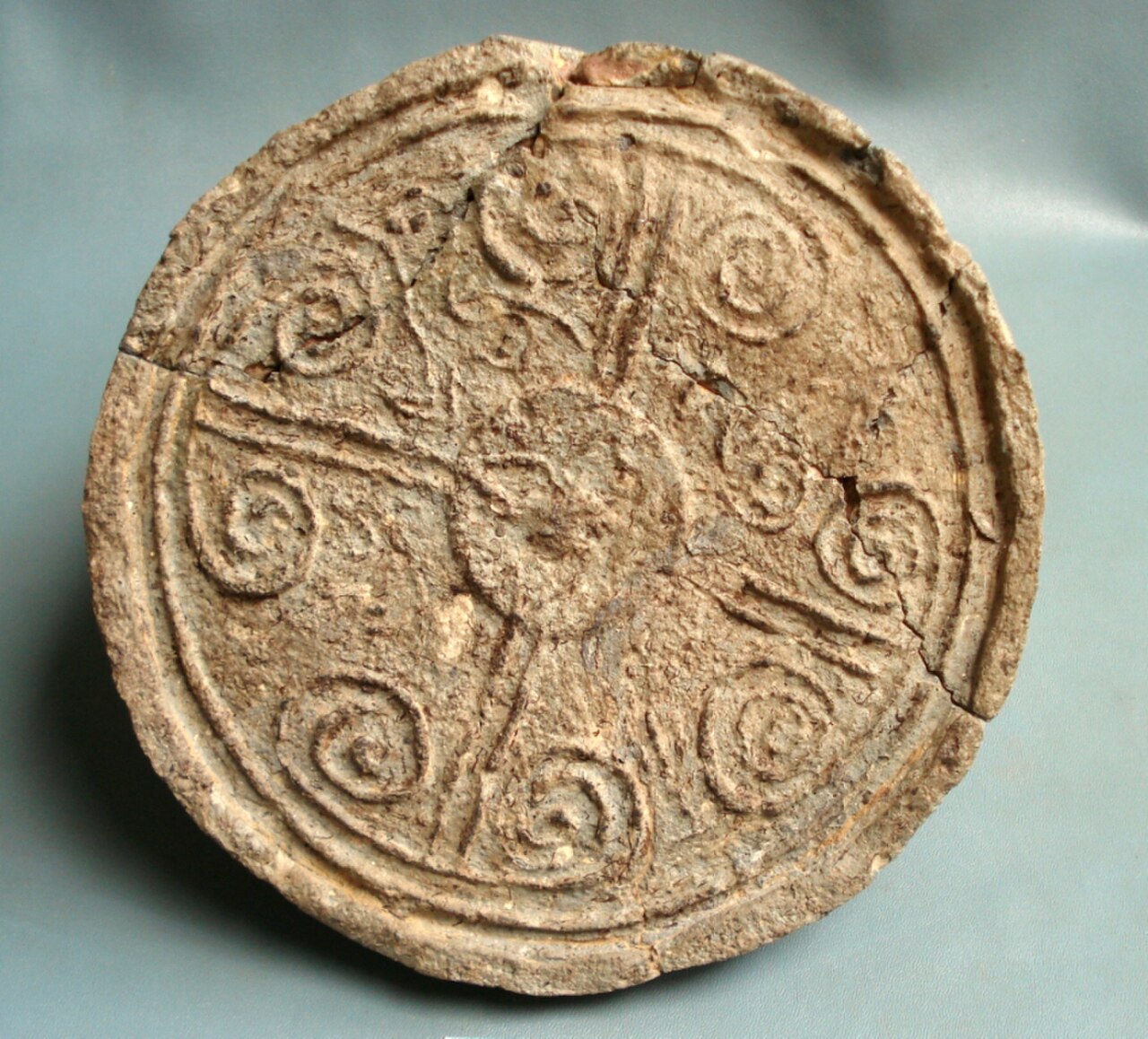
The citadel complex contains multiple layers of earthen ramparts arranged in concentric spiral patterns, representing successive phases of construction and expansion. Within the enclosure stand several temple structures, including shrines dedicated to figures associated with the site's legendary founding. Archaeological excavations have revealed artifacts and structural remains demonstrating prolonged occupation. The surrounding landscape retains rural characteristics with agricultural fields and village settlement. Visitors encounter a mix of preserved earthworks, reconstructed religious buildings, and contemporary community life. The spatial organization reflects ancient defensive planning adapted to local topography. Vegetation growth on the ramparts creates distinctive elevated green corridors visible across the landscape.
Checked 2026-08-26 · Source
Visitors typically allocate between one and two hours for exploring the citadel grounds and principal structures. The dispersed nature of the site requires walking between the rampart sections and temple compounds. Those with strong interest in Vietnamese archaeology and ancient history may extend their visit to examine earthwork details and contemplate site layout. Casual visitors often combine Co Loa with other northern Hanoi destinations in a half-day excursion. Photography, temple observation, and rampart walking constitute the main time-consuming activities. The rural setting encourages unhurried pacing. Weather conditions, particularly during hot or rainy periods, may influence comfortable duration on site.
Checked 2026-08-26 · Source
Dry season months from October through April generally offer more comfortable conditions for outdoor exploration of the extensive earthworks. The rainy season brings increased precipitation that may affect ground conditions and walking comfort on unpaved surfaces. Early morning visits may provide cooler temperatures and reduced crowding. Visitors should verify current access arrangements before travel.
Checked 2026-08-26 · Source
Available information does not establish whether entrance fees apply to the citadel grounds or individual temple compounds within the site. Some Vietnamese heritage sites operate with nominal charges while others remain freely accessible. Visitors should carry small denomination currency in case of informal fee collection at entry points. The absence of verified pricing information requires on-site confirmation. Budget travelers should not rely on advance cost assumptions. Potential additional expenses include transportation to the relatively distant location and any offerings for temple visits.
Checked 2026-08-26 · Source
Co Loa Citadel lies approximately fifteen kilometers north of Hanoi's Old Quarter, requiring transportation planning for visitors based in the city center. Motor scooter or bicycle rental provides independent access for experienced riders comfortable with Vietnamese traffic conditions. Meter taxis and ride-hailing services offer alternatives though return availability from this peripheral location may require arrangement. Public bus connections reportedly serve the general area with walking required to reach the site entrance. Organized tours occasionally include the citadel on itineraries covering northern Hanoi attractions. Travel time from central districts typically ranges forty to sixty minutes depending on traffic and chosen transport mode.
Checked 2026-08-26 · Source
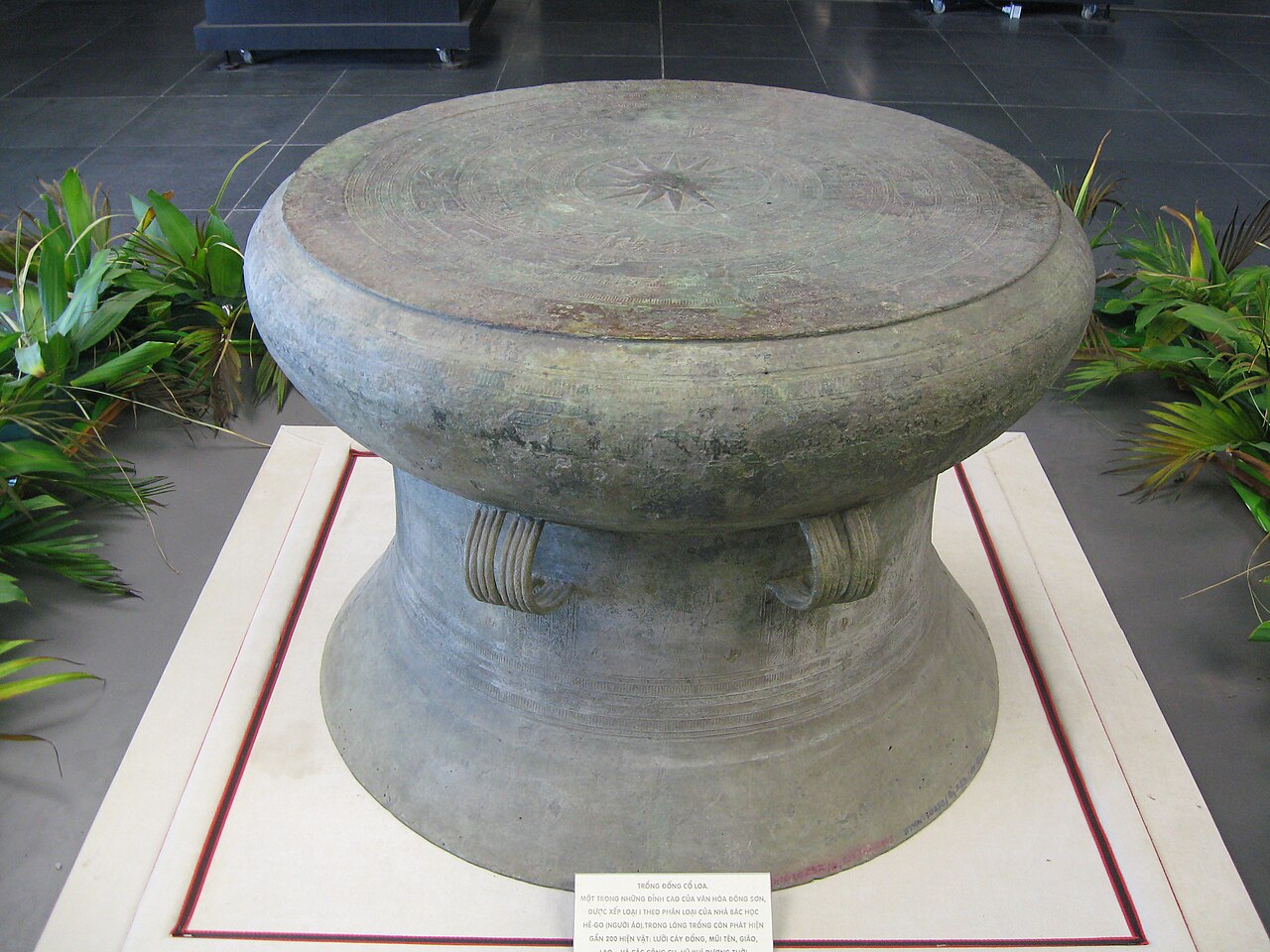
The rural location means limited tourist infrastructure including sparse English signage and few amenities. Visitors should carry water and sun protection for exposed rampart walking. Uneven ground surfaces on ancient earthworks present trip hazards, particularly when damp. Motor vehicle traffic on narrow access roads requires vigilance. Religious sites within the compound demand respectful dress and behavior. The distance from central Hanoi raises safety considerations for solo travelers using independent transport. Limited verified information about current conditions means flexibility serves visitors well. Mobile phone coverage may assist navigation but should not be presumed reliable throughout the extensive grounds.
Checked 2026-08-26 · Source
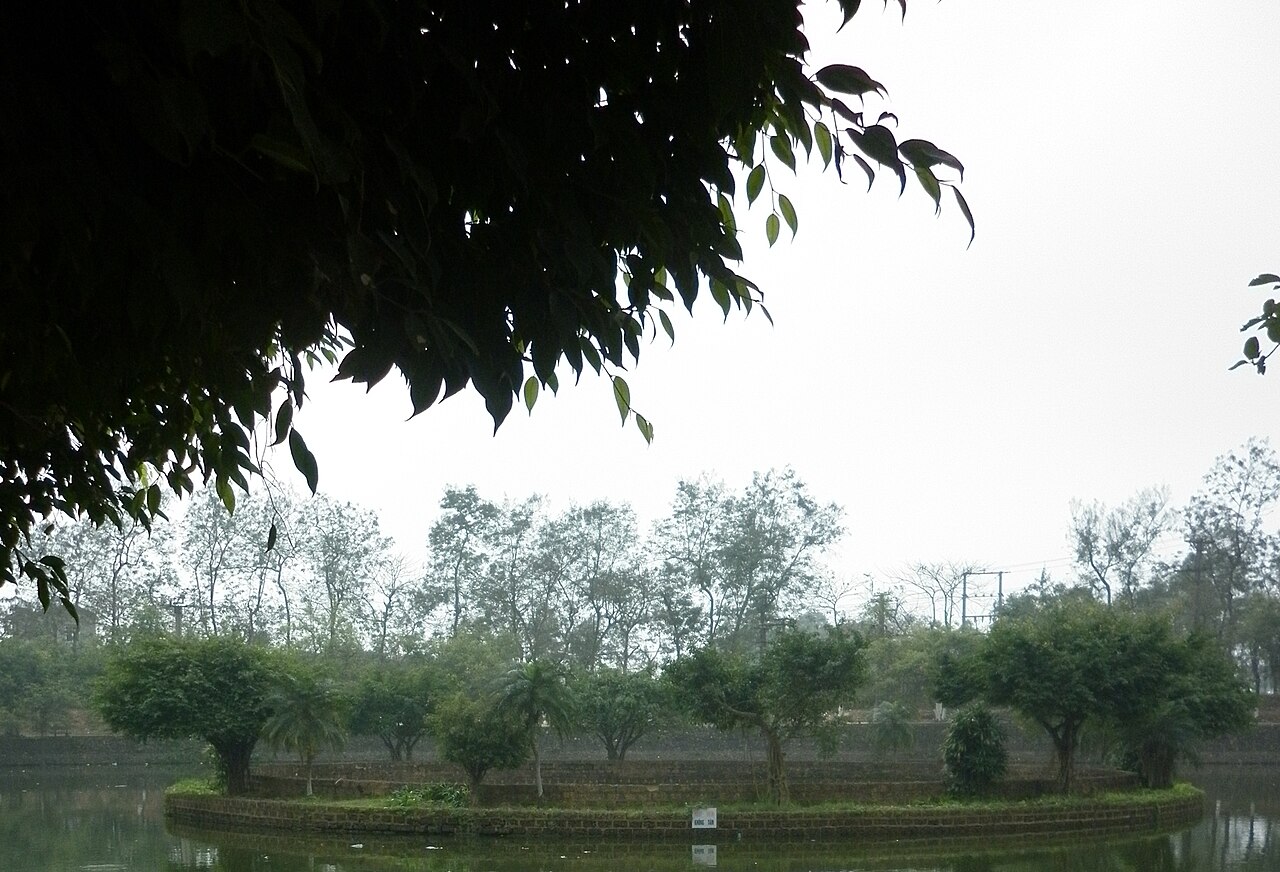
The distinctive spiral ramparts offer aerial-perspective opportunities from elevated positions though drone operation requires caution regarding regulations and local sensitivities. The contrast between ancient earthworks and surrounding agricultural landscape provides contextual shots. Temple architecture presents interior and exterior photographic subjects with appropriate respect for active worship spaces. Early and late daylight enhances texture on the weathered rampart surfaces. Overcast conditions reduce harsh shadows across the expansive site. The rural setting includes village life and agricultural activity that may interest documentary-style photographers. Tripods and elaborate equipment may attract attention in this non-touristic environment. Memory cards and batteries should be confirmed before departure from central Hanoi.
Checked 2026-08-26 · Source
No. The site lies approximately fifteen kilometers north of the city center, requiring motorized transportation.
The earthworks represent ancient foundations with modifications over centuries. Exact dating of visible remains requires specialist archaeological assessment.
The temple compounds and rampart areas appear interconnected within the site enclosure, though individual preferences determine time allocation.
Translation applications may assist.
Verified information about official guiding services is not available. Visitors typically explore independently or arrange guides through Hanoi-based operators.
The uneven earthen surfaces and dispersed layout present significant challenges.
Loading the interactive map…
The interactive map could not be loaded.


Last updated:
Source: OpenStreetMap contributors ·