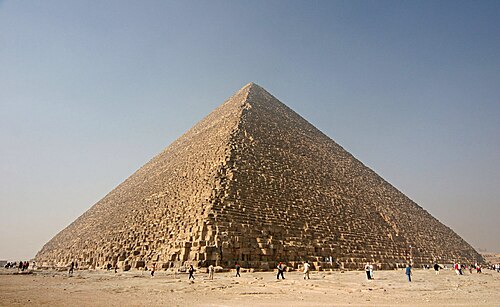
Great Pyramid of Giza
الهرم الأكبر بالجيزة
The Great Pyramid of Giza is the largest and oldest of the three pyramids in the Giza pyramid complex on the southwestern outskirts of Cairo.
- Must see
- Historic monument
Language · 11 published
City guide · Egypt
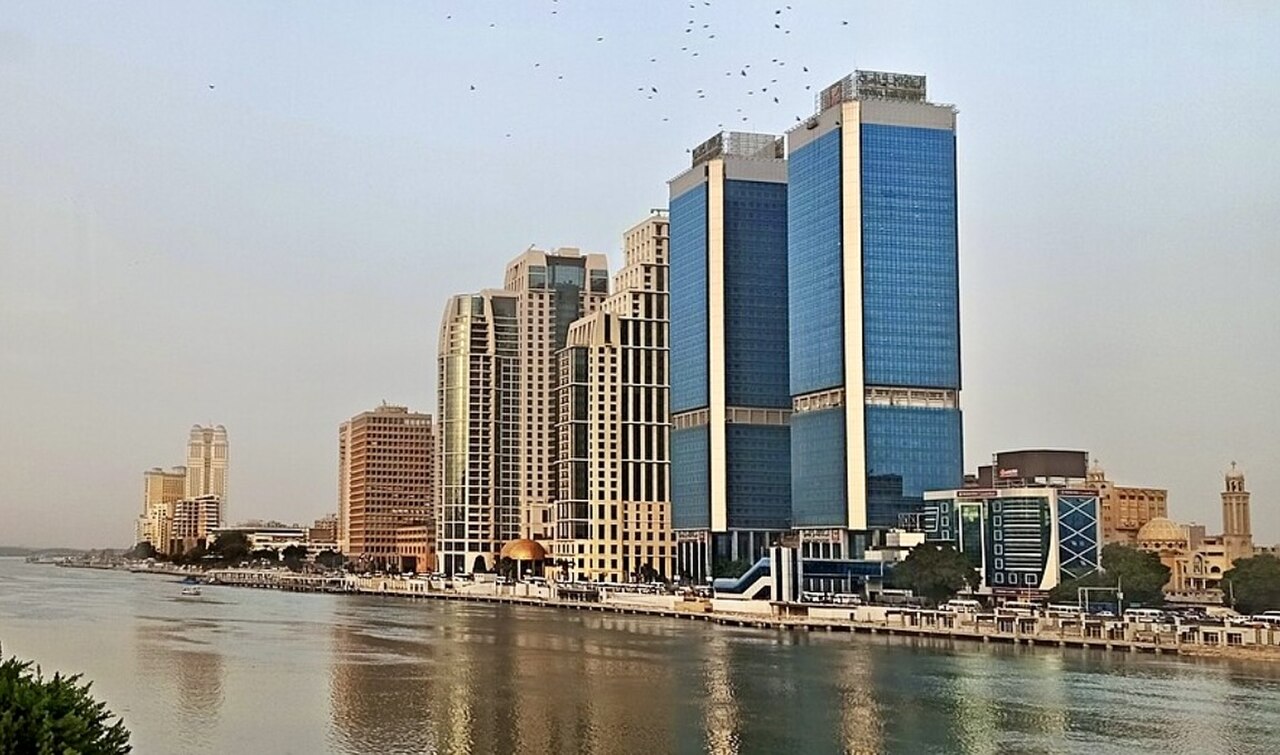
Cairo is a vast Nile metropolis whose visitor geography includes Downtown, Historic Cairo, Coptic Cairo, Zamalek and the Giza plateau. Downtown holds modern civic and cultural landmarks; medieval Islamic streets extend east and south; Coptic sites cluster around Old Cairo; and Giza lies across the river but forms part of the standard Greater Cairo visit. Give each area its own block and expect slow cross-city journeys.
Set your days, your pace and the hours you actually want to be out. The planner works around closing days and travel time, and leaves room to eat.
Ranked by importance — sitelinks, pageviews and heritage status, not editor preference.
50 places match
Category
Typical visit duration
Interests
الهرم الأكبر بالجيزة
The Great Pyramid of Giza is the largest and oldest of the three pyramids in the Giza pyramid complex on the southwestern outskirts of Cairo.
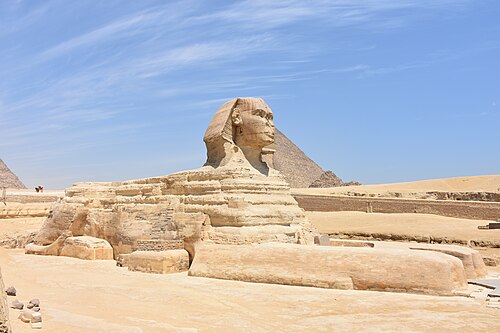
أبو الهول
The Great Sphinx of Giza is a colossal limestone statue depicting a recumbent lion with a human head, situated on the Giza Plateau on the southwestern outskirts of Cairo.
قلعة صلاح الدين
The Cairo Citadel, known locally as Qal'at Salah al-Din al-Ayyubi, is a medieval fortress complex occupying a strategic hilltop in eastern Cairo.
Historic Cairo is a UNESCO World Heritage site encompassing one of the world's oldest Islamic cities, founded in the tenth century. It became the new centre of the Islamic world, reaching its golden age in the fourteenth century.
خان الخليلي
Khan el-Khalili is a historic bazaar in Islamic Cairo, one of the oldest commercial centres in the Middle East. Established during the Mamluk period, it occupies a dense network of narrow lanes and alleyways near the Mosque of al-Hussein.
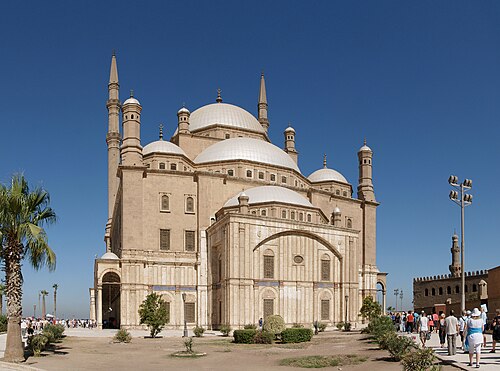
مسجد محمد علي
The Mosque of Muhammad Ali is a nineteenth-century Ottoman mosque situated within the Cairo Citadel complex in Egypt. Commissioned by Muhammad Ali Pasha, it is constructed largely of alabaster, earning it the popular name the Alabaster Mosque.
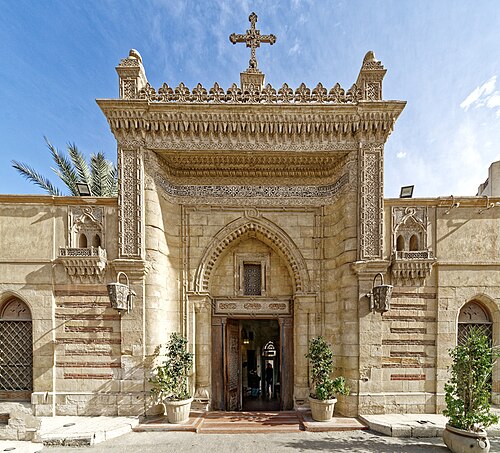
القاهرة القبطية
Coptic Cairo is a compact historic quarter in Old Cairo, Egypt. It contains significant religious and archaeological sites spanning multiple eras. The area includes ancient Christian churches, a synagogue, and traces of Roman settlement.
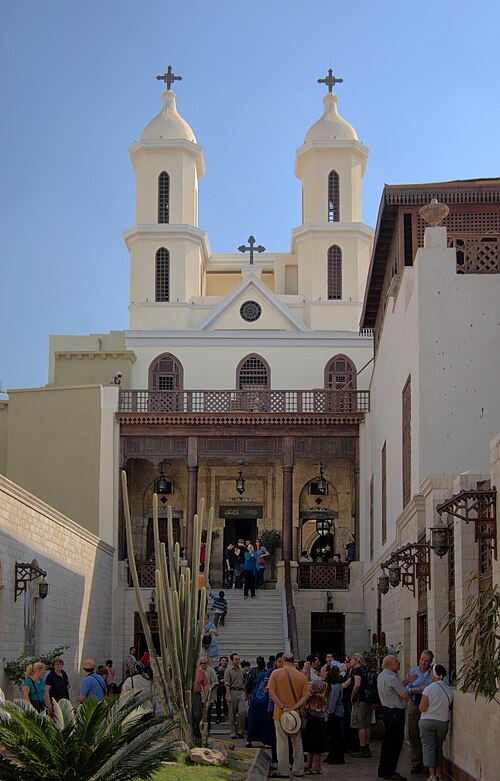
الكنيسة المعلقة
The Hanging Church, locally known as al-Kanīsa al-Muʿallaqa, is the Church of the Virgin Mary in Old Cairo. It was constructed above the gateway of a Roman fortress, giving it its distinctive elevated position.
باب زويلة
Bab Zuweila is the surviving southern gate of the Fatimid-era walls of Cairo, Egypt. Its local name is باب زويلة. The structure stands as a key monument along the old city's principal north-south route.
جامع الحاكم بأمر الله
Al-Hakim Mosque, known locally as مسجد الحاكم بأمر الله, is a major Fatimid-era mosque situated in Cairo, Egypt.
Al-Muizz Street is one of Cairo's most significant historic thoroughfares, stretching through the medieval Islamic quarter. The local name is شارع المعز لدين الله الفاطمي.
مجموعة السلطان المنصور قلاوون
The Qalawun Complex is a Mamluk-era hospital, madrasa, and mausoleum ensemble located on al-Muizz Street in Islamic Cairo. Commissioned by Sultan al-Mansur Qalawun, it stands as one of the most significant architectural achievements of the Mamluk period.
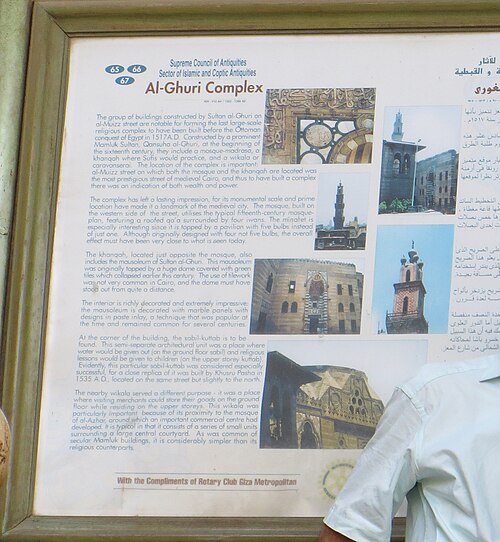
The Al-Ghuri Complex is a Mamluk-era architectural ensemble in Islamic Cairo, commissioned by Sultan al-Ashraf Qansuh al-Ghuri, the penultimate Mamluk sultan of Egypt.
بيت السحيمي
Bayt al-Suhaymi is a restored Ottoman-era townhouse located in the historic district of Islamic Cairo. The building exemplifies domestic architecture from the period, offering visitors a counterpoint to the monumental religious structures that dominate the area.
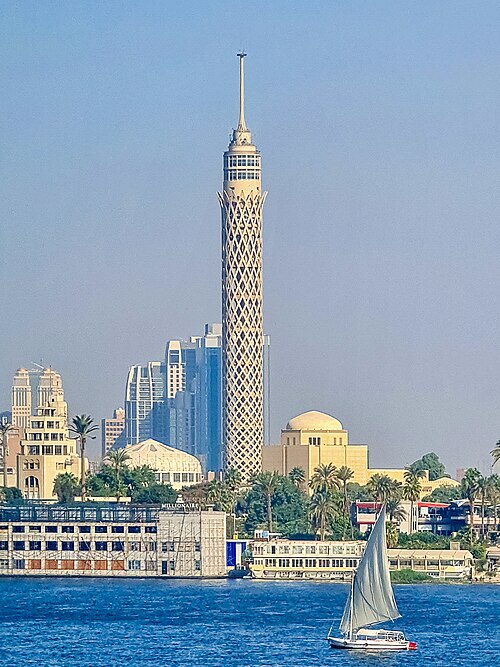
برج القاهرة
Cairo Tower is a free-standing concrete tower located on Gezira Island in the Nile River. Constructed during the 1960s, it serves as Cairo's principal dedicated urban viewpoint.
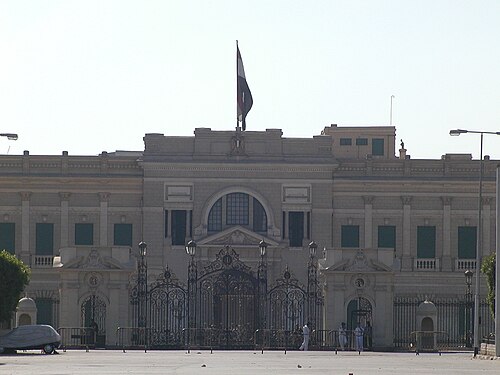
قصر عابدين
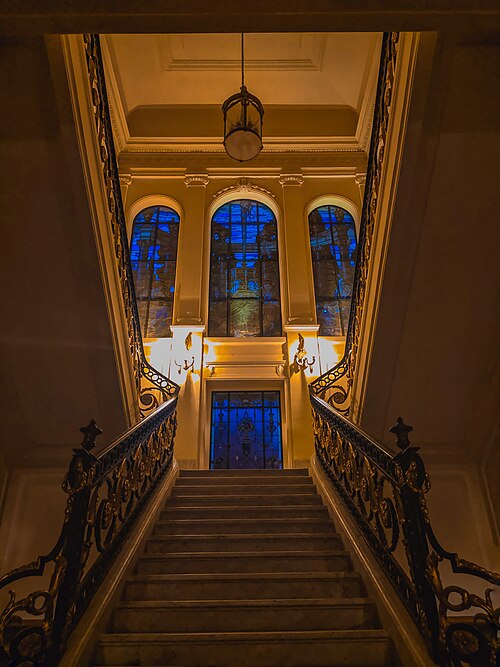
Abdeen Palace Museum is a former royal palace in central Cairo, now converted into a museum complex.
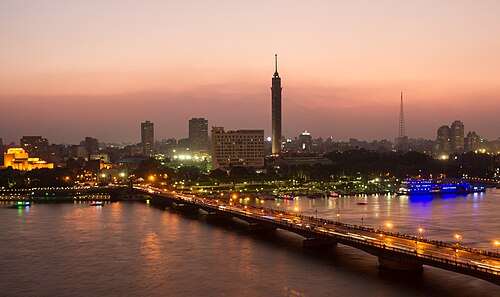
كوبري قصر النيل
Qasr El Nil Bridge is a historic Nile crossing in downtown Cairo, locally known as كوبري قصر النيل. The bridge is distinguished by its four bronze lion statues at each entrance, which have become emblematic of the structure.
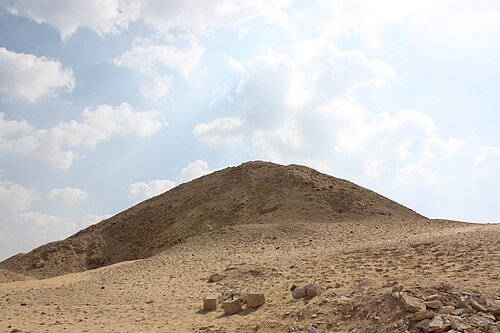
هرم تتى
The Pyramid of Teti is a Sixth Dynasty royal pyramid at Saqqara, Egypt. It belongs to Pharaoh Teti, first ruler of that dynasty, who reigned during the Old Kingdom period.
جامع الأقمر
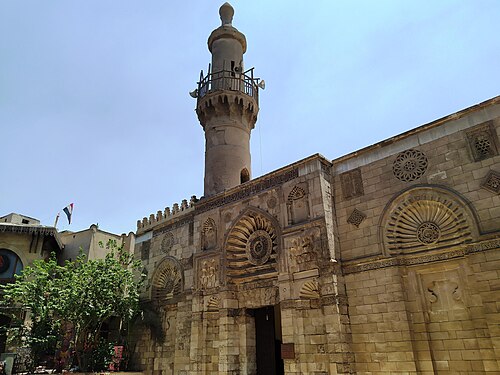
Al-Aqmar Mosque is a small Fatimid-era mosque located on al-Muizz Street in Cairo's historic Islamic quarter. Built during the Fatimid caliphate, it represents an important example of medieval Islamic architecture in Egypt.
باب الفتوح
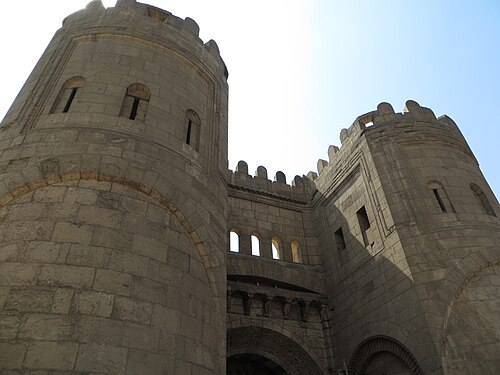
Bab al-Futuh is a massive northern gate in Cairo's medieval fortification system, built during the Fatimid period. The name translates to Gate of Conquests.
منف
Memphis is an ancient Egyptian capital and UNESCO World Heritage site near modern Mit Rahina. Founded around 3100 BCE, it served as political and religious center for the Old Kingdom.
جامع الناصر محمد بن قلاوون
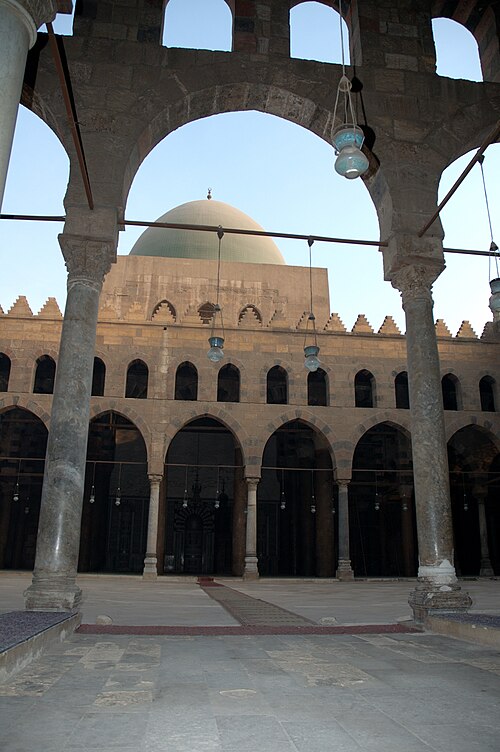
Al-Nasir Muhammad Mosque is a Mamluk-era hypostyle mosque located within the Cairo Citadel complex. Commissioned by Sultan Al-Nasir Muhammad ibn Qalawun, it represents a significant example of early 14th-century Islamic architecture in Egypt.
الفسطاط
El-Fustat, known locally as الفسطاط, represents the foundational Islamic settlement that preceded modern Cairo. Established in the mid-seventh century following the Muslim conquest of Egypt, it served as the country's first Islamic capital.
قصر عائشة فهمي
Aisha Fahmy Palace is a restored early twentieth-century residential palace located in Zamalek on Gezira Island, Cairo. The building represents a significant example of Cairo's riverside residential architecture from this period, situated along the Nile.
موقع ميلاد الثورة المصرية 2011
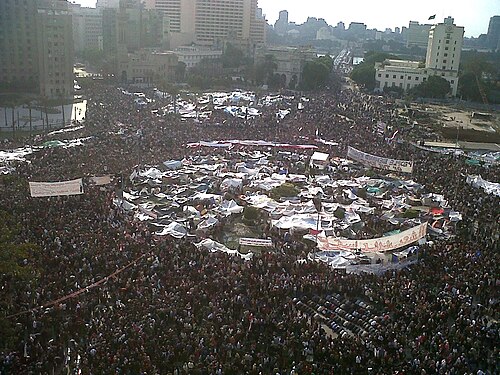
The 2011 Egyptian Revolution site marks a pivotal location in Egypt's modern political history. This place commemorates the mass uprising that began on 25 January 2011, leading to significant political change.
أون
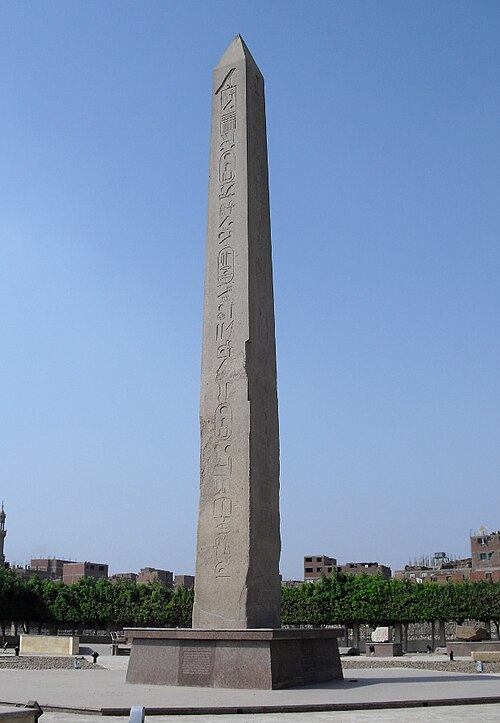
Heliopolis is an ancient Egyptian archaeological site located in northeastern Cairo, once among the most significant religious centers of pharaonic Egypt. Dedicated to the sun god Ra, it was known in Egyptian as Iunu or On.
مجمع هرم زوسر
قصر بارون أمبان
Baron Empain Palace, known locally as قصر البارون, is a flamboyant Heliopolis landmark and Cairo's most distinctive early twentieth-century private palace. The building stands as a remarkable architectural statement in the suburb of Heliopolis, northeast of central Cairo.
مدرسة وخانقاة السلطان برقوق
مدرسة السلطان الناصر محمد بن قلاوون
القرية الفرعونية
The Pharaonic Village is a living-history attraction situated on an island in the Nile at Cairo. It presents recreated scenes and tableaux from ancient Egyptian life, employing costumed performers and reconstructed environments.
نيلوميتر
مصطبة مريروكا
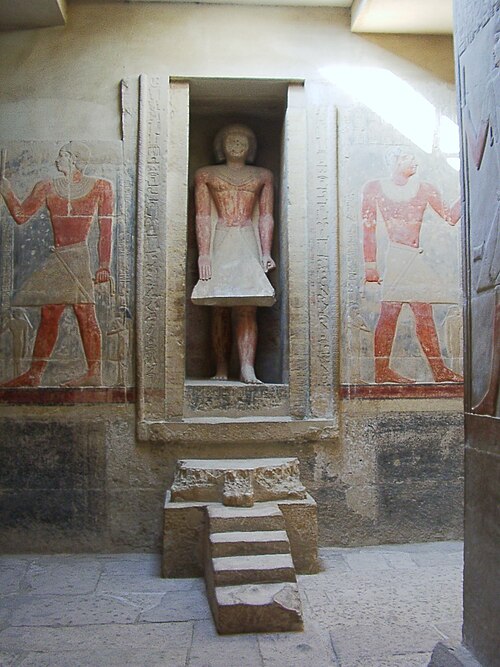
The Mastaba of Mereruka is a large Old Kingdom tomb at Saqqara, Egypt. Mereruka served as vizier under Pharaoh Teti of the Sixth Dynasty.
الهرم الأسود
مصطبة كاجيمنى
The Mastaba of Kagemni is a large tomb at Saqqara, the ancient Egyptian necropolis northwest of Cairo. Kagemni served as vizier under Pharaoh Teti of the Sixth Dynasty.
مدرسة وقبة الصالح نجم الدين أيوب
وكالة السلطان الغورى
كنيسة القديس جورج
قبة الامام الشافعي
هرم الشواف
كنيسة المغارة والشهيدين سرجيوس وواخس
باب النصر
الهرم مقطوع الرأس
ليونتوبوليس
قصر الجوهرة
Source: OpenStreetMap contributors, Wikidata ·
Downtown centres on Tahrir Square and the nineteenth-century street grid. Zamalek occupies an island in the Nile and connects by bridge to Downtown and Giza. Historic Cairo includes Al-Muizz Street, mosques, gates and markets, while Coptic Cairo forms a separate southern cluster. The Giza pyramids and Grand Egyptian Museum lie west of the Nile. Saqqara and Memphis are farther excursions and should not be combined with a full central-city day.
Checked 2026-08-26
Metro, buses, metered taxis and ride-hailing services cover Greater Cairo, while Nile taxis and local ferries provide selected river connections. The official tourism authority advises ensuring a taxi meter is operating. Use the Metro for suitable cross-city corridors, then allow time for the final road journey. Giza, Saqqara and airport transfers require specific planning, and access to remote archaeological areas should be confirmed through authorised operators or official guidance.
Checked 2026-08-26
Downtown, Historic Cairo, Coptic Cairo, Zamalek and Giza are separate clusters
No fixed stay length is recorded; allocate time by cluster and by any archaeological excursion.
Use Metro where practical, then metered taxis, buses or ride-hailing for final connections.
Giza lies west of the Nile and needs a dedicated road or tour connection.
Selected Historic Cairo routes are walkable once you reach the area by planned transport.