


.jpg)


8 min walk
Egyptian Museum
- Must see
- Museum
Language · 11 published
Historic monument · Cairo
كوبري قصر النيل
| Monday | 00:00 – 23:59 |
|---|---|
| Tuesday | 00:00 – 23:59 |
| Wednesday | 00:00 – 23:59 |
| Thursday | 00:00 – 23:59 |
| Friday | 00:00 – 23:59 |
| Saturday | 00:00 – 23:59 |
| Sunday | 00:00 – 23:59 |
Checked 2026-08-31 · Source
Read from the OpenStreetMap access tags; anything not listed has no tag recorded.
Set the group type to family in the planner and the day window contracts to about three quarters of a solo day.
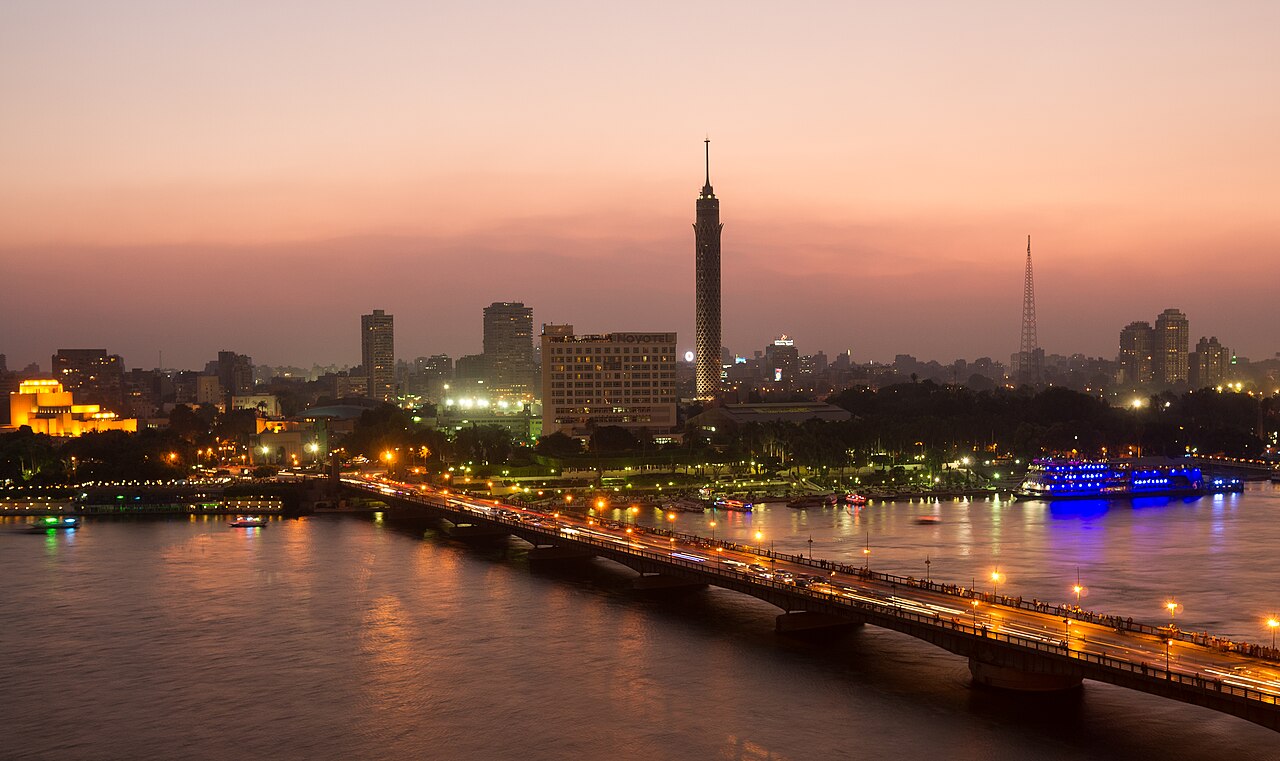
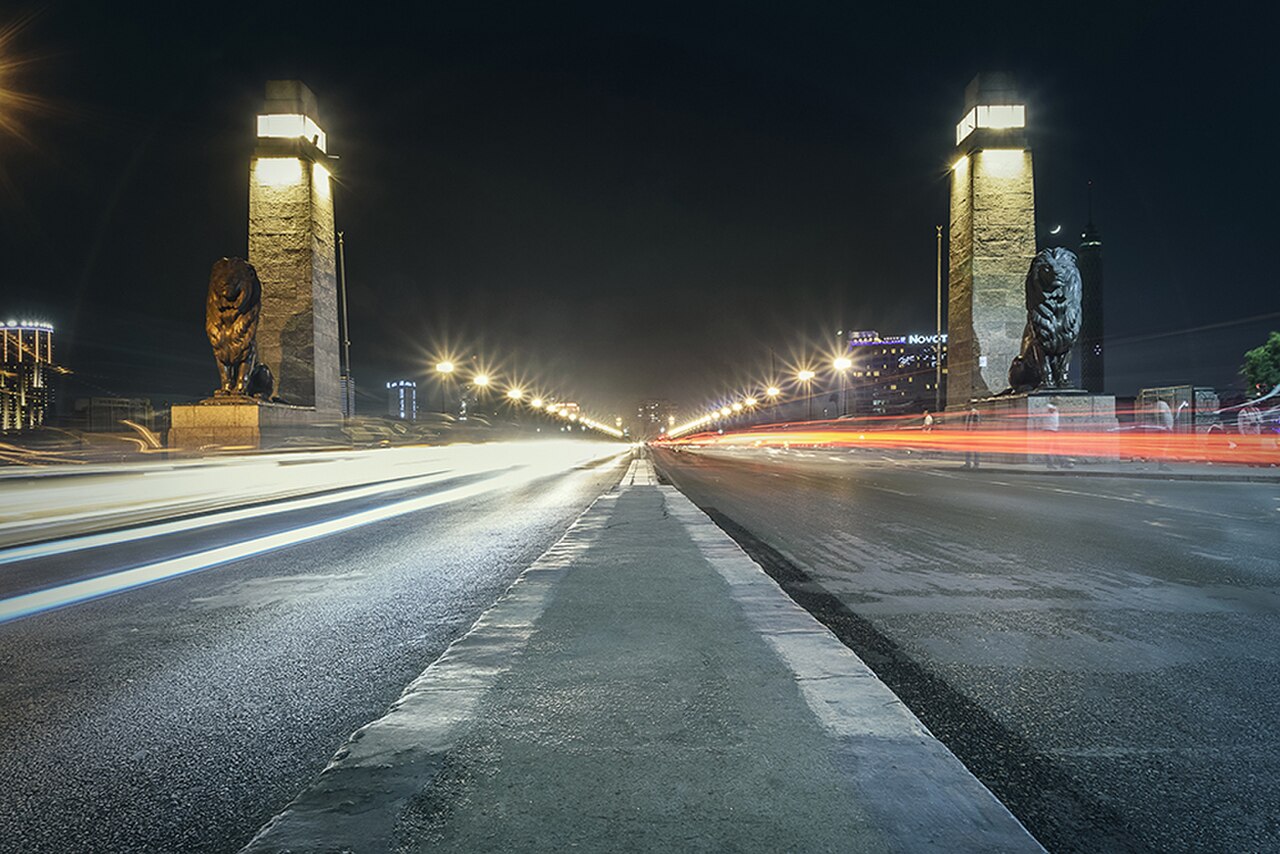
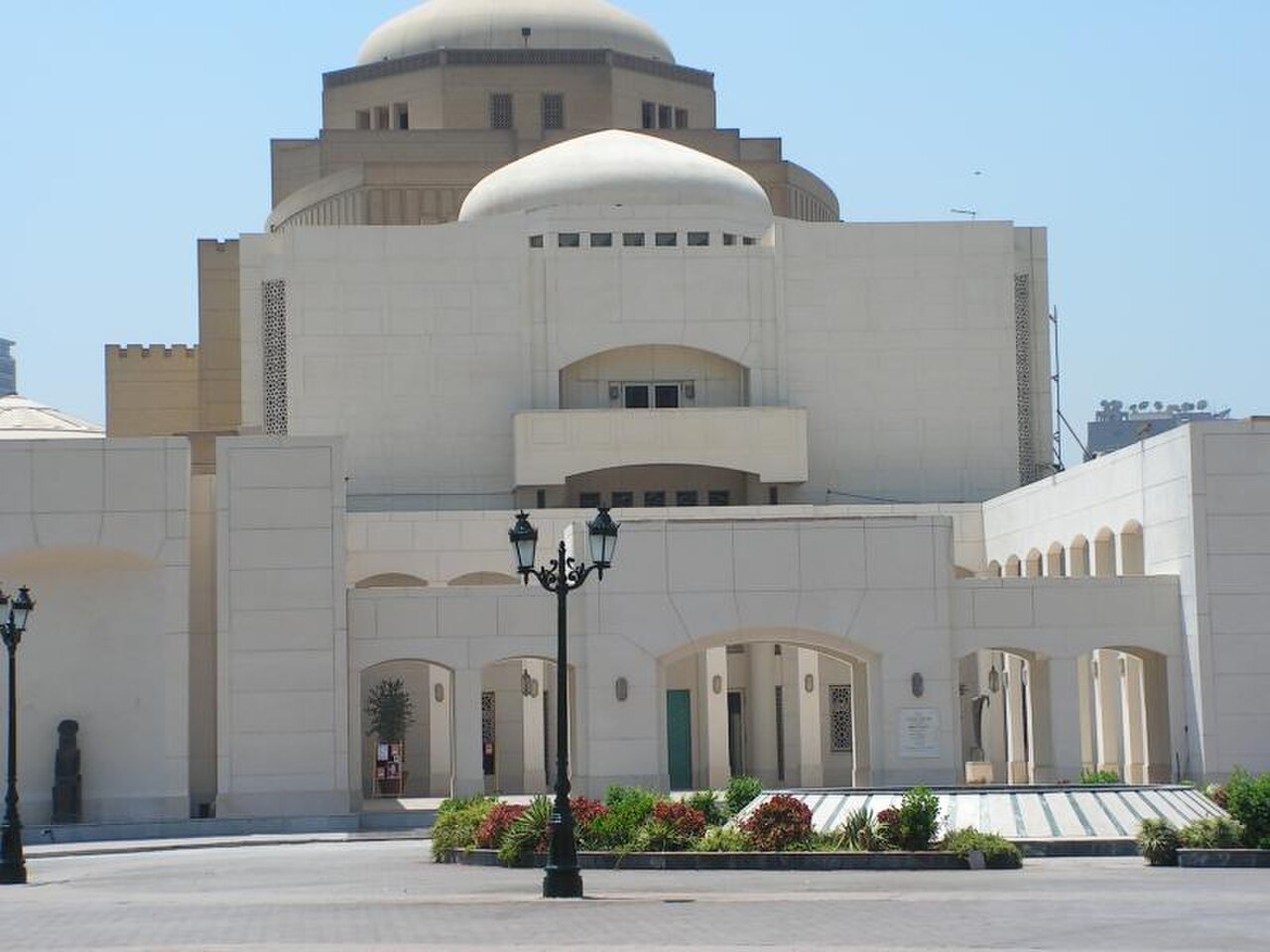
Qasr El Nil Bridge is a historic Nile crossing in downtown Cairo, locally known as كوبري قصر النيل. The bridge is distinguished by its four bronze lion statues at each entrance, which have become emblematic of the structure. It serves as a primary pedestrian and vehicular connection between the east bank of the Nile and Gezira Island, where the Cairo Opera House and Zamalek district are located. The bridge holds significant cultural importance as one of Cairo's most recognizable landmarks. Open continuously, daily. The bridge is active public street infrastructure with pedestrian sidewalks, not a timed visitor attraction. There is no routine weekly closure day.
Checked 2026-08-31 · Source
The bridge's most notable features are its four bronze lion sculptures, two at each end, which stand as guardians of the crossing. These statues are frequently photographed by visitors and locals alike. The bridge offers expansive views of the Nile River in both directions, with the Cairo skyline visible to the east and the island developments to the west. The bridge is active public street infrastructure with pedestrian sidewalks, not a timed visitor attraction. There is no routine weekly closure day. Free public access; there is no admission ticket or visitor entrance gate.
Checked 2026-08-31 · Source
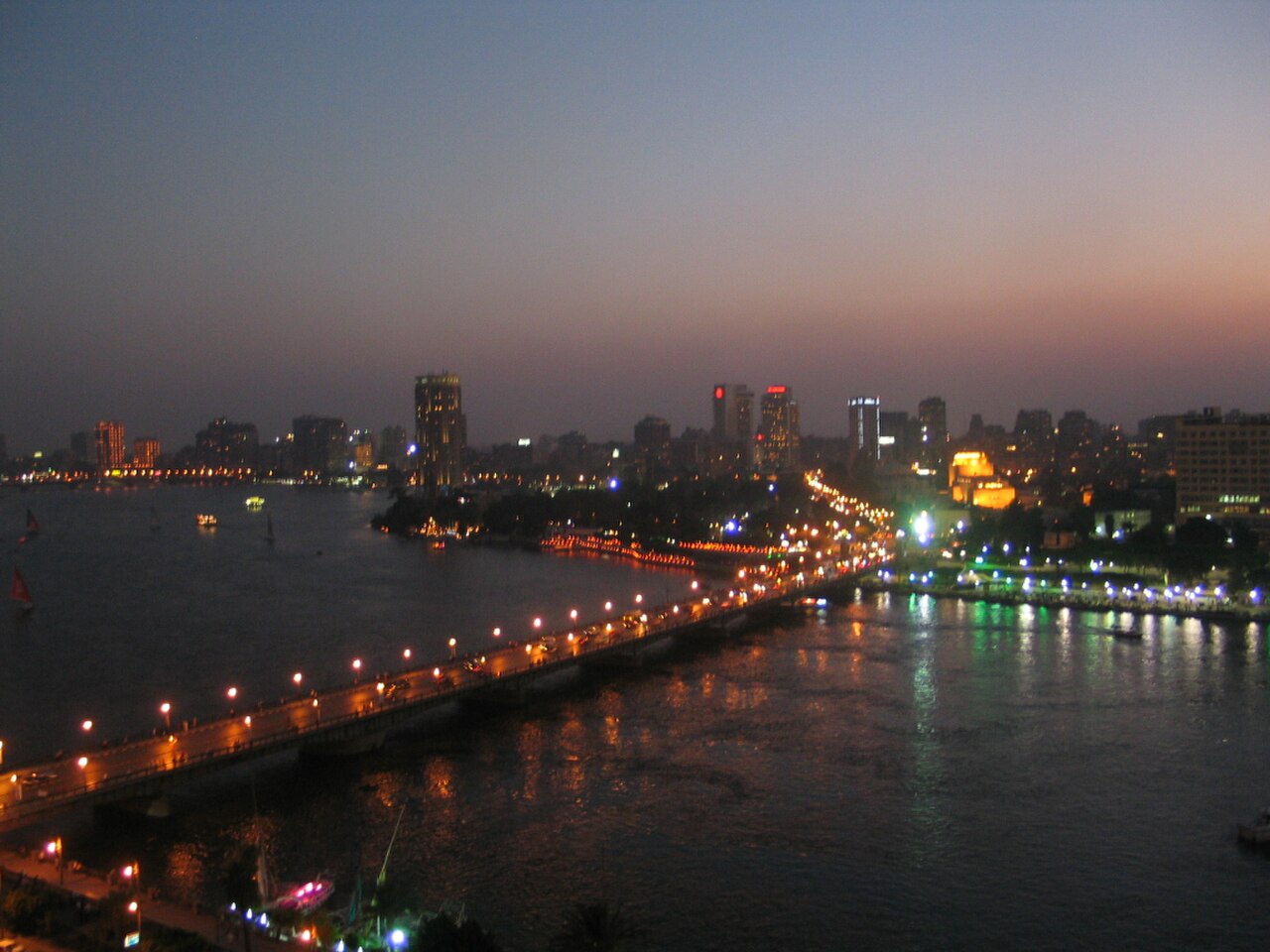
A straightforward crossing of Qasr El Nil Bridge on foot typically takes approximately five to ten minutes at a normal walking pace. Visitors often extend this duration considerably, as the bridge functions as a destination in itself rather than merely a thoroughfare. Many pedestrians pause to photograph the lion statues, observe river traffic including felucca sailboats, or watch the sunset over the Nile. Free public access; there is no admission ticket or visitor entrance gate. Dedicated sidewalks cross the bridge without stairs along the deck. Both approaches meet traffic circles and require navigating busy vehicle movements.
Checked 2026-08-31 · Source

The bridge is accessible at all hours as a public thoroughfare, though individual visitor comfort varies significantly by time of day and season. Daylight hours offer the clearest views of the lion sculptures and river scenery. Evening visits provide atmospheric lighting on the surrounding buildings and potentially cooler temperatures during warmer months. Open continuously, daily. Dedicated sidewalks cross the bridge without stairs along the deck. Both approaches meet traffic circles and require navigating busy vehicle movements. A 2024 field audit of Qasr El-Nil Street found curb ramps at most, but not all, curbs and intersections.
Checked 2026-08-31 · Source
Qasr El Nil Bridge operates as a free public crossing with no admission fee or ticketing requirement for pedestrians or vehicles. There are no recorded entry restrictions or capacity limits for standard use. Visitors should be aware that any commercial activity or organized gathering on the bridge may be subject to separate regulations or permissions from municipal authorities. Free public access; there is no admission ticket or visitor entrance gate. Dedicated sidewalks cross the bridge without stairs along the deck. Both approaches meet traffic circles and require navigating busy vehicle movements.
Checked 2026-08-31 · Source

The bridge connects Tahrir Square and downtown Cairo with Gezira Island. Multiple transportation options serve the vicinity including the Cairo Metro with stations in the downtown area. Taxis and ride-hailing services operate throughout central Cairo. Signage in Arabic and English assists navigation. Use Sadat station for the eastern, Tahrir Square end; it serves Metro Lines 1 and 2, and Cairo Governorate specifically lists Qasr El Nile Bridge among the station's nearby landmarks. For the western, Gezira end, use Opera station on Line 2 and walk east from the Cairo Opera House area toward the bridge.
Checked 2026-08-31 · Source
Vehicular traffic moves continuously across the bridge alongside pedestrian walkways, requiring awareness of surrounding vehicles. The pedestrian paths are relatively narrow in sections, and crowding occurs during peak crossing times. Street vendors and informal commerce may be present on or near the bridge approaches. Visitors should secure personal belongings against opportunistic theft in busy public spaces. Dedicated sidewalks cross the bridge without stairs along the deck. A 2024 field audit of Qasr El-Nil Street found curb ramps at most, but not all, curbs and intersections. Tactile guidance is sparse along the approach route.
Checked 2026-08-31 · Source
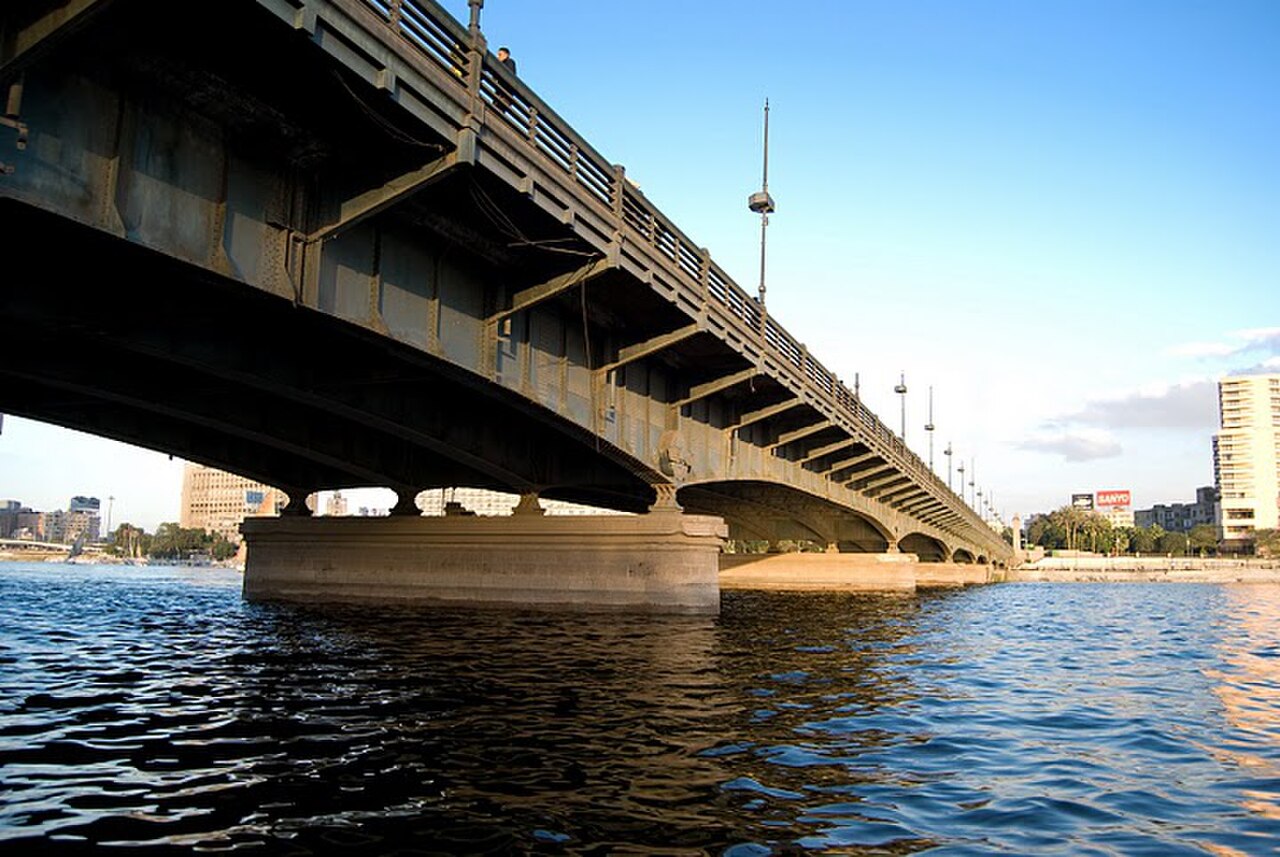
The lion sculptures constitute the primary photographic subjects, best captured during morning or late afternoon light when shadows define their features. Nile views from the bridge center offer compositions encompassing water, boats, and opposing shorelines. Tripod use may attract attention from security personnel in this sensitive central location and should be approached with discretion. Night photography captures illuminated buildings but requires stability compensation for low light. Drone operation is strongly discouraged given proximity to government buildings and potential regulatory restrictions. Tactile guidance is sparse along the approach route. The bridge is exposed and unshaded, which can make the crossing harder in hot weather.
Checked 2026-08-31 · Source
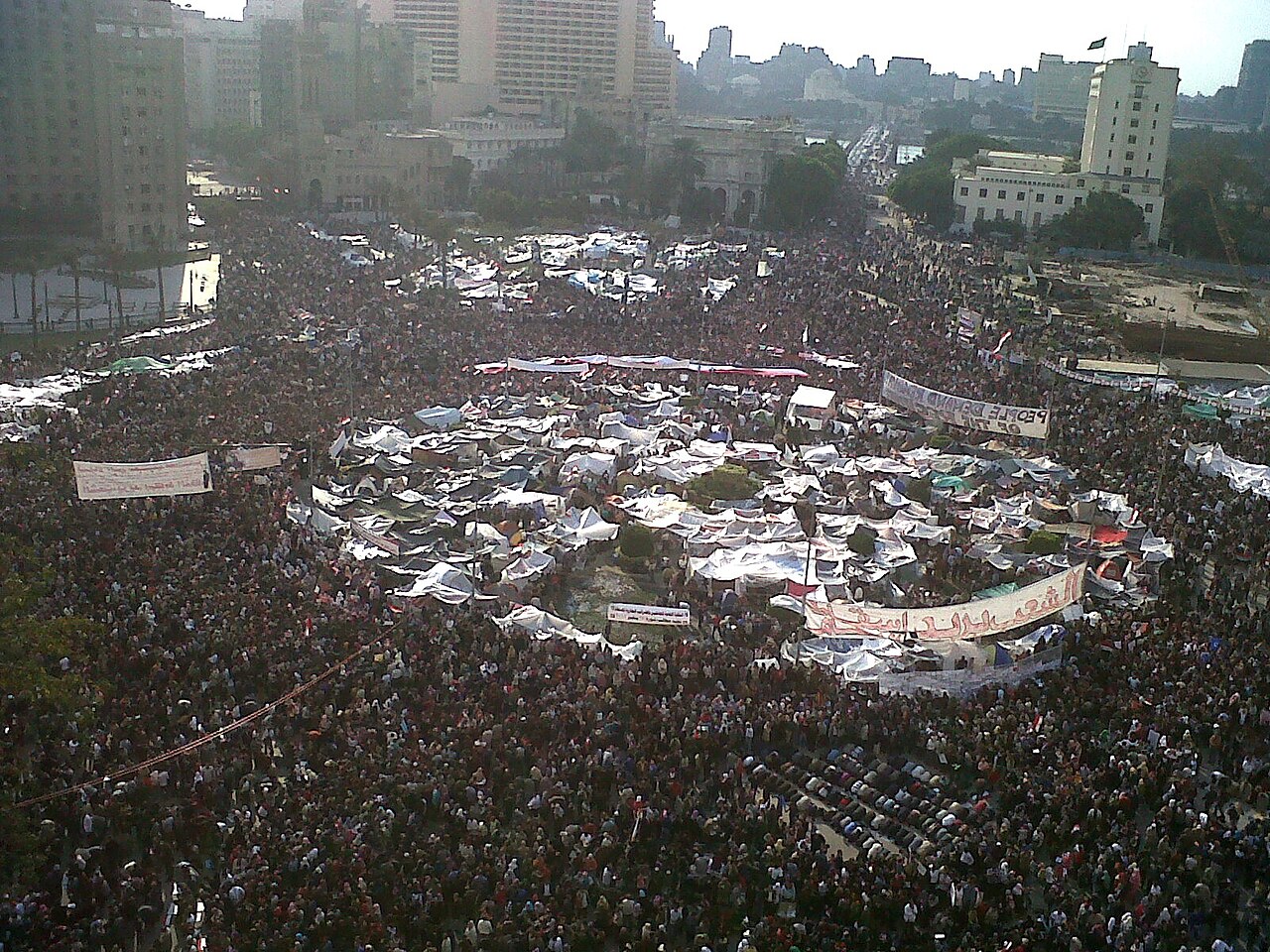
It links Tahrir Square on Cairo's eastern bank with Gezira Island, toward Zamalek, on the western side of the Nile channel.
Khedive Ismail ordered its construction in 1869 and assigned the work to a French company.
The first bridge officially opened in May 1872 after structural tests that included repeated crossings by an artillery unit with six guns.
King Fuad I opened the replacement bridge on 6 June 1933.
The current name refers to the Qasr El Nil palace associated with Princess Nazli Hanem, a daughter of Muhammad Ali Pasha.
Four bronze lions stand at the approaches, two at each end; they were originally made for the gates of Giza Zoo before being placed on the bridge.
Loading the interactive map…
The interactive map could not be loaded.
Last updated:
Source: OpenStreetMap contributors, Wikidata ·