

2 min walk
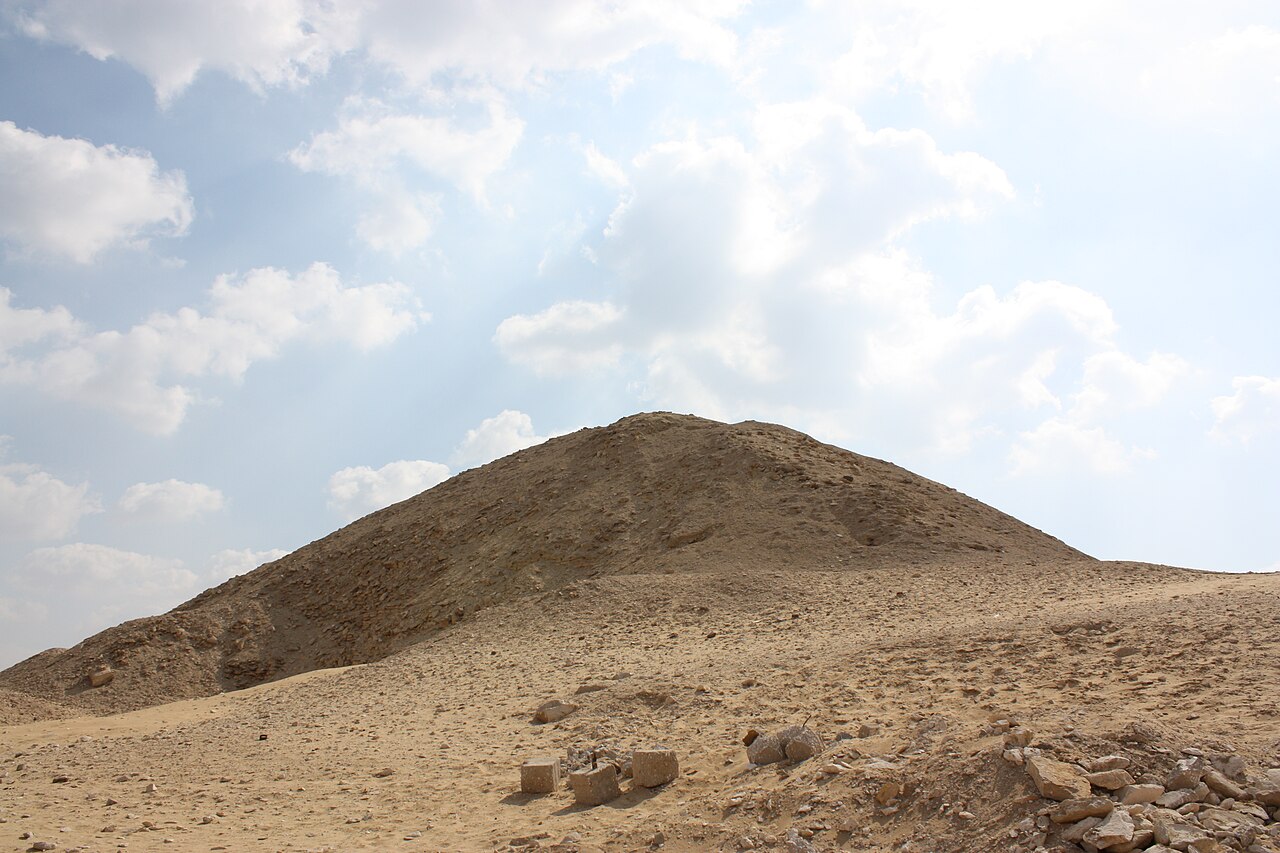
Pyramid of Teti
- Must see
- Historic monument
Language · 11 published
Historic monument · Cairo
مصطبة كاجيمنى
Reviewed by Elena Voss · SSMTour Travel Editor

Mastaba of Kagemni is an Old Kingdom tomb at Saqqara, the ancient necropolis south of Cairo. Kagemni served as vizier under Pharaoh Teti during the Sixth Dynasty, and his rectangular mastaba reflects the burial architecture of an elite official. The monument lies within Memphis and its Necropolis, a UNESCO World Heritage Site. Its importance is not based on monumental height but on the quality and range of its relief decoration. For travellers, Kagemni offers a close encounter with the visual language of Old Kingdom administration, agriculture, hunting, ritual, and the ideal afterlife. The tomb has been accessible to visitors historically, but current operational status should be confirmed through official Egyptian antiquities authorities before travel.
Checked 2026-08-26 · Source
The mastaba’s chambers and corridors contain finely carved limestone reliefs. Scenes show farming, animal husbandry, hunting, fishing, offering bearers, and administrative activity, turning the walls into a carefully arranged picture of service and abundance. A serdab chamber and statue niche belong to the tomb’s ritual design, while the false door provided a symbolic focus for offerings to the deceased. Study the scenes at close range and compare the different activities: the monument is especially rewarding when you notice how ordinary work was transformed into an image of eternal provision.
Checked 2026-08-26 · Source
Set aside about forty-five minutes to one hour for Mastaba of Kagemni. That is enough to move through the accessible chambers and appreciate the principal relief themes without rushing. Art historians, Egyptology enthusiasts, and travellers interested in ancient administration may want longer for individual scenes. Kagemni works well as one stop in a broader Saqqara circuit, especially alongside other decorated tombs and the Step Pyramid complex. A full day gives the necropolis room to unfold, while a shorter route can pair Kagemni with nearby monuments in the same area.
Checked 2026-08-26 · Source
Visit Saqqara early in the day, when the desert heat is gentler and the open-air distances between monuments are easier to manage. Summer conditions can become strenuous under direct sun, while winter offers comfortable weather for a longer archaeological circuit. Plan Kagemni together with other tombs rather than arriving late for a single interior. Alternate time underground with pauses outdoors, and carry water for the exposed parts of the necropolis. Morning light also gives the surrounding desert landscape a clearer sense of scale before the strongest heat develops.
Checked 2026-08-26 · Source
Mastaba of Kagemni is visited within the Saqqara archaeological zone, administered through Egypt’s antiquities authorities. The zone entrance and access to individual tombs may be handled separately, so plan the day around the monuments you intend to enter. Carry Egyptian pounds for site expenses and transport, and remember that photographic privileges can have their own rules. The practical value of Kagemni lies in its reliefs, so budget enough time for the interior rather than treating the wider zone ticket as the entire experience.
Checked 2026-08-26 · Source

Saqqara is roughly thirty kilometres south of central Cairo. Travel by private vehicle, taxi, or organised tour, then use the arranged vehicle to move between monuments across the necropolis. Public transport involves several stages and can be difficult when the final approach and internal site roads are unfamiliar. Traffic can extend the journey in both directions, so do not schedule a tight return commitment. Combining Kagemni with Dahshur or Memphis is possible, but those additions require more road time and a clear plan for transport.
Checked 2026-08-26 · Source
Entering the mastaba means descending steps and moving through narrow underground spaces with uneven flooring. Wear secure, closed shoes and take care around low ceilings and tight turns. Interior conditions may feel humid compared with the dry desert outside. Bring water and sun protection for the wider site, where shade is limited. Vendors and guides may offer help near the monuments; settle the service and price before accepting it. The physical demands of the tomb make a careful pace essential, particularly when several Saqqara monuments are planned for the same day.
Checked 2026-08-26 · Source
The reliefs in Mastaba of Kagemni should be treated as protected funerary surfaces. Follow the rules at the entrance and comply with the instructions of antiquities staff. Flash is inappropriate in decorated chambers, while tripods, professional cameras, and video may need separate permission. A phone may be more discreet than a large camera in narrow passages, but the same courtesy applies. Do not touch the carvings or obstruct another visitor’s view. When image-making is restricted, concentrate on the composition of the scenes and the craftsmanship visible at close range.
Checked 2026-08-26 · Source
Kagemni was a vizier who served under Pharaoh Teti during the Sixth Dynasty of Egypt’s Old Kingdom.
The mastaba is especially valued for finely carved reliefs showing agriculture, animal husbandry, hunting, fishing, offerings, and administration.
Allow approximately forty-five minutes to one hour, with additional time if you want to study individual relief scenes closely.
The tomb requires stair descent and movement through confined underground passages, so it presents significant challenges for visitors with limited mobility.
Yes. Independent visits are possible with arranged transport, while an organised excursion can simplify movement around the dispersed Saqqara monuments.
Wear modest clothing covering shoulders and knees, plus secure closed shoes for steps, uneven floors, and confined passages.
Loading the interactive map…
The interactive map could not be loaded.


Last updated:
Source: OpenStreetMap contributors, Wikidata ·