.jpg)
.jpg)


2 min walk
مسجد الأمير صرغتمش الناصري
- Notable
- Place of worship
Language · 11 published
Historic monument · Cairo

Historic Cairo is a UNESCO World Heritage site encompassing one of the world's oldest Islamic cities, founded in the tenth century. It became the new centre of the Islamic world, reaching its golden age in the fourteenth century. The area contains mosques, madrasas, hammams, fountains, and a dense urban fabric that accumulated over centuries. The site was inscribed on the World Heritage List in 1979 under criteria (i), (v), and (vi). Its boundaries include the walled city and surrounding historic districts rather than a single contained monument.
Checked 2026-08-26
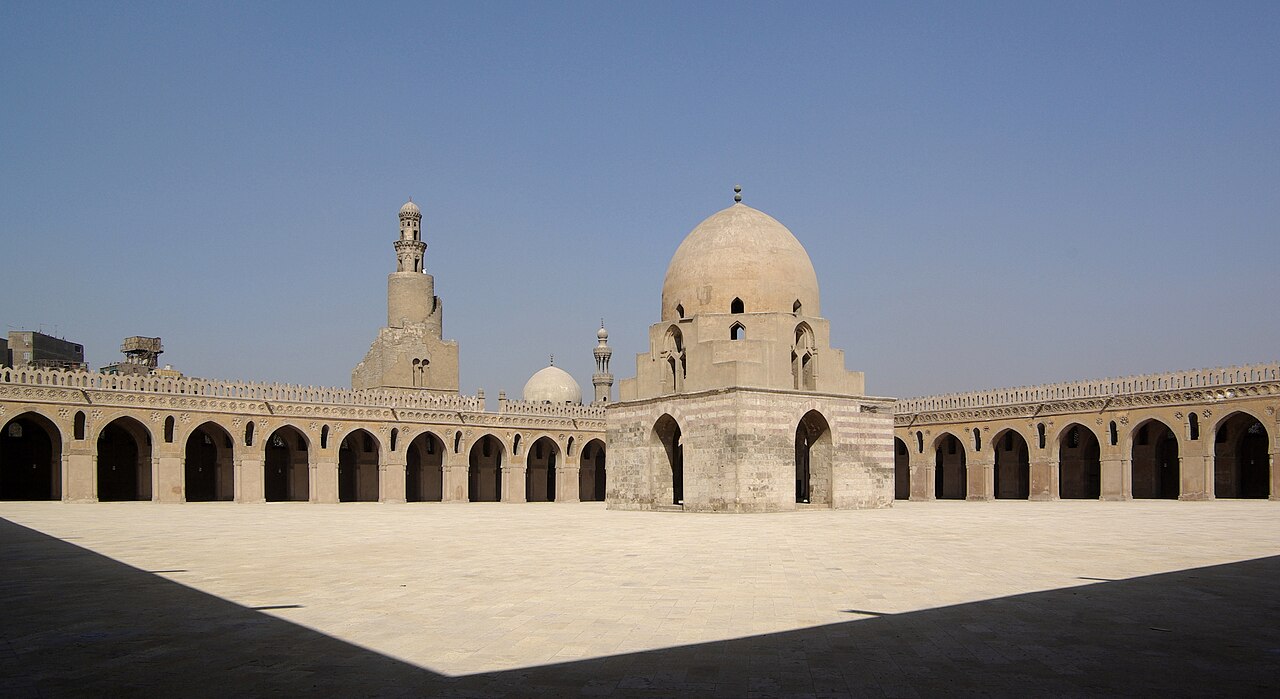
The urban landscape contains Fatimid, Ayyubid, Mamluk, and Ottoman architectural layers. Notable monuments include the Mosque of Ibn Tulun, one of the oldest surviving mosques in Africa, and the complex of Sultan al-Mansur Qalawun. The area encompasses the famous Khan al-Khalili bazaar district, Coptic Christian heritage sites including churches, and numerous caravanserais, fountains, and residential structures. The density of historic monuments in this relatively compact area is considered exceptional. No single production district identity exists within this broader heritage landscape. Historic Cairo also earns time in a cairo itinerary because The World Heritage urban landscape is Cairo's exceptional concentration of Fatimid, Ayyubid, Mamluk, Ottoman, Coptic, and market heritage; no single production district identity exists. Its value becomes clearer when the stop is compared with the surrounding streets and the other ranked places nearby.
Checked 2026-08-26
Visitors should plan for multiple days to explore Historic Cairo adequately given its extensive boundaries and monument density. A superficial circuit of major monuments requires at minimum a full day. Serious architectural or historical study demands substantially longer engagement. The area's narrow streets, market crowds, and dispersed sites slow movement considerably. Many travellers combine repeated visits with breaks rather than attempting comprehensive coverage in one attempt. The bazaar districts alone warrant several hours of wandering. Individual monument interiors vary in accessibility and inspection time.
Checked 2026-08-26

Cairo experiences hot summers and mild winters, with peak heat from June through September making extended walking uncomfortable. Cooler months from November through March offer more pleasant conditions for street-level exploration. Ramadan timing affects shop hours and food availability in surrounding commercial areas. Friday prayer times may affect access to functioning mosques. Operator-confirmed hours for specific monuments are Not recorded pending review. Visitors should verify current access conditions before travel as circumstances change. Early morning starts help avoid both crowds and peak temperatures regardless of season.
Checked 2026-08-26
Individual monuments within Historic Cairo may have separate admission arrangements. Some functioning religious buildings permit entry without charge while requesting appropriate dress and behaviour. Others may require tickets purchased on site. Combined ticketing arrangements, if any exist, are not confirmed in available sources. Operator-confirmed prices are Not recorded pending review. Visitors should carry small denomination cash as electronic payment acceptance is not guaranteed at all entry points. Photography permits inside monuments may involve additional fees where such policies exist. Budget flexibility is advisable.
Checked 2026-08-26
Historic Cairo occupies central Cairo between modern downtown and the Citadel. The Cairo Metro serves the general area with stations including Bab el-Shaaria and Attaba providing access to different quarters. Taxis and ride-hailing services operate throughout but face congestion in narrow historic streets. Walking is necessary within the dense urban fabric once arrived. The Khan al-Khalili bazaar area is particularly pedestrian-dominant. Signage in the medieval street pattern is limited; navigation requires patience or local guidance. The Citadel and Islamic Cairo museum sit at the eastern edge of the historic zone.
Checked 2026-08-26

Street-level conditions in dense historic quarters demand situational awareness. Traffic in narrow lanes includes motorcycles and delivery carts moving unpredictably. Crowd density in market areas creates pickpocketing opportunities. Aggressive vendor approaches occur in tourist-frequented bazaar sections. Dress modestly for religious site visits; shoulders and knees should be covered. Some monument interiors have uneven surfaces, poor lighting, or steep stairs without handrails. Air quality in central Cairo can affect respiratory conditions. Tap water is not recommended for drinking. Solo female travellers report varying experiences and may prefer daytime visits or accompaniment.
Checked 2026-08-26
Exterior photography of historic monuments is generally possible from public thoroughfares. Interior photography policies vary by individual site and may be prohibited, permitted freely, or require purchase of a camera permit. Functioning mosques may restrict photography during prayer times or entirely. Local residents in market areas may object to unsolicited portrait photography. Tripod use in crowded streets is impractical and may attract security attention. Early morning and late afternoon provide the most favourable natural lighting for architectural exteriors given Cairo's strong sunlight. Night photography of illuminated monuments is possible at certain locations.
Checked 2026-08-26
No. Historic Cairo is a UNESCO World Heritage urban landscape without a single production district identity. It encompasses a large area of dense historic fabric rather than one contained archaeological park or monument complex.
A superficial circuit of major monuments requires at minimum a full day, but the area's extent and density reward multiple days of exploration. Most visitors make repeated visits rather than attempting comprehensive coverage.
Accessibility varies. Some functioning religious buildings permit free entry with appropriate dress. Others may charge admission. Policies differ by individual site and are subject to change.
Standard urban precautions apply. Crowd awareness, modest dress for religious sites, and navigation patience are advisable. Conditions vary by specific quarter and time of day. Visitor judgement should inform behaviour.
The medieval street layout lacks consistent signage. The Cairo Metro provides access to edges of the area. Walking is essential within the historic fabric. Local guidance or patience with map orientation is recommended.
Khan al-Khalili trading patterns fluctuate. Ramadan affects commercial hours significantly. Friday timing influences activity levels. Operator-confirmed specific hours are Not recorded pending review.
Loading the interactive map…
The interactive map could not be loaded.

Last updated:
Source: OpenStreetMap contributors ·