
14 min walk
Egyptian Geological Museum
- Must see
- Museum
Language · 11 published
Historic monument · Cairo
القرية الفرعونية
Pharaonic Village is a living-history attraction on an island in the Nile at Cairo. The experience presents recreated scenes from ancient Egyptian life through reconstructed environments, costumed performers, and staged tableaux. It is designed as an accessible introduction to Pharaonic-era themes, combining education with entertainment. The attraction gives visitors a consolidated presentation of historical subjects rather than a visit to preserved archaeological remains. That distinction shapes the experience: Pharaonic Village is theatrical and interpretive, while places such as the Egyptian Museum, Giza pyramids, and ancient temple sites present original material and surviving structures. For travelers who want an easy-to-follow overview of daily life, rituals, crafts, and settings associated with ancient Egypt, the village offers a different kind of cultural outing within Cairo.
Checked 2026-08-26 · Source
The village contains reconstructed settings that illustrate several aspects of ancient Egyptian civilization. Costumed interpreters demonstrate crafts, rituals, and everyday activities associated with the Pharaonic period. The presentation may include scenes connected with temple life, agriculture, artisan work, and domestic routines. Boat travel to and from the Nile island forms part of the visit, making the crossing part of the attraction rather than merely a transfer. Visitors should expect a staged environment built for interpretation and audience engagement. The buildings and scenes are reconstructions, and the performers guide the visitor through an organized historical presentation. This makes Pharaonic Village especially suitable for travelers who prefer contextual storytelling and visual demonstrations to a conventional museum route.
Checked 2026-08-26 · Source
Allow at least a substantial half day for Pharaonic Village if the boat crossing, reconstructed areas, tableaux, and demonstrations are all part of the plan. The visit is longer than a brief riverside stop because movement to the island and the return crossing belong to the experience. Travelers interested mainly in theatrical presentation can move more quickly, while families and visitors who stop for each demonstration will need more time. The village works best as one major Cairo activity rather than as a rushed addition between distant archaeological sites. Pairing it with other Nile-side plans keeps the day coherent. Travelers focused on original artefacts may prefer a shorter visit and reserve more time for museums or archaeological monuments.
Checked 2026-08-26 · Source
Cooler Cairo months are the most comfortable choice for Pharaonic Village because the experience includes outdoor and semi-outdoor areas on a Nile island. Winter brings milder conditions and generally suits longer sightseeing days. Summer visits require more attention to heat, direct sun, and hydration, especially while moving between exposed scenes or boarding boats. Morning visits can make the outdoor portions easier before the strongest daytime heat. Crowded periods may make the staged areas and crossings feel slower, so a generous schedule is useful. The island setting also gives the visit a distinct atmosphere in changing light, with the Nile providing a visible contrast to the reconstructed historical scenes.
Checked 2026-08-26 · Source
Pharaonic Village is a ticketed attraction, so visitors need admission before entering the reconstructed island setting. The visit may include the boat component and the staged historical presentation, while additional experiences can have their own arrangements. Because ticket categories and current prices are not included in this guide, travelers should plan for a paid cultural attraction rather than free public river access. Families and groups should allow time for the ticketing process before the scheduled experience begins. The most useful comparison is with a museum visit: the cost covers an organized interpretation with performers, reconstructions, and movement through the village, not entry to an archaeological site containing original monuments.
Checked 2026-08-26 · Source
Pharaonic Village is reached from mainland Cairo and then accessed by boat because the attraction occupies an island in the Nile. Road transport such as a taxi or ride-hailing car can bring visitors to the embarkation point from central Cairo districts. The river crossing is an integral part of the outing, so the journey takes longer than a land-based attraction at a comparable distance. Leave room in the schedule for road traffic, finding the departure point, boarding, and the return crossing. Public bus access may serve the surrounding area, but the guide does not identify a route number or stop. The island location is therefore central to both the logistics and the character of the visit.
Checked 2026-08-26 · Source
Pharaonic Village is theatrical, so visitors should expect interpretation and performance rather than archaeological authenticity. Reconstructed buildings and staged scenes do not replace original monuments or museum collections. Heat and sun can make the island uncomfortable during Cairo’s hottest periods; carry water, use sun protection, and pace the outdoor portions. Boarding a boat and moving across the site may be difficult for some travelers with limited mobility. Crowding can slow viewing and movement through popular scenes. Families should consider the length of the full crossing-and-village experience for younger children. Keep valuables secure in busy areas, and follow staff directions around boats, performances, and visitor routes.
Checked 2026-08-26 · Source
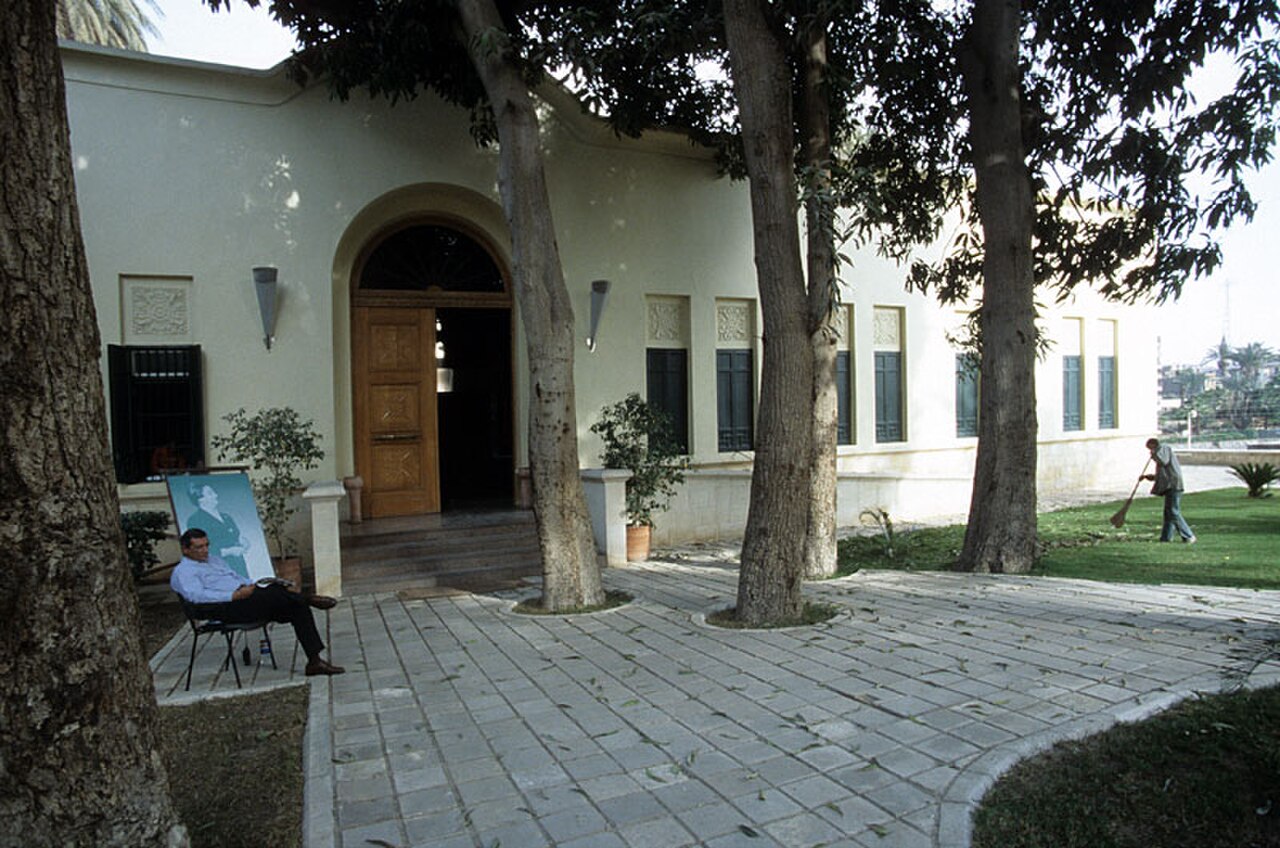
Pharaonic Village offers photographs of reconstructed environments, costumed performers, staged scenes, and the Nile setting. The contrast between the island landscape and the historical tableaux gives the attraction a distinctive visual character. Photograph performances without blocking the route or distracting performers and other visitors. Close portraits should respect the people taking part in the presentation. Boat boarding and crowded paths call for secure handling of cameras and phones. Light changes between open riverside areas and themed reconstructions, so exposure can vary throughout the visit. A quiet, observational approach works better than treating the performers as isolated props, particularly during demonstrations and ritual scenes.
Checked 2026-08-26 · Source
Yes. Its theatrical presentation, reconstructed settings, costumed performers, and demonstrations offer children an accessible introduction to ancient Egyptian themes.
No. Pharaonic Village uses reconstructions, staged tableaux, and costumed performances; original artefacts are associated with museums and archaeological sites instead.
Pharaonic Village is a theatrical introduction to ancient Egyptian life, while the Egyptian Museum and Giza pyramids present original artefacts or surviving ancient structures.
The Nile boat crossing is central to the visit because the attraction occupies an island and the crossing forms part of the visitor experience.
Pharaonic Village is located on an island in the Nile at Cairo, reached from a mainland embarkation point by boat.
Visitors can see reconstructed ancient Egyptian settings, costumed interpreters, and demonstrations connected with crafts, rituals, agriculture, temple life, and daily activities.
Loading the interactive map…
The interactive map could not be loaded.
Last updated:
Source: OpenStreetMap contributors ·