
7 min walk
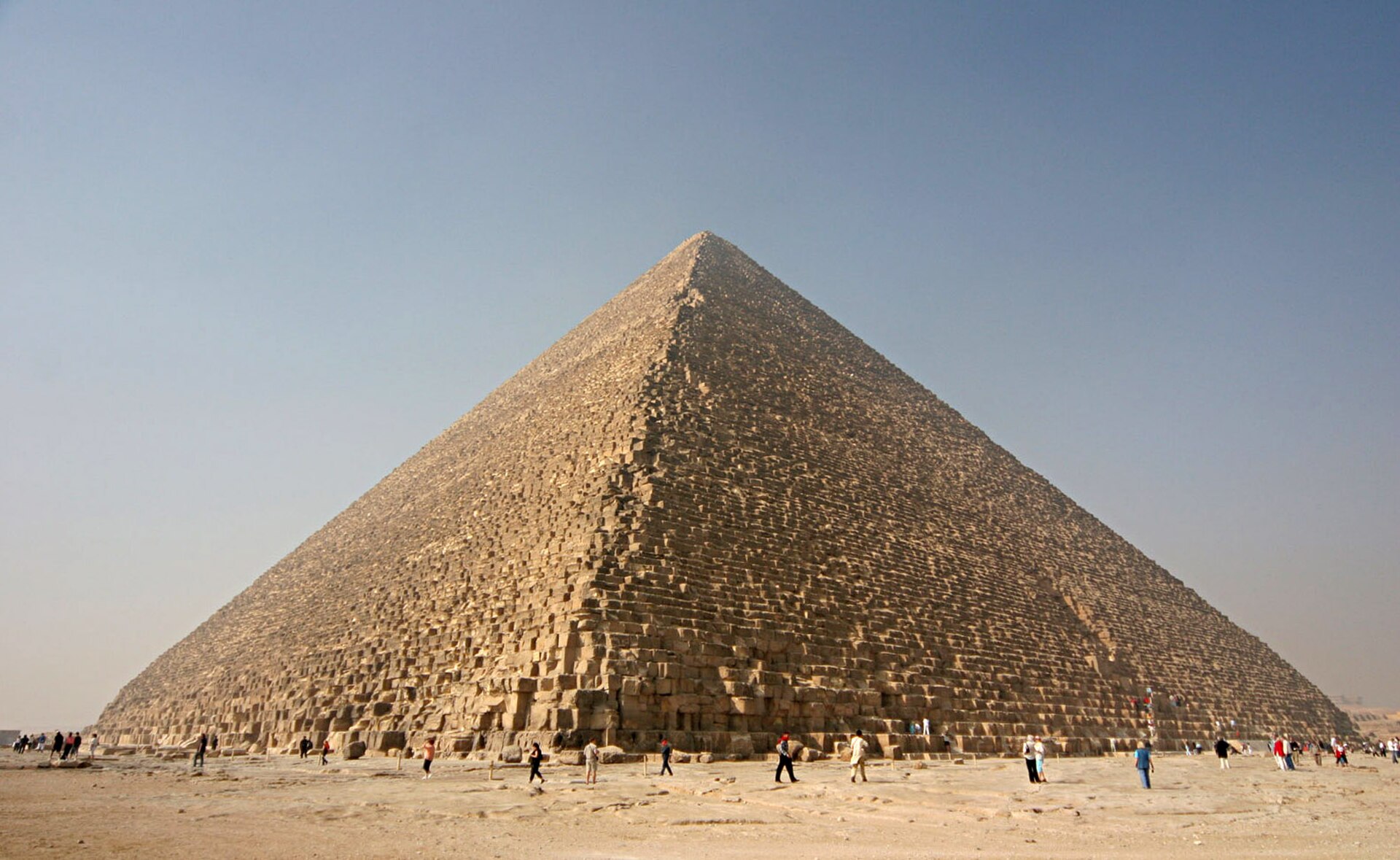
Great Pyramid of Giza
- Must see
- Historic monument
Language · 11 published
Historic monument · Cairo
أبو الهول
Reviewed by Elena Voss · SSMTour Travel Editor
| Monday | 07:00 – 17:00 |
|---|---|
| Tuesday | 07:00 – 17:00 |
| Wednesday | 07:00 – 17:00 |
| Thursday | 07:00 – 17:00 |
| Friday | 07:00 – 17:00 |
| Saturday | 07:00 – 17:00 |
| Sunday | 07:00 – 17:00 |
Checked 2026-08-31 · Source
Read from the OpenStreetMap access tags; anything not listed has no tag recorded.
Set the group type to family in the planner and the day window contracts to about three quarters of a solo day.
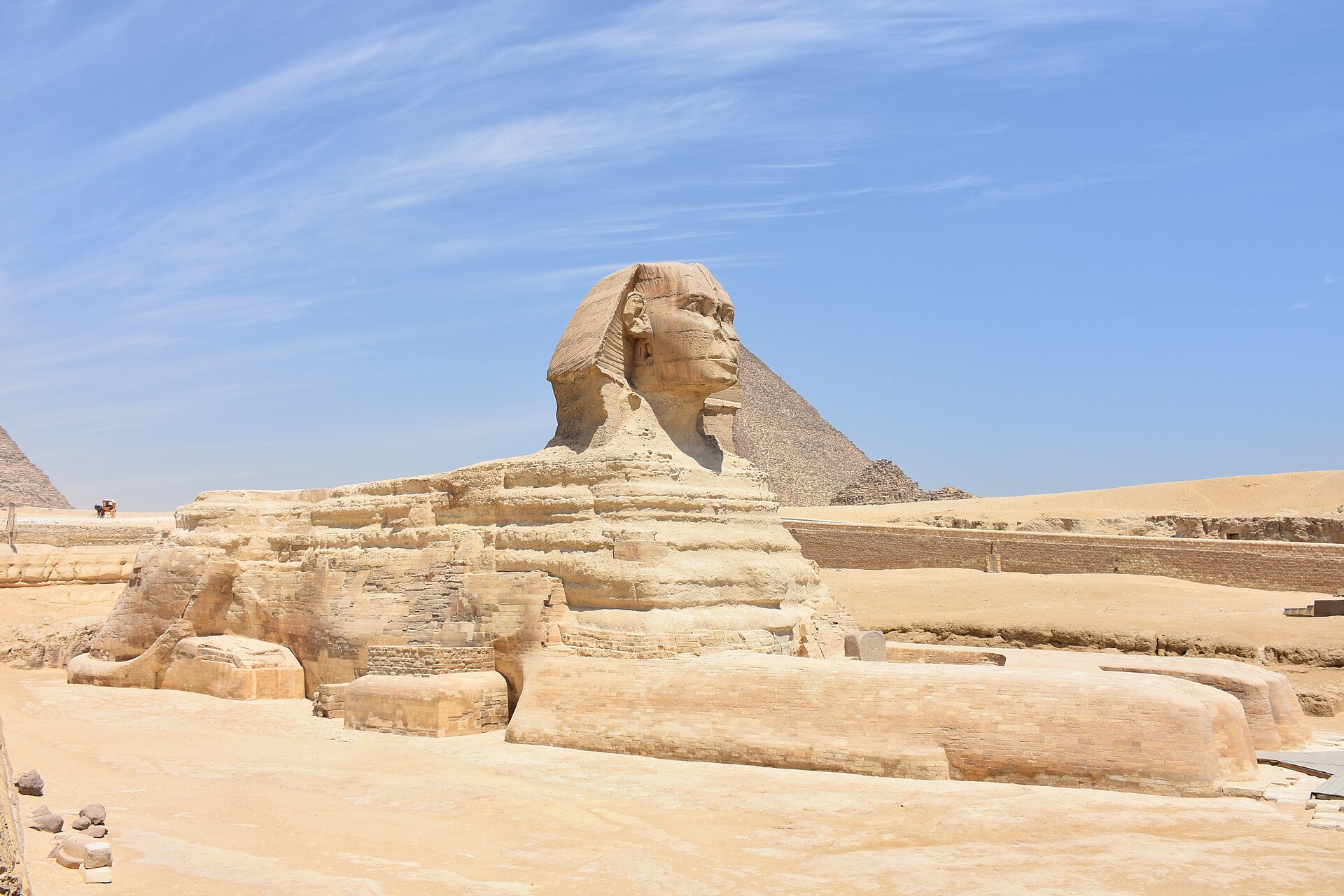
The Great Sphinx of Giza is a colossal limestone statue depicting a recumbent lion with a human head, situated on the Giza Plateau on the southwestern outskirts of Cairo. The monument stands in proximity to the three major pyramids of Giza, forming part of the UNESCO World Heritage Site inscribed in 1979. Carved from bedrock, the sculpture represents one of antiquity's most enduring symbols and has served as a landmark for travellers, scholars, and pilgrims across millennia of recorded history. Daily 07:00–17:00; last entry 16:00. Ramadan 08:00–16:00; last entry 15:00.
Checked 2026-08-31 · Source
The Sphinx itself is an open-air monument without interior chambers accessible to visitors. The immediate site encompasses the statue, its surrounding enclosure, and adjacent archaeological features including the Valley Temple and various tombs and mastabas in the broader Giza complex. The monument shows significant weathering, particularly on the face and headdress. Ongoing conservation efforts by Egyptian authorities aim to preserve the structure. Visitors observe the sculpture from designated viewing areas at ground level and from nearby elevated positions. Open every day; the Ministry lists no weekly closure day.
Checked 2026-08-31 · Source
A focused visit to the Sphinx platform typically requires thirty to sixty minutes, though many travellers integrate this stop within a broader Giza Plateau itinerary spanning several hours. The site rewards patient observation, particularly during changing light conditions. Those with archaeological or historical interest may wish to examine surrounding features including the Valley Temple and various tomb structures. Combination visits incorporating the pyramids, solar boat museum, and broader desert cemeteries constitute the standard visitor pattern for this destination.
Checked 2026-08-31 · Source
Early morning arrival generally offers cooler temperatures and reduced crowding, particularly during Egypt's hotter months from May through September. December through February brings milder conditions but larger tourist volumes. Sunrise and sunset provide dramatic illumination for observation and photography. Sandstorms may occur seasonally, particularly during the khamasin winds of spring, potentially reducing visibility and comfort. Daily 07:00–17:00; last entry 16:00. Ramadan 08:00–16:00; last entry 15:00. Take Cairo Metro Line 2 to Giza station, beside Giza Railway Station, then use a bus heading toward the Pyramids. Within the plateau, electric buses link the visitor centre with the archaeological stops.
Checked 2026-08-31 · Source
The Giza Plateau operates under unified ticketing administered by Egyptian authorities, with separate fees occasionally applicable for additional site features or vehicle access. International visitors typically pay differentiated rates from Egyptian nationals. Photography permits may incur supplementary charges. Payment methods and currency acceptance vary; visitors should verify current requirements. Student discounts may be available with appropriate identification. Standard daytime viewing is covered by Giza Plateau area admission: foreign adult EGP 700; Egyptian adult EGP 60. A private Sphinx visit is separate and carries the site-opening fee. The developed entrance provides ticket counters and pathways for visitors with disabilities.
Checked 2026-08-31 · Source
The Giza Plateau lies approximately fifteen kilometres southwest of central Cairo across the Nile. Taxis and ride-hailing services provide direct access, though traffic congestion is common. Some organised tours include dedicated transport. The site is walkable from Giza railway station for those comfortable with distance and navigation. Take Cairo Metro Line 2 to Giza station, beside Giza Railway Station, then use a bus heading toward the Pyramids. Within the plateau, electric buses link the visitor centre with the archaeological stops. Electric buses carry visitors from the visitor centre to archaeological stops across the plateau.
Checked 2026-08-31 · Source
Intense solar exposure demands adequate hydration, head covering, and sun protection throughout visiting periods. Persistent vendors and unofficial guides operate around the plateau perimeter; visitors should establish prices clearly before accepting services or decline politely but firmly. Unpaved areas present uneven footing. Animal handlers offering camel and horse rides require careful negotiation and safety awareness. Political demonstrations occasionally affect access routes. The developed entrance provides ticket counters and pathways for visitors with disabilities. Accessible provision is route-based; the responsible public body does not describe the entire ancient precinct as continuously step-free.
Checked 2026-08-31 · Source
The Sphinx offers numerous vantage points, with the classic frontal perspective from the temple causeway being most frequently captured. Side angles reveal the monument's scale against pyramid backdrops. Early and late light produces warm tones on the limestone surface. Tripod use may be restricted or require permits. Drone operation is prohibited without explicit authorisation. The enclosure railing limits close approaches; telephoto lenses assist detail capture. Sand and dust necessitate equipment protection. It was carved during Egypt's 4th Dynasty, approximately 2613–2494 BC. Archaeological evidence points to Khafre, who reigned approximately 2558–2532 BC.
Checked 2026-08-31 · Source
It was carved during Egypt's 4th Dynasty, approximately 2613–2494 BC.
Archaeological evidence points to Khafre, who reigned approximately 2558–2532 BC.
The colossal statue was carved directly from the Giza Plateau's bedrock.
It combines a king's head with a lion's body, presenting royal power in the form used for ancient Egyptian sphinxes.
The Sphinx Temple is in front of it; Khafre's valley temple and the lower section of the causeway to his mortuary temple and pyramid are directly adjacent.
It is the Dream Stela, erected by Thutmose IV during the 18th Dynasty.
Loading the interactive map…
The interactive map could not be loaded.
Last updated:
Source: OpenStreetMap contributors, Wikidata ·