.jpg)


2 min walk
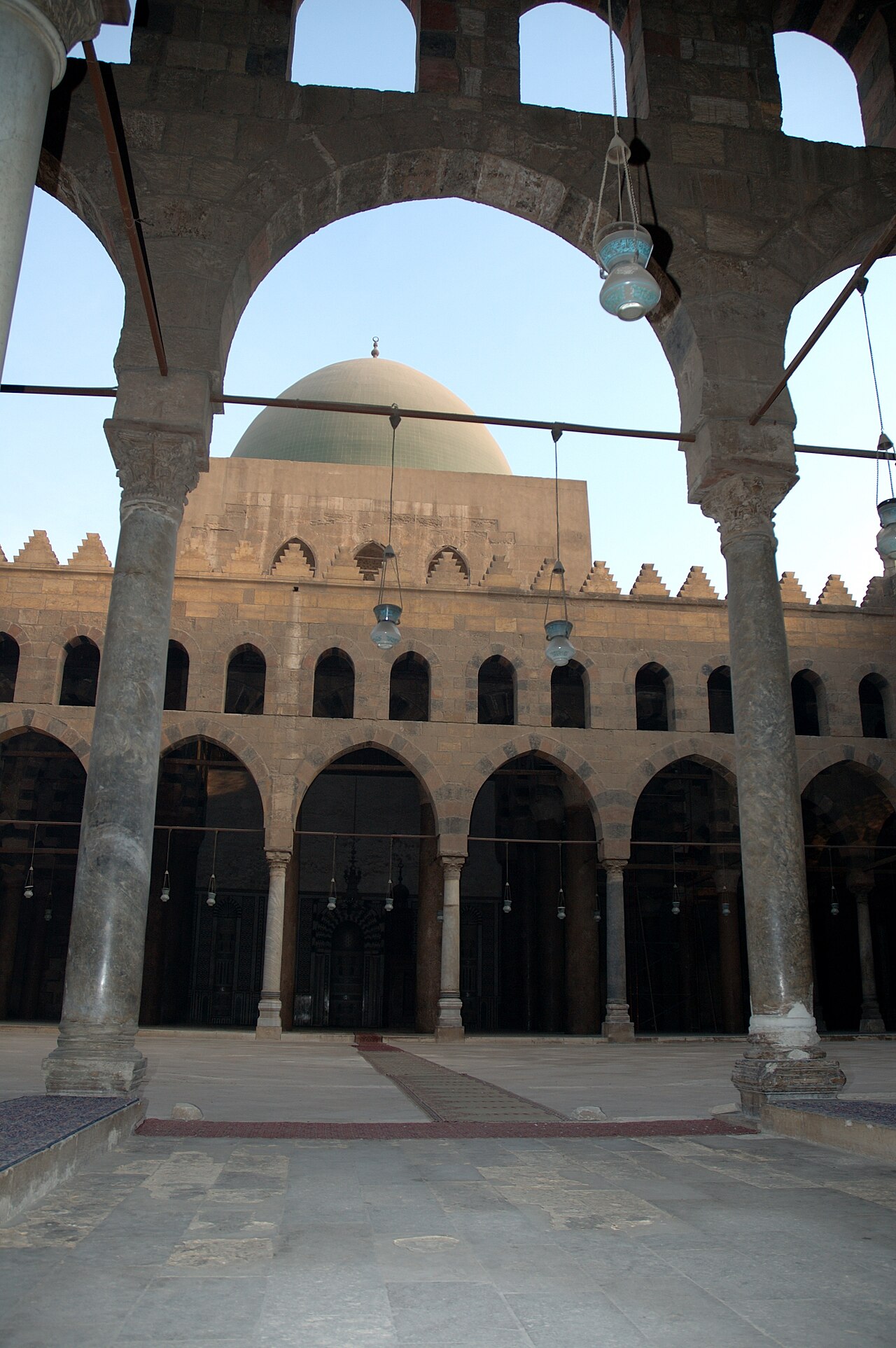
Al-Nasir Muhammad Mosque
- Must see
- Historic monument
Language · 11 published
Historic monument · Cairo
قلعة صلاح الدين

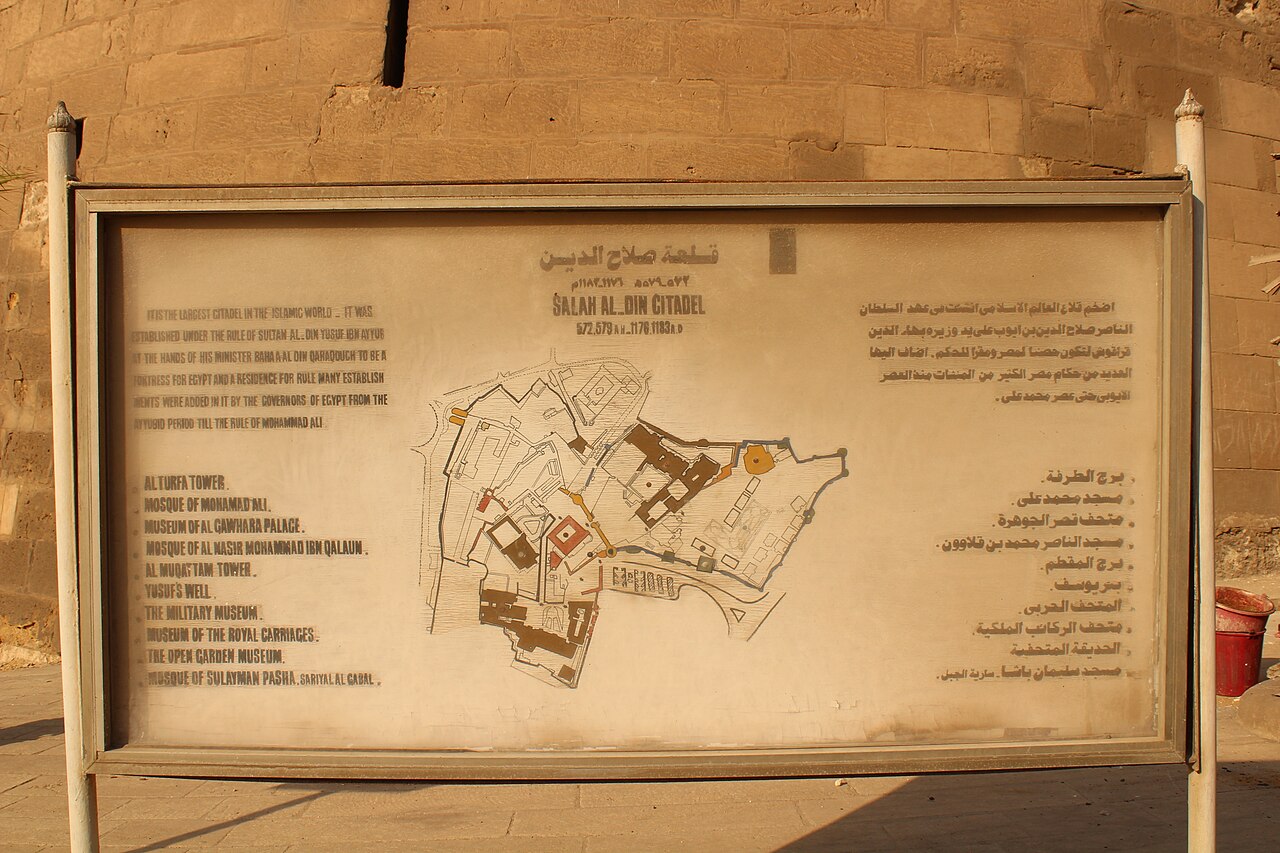
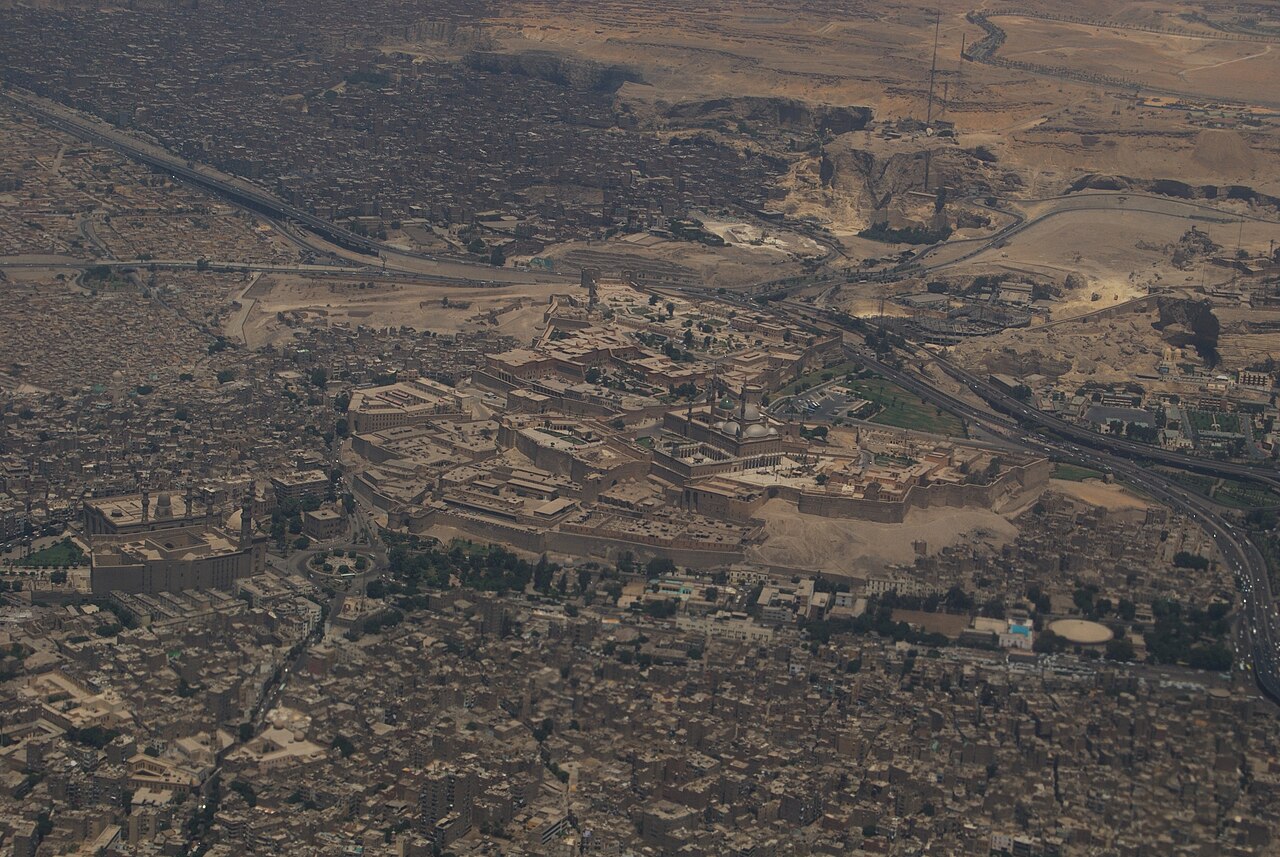
The Cairo Citadel, known locally as Qal'at Salah al-Din al-Ayyubi, is a medieval fortress complex occupying a strategic hilltop in eastern Cairo. Built under Saladin in the late 12th century, it served as Egypt's seat of government for nearly 700 years. The UNESCO World Heritage site of Historic Cairo encompasses this landmark, which dominates the city's skyline with its imposing walls and multiple mosques. Its elevated position provides commanding views across Cairo and toward the Giza plateau, making it both a military monument and an observation point.
Checked 2026-08-26
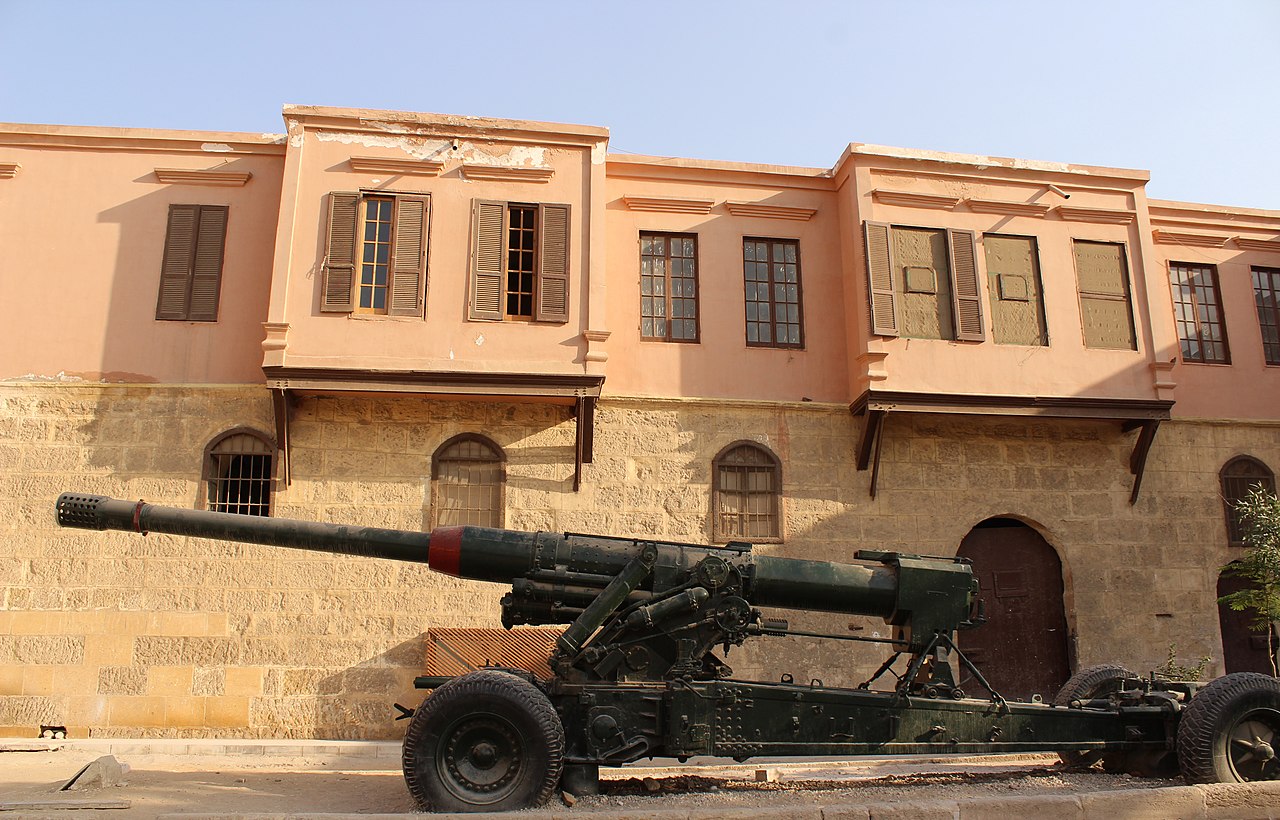
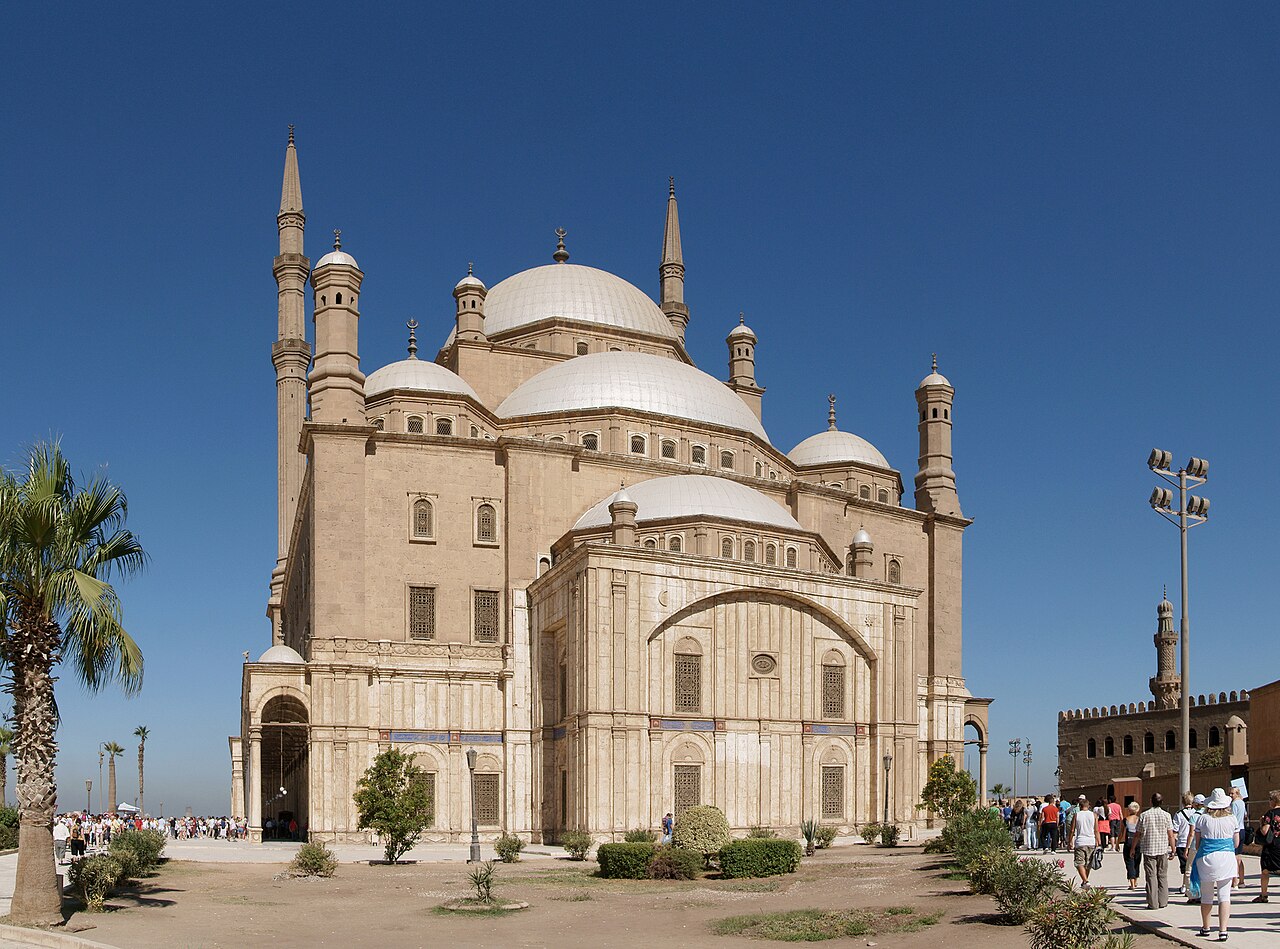
The Citadel complex contains multiple structures accumulated across centuries. The Mosque of Muhammad Ali, with its distinctive Ottoman dome and minarets, occupies a prominent position. Several museums operate within the grounds, including military and police museums displaying historical collections. Carriage houses, palace structures, and defensive fortifications remain visible. Terraced gardens and open courtyards separate the architectural components. The site preserves evidence of Ayyubid, Mamluk, and Ottoman construction phases, reflecting successive ruling powers who modified the fortress for their purposes.
Checked 2026-08-26
Visitors typically allocate between two and four hours for exploring the Citadel complex. The expansive grounds require considerable walking between dispersed attractions, including ascending and descending sloped pathways. Those examining museum interiors thoroughly and appreciating multiple viewpoints need additional time. Photography enthusiasts and architecture specialists often extend their stay. The panoramic terraces reward unhurried observation. Combining the Citadel with nearby Historic Cairo monuments demands a full day. Individual pacing varies substantially based on physical condition, seasonal temperature, and depth of historical interest in the layered site.
Checked 2026-08-26
Operator-confirmed hours are Not recorded pending review. Visitors should verify current opening schedules through official channels before planning their visit. Morning hours generally offer cooler temperatures for navigating the exposed hilltop terrain, particularly during warmer months. Clear atmospheric conditions enhance the celebrated panoramic views toward distant landmarks. Friday timing may coincide with congregational prayer at the functioning mosque within the complex. Religious and national holidays potentially affect accessibility. Seasonal tourist fluctuations influence crowding levels. Advance confirmation remains essential given potential unannounced modifications to operational schedules.
Checked 2026-08-26
Operator-confirmed prices are Not recorded pending review. Admission structures for the Citadel complex may encompass separate components or combined entry options. Additional fees potentially apply for specific museum exhibitions or photography permissions. International visitors typically encounter differentiated pricing from resident rates. Valid identification requirements apply for ticket categories. Payment methods and currency acceptance should be confirmed in advance. Group arrangements and guided services may involve separate arrangements. Budgeting should incorporate potential supplementary costs. Current fee schedules must be verified through official sources before arrival to ensure adequate preparation.
Checked 2026-08-26
The Citadel occupies elevated terrain in Cairo's eastern district, visible from numerous city locations. Multiple transportation approaches serve the site. Taxis and ride services provide direct access to entrance points, though final segments require walking. Public bus routes operate in surrounding areas. The nearest metro stations demand subsequent connection by other means. Traffic congestion affects journey durations unpredictably. Pedestrian approaches from Historic Cairo quarters involve substantial elevation gain. Signage in Arabic assists navigation. Visitors should prepare for security screening at entry points. Return transportation requires similar planning given the site's removed position from main transit corridors.
Checked 2026-08-26
The hilltop location exposes visitors to intense solar radiation with limited shade across extensive walking routes. Appropriate hydration and sun protection prove essential. Uneven historical surfaces present trip hazards requiring sturdy footwear. Steep gradients challenge mobility-impaired visitors. Persistent guided tour solicitation occurs at entrances. Unofficial claims about access restrictions should be verified independently. Photography permissions vary by specific location within the complex. Modest dress expectations apply particularly at religious structures. Aggressive commercial approaches characterize surrounding areas. Air quality fluctuations affect visibility for anticipated panoramic photography. Personal belongings require attention in crowded sections.
Checked 2026-08-26
The Citadel offers exceptional photographic opportunities combining architectural subjects with expansive urban vistas. The Muhammad Ali Mosque presents striking domed and minaret compositions against sky backgrounds. Panoramic terrace positions capture Cairo's dense urban fabric extending toward distant horizons. Golden hour illumination enhances both building facades and atmospheric perspective. Interior mosque photography requires sensitivity to worship activities. Tripod restrictions may apply at certain locations. Haze variability substantially affects long-distance clarity. Early morning timing generally provides optimal atmospheric conditions. The contrast between stone structures and urban sprawl yields compelling documentary imagery. Respectful distance from individuals engaged in religious practice remains essential.
Checked 2026-08-26
The Citadel lies within the boundaries of Historic Cairo, inscribed on the UNESCO World Heritage List. The specific reference is https://whc.unesco.org/en/list/89/.
The local name is قلعة صلاح الدين الأيوبي, transliterated as Qal'at Salah al-Din al-Ayyubi.
No. Operator-confirmed hours and prices are Not recorded pending review. Visitors must verify these through official sources before visiting.
Most visitors allocate two to four hours. Those with deeper interests in architecture, museums, or photography may extend their stay accordingly.
The Mosque of Muhammad Ali, with its Ottoman dome and minarets, is the most prominent structure visible within the complex.
Taxis, ride services, public buses, and metro connections with subsequent transfers serve the site. Traffic congestion and the hilltop position affect journey planning.
Loading the interactive map…
The interactive map could not be loaded.
Last updated:
Source: OpenStreetMap contributors, Wikidata ·