

1 min walk
Khan el-Khalili
- Must see
- Historic monument
Language · 11 published
Historic monument · Cairo
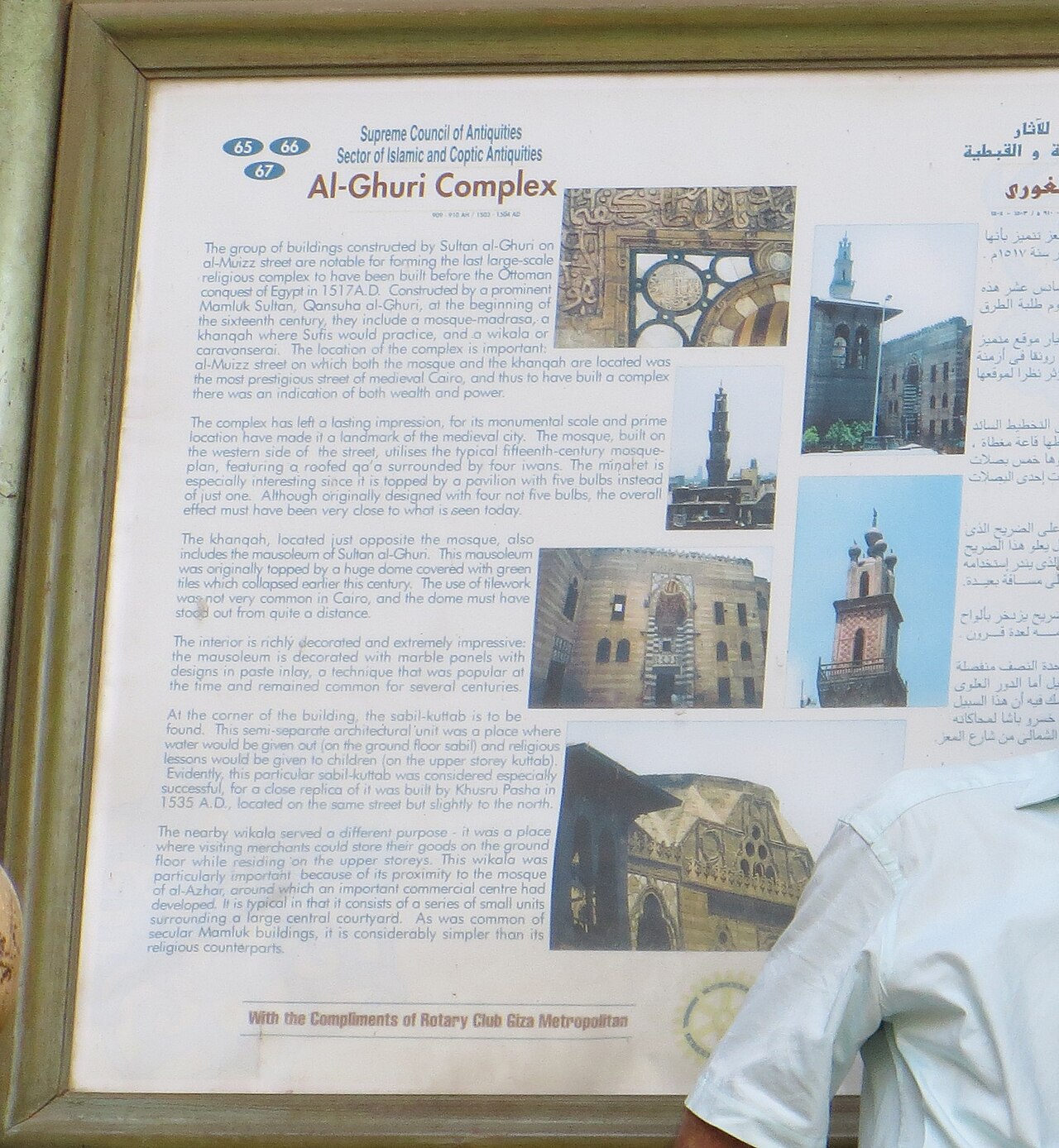
The Al-Ghuri Complex is a Mamluk-era architectural ensemble in Islamic Cairo, commissioned by Sultan al-Ashraf Qansuh al-Ghuri, the penultimate Mamluk sultan of Egypt. The complex comprises two distinct buildings facing each other across a thoroughfare: a religious structure with mosque and mausoleum, and a secular building containing a sabil-kuttab and a wikala. Constructed during the final flourishing of Mamluk architecture before Ottoman conquest, it represents the transitional style between late Mamluk and early Ottoman periods. The complex was inscribed as part of the UNESCO World Heritage site Historic Cairo.
Checked 2026-08-26
The mosque and mausoleum building features a hypostyle prayer hall with marble flooring, a central dome, and a minaret displaying the characteristic late Mamluk twin-shaft design. The mausoleum was intended for the sultan though he was not interred there. Opposite stands the sabil-kuttab, a charitable foundation providing water to passersby and Quranic education to children above. The wikala served as a commercial inn for merchants with storage and lodging. The complex preserves carved stonework, wooden mashrabiya screens, and painted ceiling decorations typical of the period.
Checked 2026-08-26
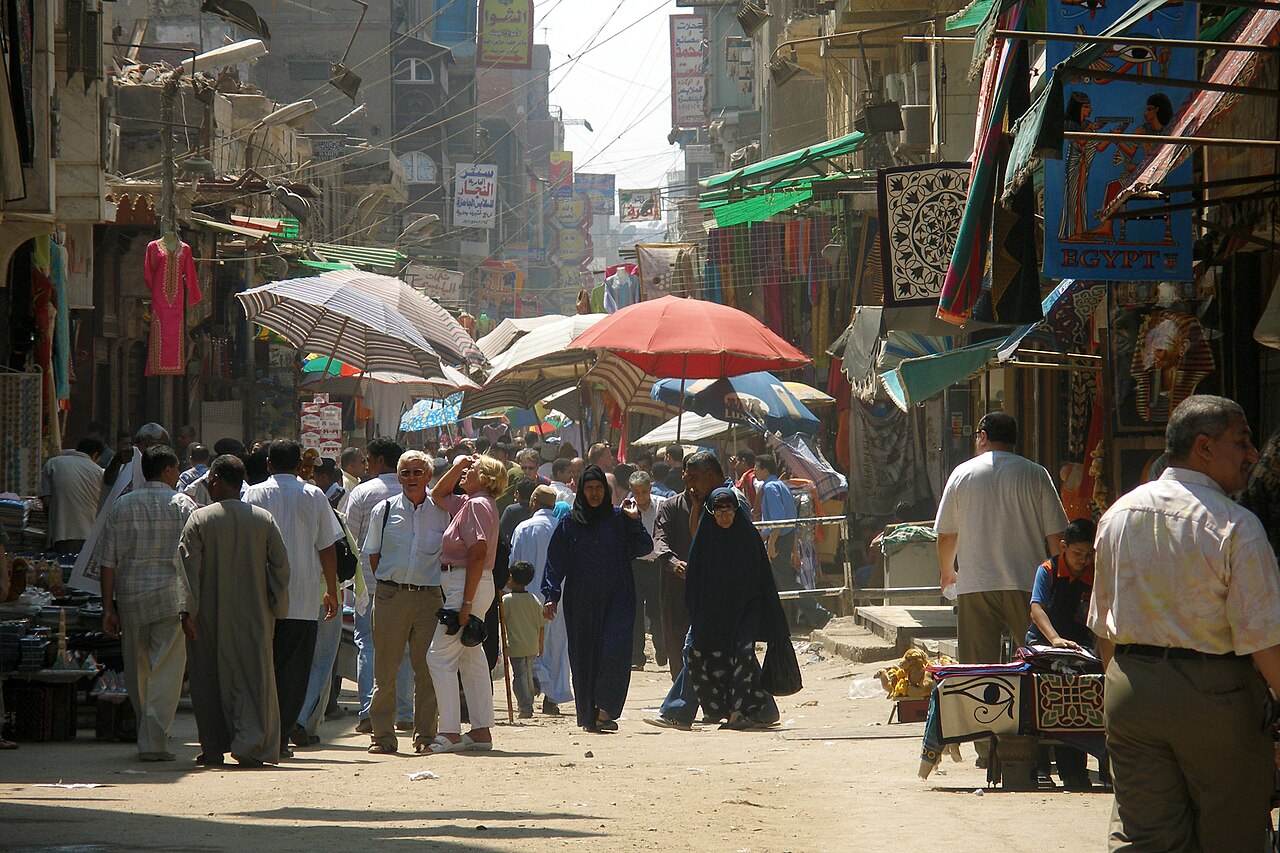
Visitors typically allocate between forty-five minutes and ninety minutes for the Al-Ghuri Complex, depending on architectural interest and photography pace. The two main structures require separate visits across the dividing street. The mosque interior merits careful examination of marble paneling and ceiling ornamentation. The sabil-kuttab and wikala offer contrasting spatial experiences. Those with particular interest in Mamluk architectural evolution may extend their stay. The compact urban setting allows integration with exploration of surrounding Islamic Cairo monuments, including the nearby Khan el-Khalili bazaar district within walking distance.
Checked 2026-08-26
Operator-confirmed hours are Not recorded pending review. Visitors should verify current opening schedules through official channels before planning their visit. The complex occupies a central position in Islamic Cairo with substantial pedestrian traffic throughout daylight hours. Friday prayer periods may affect access to the mosque portion. Egyptian summer temperatures from June through September can exceed comfort thresholds for extended outdoor exploration between structures. The winter months of December through February generally offer more temperate conditions. Early morning visits may provide reduced crowding and favorable natural lighting for architectural observation across both buildings.
Checked 2026-08-26
Operator-confirmed prices are Not recorded pending review. Entrance fee structures for heritage monuments in Egypt have undergone periodic revisions, with separate ticketing sometimes implemented for Egyptian nationals and foreign visitors. Some religious structures maintain no admission charge while associated secular monuments may require tickets. Visitors should consult official Ministry of Tourism and Antiquities sources or on-site signage for current payment requirements. Photography permits, if mandated, may constitute additional costs. Budget travelers should carry Egyptian pounds in appropriate denominations as electronic payment acceptance at historical sites remains inconsistent and subject to infrastructure limitations.
Checked 2026-08-26
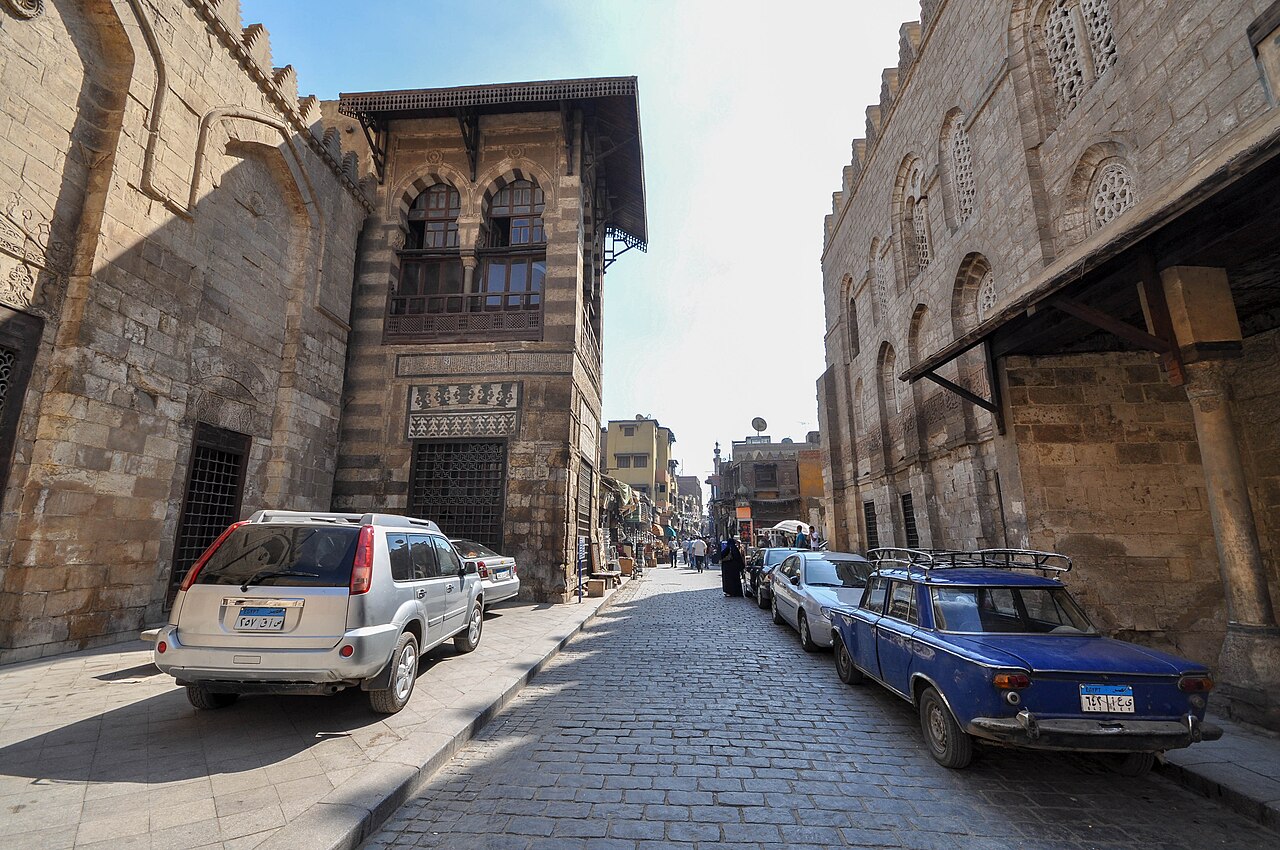
The Al-Ghuri Complex occupies a prominent position on Al-Azhar Street in Islamic Cairo, near the intersection with Al-Muizz li-Din Allah Street. The site lies within the dense historic core where vehicular access is restricted. Al-Azhar Mosque and Khan el-Khalili constitute recognizable nearby landmarks. The Cairo Metro serves the general district with stations requiring subsequent walking navigation through narrow streets. Taxis and ride-hailing services can approach the periphery but rarely reach immediate proximity. Walking from established drop points remains necessary. Signage in the historic area is intermittent; map applications may prove unreliable in the dense urban fabric.
Checked 2026-08-26
The street separating the two buildings carries active vehicle and pedestrian traffic requiring caution when crossing. The historic quarter presents uneven paving, steps without railings, and dim interior lighting in some areas. Structural conservation work may restrict access to portions of either building without advance notification. The surrounding commercial district attracts persistent vendor attention. Visitors should maintain awareness of personal belongings in crowded conditions. Appropriate dress covering shoulders and knees is advisable for mosque entry. Air quality in central Cairo can affect respiratory sensitivities. The mausoleum dome and upper minaret areas may be inaccessible due to preservation protocols or safety determinations.
Checked 2026-08-26
The architectural details of both structures offer substantial photographic subject matter including stone carving, wooden screens, and ceiling decoration. Natural light varies significantly between the prayer hall, mausoleum chamber, and sabil interior spaces. Tripod use may be restricted without prior arrangement. The twin minaret against sky provides an exterior composition opportunity from the opposing building. The street-level perspective captures the unusual bifurcated complex arrangement. Interior photography should respect active worshippers when present. Flash photography may be prohibited in sensitive areas. Early morning and late afternoon exterior illumination enhances the stone coloration of the Mamluk facades.
Checked 2026-08-26
Yes, the complex is included within the boundaries of Historic Cairo, inscribed on the UNESCO World Heritage List.
Not recorded. The sultan died in battle against the Ottomans and was not interred in the constructed mausoleum.
Not recorded pending review. Ticketing arrangements should be verified on-site or through official channels.
Not recorded. Access to upper levels is subject to preservation and safety protocols that may restrict entry.
Not recorded. Evening visibility and access conditions should be confirmed through current local observation.
Not recorded. The availability of official guides or audio interpretation should be verified through visitor information services.
Loading the interactive map…
The interactive map could not be loaded.
Last updated:
Source: OpenStreetMap contributors ·