


7 min walk
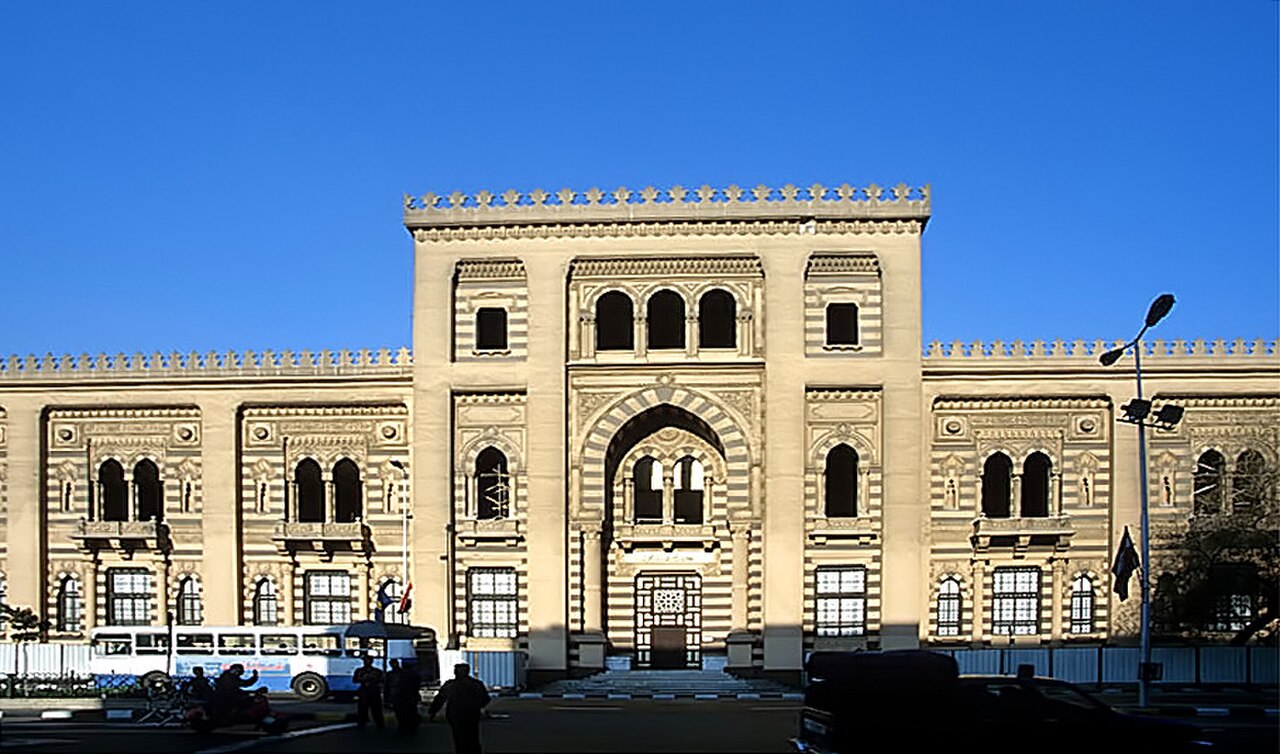
Museum of Islamic Art
- Must see
- Museum
Language · 11 published
Historic monument · Cairo
قصر عابدين
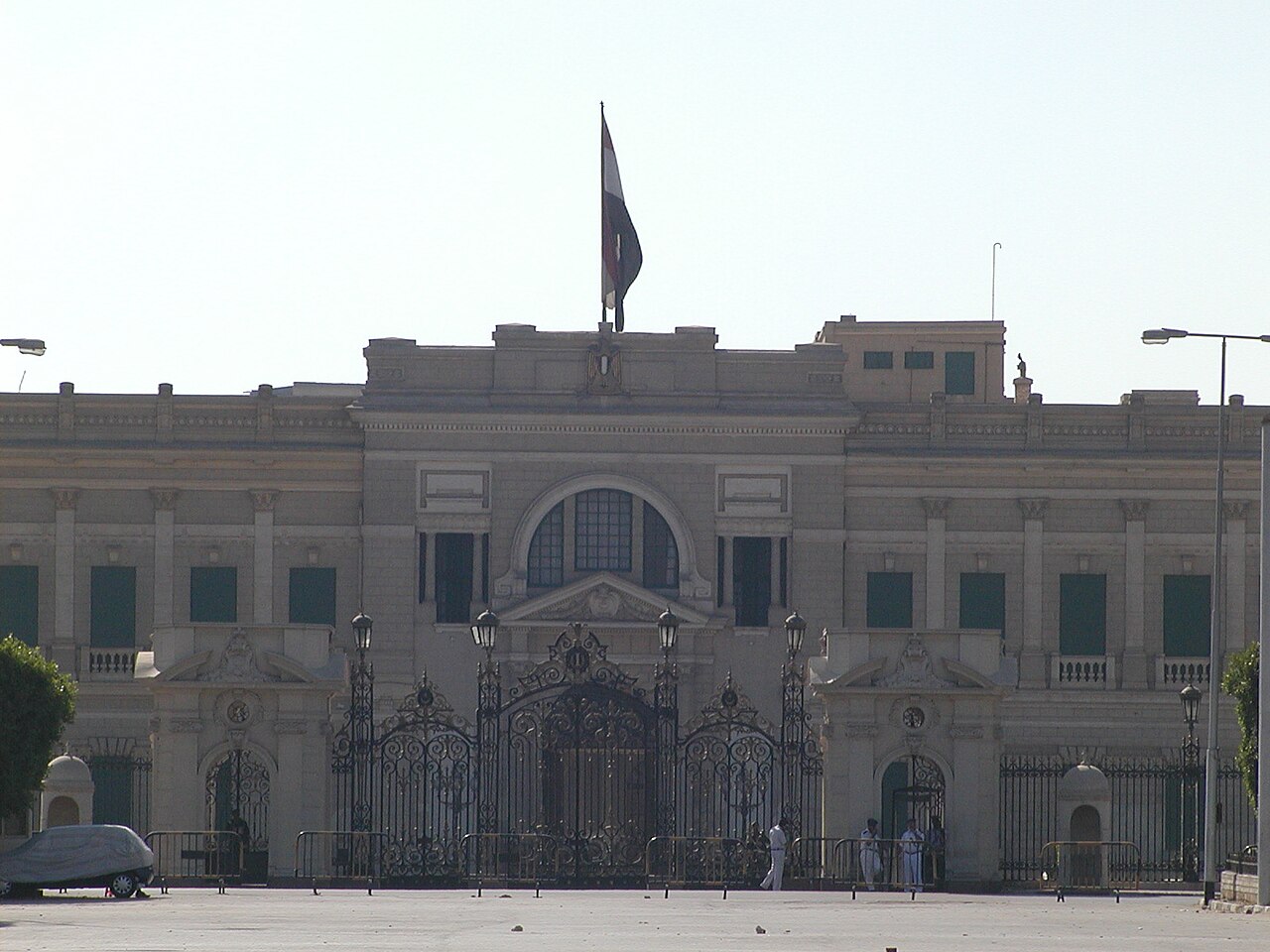
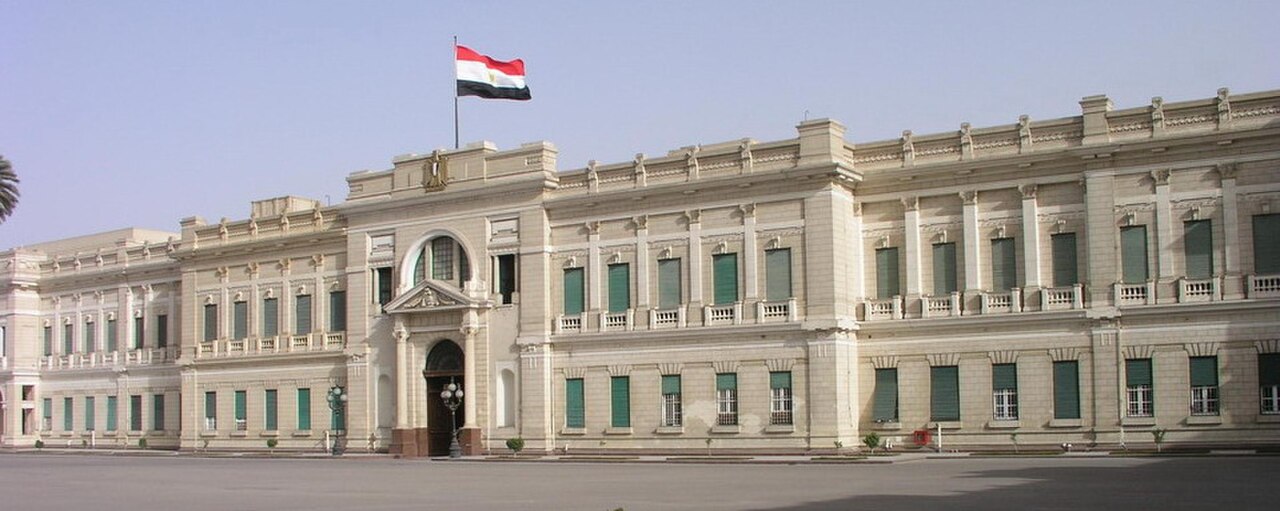
Abdeen Palace Museum is a former royal palace in central Cairo, now converted into a museum complex. Built during the reign of Khedive Ismail in the nineteenth century, it served as Egypt's principal royal residence until the monarchy ended in 1952. The palace witnessed significant political and social transformations across two centuries. Its name derives from Abdeen Bey, a military commander who owned a mansion on this site previously. The Egyptian government now administers the property, presenting it as a heritage destination showcasing court history and state collections from the nation's modern era.
Checked 2026-08-26
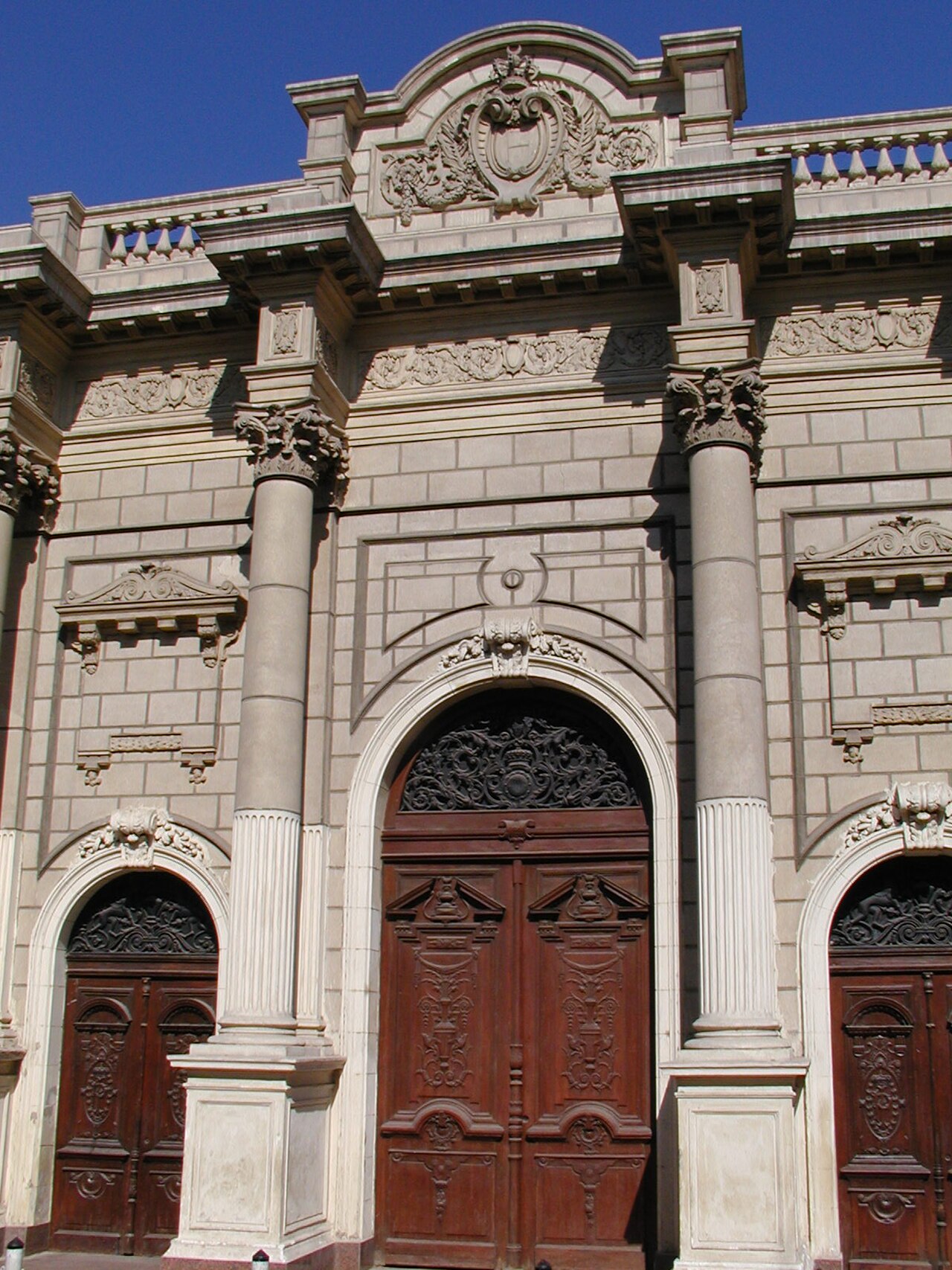
The museum presents Egypt's nineteenth- and twentieth-century court history through preserved royal quarters and state collections. Visitors encounter official reception halls, private apartments, and service areas reflecting palace operations. The complex reportedly contains multiple specialized museums including silverware, arms, and medals collections. Decorative arts, formal furnishings, and diplomatic gifts illustrate international connections. Historical photographs and documents supplement material displays. The palace architecture itself demonstrates European-influenced design trends adopted by Egypt's ruling class during this period. Specific collection inventories and current exhibition arrangements are Not recorded pending review from official sources.
Checked 2026-08-26
Visitors should allocate approximately two to three hours for a comprehensive exploration of the palace complex, though individual pacing varies considerably. The sprawling nature of the building and its multiple museum components rewards unhurried examination. Those with strong interest in decorative arts, military history, or royal heritage may prefer extended visits. Guided tours, when available, typically require additional time. Large group movements through ceremonial spaces can slow progress. Visitors combining Abdeen Palace with nearby downtown attractions should plan accordingly. Morning arrivals generally permit more relaxed circulation before potential afternoon congestion in popular chambers.
Checked 2026-08-26
Operator-confirmed hours are Not recorded pending review. Visitors should consult the Supreme Council of Antiquities through https://egymonuments.gov.eg/ or contact museum administration directly before planning visits. Cairo's climate strongly influences comfort: summer months bring intense heat that challenges unairconditioned spaces and outdoor approaches, while winter offers milder conditions. Ramadan and major holidays may affect accessibility. Friday timing requires particular verification given Egyptian institutional patterns. Morning visits typically provide calmer conditions for appreciating interior details. International tourists should confirm operational status well in advance, as governmental museums occasionally adjust schedules without extensive public notification.
Checked 2026-08-26
Operator-confirmed prices are Not recorded pending review. Admission structures for Egyptian governmental museums typically differentiate between Egyptian nationals and foreign visitors, with additional fees sometimes applied for photography permits or special exhibitions. Students and children may qualify for reductions upon presentation of valid identification. Payment methods should be verified in advance; cash transactions predominate at many heritage sites. Group rates occasionally apply for organized tours. Visitors should consult https://egymonuments.gov.eg/ or direct museum contact for current fee schedules. Budget for potential variable costs including guides, audio equipment, or transportation to the downtown location.
Checked 2026-08-26

Abdeen Palace occupies a central Cairo position accessible through multiple transportation modes. The downtown location places it within reach of Tahrir Square vicinity and surrounding governmental districts. Metro access involves walking from nearby Sadat or Mohamed Naguib stations, though exact routing requires local confirmation. Taxis and ride-hailing services recognize the palace name, yet drivers may require specific entrance clarification. Traffic congestion characterizes this district throughout daylight hours. Pedestrian approaches demand navigation through busy commercial streets. Visitors should allow generous time for arrival, particularly during weekday business periods when governmental and commercial activity peaks in surrounding areas.
Checked 2026-08-26
Security procedures at governmental heritage sites may include bag inspection and identification requirements. Visitors should carry valid passports or identification documents. The palace's age and preservation status means uneven flooring, staircases without consistent handrails, and potentially dim lighting in some historical sections. Wheelchair accessibility appears limited by original nineteenth-century construction. Crowding concentrates in popular ceremonial halls during peak periods. Valuables require careful attention in busy central Cairo location. Official photography restrictions may apply in specific rooms without clear signage. Visitors should seek staff guidance rather than assuming permissions. Emergency exit awareness deserves attention in sprawling historical structures.
Checked 2026-08-26
Photography policies at Egyptian governmental museums vary significantly by institution and specific exhibition zone. Visitors should assume restrictions apply until explicitly informed otherwise by authorized personnel. Flash photography typically prohibited due to conservation concerns for textiles, paper, and sensitive pigments. Tripods and professional equipment generally require advance permits. Some state collections may prohibit all imaging. Mobile telephone photography sometimes permitted where dedicated cameras face restrictions. Visitors must verify current regulations at entry points rather than relying on prior visitor reports or online information. Staff instructions should be followed promptly. Commercial or publication use demands formal authorization through appropriate governmental channels.
Checked 2026-08-26
No. The palace ceased functioning as a royal residence following the 1952 revolution and establishment of the republic. It now operates as a public museum under governmental administration.
The palace focuses on nineteenth- and twentieth-century court history and state collections. It does not primarily exhibit ancient Egyptian antiquities, which are housed at the Egyptian Museum and other specialized institutions.
Tour availability is Not recorded pending review. Visitors should inquire directly with museum administration or consult https://egymonuments.gov.eg/ for current service offerings.
The nineteenth-century construction presents likely challenges. Original staircases, uneven surfaces, and lack of modern accessibility infrastructure may limit independent navigation. Specific accessibility provisions are Not recorded pending review.
Online purchasing capability is Not recorded pending review. Egyptian governmental museums traditionally rely on on-site transactions. Visitors should verify current options through official channels before visiting.
Typical museum protocols prohibit consumption within exhibition spaces to protect collections, though specific palace regulations are Not recorded pending review. Visitors should confirm current policies upon arrival.
Loading the interactive map…
The interactive map could not be loaded.
Last updated:
Source: OpenStreetMap contributors, Wikidata ·