10 min walk
Ngũ Hành Sơn
- Must see
- Historic monument
Language · 11 published
Historic monument · Da Nang
Read from the OpenStreetMap access tags; anything not listed has no tag recorded.
Set the group type to family in the planner and the day window contracts to about three quarters of a solo day.
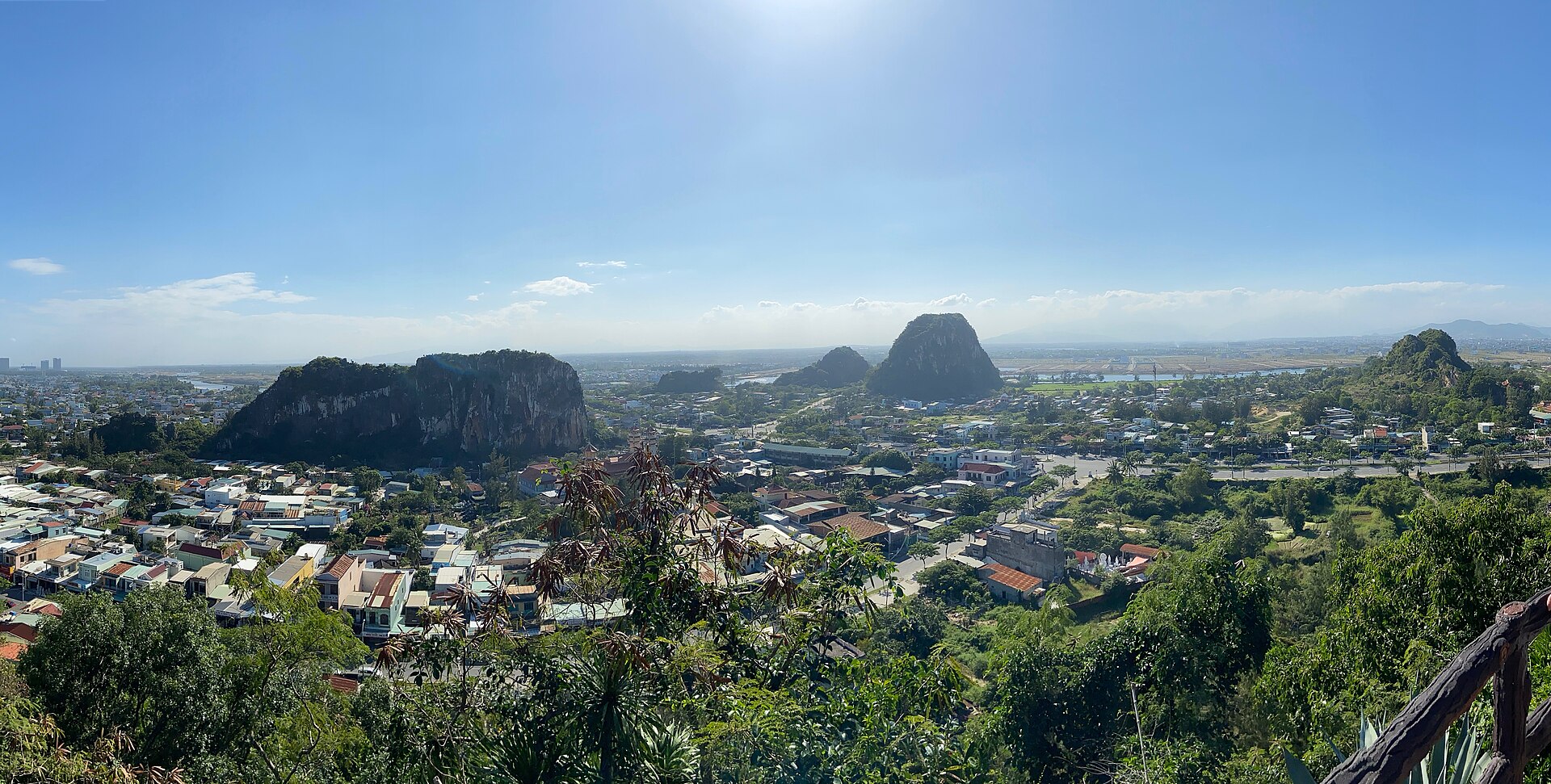
Non Nuoc Stone Carving Village is a traditional craft settlement at the foot of the Marble Mountains in Da Nang. The village has produced stone sculptures for generations, with artisans working marble and other stone materials into religious figures, decorative items, and architectural elements. It forms an integral part of the broader Marble Mountains visitor circuit, offering a living demonstration of craft heritage alongside the natural and spiritual attractions of the limestone peaks. The settlement represents one of Vietnam's notable stone carving traditions.
Checked 2026-08-31 · Source
The village contains numerous family-run workshops where stone carving takes place. Visitors can observe artisans at work, shaping stone through traditional techniques. Finished products range from small souvenirs to large Buddha statues and ornamental pieces. The workshops display various stages of production, from raw stone selection to refined polishing. The settlement's proximity to the Marble Mountains provides direct access to the marble source that has sustained this craft for centuries. The density of workshops creates a concentrated environment of craft activity.
Checked 2026-08-31 · Source
A visit to Non Nuoc Stone Carving Village typically requires between thirty minutes and two hours, depending on visitor interest in observing craftsmanship and browsing finished works. Those combining the village with the Marble Mountains complex should allocate a half-day or more for the full circuit. Art enthusiasts and collectors may spend extended periods examining techniques and negotiating custom pieces. Casual visitors often integrate a brief workshop stop into their broader Marble Mountains itinerary without dedicating exclusive time to the village alone.
Checked 2026-08-31 · Source
Daily, during each workshop’s independently set operating hours. There is no village-wide timetable or fixed weekly closure day. Da Nang’s 2026 public tourism listing states that opening hours are governed individually. Workshop activity pauses over the Tet family-reunion period and resumes in early spring. The village can be visited throughout the year as an open settlement without controlled access gates. Morning hours may offer cooler conditions for walking among workshops and observing artisans at work. Visitors should expect that individual workshops maintain their own operating schedules. Weather considerations for Da Nang's tropical climate apply, with the dry season generally offering more comfortable conditions for outdoor exploration.
Checked 2026-08-31 · Source
Free general admission to the village. Purchases, workshops, and other optional services may be charged separately. Non Nuoc Stone Carving Village itself does not appear to operate as a ticketed attraction. Access to the settlement and workshop observation areas is open. Individual purchases of carved items are negotiated directly with artisans. The adjacent Marble Mountains complex does charge separate admission fees. Visitors should clarify costs before commissioning custom work. Bargaining is customary for significant purchases. Small items may have fixed prices. No payment infrastructure beyond direct cash transactions with individual craftspeople has been documented.
Checked 2026-08-31 · Source
The village is at the foot of the Marble Mountains in Ngu Hanh Son Ward. Da Nang bus route 13, Kim Lien–Vietnam-Korea University and formerly route 16, travels along Le Van Hien; the official network map names the stop opposite 722–724 Le Van Hien as Chua Non Nuoc. The tourism authority also lists arrival by bus, bicycle, motorbike, taxi, or car. The village sits at the southern base of the Marble Mountains, approximately eight kilometers southeast of Da Nang's city center along the coastal road toward Hoi An. Public buses serve the general Marble Mountains area. Taxis and ride-hailing services provide direct access. Motorbike rental offers independent travel flexibility. The location is sufficiently prominent that drivers recognize the destination. Many visitors arrive as part of organized Marble Mountains tours. Walking from the Marble Mountains ticketed area to the village is feasible given their immediate adjacency. Signage along the main road identifies the craft settlement.
Checked 2026-08-31 · Source
The attraction comprises more than 300 independently operated carving businesses rather than one managed visitor building, so step-free access is not uniform. The visitor-facing area extends along Huyen Tran Cong Chua and Le Van Hien streets; access into individual workshops and showrooms depends on their entrances and internal layouts. This remains an active production district using cutting machines, hoists, lathes, drills, and grinders, which can constrain circulation around working areas. Workshop environments contain heavy machinery, sharp tools, and airborne stone dust; visitors should maintain appropriate distance from active carving areas. Quality and authenticity of stone materials vary; buyers should inspect pieces carefully and understand what they are purchasing. Large items present shipping challenges that require advance arrangement. The pressure to buy from workshop proprietors may exceed comfortable levels for some visitors. Physical demands of walking uneven village paths should be considered. Sun exposure between workshops offers minimal shade.
Checked 2026-08-31 · Source
Photography of artisans at work is generally possible and represents a primary visitor interest, though courtesy requests permission before close documentation of individuals. Workshop interiors may have variable lighting conditions affecting image quality. Finished sculptures, particularly religious figures, deserve respectful photographic treatment. The contrast of dusty craft activity against the white marble backdrop creates distinctive visual opportunities. Early morning light may enhance the atmosphere of active workshops. Some proprietors may restrict photography intended for commercial reproduction of their designs. Drone usage would require awareness of proximity to the Marble Mountains' spiritual sites and any applicable aviation regulations.
Checked 2026-08-31 · Source
Da Nang’s tourism authority recommends approximately one hour for the village.
The responsible tourism authority dates the tradition to around the 17th century and identifies Huynh Ba Quat, originally from Thanh Hoa, as its founding master.
Work includes household objects, religious and spiritual statues, Cham-inspired sculpture, reliefs, animal figures, portraits, jewellery, and decorative pieces ranging from centimetres-high objects to monumental statues.
No. Local authorities prohibited quarrying in the Marble Mountains in 1990; workshops now obtain stone from other regions and, for some materials, other countries.
Yes. Artisans continue using hammers, crowbars, several specialised chisels, rulers, saws, and drills, while modern production also employs powered cutters, hoists, lathes, and grinders.
Vietnam’s Ministry of Culture, Sports and Tourism added the Non Nuoc stone-carving craft to the National Intangible Cultural Heritage List in 2014 under traditional handicrafts.
Loading the interactive map…
The interactive map could not be loaded.

Last updated:
Source: OpenStreetMap contributors ·