

28 min walk
Ban Co Peak
- Must see
- Viewpoint
Language · 11 published
Place of worship · Da Nang
| Monday | 00:00 – 23:59 |
|---|---|
| Tuesday | 00:00 – 23:59 |
| Wednesday | 00:00 – 23:59 |
| Thursday | 00:00 – 23:59 |
| Friday | 00:00 – 23:59 |
| Saturday | 00:00 – 23:59 |
| Sunday | 00:00 – 23:59 |
Checked 2026-08-31 · Source
Read from the OpenStreetMap access tags; anything not listed has no tag recorded.
Set the group type to family in the planner and the day window contracts to about three quarters of a solo day.
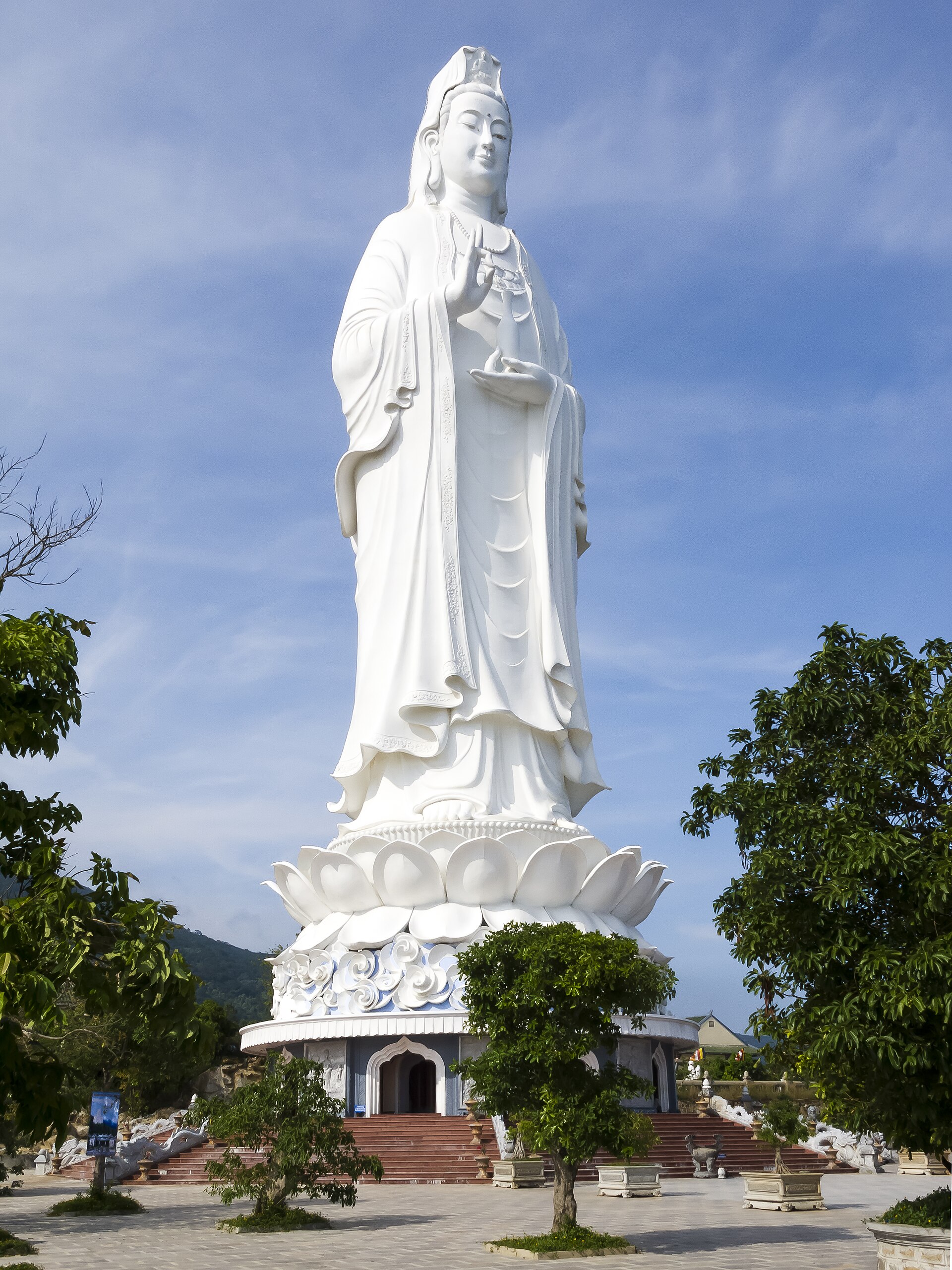
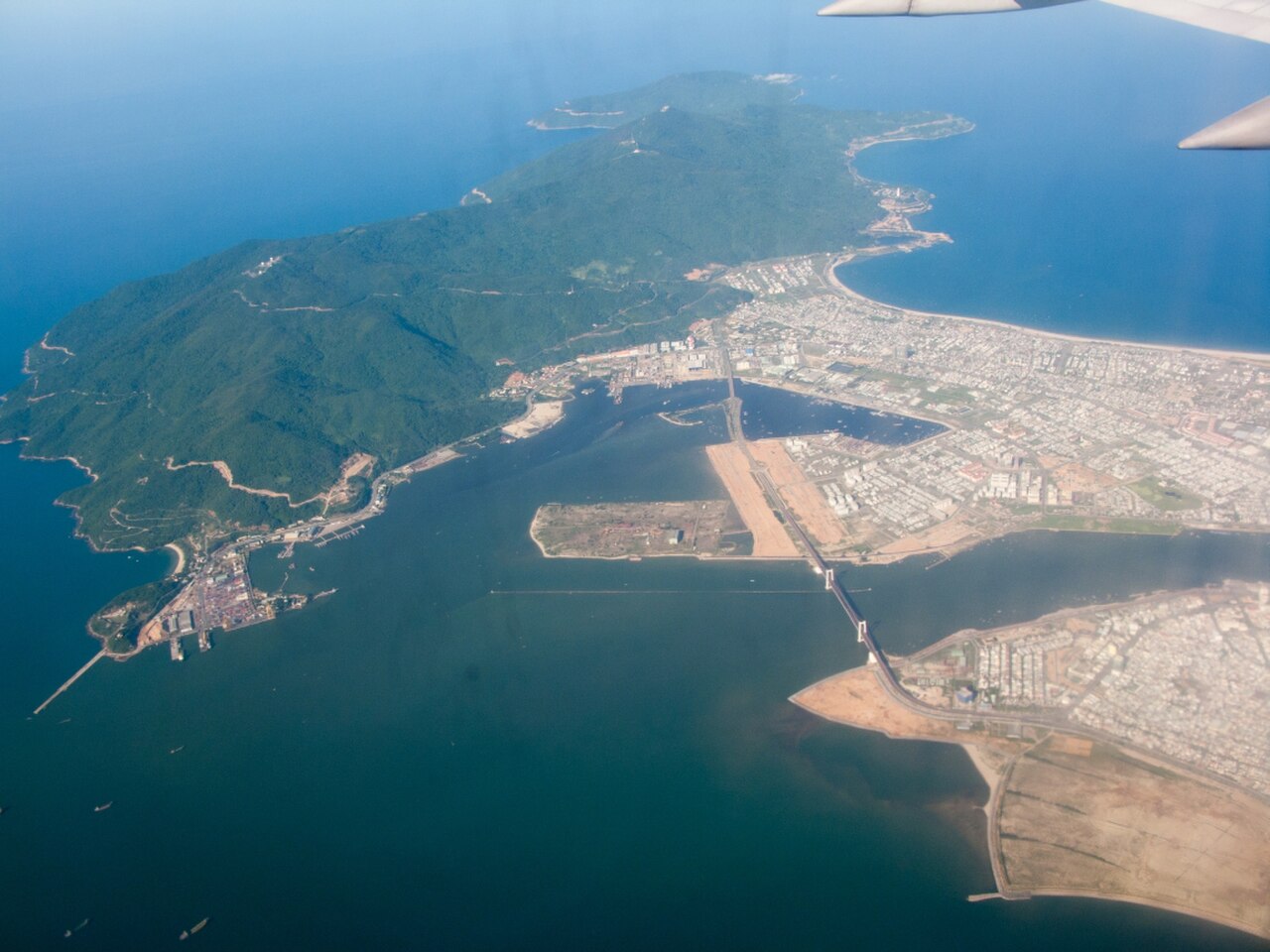
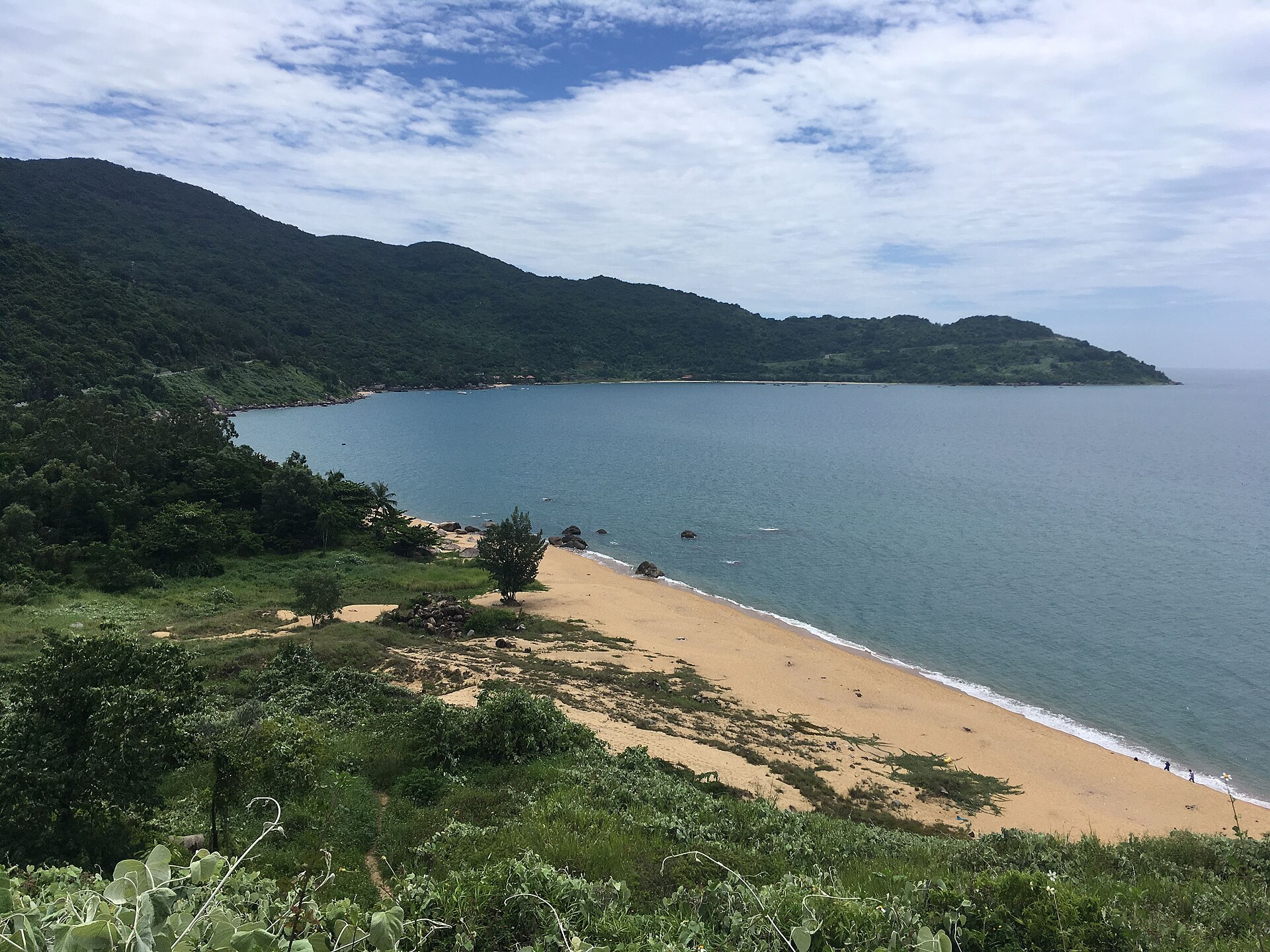
Linh Ung Pagoda at Bai But is a prominent Buddhist temple complex situated on the Son Tra Peninsula coastline in Da Nang. The site encompasses a large pagoda compound crowned by the towering Lady Buddha statue, a landmark visible from much of the city and surrounding waters. The pagoda occupies a scenic coastal position at Bai But, where forested hills meet the sea. Its construction represents a significant religious and cultural development for central Vietnam's Buddhist community. The complex serves as both an active place of worship and a destination for visitors seeking spiritual and natural experiences.
Checked 2026-08-31 · Source
The complex centers on the monumental Lady Buddha statue, which dominates the skyline and serves as a navigational reference point for maritime traffic. Multiple temple buildings, prayer halls, and monk residences populate the grounds. Traditional Buddhist architectural elements appear throughout, with ornate rooflines and decorative carvings. Gardens and landscaped areas connect the structures. The coastal setting provides dramatic backdrops for the religious buildings. Additional statues, incense burners, and ceremonial spaces support active worship. The arrangement permits both contemplative circulation and organized religious functions. Visitors encounter various points for offerings and meditation across the terraced hillside location.
Checked 2026-08-31 · Source
A thorough visit to Linh Ung Pagoda typically requires between ninety minutes and two and a half hours, depending on individual pace and interests. The extensive grounds reward unhurried exploration, particularly for those wishing to observe religious practices respectfully. Photography enthusiasts and spiritually inclined visitors often extend their stay. The hillside terrain involves considerable walking with elevation changes between different levels of the complex. Factor additional time for approaching and departing the site via the winding coastal road. Combine with other Son Tra Peninsula attractions for a half-day or full-day excursion from central Da Nang.
Checked 2026-08-31 · Source
Daily: open all day. The Da Nang tourism authority states that the pagoda receives worshippers and sightseers all day, with no regular weekly closure day. Early morning and late afternoon visits offer favorable lighting for photography and potentially reduced crowding. The coastal location provides cooling breezes during warmer months. Vietnamese lunar calendar festivals, particularly around Tet and Buddhist observances, may draw larger congregations and alter accessibility. Weather considerations include tropical rainfall patterns and occasional strong coastal winds. Verify current conditions before traveling the exposed peninsula road.
Checked 2026-08-31 · Source
Free general admission. Parking is separate and charged at the posted local rate. Many Vietnamese pagodas operate without entrance fees, though voluntary donations support maintenance and religious activities. Specific policies at Linh Ung Pagoda require confirmation from official sources. Visitors should carry small denominations for contribution boxes if moved to support the temple. Any parking fees or supplementary charges for specific services remain unverified. Budget travelers and organized tour participants should clarify inclusions beforehand. The visit represents potentially minimal direct cost, with transportation constituting the primary expense for independent travelers from Da Nang city center.
Checked 2026-08-31 · Source
There is no nearby public-bus stop or railway station. From central Da Nang, follow Bach Dang–Tran Phu–2/9, cross Song Han Bridge or Dragon Bridge, then use Vo Van Kiet or Pham Van Dong to reach Vo Nguyen Giap. Continue north on Vo Nguyen Giap–Hoang Sa toward Son Tra Peninsula and the pagoda parking area. Cars, taxis, motorcycles and bicycles can make the approach; vehicles must park outside the pagoda grounds. The pagoda occupies the Son Tra Peninsula northeast of Da Nang's city center. Motorbike represents the most common independent transport method, following the coastal road with its characteristic curves and elevation changes. Taxis and ride-hailing services provide alternatives without personal vehicle requirements. Some visitors join organized tours combining multiple peninsula attractions. The route offers scenic coastal and forest views throughout the approach. Road conditions vary with weather exposure.
Checked 2026-08-31 · Source
The main outdoor courtyard is spacious and gently sloped. Access is not fully step-free: official visitor guidance anticipates stair climbing within the grounds, and steps lead down to the sea-view balcony. Cars, motorcycles and scooters must remain in the designated parking area and may not enter the pagoda grounds. Respectful conduct remains essential at this active religious site. Dress modestly with covered shoulders and knees; remove shoes when entering temple buildings. Maintain quiet demeanor near worshippers and during ceremonies. Photography restrictions may apply in certain interior spaces; observe posted guidance and local cues. The hillside terrain presents uneven surfaces and steps requiring careful footing, particularly in wet conditions. Coastal exposure means sudden weather changes. Sun protection and hydration prove necessary during exposed walking. Monkey populations on Son Tra may approach visitors; secure belongings and avoid feeding.
Checked 2026-08-31 · Source
The Lady Buddha statue offers iconic compositions against sky and sea backdrops. Wide-angle perspectives capture the statue's scale within its coastal setting. Golden hour lighting enhances both the monument and surrounding waters. Interior temple photography requires sensitivity to worshippers and possible restrictions; flash use is generally inappropriate. The pagoda roofs and architectural details reward telephoto exploration. Elevated viewpoints throughout the complex provide layered compositions of religious structures, vegetation, and coastline. Morning mist or afternoon haze may obscure distant views. Tripod use in crowded areas demands spatial awareness. Respectful distance from active ceremonies preserves both photographic opportunity and spiritual atmosphere.
Checked 2026-08-31 · Source
This is the Bai But pagoda on Son Tra Peninsula, about 10 km from central Da Nang—not the Linh Ung pagodas at Ba Na Hills or Marble Mountains.
Its Quan The Am Bodhisattva statue is 67 metres high and stands on a lotus pedestal about 35 metres in diameter.
Visitors should wear modest clothing. Robes are available at the entrance, and shoes must be removed before entering the main hall.
No. Cars, motorcycles and scooters must be left in the designated parking area under the security staff's direction.
Yes. The pagoda warns that monkeys and other wild animals occur in the grounds and instructs visitors not to feed or approach them.
The complex includes the main hall, two rows of 18 Arhat statues, the nine-storey Xa Loi tower and the Lumbini garden.
Loading the interactive map…
The interactive map could not be loaded.
Last updated:
Source: OpenStreetMap contributors ·