
4 min walk
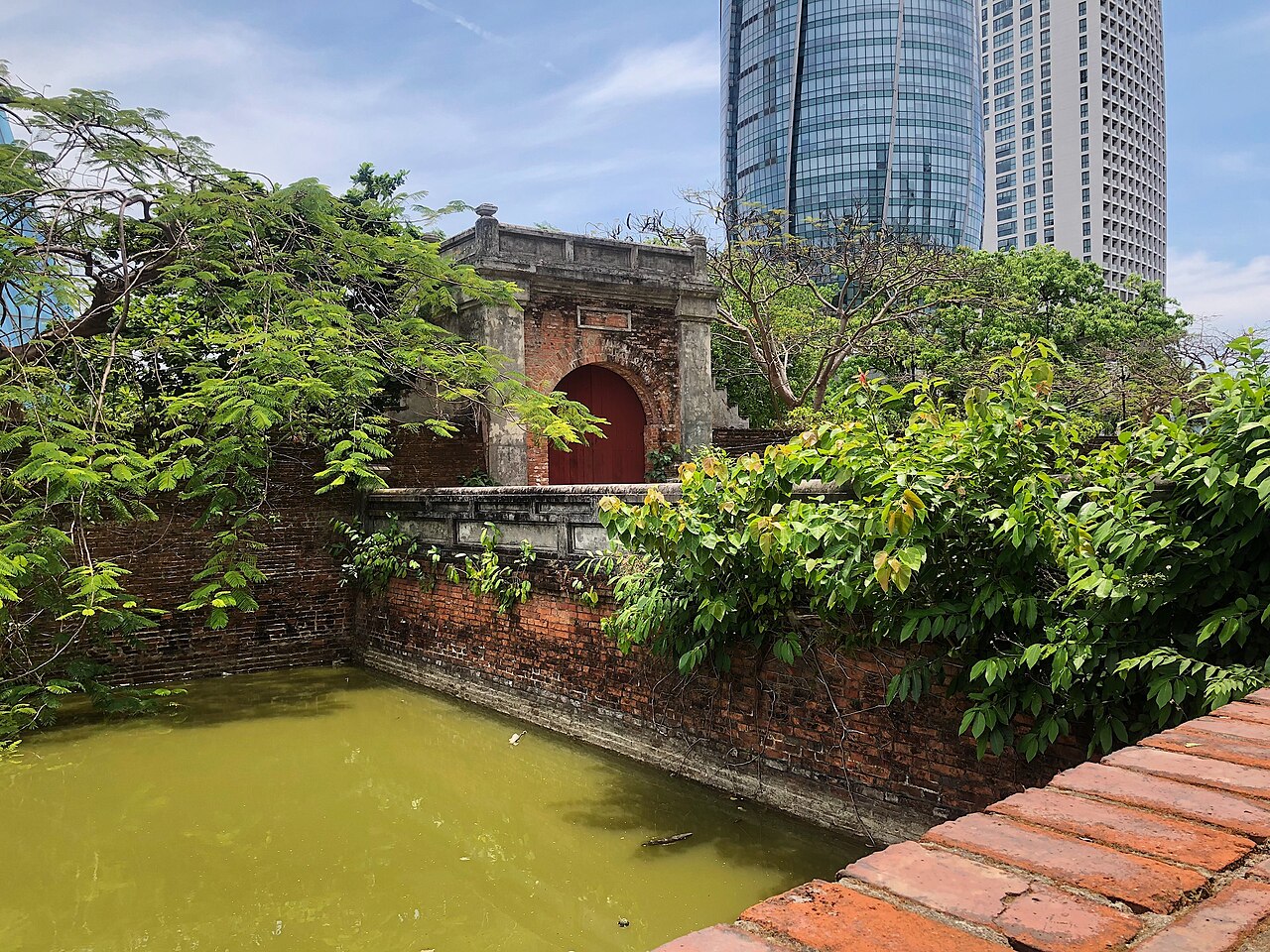
Dien Hai Citadel
- Must see
- Historic monument
Language · 11 published
Museum · Da Nang
Bảo tàng Đà Nẵng

| Monday | 08:00 – 17:00 |
|---|---|
| Tuesday | 08:00 – 17:00 |
| Wednesday | 08:00 – 17:00 |
| Thursday | 08:00 – 17:00 |
| Friday | 08:00 – 17:00 |
| Saturday | 08:00 – 17:00 |
| Sunday | 08:00 – 17:00 |
Checked 2026-08-31 · Source
Read from the OpenStreetMap access tags; anything not listed has no tag recorded.
Set the group type to family in the planner and the day window contracts to about three quarters of a solo day.
Da Nang Museum is the city's principal civic-history museum, now situated in a new waterfront location. It serves as the main institution dedicated to preserving and presenting the history, culture, and development of Da Nang and its surrounding region. The museum functions as a civic repository for archaeological finds, ethnographic materials, and documents tracing the city's evolution from ancient settlement to modern port city. Its relocation to the waterfront represents a significant investment in cultural infrastructure.
Checked 2026-08-31 · Source
The museum's collections encompass regional history, archaeology, and ethnography. Maritime heritage materials reflect the city's port significance. Ethnographic displays probably document the cultures of indigenous and migrant populations. Revolutionary-era collections may cover twentieth-century conflicts. Content may have been reorganized following the waterfront relocation. A flexible visit lets travellers connect Da Nang Museum with the rest of the day without treating one room, viewpoint or photograph as the whole experience. The useful pace depends on personal interest and conditions on arrival.
Checked 2026-08-31 · Source
Visitors typically allocate between ninety minutes and two and a half hours for a civic-history museum of this scope. The duration depends on reading depth, temporary exhibition engagement, and audio guide use if available. The new waterfront building may contain expanded galleries requiring additional time compared to previous premises. Visitors with strong interest in Cham artifacts or regional military history should plan toward the longer estimate. School groups and casual visitors may complete a circuit more quickly. Self-paced exploration is standard.
Checked 2026-08-31 · Source
Monday–Sunday 08:00–17:00 Open daily; the operator lists no regular weekly closure day. Visitors should consult the official website at baotangdanang. vn or contact the museum directly before planning attendance. Morning visits typically offer cooler temperatures and reduced crowding at Vietnamese museums. Weekend and holiday periods may experience higher domestic visitor numbers. The waterfront location may experience afternoon heat and strong sun exposure on approach paths. Rainy season conditions from September to December could affect travel to the site. Advance verification remains essential.
Checked 2026-08-31 · Source
General admission is VND 50,000 per person per visit. The reduced rate is VND 20,000 for Da Nang permanent residents and eligible students. Admission is free on Lunar New Year’s Day, Da Nang Liberation Day (29 March), Hùng Kings’ Commemoration Day (10th day of the third lunar month), and National Day (2 September). Vietnamese civic museums typically operate tiered pricing with separate rates for adults, students, and foreign visitors, though specific amounts are not confirmed here. Some institutions offer free admission on particular days or to certain categories. The official website should be consulted for current fee structures. Payment methods may include cash in Vietnamese dong; card acceptance is not assumed. Group rates and guided tour supplements require direct inquiry. Budget for potential ancillary costs.
Checked 2026-08-31 · Source
Use public bus Route 02 or Route 21 to the named Da Nang City Administrative Centre stop. Approach the museum through its visitor entrance at 31 Tran Phu Street; the wider museum complex also fronts 42–44 Bach Dang Street. Da Nang possesses a manageable urban core with taxi and ride-hailing services widely available. Motorbike rental is common for independent travelers. Public bus routes may serve the general waterfront district. Walking from central accommodations is plausible depending on exact location. Visitors should obtain the specific address and landmark references from official sources. Allow navigation time for first-time approach.
Checked 2026-08-31 · Source
The museum has three exhibition floors. The completed museum includes lifts and escalators for movement between levels. The responsible public sources do not document an end-to-end wheelchair route through the historic multi-building complex or identify accessible toilets. Newly relocated institutions may have incomplete signage, temporary wayfinding, or ongoing installation work. Air conditioning reliability varies in Vietnamese public buildings during peak summer. Elevator and accessibility provisions should be verified directly. Crowd density fluctuates with domestic tour group schedules. English-language labeling may be partial or absent in some galleries. Photography restrictions, if any, are typically indicated at entry or by individual exhibit markers. The waterfront setting may expose visitors to strong sunlight, humidity, or insects on exterior approaches. Carry water.
Checked 2026-08-31 · Source
Vietnamese museums commonly permit non-flash photography in permanent galleries while restricting it in special exhibitions or around sensitive objects. Flash usage is widely prohibited to protect artifacts. Tripods and professional equipment typically require advance permission. Video recording may face separate restrictions. Visitors should observe posted signs and staff instructions. The waterfront architecture and exterior approaches may offer unrestricted photographic opportunities. Respect other visitors' viewing experience when composing shots.
Checked 2026-08-31 · Source
The visitor entrance is at 31 Tran Phu Street, Hai Chau Ward.
The museum displays nearly 3,000 documents and artifacts.
There are three exhibition floors.
The first floor contains the museum’s antiquities collection, a children’s area, and temporary exhibitions.
The second floor covers antique lamps, agarwood from the Quang region, research and development, and Da Nang’s ethnic-minority cultures.
The third floor covers Da Nang’s nature, people, urban history, independence struggle, war legacy, development, former City Hall, and Vietnamese culture of the Quang region.
Loading the interactive map…
The interactive map could not be loaded.

Last updated:
Source: OpenStreetMap contributors ·