Vasa Museum
The Vasa Museum on Djurgården was built around a single object: a 69-metre warship that sank in Stockholm harbour on 10 August 1628, about 1,300 metres into her maiden voyage.
- Must see
- Museum
- Stockholm
Language · 11 published
Country guide
Sweden runs from 55°N to 69°N — long enough that its north and its south keep different weather and different daylight in the same week. Of its 450,295 km², built-up land accounts for 1.5 per cent, and 88 per cent of the 10,610,485 people counted in October 2025 live in towns concentrated in the south and the centre. That is the practical division for a visitor: the southern counties hold Stockholm and most of what fits into a weekend, while the rest of the 21 counties trade density for distance. Choose by how far you are willing to travel between two things.
Every city catalogued in this country so far, ranked by how much there is to see.
Photograph · JZ · CC BY-SA 3.0
Ranked by importance — sitelinks, pageviews and heritage status, not editor preference.
100 places match
Category
Typical visit duration
The Vasa Museum on Djurgården was built around a single object: a 69-metre warship that sank in Stockholm harbour on 10 August 1628, about 1,300 metres into her maiden voyage.
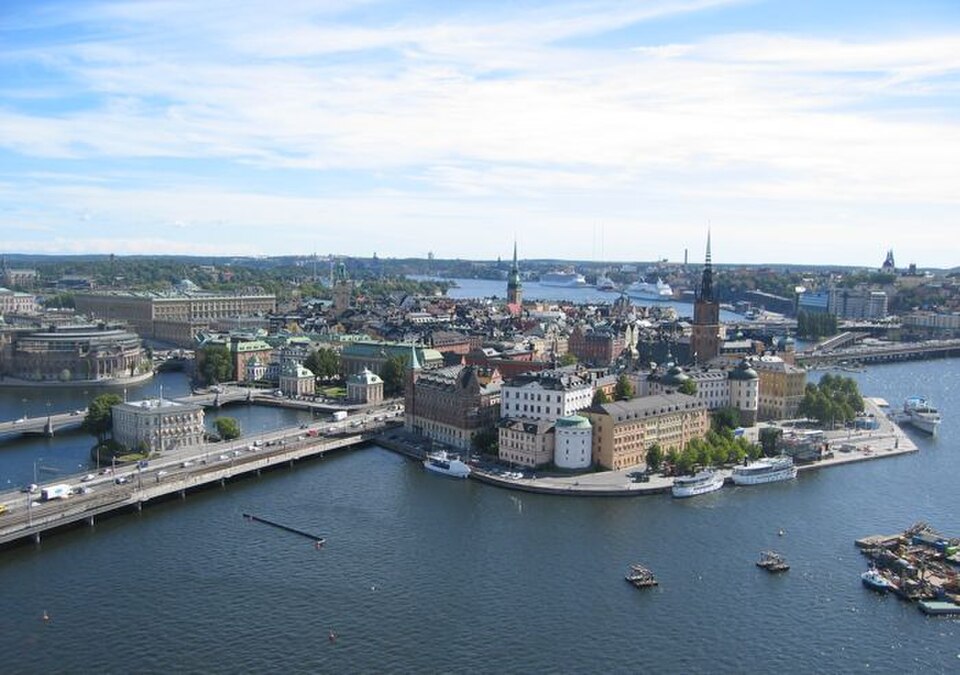
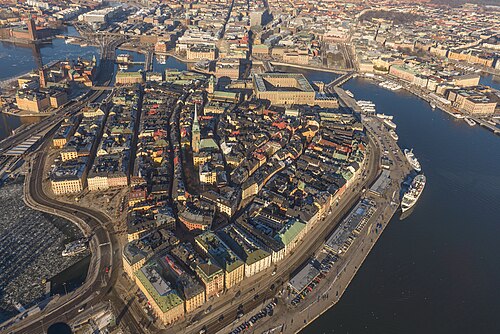
Gamla stan is Stockholm's old town, and until 1980 its official name was Staden mellan broarna, the town between the bridges, which describes what a visitor walks into better than old town does.
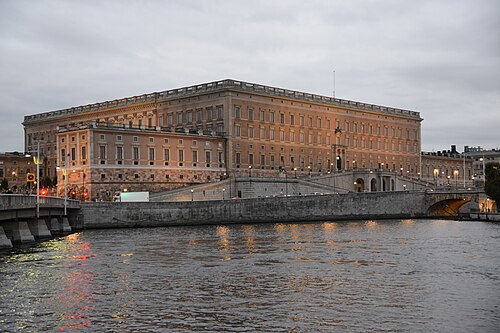
Kungliga slottet, the Royal Palace of Stockholm, stands at the northern edge of Gamla Stan on the rock where Birger Jarl is recorded as having built a fortress in the mid-thirteenth century.
Skansen is the world's oldest open-air museum, founded in 1891 by the linguist and folk educator Artur Hazelius on Skansenberget, a wooded hill in the middle of Djurgården in central Stockholm.
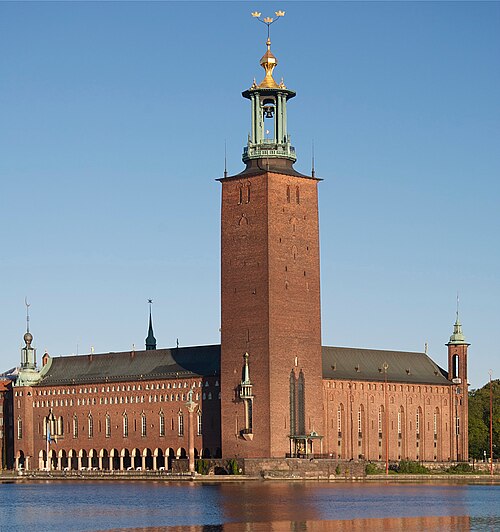
Stockholms stadshus is the working seat of Stockholm's city government, not a museum that happens to look municipal.
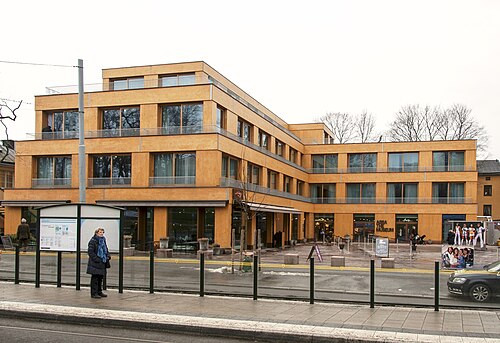
ABBA: The Museum is an interactive exhibition space dedicated to the Swedish pop group ABBA, located on Djurgården island in Stockholm. The museum occupies a purpose-built facility near other cultural attractions.
Fotografiska is a privately run museum of photography, art and culture on the Södermalm waterfront, founded in Stockholm in 2010 and now the original house of a group that also has venues in Berlin, Tallinn, Shanghai, Shenzhen, Oslo and New…
The Nobel Prize Museum is a cultural institution located in Stockholm's Old Town, Gamla Stan. It occupies the former Stock Exchange Building on Stortorget, the historic square.
Drottningholm sits on the island of Lovon in Ekero Municipality, about ten kilometres west of central Stockholm, and it is a working royal home as well as a monument.
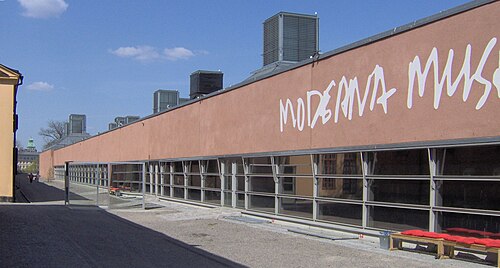
Moderna Museet is Sweden's national museum of twentieth- and twenty-first-century art, standing on the island of Skeppsholmen in the middle of Stockholm's harbour.
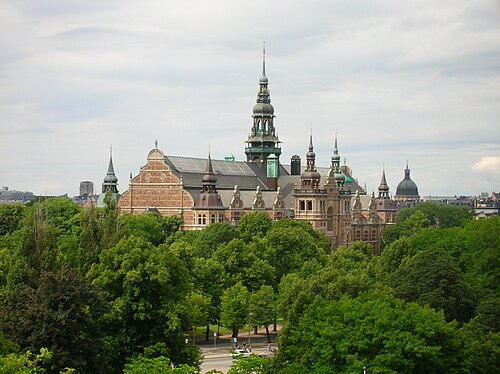
Nordiska museet is Sweden's largest museum of cultural history, and its subject is ordinary Nordic life rather than kings and battles.
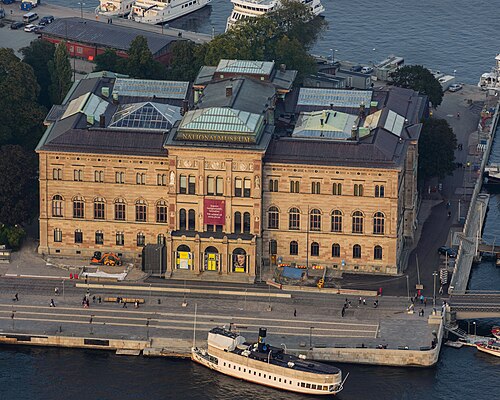
Nationalmuseum is Sweden's national gallery of art and design, located in central Stockholm. The institution holds collections of painting, sculpture, drawing, graphic art, and applied arts spanning several centuries.
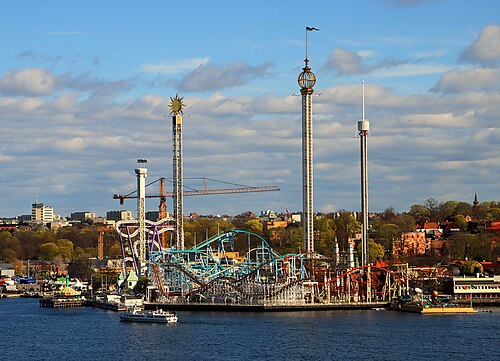
Gröna Lund is an amusement park located on the island of Djurgården in central Stockholm. It is one of Sweden's oldest amusement parks and occupies a waterfront position with views across the water.
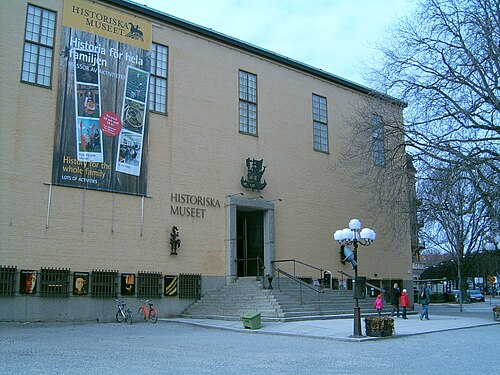
The Swedish History Museum, known locally as Historiska museet, is a museum in Stockholm dedicated to Sweden's history from the earliest times to the present day.
The Royal Dramatic Theatre, known locally as Dramaten, is Sweden's national stage for spoken drama. Founded in 1788, it stands as one of Europe's most prominent theatre institutions.
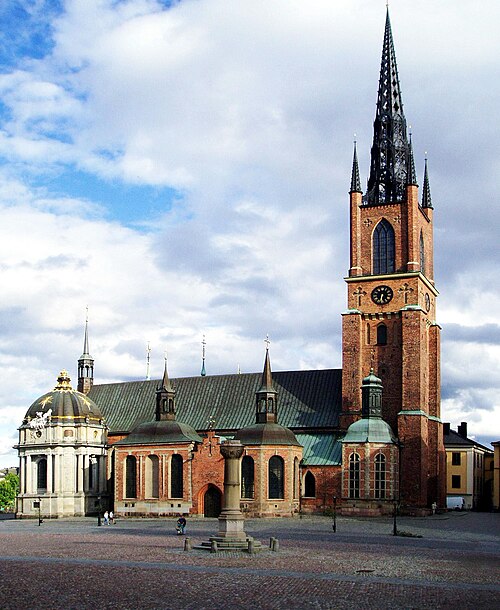
Riddarholm Church, known locally as Riddarholmskyrkan, stands as a historic church on the island of Riddarholmen in central Stockholm. It serves as the burial church of Swedish monarchs and holds significant national importance.
Storkyrkan, known in English as the Great Church, stands as the oldest church in Stockholm's Old Town. This medieval structure serves as the cathedral of Stockholm and holds significant status in Swedish royal traditions, having hosted coronations and royal weddings.
The Parliament House of Sweden, known locally as Riksdagshuset, serves as the seat of the Swedish Parliament. Located on the island of Helgeandsholmen in central Stockholm, the building houses the unicameral legislative assembly of Sweden.
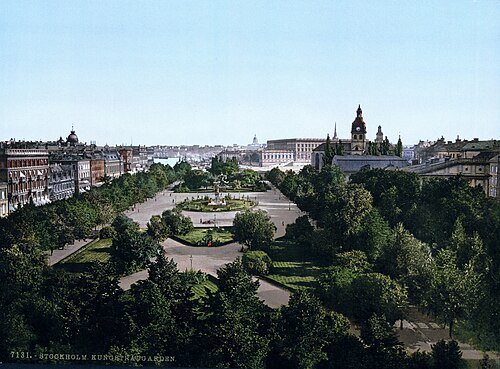
Kungsträdgården is a central public park in Stockholm, situated between Hamngatan and Strömgatan in the Norrmalm district. The name translates to King's Garden, reflecting its historical origins as a royal kitchen garden established in the fifteenth century.
The Swedish Museum of Natural History, known locally as Naturhistoriska riksmuseet, is a major natural history museum in Stockholm. It stands as one of Sweden's premier institutions dedicated to the natural world, housing extensive collections that span multiple scientific disciplines.
The Royal Swedish Opera, known locally as Kungliga Operan, stands as Sweden's national opera house and a prominent performing arts institution in Stockholm.
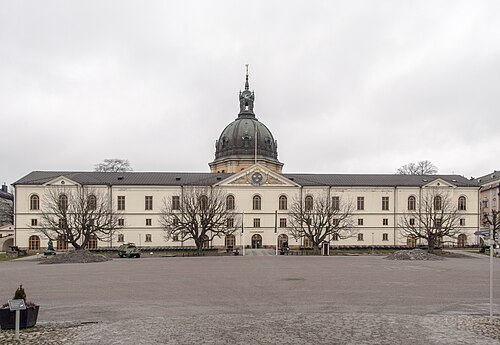
The Swedish Army Museum, known locally as Armémuseum, is a military history museum located in Stockholm. It occupies premises on the island of Östermalm, within the historic Garrison area.
Hallwyl Museum occupies Hallwylska palatset, a palatial residence in central Stockholm. The building was constructed as a private home for the wealthy Hallwyl family during the late nineteenth century.
Millesgården is an art museum and sculpture garden located on the island of Lidingö near Stockholm. It was the former home and studio of sculptor Carl Milles and his wife, artist Olga Milles.
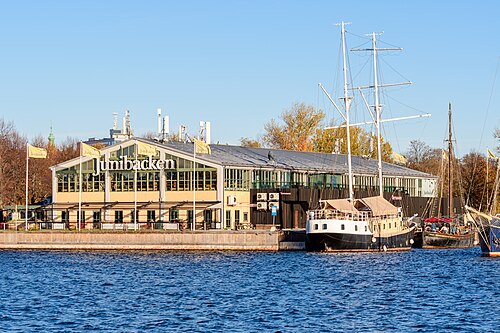
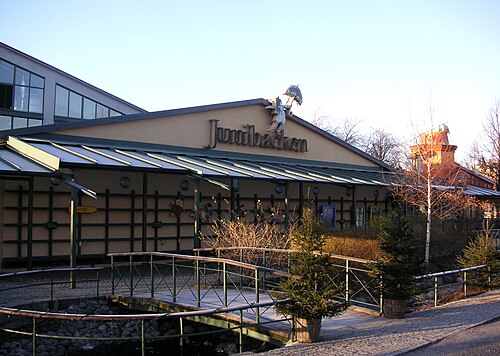
Junibacken is a family cultural attraction on Djurgården built around children's literature, especially the story world associated with Astrid Lindgren and Pippi Longstocking.
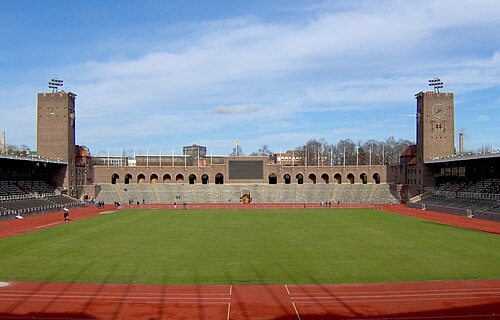
Stockholms stadion is a historic sports arena in Stockholm, Sweden. Built for the 1912 Summer Olympics, it remains one of the world's oldest active Olympic stadiums.
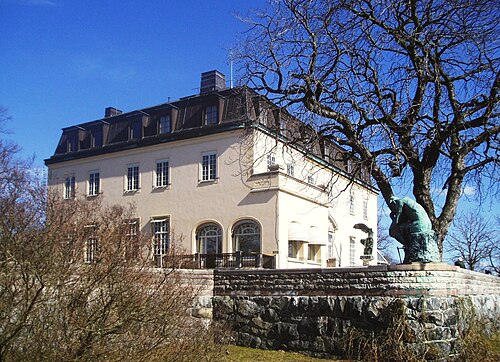
Waldemarsudde is the former residence of Prince Eugen, Duke of Närke, a Swedish prince and accomplished landscape painter who lived from 1865 to 1947. The estate sits on Djurgården island in central Stockholm.
Thiel Gallery, locally known as Thielska galleriet, is an art museum situated on Djurgården island in Stockholm.
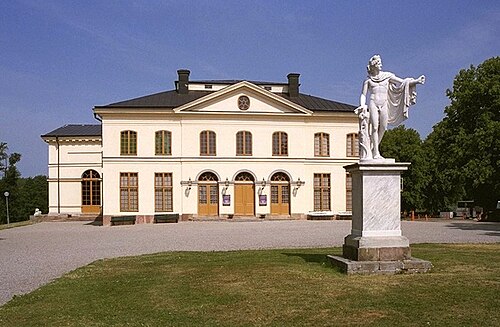
Drottningholm Palace Theatre is a historic court theatre located on the grounds of Drottningholm Palace, a UNESCO World Heritage site near Stockholm. Built in 1766, it is one of the best-preserved 18th-century theatres in Europe.
Dansmuseet is Stockholm's Dance Museum, dedicated to the art and history of dance in global and Swedish contexts. Founded through private initiative and developed into a recognised cultural institution, it occupies a central position in the city's museum landscape.
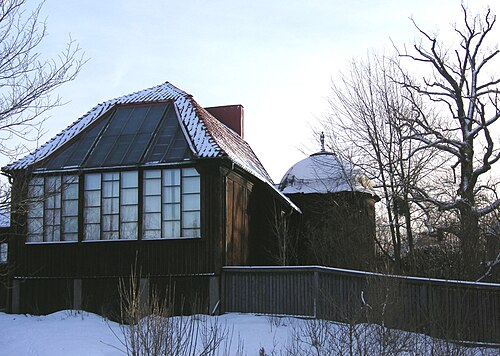
The Carl Eldh Studio Museum is an artist's studio museum located in Stockholm, Sweden. It preserves the workspace and residence of Carl Eldh, one of Sweden's foremost sculptors of the early twentieth century.
Almgren Silk Weaving Museum occupies a historic industrial site preserving Stockholm's silk weaving heritage. Established by the Almgren family, this working museum maintains original looms and equipment from a once-thriving textile industry.
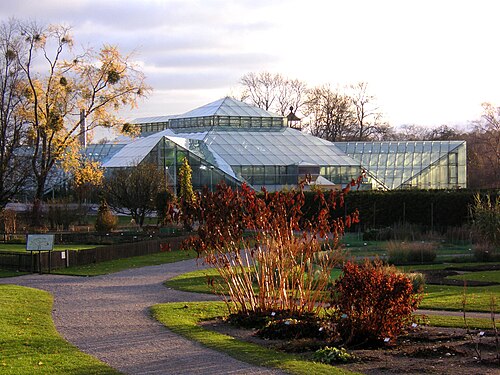
The Bergian Botanic Garden, known locally as Bergianska trädgården, is a botanical garden in Stockholm. It serves as a facility for botanical research and public education, operated in connection with Stockholm University.
Sven-Harry's Art Museum, known locally as Sven-Harrys konstmuseum, is an art museum in Stockholm. The institution presents visual art to the public in dedicated gallery spaces.
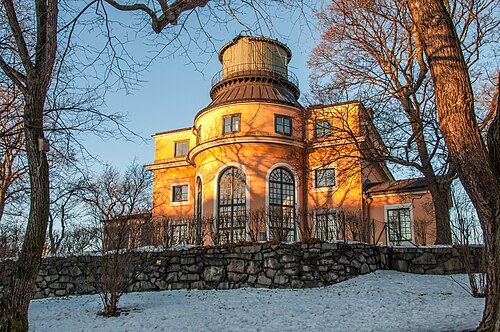
Stockholm Observatory, known locally as Stockholms gamla observatorium, is a historic astronomical facility in Stockholm. The building represents an important era of scientific research in Sweden.
The Chinese Pavilion at Drottningholm, known locally as Kina slott, is a royal pavilion located on the grounds of Drottningholm Palace on the island of Lovön near Stockholm.
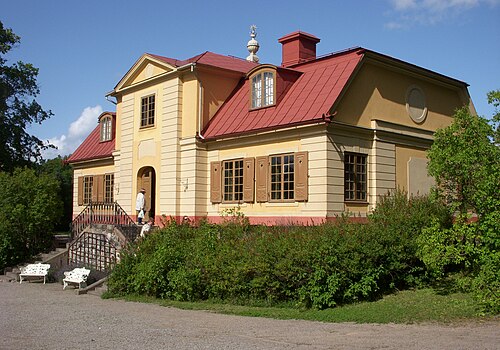
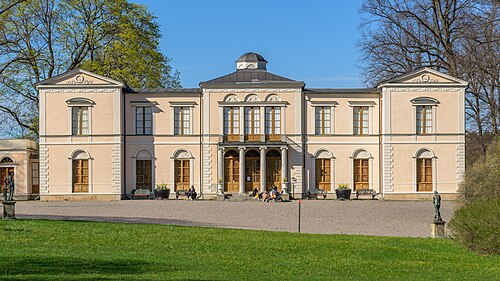
Rosendal Palace, known locally as Rosendals slott, is a royal palace situated on Djurgården island in central Stockholm. The palace was constructed as a pleasure palace for King Karl XIV Johan in the 1820s.
Svindersvik is a historic estate located in the Nacka municipality, just southeast of central Stockholm. The property sits along the waterfront with views toward the city centre across the water.
Stockholm Concert Hall, known locally as Konserthuset, is a prominent concert venue in Sweden's capital. The building serves as the primary home of the Royal Stockholm Philharmonic Orchestra.
Mälaren is the third-largest lake in Sweden and a defining geographical feature of the Stockholm region. The lake stretches westward from the capital, connecting Stockholm to inland areas through an extensive archipelago and numerous bays.
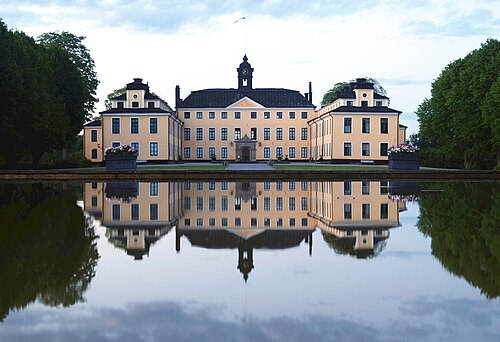
Ulriksdal Palace, known locally as Ulriksdals slott, is a royal palace situated in the Solna municipality north of Stockholm city centre.
Saint John's Church, known locally as Sankt Johannes kyrka, is a place of worship in Stockholm. The building serves religious and community functions within the city.
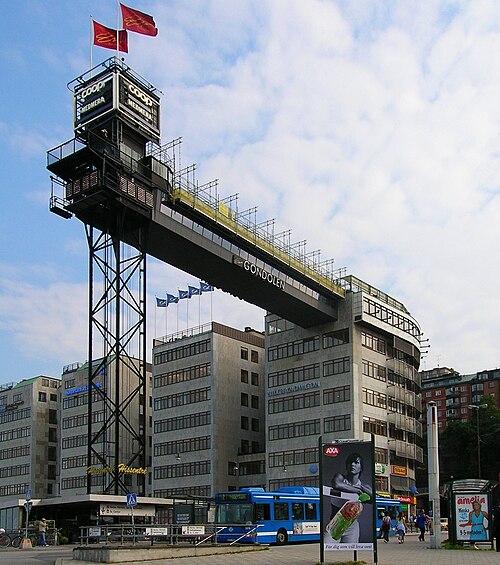
Katarinahissen is a historic passenger elevator in Stockholm's Södermalm district. The structure connects the lower streets near Slussen to the heights of Mosebacke and Södermalm's upper terrain.
Centralbadet is a historic bathhouse and spa facility in Stockholm. The building represents early 20th-century Swedish architecture and has served as a public bathing institution for generations.
The House of Culture, known locally as Kulturhuset, is a prominent cultural centre located in central Stockholm. It occupies a significant position within the city's cultural infrastructure, serving as a multi-purpose venue for artistic and community activities.
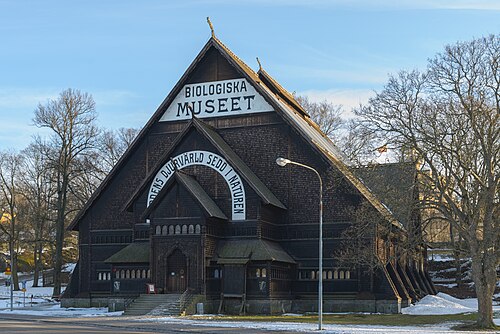
The Biological Museum, known locally as Biologiska museet, is a museum institution in Stockholm. It occupies a distinctive building and presents natural history displays to visitors.
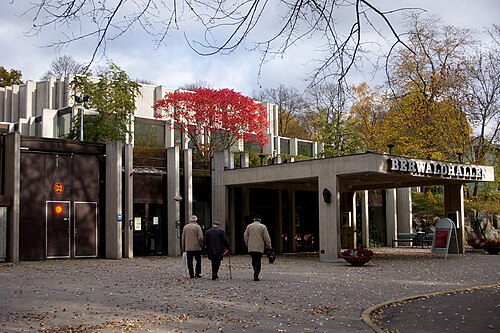
Berwald Hall, known locally as Berwaldhallen, is a concert hall in Stockholm, Sweden. It serves as the primary venue for the Swedish Radio Symphony Orchestra.
Edsviken is an inlet of the Baltic Sea located in northern Stockholm, forming part of the city's extensive archipelago landscape. The area represents a significant geographical feature within Stockholm's coastal environment, characterized by its marine setting and natural shoreline.
Theater Confidencen, known locally as Confidencen, is a historic theater venue situated in Stockholm. It forms part of the city's cultural landscape and represents an established performing arts location within the Swedish capital.
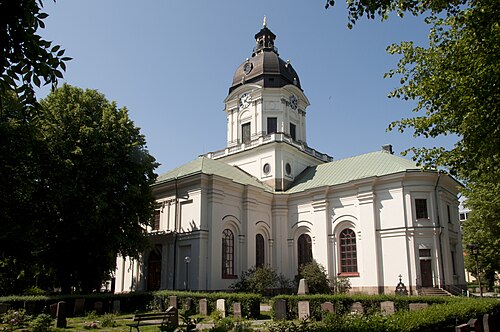
Adolf Fredrik Church, locally Adolf Fredriks kyrka, is a historic church in central Stockholm. The building stands as a notable religious and architectural landmark within the Swedish capital.
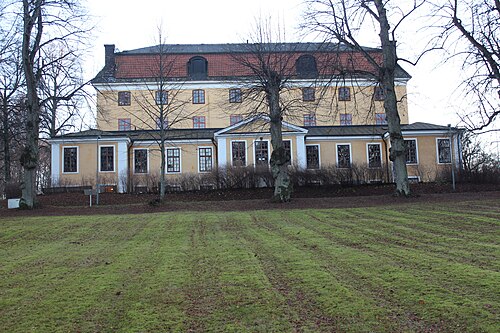
Karlberg Palace, known locally as Karlbergs slott, is a palace complex in Stockholm. The building holds historical significance as a military academy location and retains architectural importance within the city.
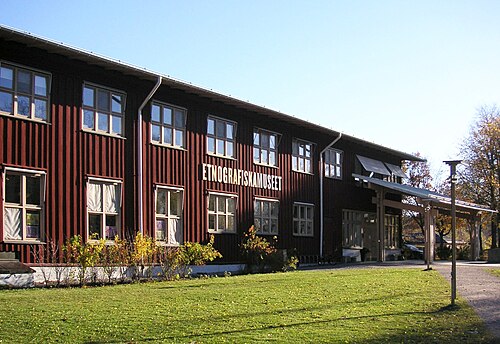
The Museum of Ethnography, known locally as Etnografiska museet, is a Stockholm museum dedicated to global cultures and ethnographic collections. It presents material from societies worldwide, assembled through historical collecting practices.
Rydboholm Castle, known locally as Rydboholms slott, is a historic castle located in Sweden. The structure holds significance as a heritage site within the Stockholm region's broader historical landscape.
Hagaparken is a historic park located in northern Stockholm, Sweden. The park forms part of the Royal National City Park and encompasses landscaped gardens, woodland areas, and several notable buildings.
Haga Palace, known in Swedish as Haga slott, is a palace located in Hagaparken, Solna Municipality, in the Stockholm metropolitan area of Sweden. The palace was constructed in the early 19th century and has served various purposes throughout its history.
The German Church, known locally as Tyska kyrkan, stands in Stockholm's Old Town, Gamla stan. It serves the German-speaking congregation and holds status as a parish church within the Church of Sweden.
Af Chapman is a full-rigged steel ship moored on the western shore of Skeppsholmen in central Stockholm. Built in 1888 as the Dunboyne in Whitehaven, England, it later served as a training vessel before becoming a youth hostel in 1949.
The National Museum of Science and Technology, known locally as Tekniska museet, is Sweden's largest museum dedicated to technology and science. Located in Stockholm, it occupies a purpose-built facility on the island of Djurgården.
The Maritime Museum, known locally as Sjöhistoriska museet, is a museum in Stockholm dedicated to Sweden's naval and maritime heritage. It occupies a purpose-built structure on the island of Djurgården, within the Royal National City Park.
S/S Sankt Erik is an icebreaker ship preserved as a museum vessel in Stockholm, Sweden. Built in 1915 at Finnboda shipyard, she served in the Swedish Maritime Administration's fleet for over six decades.
Stockholm City Museum, known locally as Stadsmuseet i Stockholm, is a museum dedicated to the history of Stockholm. The museum is situated in the Södermalm district of the city.
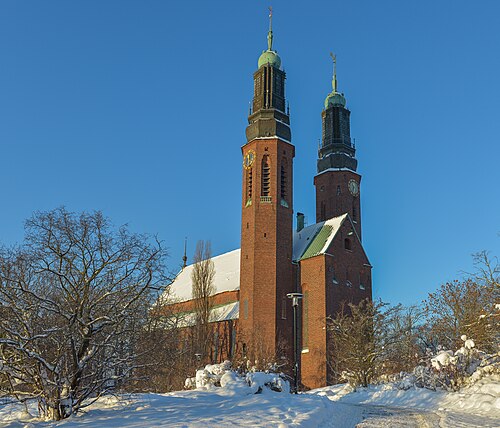
Högalidskyrkan, known in English as Högalid Church, stands as a prominent ecclesiastical landmark in Stockholm. The church occupies a commanding position in the Södermalm district, visible across substantial portions of the cityscape.
The Royal Armoury, known locally as Livrustkammaren, is a museum located in Stockholm, Sweden. It is situated within the Royal Palace complex in Gamla Stan, the city's old town.
The Museum of Far Eastern Antiquities is a museum in Stockholm dedicated to Asian art and cultural artifacts. Its Swedish name is Östasiatiska museet.
Ekebyhov Castle is a historic manor house located on the island of Ekerö in Lake Mälaren, west of Stockholm. The building dates to the 17th century and is one of the best-preserved wooden castles in Sweden.
Oscarsteatern is a historic theatre located in Stockholm, Sweden. The venue occupies a prominent position in the city's cultural landscape and has served as a significant performance space since its establishment.
Axel Oxenstierna Palace, known locally as Axel Oxenstiernas palats, stands as a historic building in Stockholm associated with one of Sweden's most influential statesmen.
The Museum of Mediterranean and Near Eastern Antiquities, locally known as Medelhavsmuseet, is a museum in Stockholm dedicated to collections from the Mediterranean region and the Near East.
Norra Bantorget is a public square located in the Norrmalm district of central Stockholm, Sweden. The name translates to "Northern Haymarket Square," referencing its historical association with hay trading.
Junibacken is a children's museum and cultural attraction on Djurgården island in Stockholm. It centres on Swedish children's literature, with particular emphasis on the works of Astrid Lindgren, creator of Pippi Longstocking.
The Swedish Centre for Architecture and Design, locally known as Arkitektur- och designcentrum, is a national museum and institution in Stockholm dedicated to architecture and design.
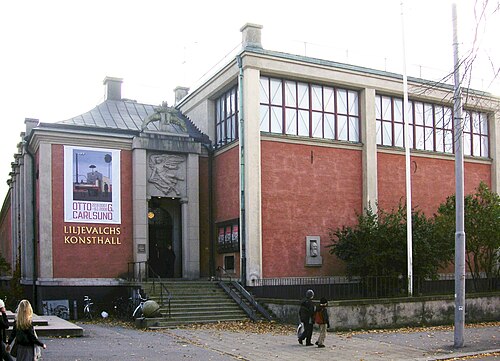
Liljevalchs konsthall is an art gallery located on Djurgården in Stockholm. It was designed by architect Carl Bergsten and opened in 1916.
Näsby Castle is a historic manor house located in Täby Municipality, north of Stockholm, Sweden. The building traces its origins to the 17th century, with significant reconstruction following a fire in 1897.
Kastellet is a small citadel located on Kastellholmen, an islet in central Stockholm, Sweden. The structure was built in the mid-17th century during the reign of King Charles X Gustav, forming part of Stockholm's defensive system.
Råstasjön is a lake in Stockholm, locally known as Råstasjön. The area functions as a recreational destination within the urban environment. The lake and its surrounding terrain represent a natural feature accessible to residents and visitors seeking outdoor experiences.
The Strindberg Museum, known in Swedish as Strindbergsmuseet, is a museum dedicated to the life and work of August Strindberg, one of Sweden's most celebrated writers and playwrights.
Spårvägsmuseet is Stockholm's tramway museum, dedicated to preserving and presenting the history of public transport in the Swedish capital.
Bååtska palatset is a palace building located in Stockholm, Sweden. The structure carries the name of the Bååt family, reflecting its historical associations. The building is recorded in OpenStreetMap as relation 2171352 and documented on Wikidata as Q10438659.
Cepheus 25, known locally as Lydert Bartels' hus, is a historic property in Stockholm. The building carries the name of its historical association with Lydert Bartels.
SS Orion is a lightship and museum vessel moored in Stockholm, Sweden. Originally built as a lightvessel, it served in maritime navigation before being preserved as a heritage ship.
Uppland Runic Inscription 53 is a Viking Age runestone originally located in Stockholm, Sweden. The stone bears an inscription in the Younger Futhark runic alphabet, carved during the late Viking period.
Katarina Church, known in Swedish as Katarina kyrka, is a church building in Stockholm, Sweden. The structure is situated in the Södermalm district of the city.
The Swedish Museum of Performing Arts, known locally as Scenkonstmuseet, is a museum in Stockholm dedicated to the performing arts. It covers theatre, dance, music, and circus history.
Åkeshov Castle, known locally as Åkeshovs slott, is a historic castle situated in Stockholm, Sweden. The structure represents Swedish architectural heritage and stands as a notable landmark within the capital region.
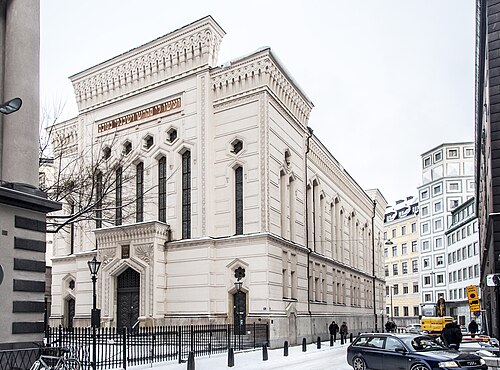
The Stockholm Synagogue, known locally as Stora synagogan, stands as the largest synagogue in Sweden and a significant place of worship for the Jewish community in Stockholm.
The Jewish Museum of Sweden is a museum in Stockholm dedicated to Jewish history, culture, and heritage in Sweden. Its local name is Judiska muséet.
Postmuseum is a museum in Stockholm dedicated to the history of the Swedish postal service. It is located in the Gamla Stan area of the city.
Hedvig Eleonora Church is a parish church in Stockholm, Sweden, located in the Östermalm district. The church is named after Queen Hedvig Eleonora, wife of King Charles X Gustav of Sweden.
Skansen-akvariet is an aquarium situated within the Skansen open-air museum complex on Djurgården island in Stockholm. The facility operates as a distinct attraction under the broader Skansen umbrella, focusing on marine and aquatic life exhibits.
Blå porten, known in English as Blue Door, is a place of interest in Stockholm, Sweden.
Flemingska palatset is a historic palace located in Stockholm, Sweden. The building is recorded in Wikidata as an architectural structure with the identifier Q10496643. It is situated within the urban fabric of Sweden's capital city.
Slagsta hällristning is a rock carving site located in the Slagsta area of Stockholm Municipality, Sweden. The petroglyphs are designated as an archaeological monument and represent Bronze Age artistic and ritual expressions.
Uppland Runic Inscription 130 is a Viking Age runestone located in Stockholm, Sweden. The stone is known locally as Norahällen. It belongs to the corpus of runic inscriptions documented in Uppland, the historical province surrounding the Swedish capital.
Uppland Runic Inscription 90 is a Viking Age runestone located in Stockholm, Sweden. The stone bears an inscription in Old Norse using the Younger Futhark runic alphabet.
The Kummelbystenen, known academically as Uppland Runic Inscription Fv1953;263, is a Viking Age runestone originally discovered in Kummelby, Sollentuna Municipality, within Stockholm County. The stone bears an inscription in the Younger Futhark runic alphabet, carved during the late Viking period.
Sofia Church is a church building in Stockholm, Sweden. Its local name is Sofia kyrka. The church is identified in OpenStreetMap as way/1350868500. It has a corresponding entry on Wikidata with identifier Q1967885 and a Wikipedia article in English.
Drevviken is a lake located in Stockholm, Sweden. It forms part of the Stockholm archipelago's inland water system and is situated in the southern part of the city.
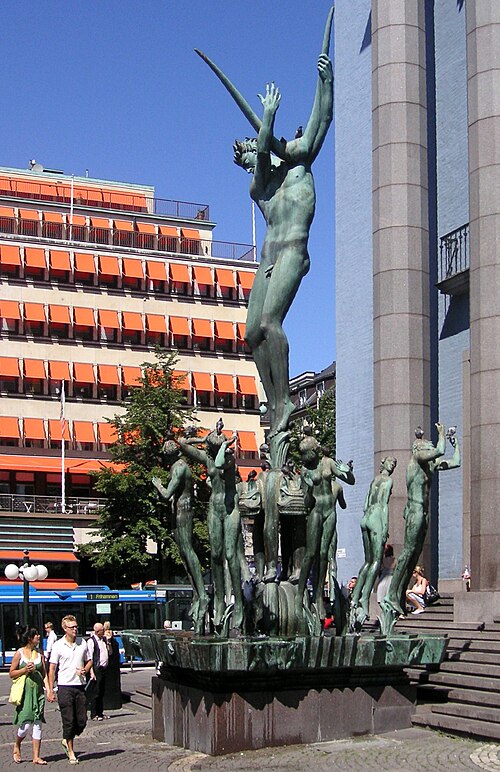
Orpheus' Well, known locally as Orpheusgruppen, is a sculptural fountain installation in Stockholm. The work draws its name from the mythological figure Orpheus, the musician and poet of Greek legend.
Engelbrekt Church, known locally as Engelbrektskyrkan, is a prominent church building in Stockholm. The structure is identifiable in OpenStreetMap data under way/21572801. It belongs to the Church of Sweden and serves as a parish church.
Edsberg Castle is a historic castle located in Sollentuna Municipality, part of the Stockholm metropolitan area in Sweden. The castle dates to the 17th century and stands on the shores of Edsviken, a narrow inlet of the Baltic Sea.
Source: OpenStreetMap contributors, Wikidata ·
Seven to ten days gives Stockholm three or four days and allows one rail-linked city, archipelago stay or northern extension. A journey into Swedish Lapland needs extra nights and should be planned as a distinct leg.
The Swedish Migration Agency sets visitor and short-stay requirements. Check whether the passport needs a visa and which Schengen state should process an application for the complete itinerary.
Stockholm Arlanda is the largest gateway; Gothenburg and the Copenhagen–Malmö route provide alternatives. Long-distance trains link the principal cities, while ferries, regional buses and domestic flights reach the wider country.
May through August brings long daylight and the broadest summer access. Winter aurora or snow travel is a separate seasonal product, particularly in the north, with different transport and clothing requirements.
Sweden uses the krona (SEK), not the euro. Current cash and card acceptance is Not recorded in this file; check the operator’s stated payment method, particularly for unmanned or rural services.
Call 112 for emergencies in Sweden. Type C and F sockets operate at 230 V, and the recorded guidance says mains tap water is safe.