


13 min walk
Rosendal Palace
- Must see · Heritage site
- Historic monument
Language · 1 published
Museum · Stockholm
Prins Eugens Waldemarsudde
| Monday | Closed |
|---|---|
| Tuesday | 11:00 – 17:00 |
| Wednesday | 11:00 – 17:00 |
| Thursday | 11:00 – 20:00 |
| Friday | 11:00 – 17:00 |
| Saturday | 11:00 – 17:00 |
| Sunday | 11:00 – 17:00 |
Parsed from OpenStreetMap opening hours on 2026-08-26.
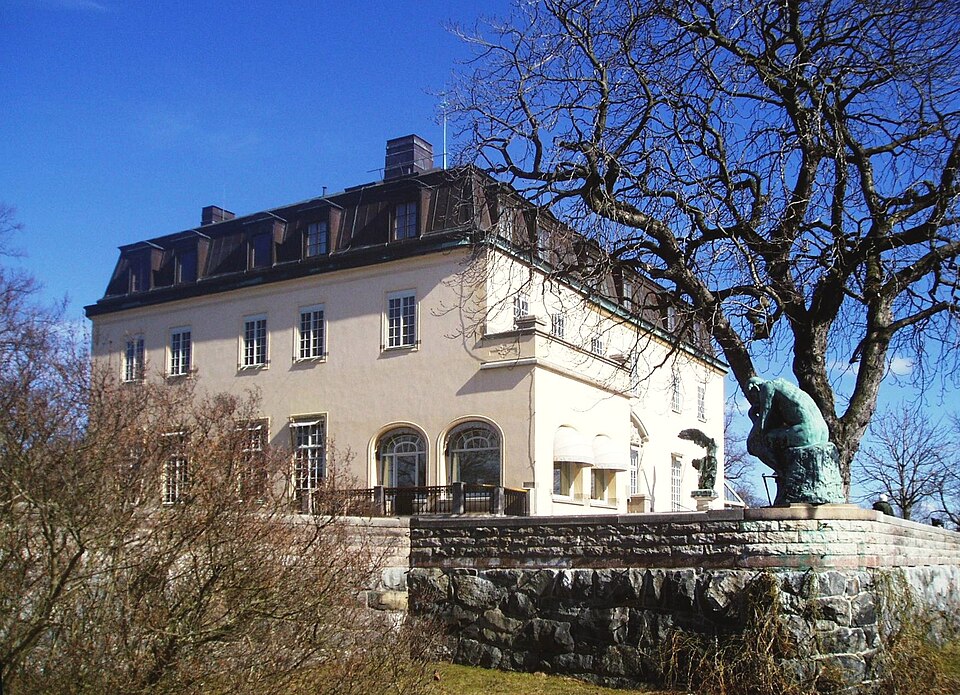
Waldemarsudde is the former residence of Prince Eugen, Duke of Närke, a Swedish prince and accomplished landscape painter who lived from 1865 to 1947. The estate sits on Djurgården island in central Stockholm. Prince Eugen bequeathed the property to the Swedish state, and it became a public art museum. The complex includes a main house, an older castle-like building, and extensive gardens. It represents one of Sweden's most significant artist's homes, combining royal heritage with artistic legacy. The museum preserves both the prince's living quarters and his substantial art collection.
Checked 2026-08-26
The museum displays Prince Eugen's own paintings alongside his collection of Swedish art from the late nineteenth and early twentieth centuries. Visitors can view the preserved interiors of his home, including studios where he worked. The collection encompasses works by prominent Swedish artists of his era. The grounds feature sculpture installations and carefully maintained gardens that reflect the prince's interest in landscape design. The older building, known as the Old House, contains additional exhibition spaces. Together these elements create a comprehensive picture of aristocratic artistic life in Sweden during this period.
Checked 2026-08-26
A thorough visit to Waldemarsudde typically requires between ninety minutes and two and a half hours. This duration allows adequate time to explore the main house interiors, view the permanent and temporary exhibitions, and stroll through the gardens. Art enthusiasts may wish to extend their stay to examine individual works more carefully. The garden areas reward leisurely exploration, particularly during seasons when outdoor sculpture and plantings are visible. Visitors should factor in walking time from Djurgården's main transport connections, which adds approximately fifteen to twenty minutes each direction.
Checked 2026-08-26

Stockholm's climate influences the visiting experience significantly. Summer months offer extended daylight hours and full garden enjoyment, though this coincides with peak tourist season. Spring and autumn provide quieter conditions with notable seasonal garden changes. Winter visits emphasize interior exhibitions over outdoor elements. Operator-confirmed hours are Not recorded pending review. Visitors should consult official sources before planning their trip. Djurgården as a whole receives substantial foot traffic on weekends and Swedish public holidays. Weekday mornings generally promise calmer conditions for viewing art without congestion.
Checked 2026-08-26
Admission policies and pricing structures for Swedish state museums have undergone changes in recent years. Some national museums operate with free general admission while charging for special exhibitions. Waldemarsudde's specific ticketing arrangements, including any distinctions between permanent and temporary exhibition access, are Not recorded pending review. Visitors should verify current prices and any available concessions directly through official channels. Combination tickets with other Djurgården attractions may exist. Group rates and guided tour supplements require direct confirmation. Online advance booking possibilities should be checked for popular periods.
Checked 2026-08-26

Waldemarsudde occupies the southeastern extremity of Djurgården island. Several transport options serve this area of Stockholm. Tram line 7, the heritage tram service, operates along Djurgården's northern edge with stops requiring subsequent walking. Bus services connect to broader Stockholm networks. Ferry connections from central Stockholm locations serve Djurgården during operational periods. Walking and cycling paths cross the island from the Djurgårdsbron bridge. The specific distance from public transport stops to the museum entrance involves a noticeable walk along waterfront paths. Visitors with mobility limitations should research accessible route options.
Checked 2026-08-26
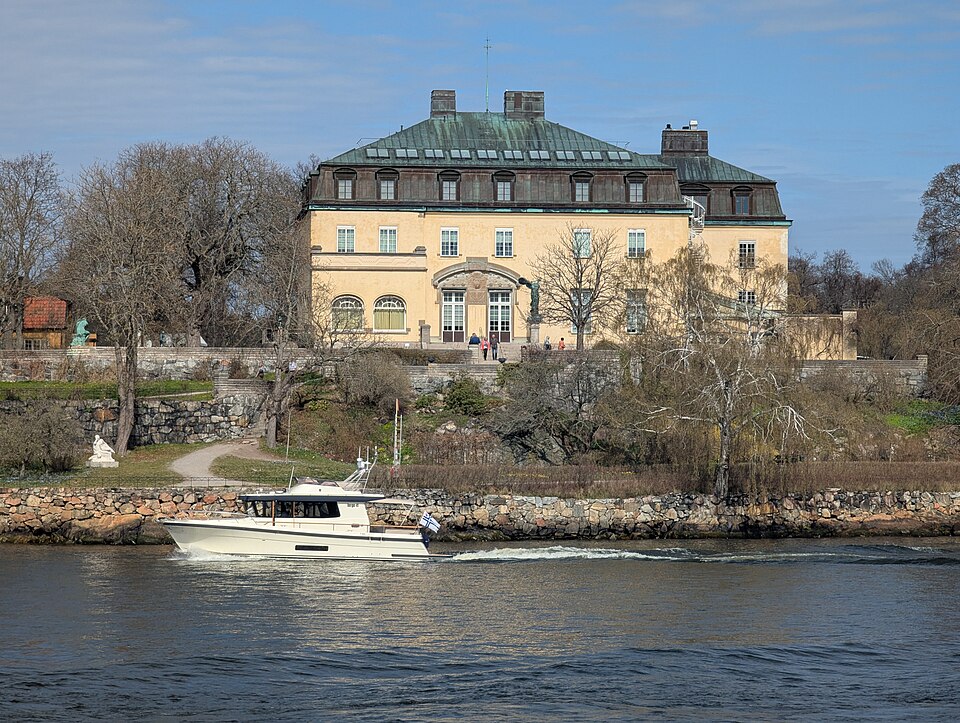
The waterfront location exposes paths and garden areas to weather conditions that may affect accessibility and comfort. Seasonal variations in daylight hours impact late afternoon visits, particularly in winter months. Some historic interior spaces may present accessibility challenges due to preservation requirements. The estate's spread-out nature involves considerable walking between components. Food and beverage options within immediate proximity appear limited based on available information. Visitors should prepare accordingly. Photography policies inside exhibition spaces may restrict certain activities. Bag size limitations potentially apply for interior visits. Checking specific regulations before arrival prevents inconvenience.
Checked 2026-08-26

Photography policies at Swedish museums typically distinguish between permanent collections and temporary exhibitions, with the latter often subject to stricter restrictions due to loan agreements and copyright considerations. Flash photography is generally prohibited across interior spaces to protect light-sensitive artworks. Tripod and selfie stick use usually requires explicit permission. Garden and exterior photography faces fewer limitations, though commercial purposes demand advance authorization. Visitors should observe posted signage and staff instructions regarding specific rooms or works where photography is restricted. Social media sharing of permitted photographs generally falls within acceptable use parameters.
Checked 2026-08-26
Yes, Prince Eugen bequeathed Waldemarsudde to the Swedish state, and it operates as a public art museum within Sweden's national museum framework.
Yes, the museum preserves Prince Eugen's studios and working spaces within the main house, allowing visitors to view the environments where he created his artworks.
The gardens constitute a significant component, featuring sculpture installations and landscape design reflecting Prince Eugen's artistic interests, though their accessibility varies seasonally.
No, the collection includes both Prince Eugen's paintings and his personal collection of works by other prominent Swedish artists from the late nineteenth and early twentieth centuries.
The historic nature of some structures may present challenges; visitors with mobility limitations should research current accessible routes and facilities directly with the museum before visiting.
Guided tour availability is not recorded in the supplied context; visitors should consult official museum channels for current programming and educational offerings.
Loading the interactive map…
The interactive map could not be loaded.
Last updated:
Source: OpenStreetMap contributors, Wikidata ·