

.jpg)


1 min walk
Liljevalchs konsthall
- High
- Art and culture venue
Language · 1 published
Museum · Stockholm
Abbamuseet
| Monday | 10:00 – 18:00 |
|---|---|
| Tuesday | 10:00 – 18:00 |
| Wednesday | 10:00 – 18:00 |
| Thursday | 10:00 – 18:00 |
| Friday | 10:00 – 18:00 |
| Saturday | 10:00 – 18:00 |
| Sunday | 10:00 – 18:00 |
Parsed from OpenStreetMap opening hours on 2026-08-26.
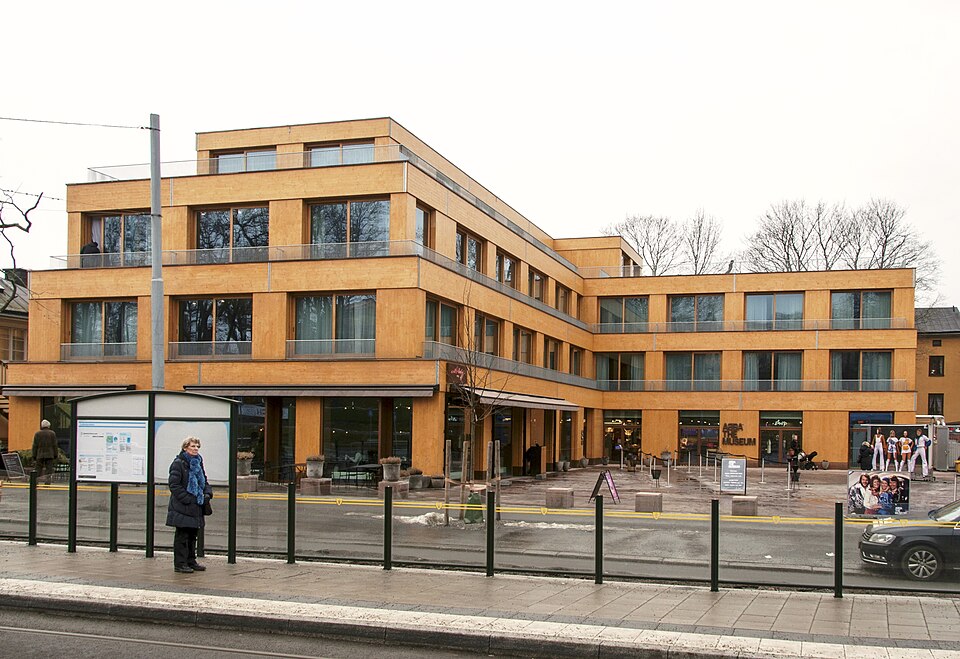
ABBA: The Museum is an interactive exhibition space dedicated to the Swedish pop group ABBA, located on Djurgården island in Stockholm. The museum occupies a purpose-built facility near other cultural attractions. It presents the band's history from their 1974 Eurovision victory through their global superstardom and enduring legacy. The institution serves as both a memorial to Swedish pop culture and a participatory experience where visitors engage with the group's music and story through various installations rather than passive observation of artifacts alone.
Checked 2026-08-26
The museum contains multiple interactive stations where visitors can engage with ABBA's music and history. Exhibits include performance costumes, original memorabilia, and recreated studio environments. Visitors may participate in vocal recording experiences and virtual stage performances. The space incorporates audiovisual presentations documenting the band's career trajectory. Personal items and historical photographs trace the individual members' journeys. The museum emphasizes hands-on participation over traditional glass-case display, encouraging visitors to sing, dance, and remix tracks. The layout guides guests chronologically through ABBA's formation, peak years, and subsequent cultural impact.
Checked 2026-08-26
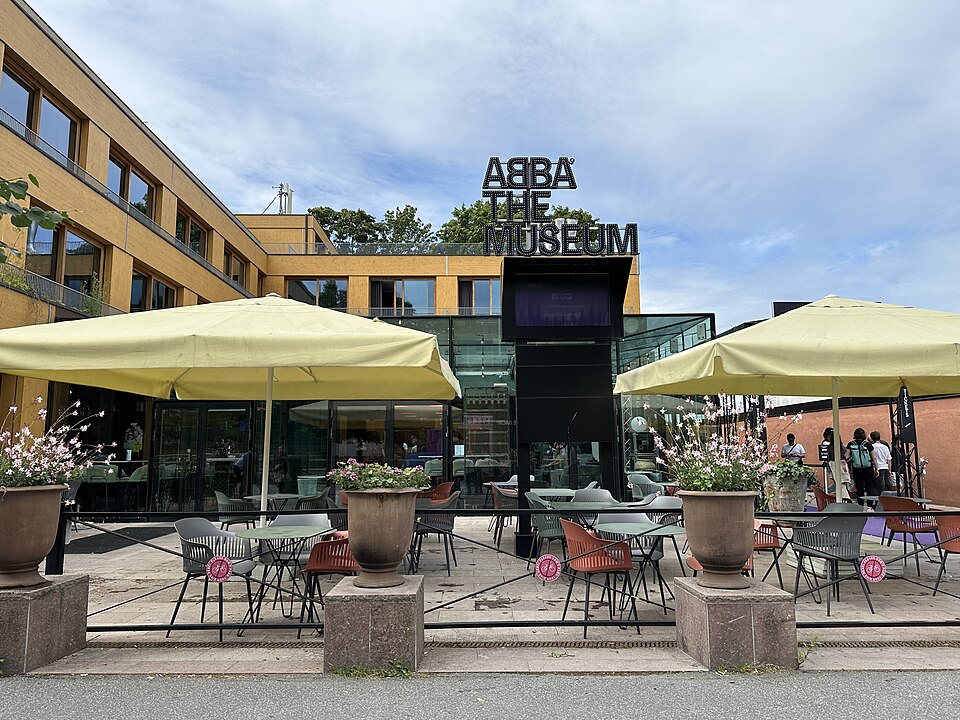
Most visitors allocate approximately two to three hours for a complete experience, though duration varies significantly based on individual engagement with interactive elements. Those participating extensively in recording booths, dance sequences, and detailed reading of exhibit materials may spend longer. Casual visitors moving through main displays more quickly might complete the circuit in less time. The museum's design encourages lingering at popular stations, which can create queues during busier periods. Personal pacing and crowd levels substantially affect total visit duration. No guided tour structure imposes fixed timing on individual exploration.
Checked 2026-08-26
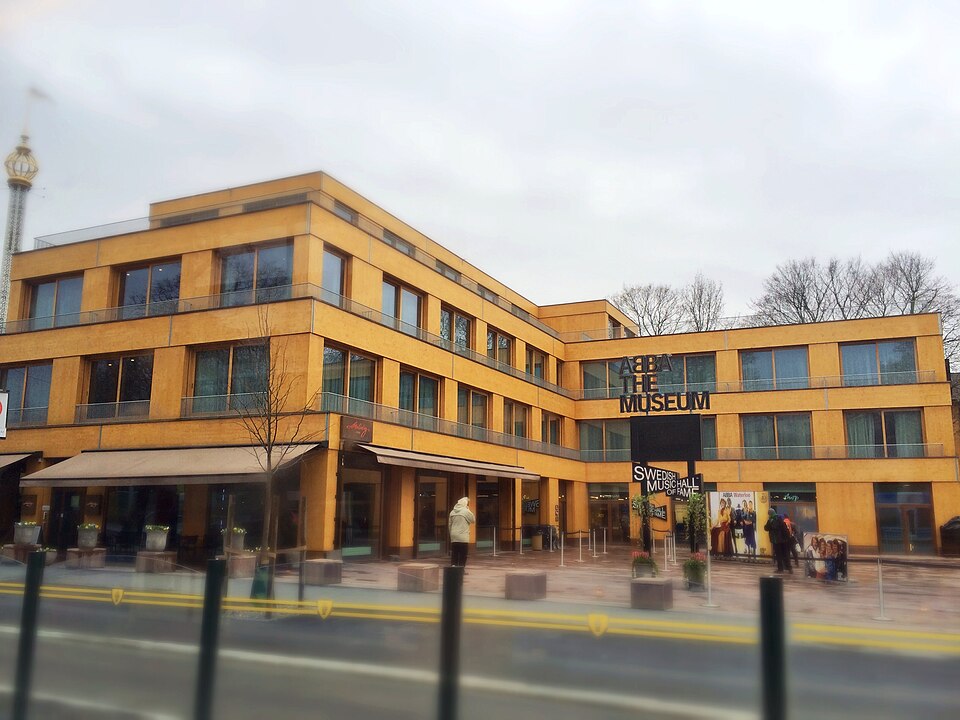
Stockholm experiences significant seasonal variation in daylight hours and tourist volumes, with summer months drawing larger crowds to Djurgården attractions. Winter visits offer reduced congestion but coincide with shorter daylight periods. Weekends typically see higher attendance than weekdays across all seasons. Operator-confirmed hours are Not recorded pending review. Visitors should consult the museum's official channels for current opening schedules before planning. Morning arrivals generally provide quieter conditions for interactive stations. The indoor environment provides climate-controlled conditions regardless of external weather, making the museum viable year-round though accessibility of surrounding Djurgården area varies seasonally.
Checked 2026-08-26
Admission requires purchased entry, with various ticket categories typically available for adults, children, and groups. Operator-confirmed prices are Not recorded pending review. Visitors should verify current rates through official museum channels before arrival. Online advance purchase may be advisable during peak tourist seasons to guarantee entry at preferred times. Some combination tickets with nearby Djurgården attractions may exist. Payment methods and cancellation policies should be confirmed directly with the venue. Discount eligibility for students, seniors, or other categories requires verification against current official policy rather than assumed standard practice.
Checked 2026-08-26
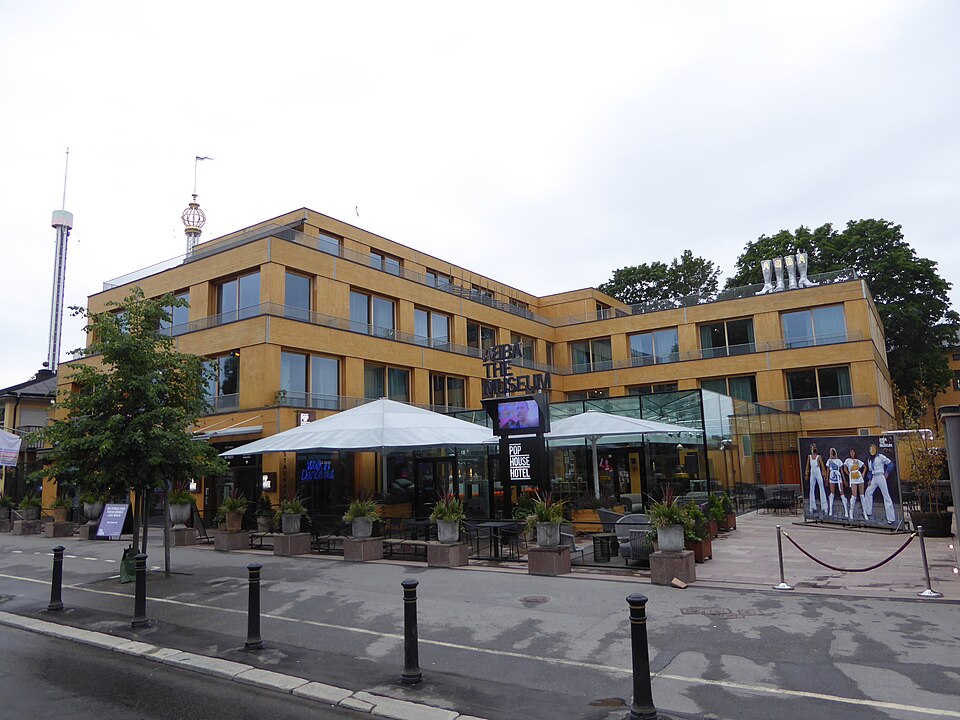
The museum sits on Djurgården island, accessible from central Stockholm via multiple transport options. Walkers can reach the area across bridges from Östermalm or Gamla Stan. Tram service connects to nearby stops. Ferry boats operate seasonal routes to Djurgården quays. Bus lines serve the island's perimeter roads. Cycling follows dedicated paths across connecting bridges. Private vehicles face parking limitations typical of central Stockholm island locations. The museum's specific position on Djurgården requires additional wayfinding from whichever transport mode visitors select. Signage and mapping applications assist final approach on foot from disembarkation points.
Checked 2026-08-26
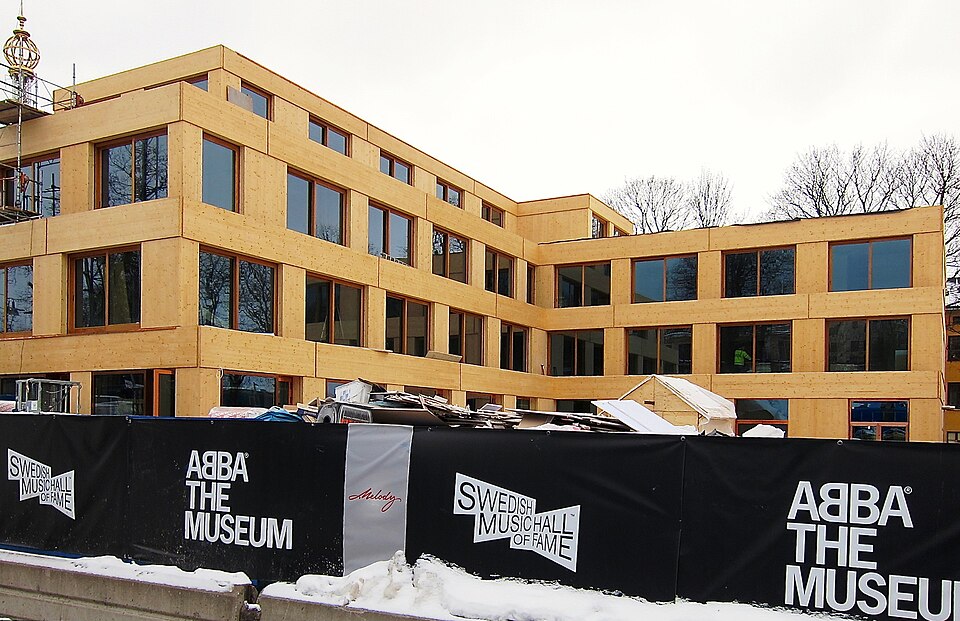
Interactive stations may involve queues during peak visitation, requiring patience or strategic timing. Some experiences involve physical participation including dancing and singing that may not suit all visitors. Audio elements throughout create a generally loud environment. Personal belongings require secure management during hands-on activities. Photography policies vary by exhibit zone and should be observed. The museum's popularity means advance planning benefits visitors, particularly those with fixed schedules. Children require supervision around electronic equipment. The immersive nature may disappoint visitors seeking traditional museum contemplation. Crowd flow design channels visitors through specific sequences that limit arbitrary routing.
Checked 2026-08-26
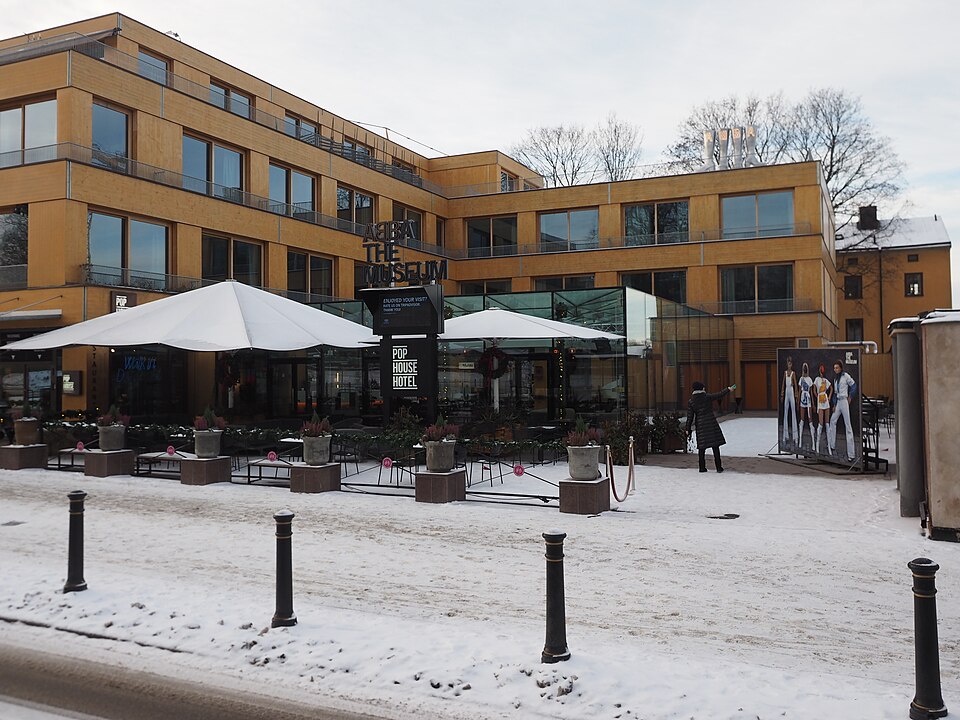
Photography policies within the museum vary by specific exhibit zone and installation type. Some interactive experiences and displays permit personal photography for non-commercial purposes. Other areas, particularly those involving proprietary audiovisual content or specific memorabilia, may restrict image capture. Visitors should observe posted signage at individual sections rather than assume uniform permission. Flash photography may be prohibited to protect sensitive materials and maintain atmospheric conditions. Commercial or professional photography requires separate arrangement with museum administration. Social media sharing of permitted images represents common visitor practice. Respect for fellow guests' privacy in interactive spaces should guide photographic behavior.
Checked 2026-08-26
The museum offers interactive elements that engage younger visitors, though parental supervision is advisable around electronic installations and the volume levels may affect sensitive children.
Photography permissions vary by zone; visitors must observe posted restrictions at individual exhibits rather than assuming uniform rules apply across all spaces.
Most visitors spend two to three hours, though extensive participation in interactive stations extends duration while casual passage reduces it.
Tickets may be available at the entrance, though advance online purchase is advisable during peak seasons; current policies should be verified through official channels.
Multiple options including tram, bus, ferry, and walking routes connect central Stockholm to Djurgården island where the museum is located.
The exhibition includes original costumes and memorabilia among its displays, presented within interactive and audiovisual contexts rather than traditional glass cases alone.
Loading the interactive map…
The interactive map could not be loaded.
Last updated:
Source: OpenStreetMap contributors, Wikidata ·