


5 min walk
Katarina Elevator
- Must see
- Viewpoint
Language · 1 published
Museum · Stockholm
Almgrens Sidenväveri & Museum

| Monday | 12:00 – 16:00 |
|---|---|
| Tuesday | 12:00 – 16:00 |
| Wednesday | 12:00 – 16:00 |
| Thursday | 12:00 – 16:00 |
| Friday | 12:00 – 16:00 |
| Saturday | 12:00 – 16:00 |
| Sunday | Closed |
Parsed from OpenStreetMap opening hours on 2026-08-26.
Almgren Silk Weaving Museum occupies a historic industrial site preserving Stockholm's silk weaving heritage. Established by the Almgren family, this working museum maintains original looms and equipment from a once-thriving textile industry. The premises functioned as an active silk weaving workshop for generations, producing fabrics for Swedish nobility and institutions. Today it serves as both museum and cultural monument, demonstrating traditional craft techniques that have largely disappeared from modern production. Visitors encounter authentic workshop atmosphere in preserved interiors, making this a significant site for understanding Swedish manufacturing history and artisanal methods of the nineteenth and early twentieth centuries.
Checked 2026-08-26
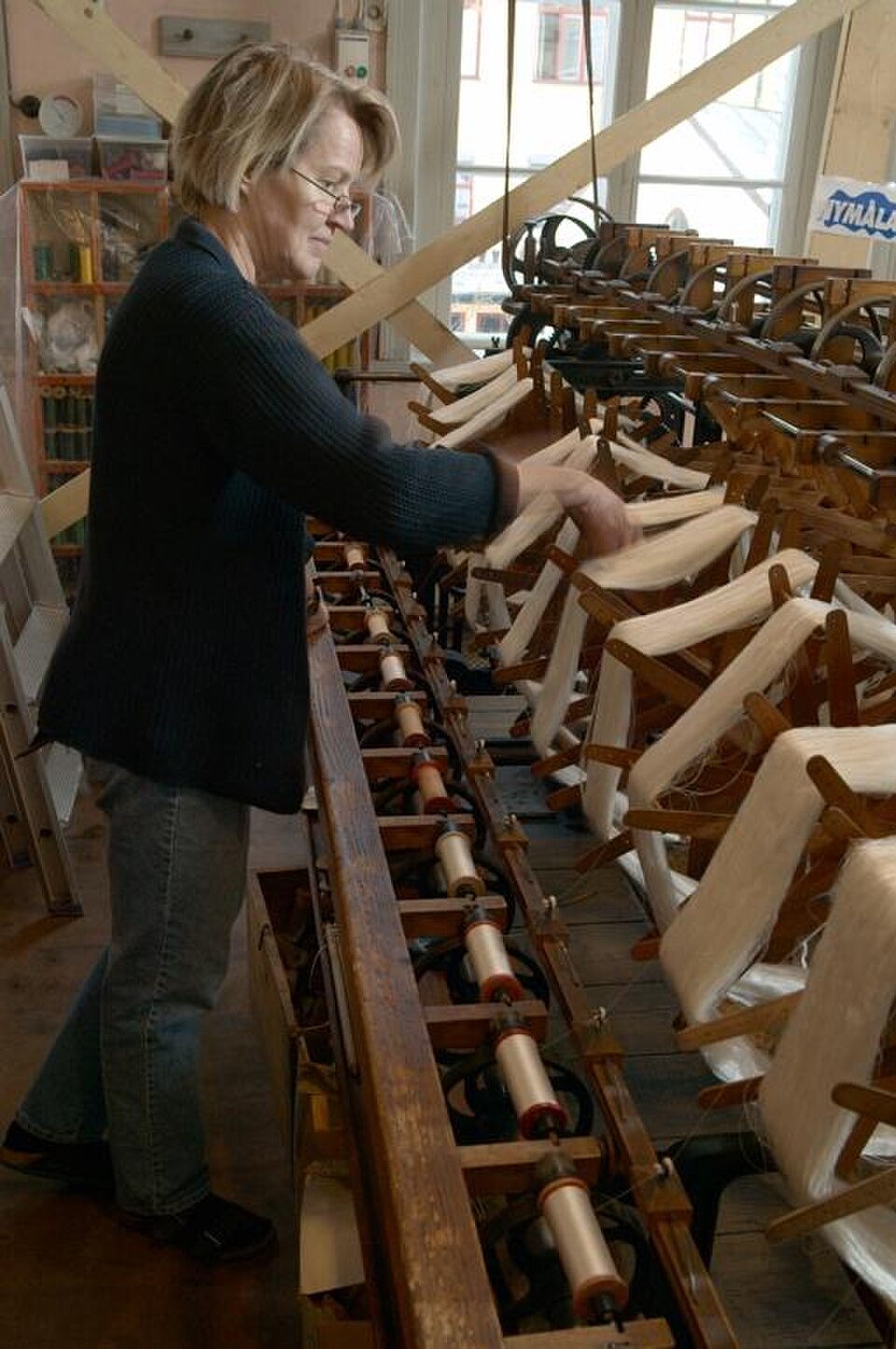
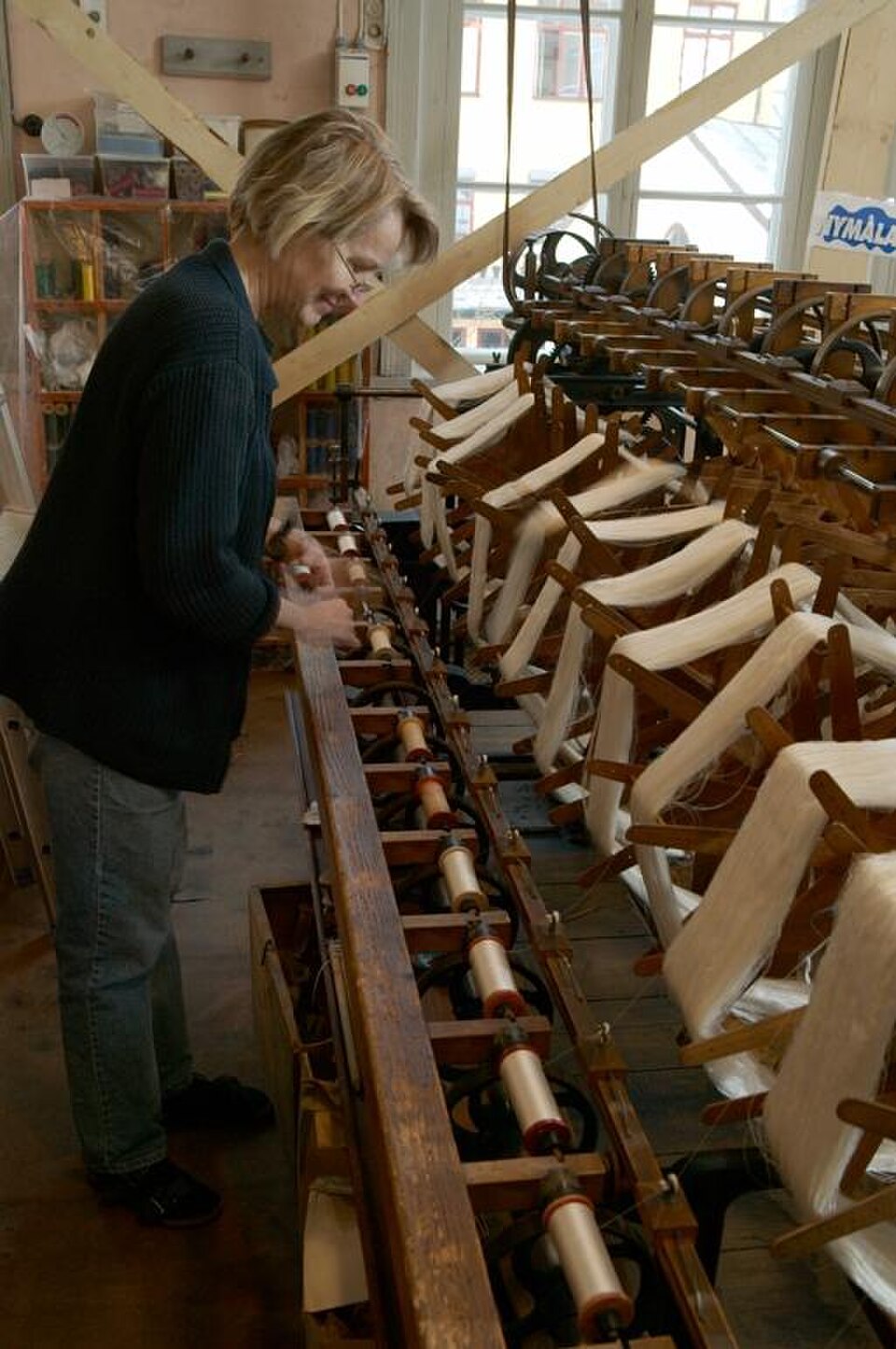
The museum contains original Jacquard looms and associated weaving apparatus in operational condition. Visitors observe silk thread preparation, pattern creation, and fabric production processes demonstrated on historic equipment. The collection includes sample books, finished textile pieces, and tools documenting the complete manufacturing cycle. Original workshop fittings, storage areas, and office spaces remain intact, presenting an unaltered industrial environment. Displays illustrate the technical complexity of silk weaving and the skill required to operate these machines. The Almgren family's business archives and personal effects contribute to understanding both commercial operations and the social history of Stockholm's craft workers and industrial development.
Checked 2026-08-26
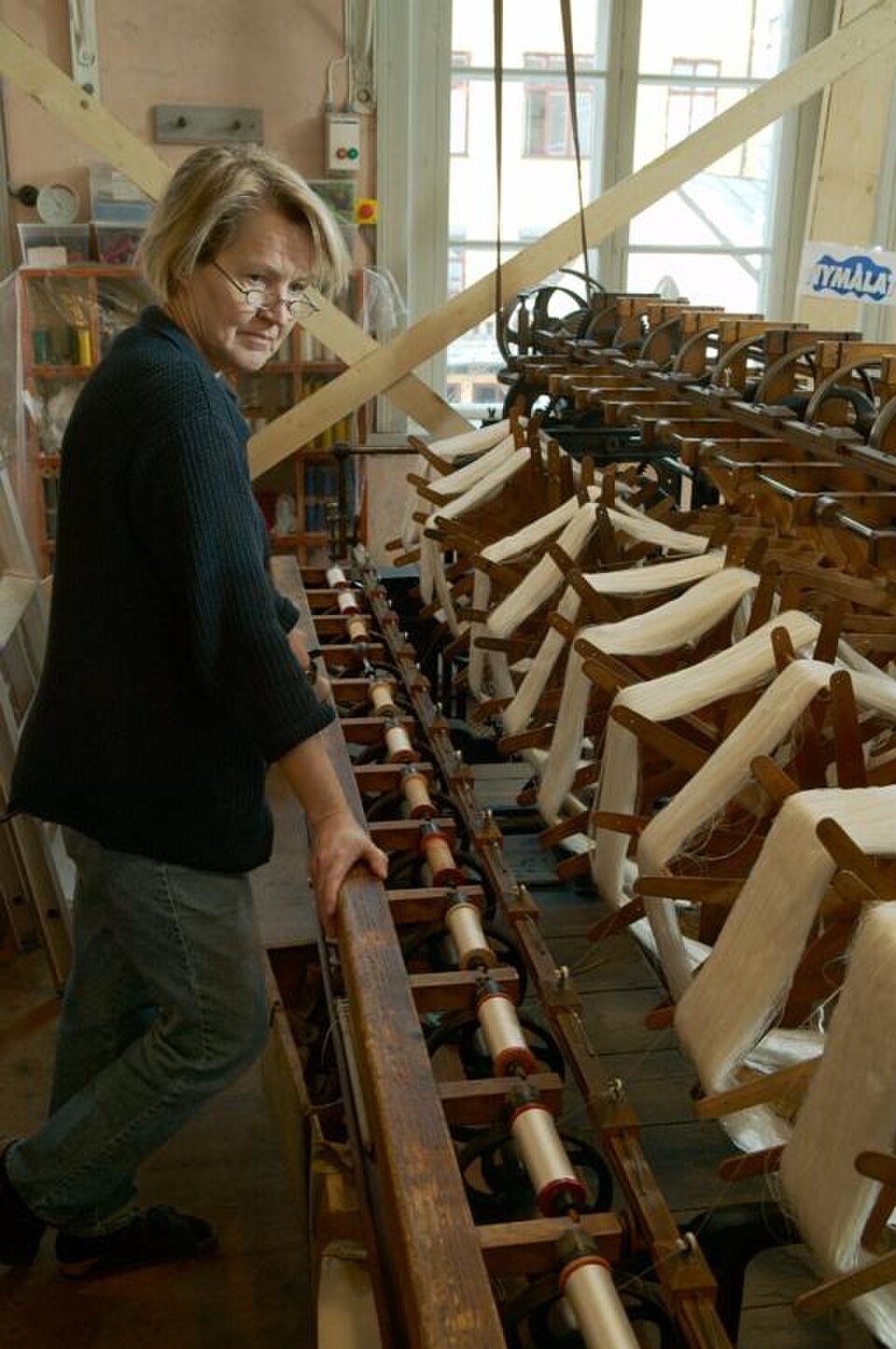
A thorough visit requires approximately one to two hours depending on individual interest in textile history and manufacturing processes. The compact site permits efficient circulation through workshop areas, though demonstrations and detailed examination of equipment extend duration. Visitors with specific research interests or enthusiasm for craft techniques may linger longer. The self-directed nature of exploration allows flexible pacing, though guided elements or operational demonstrations when available would add time. First-time visitors benefit from unhurried progression to absorb the industrial atmosphere and appreciate the technical achievements represented by surviving machinery and production methods in this preserved environment.
Checked 2026-08-26
Operator-confirmed hours are Not recorded pending review. Visitors should verify current opening schedules directly with the museum before planning attendance, as heritage sites frequently operate restricted hours or seasonal variations not reflected in general sources. Weekday mornings may offer quieter conditions for detailed observation of equipment and workshop spaces. Special events, demonstration days, or cultural programme dates could enhance visits but require advance confirmation. Stockholm's climate suggests interior attractions suit all seasons, though travel convenience varies. The museum's location in a residential-commercial district implies accessibility considerations may differ between weekdays and weekends regardless of stated opening arrangements.
Checked 2026-08-26
Operator-confirmed prices are Not recorded pending review. Admission policies for heritage and specialist museums in Stockholm vary considerably, with some municipal or foundation-operated sites offering free entry while others charge moderate fees. Group rates, student concessions, or combined tickets with other cultural attractions may apply but remain unverified. Visitors should consult official sources for current pricing before arrival. Membership schemes or donation-based entry systems sometimes operate at smaller independent museums. Budget-conscious travellers should prepare for possible charges while recognising that many Swedish cultural institutions maintain accessible pricing structures supporting broad public engagement with historical and craft heritage preservation.
Checked 2026-08-26
The museum occupies premises in Stockholm's Södermalm district, an area well-served by public transportation. Visitors typically reach the vicinity via Tunnelbana metro stations, with subsequent walking required through characteristic urban streetscapes. Bus services operate on surrounding thoroughfares. The district's dense development supports pedestrian exploration, though precise walking distances from transit stops are Not recorded. Cyclists find Stockholm's infrastructure generally accommodating. Driving presents parking challenges typical of central Stockholm locations. The museum's specific street address within Södermalm should be verified against current mapping services, as entrance identification in converted industrial premises sometimes proves less obvious than purpose-built cultural facilities.
Checked 2026-08-26

The historic industrial environment presents inherent accessibility constraints. Original flooring, stair configurations, and narrow passages between machinery may challenge visitors with mobility limitations. Operating or demonstration equipment requires cautious approach and attention to staff guidance. The preserved workshop atmosphere implies limited climate control compared with modern museum standards. Visitors should wear practical footwear suitable for industrial surfaces. Low lighting in some areas, authentic to working conditions, affects visibility. Small children require close supervision near machinery and elevated platforms. The specialised nature of textile manufacturing exhibits may not engage all visitors equally; those without prior interest should calibrate expectations regarding interactive or multimedia presentation elements.
Checked 2026-08-26
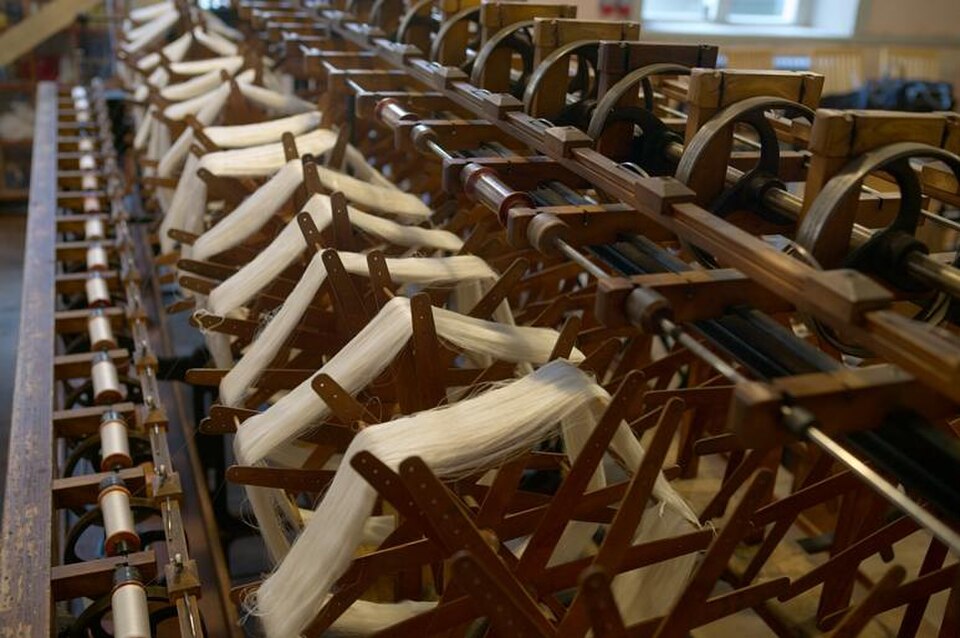
Photography policies are Not recorded. Heritage museums with operational machinery frequently restrict flash photography to protect delicate textiles and reduce disturbance during demonstrations. Tripod and professional equipment use typically requires advance arrangement. The visually distinctive industrial interiors, with complex loom mechanisms and atmospheric lighting, offer compelling photographic subjects should permission be granted. Visitors should observe posted regulations or inquire with staff upon arrival rather than assuming unrestricted photography rights. Respect for other visitors and any ongoing demonstrations or workshops takes precedence. Digital sharing of images, where permitted, contributes to public awareness of this specialised heritage site and traditional craft preservation efforts.
Checked 2026-08-26
The museum preserves original looms and equipment in operational condition, with demonstrations of traditional silk weaving techniques. It functions primarily as heritage site and museum rather than commercial production facility, though the distinction between preserved workplace and active craft demonstration varies by occasion and programming.
Tour availability and scheduling are Not recorded. Visitors should contact the museum directly to inquire about guided experiences, demonstration schedules, or educational programming that may enhance understanding of silk weaving techniques and industrial history.
The historic industrial premises with original flooring, stair configurations, and narrow passages between machinery present likely accessibility challenges. Specific accessibility provisions are Not recorded; direct inquiry to the museum is recommended before visiting.
Whether the museum maintains retail operations selling silk items or reproductions is Not recorded. Some heritage craft sites offer limited product ranges, but visitors should verify current commercial activities directly rather than assuming availability.
The Almgren family established and operated this silk weaving workshop over multiple generations, producing fabrics for Swedish nobility and institutions. The museum preserves their business archives, equipment, and premises as documentation of this significant craft and commercial enterprise in Stockholm's industrial history.
Stockholm and surrounding regions contain additional cultural and industrial heritage sites, though specific nearby textile museums or recommended itinerary combinations are Not recorded. Visitors researching extended craft heritage tours should consult regional tourism resources for verified complementary attractions.
Loading the interactive map…
The interactive map could not be loaded.
Last updated:
Source: OpenStreetMap contributors, Wikidata ·