

.jpg)
.jpg)
.jpg)
.jpg)
1 min walk
Hessensteinska palatset
- Notable
- Historic monument
Language · 1 published
Historic monument · Stockholm
Riddarholmskyrkan
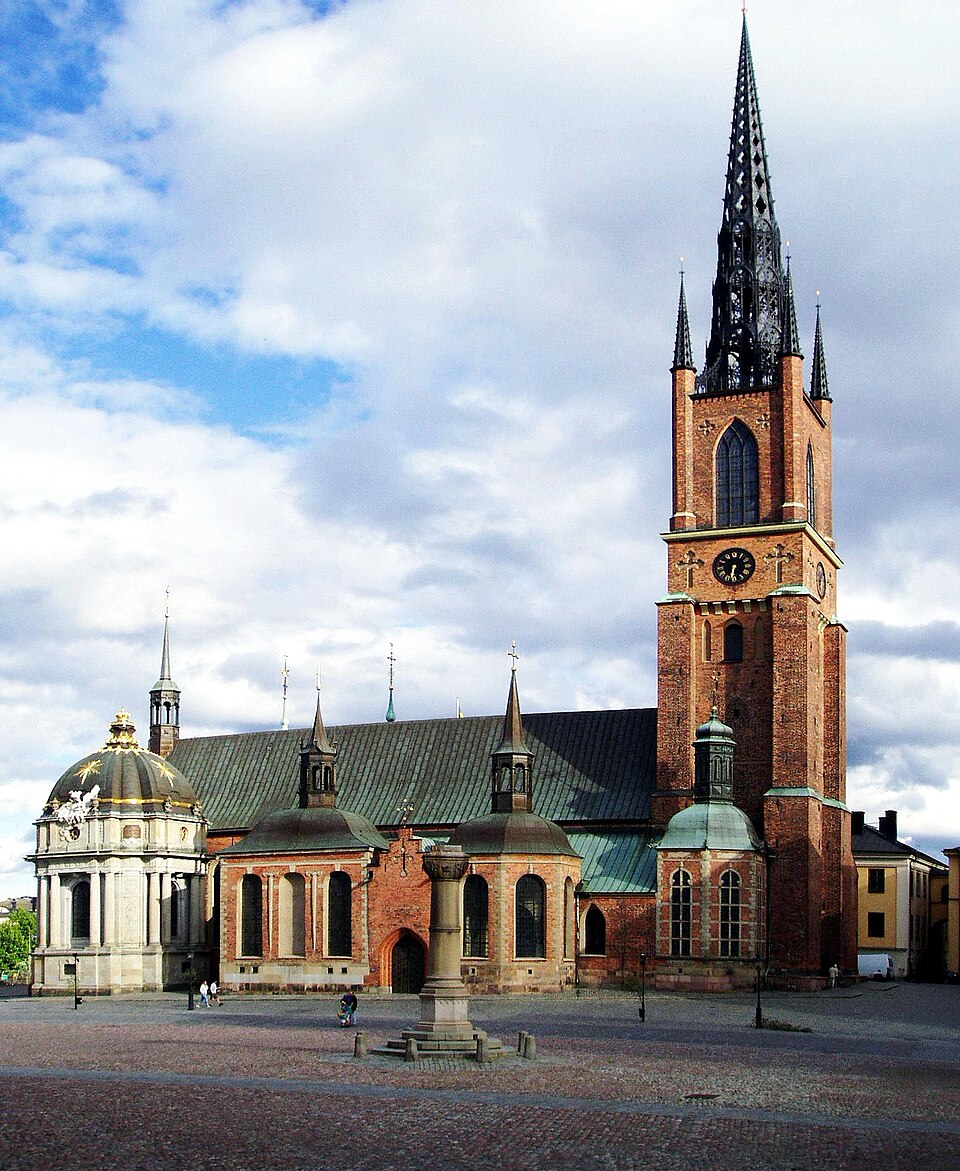
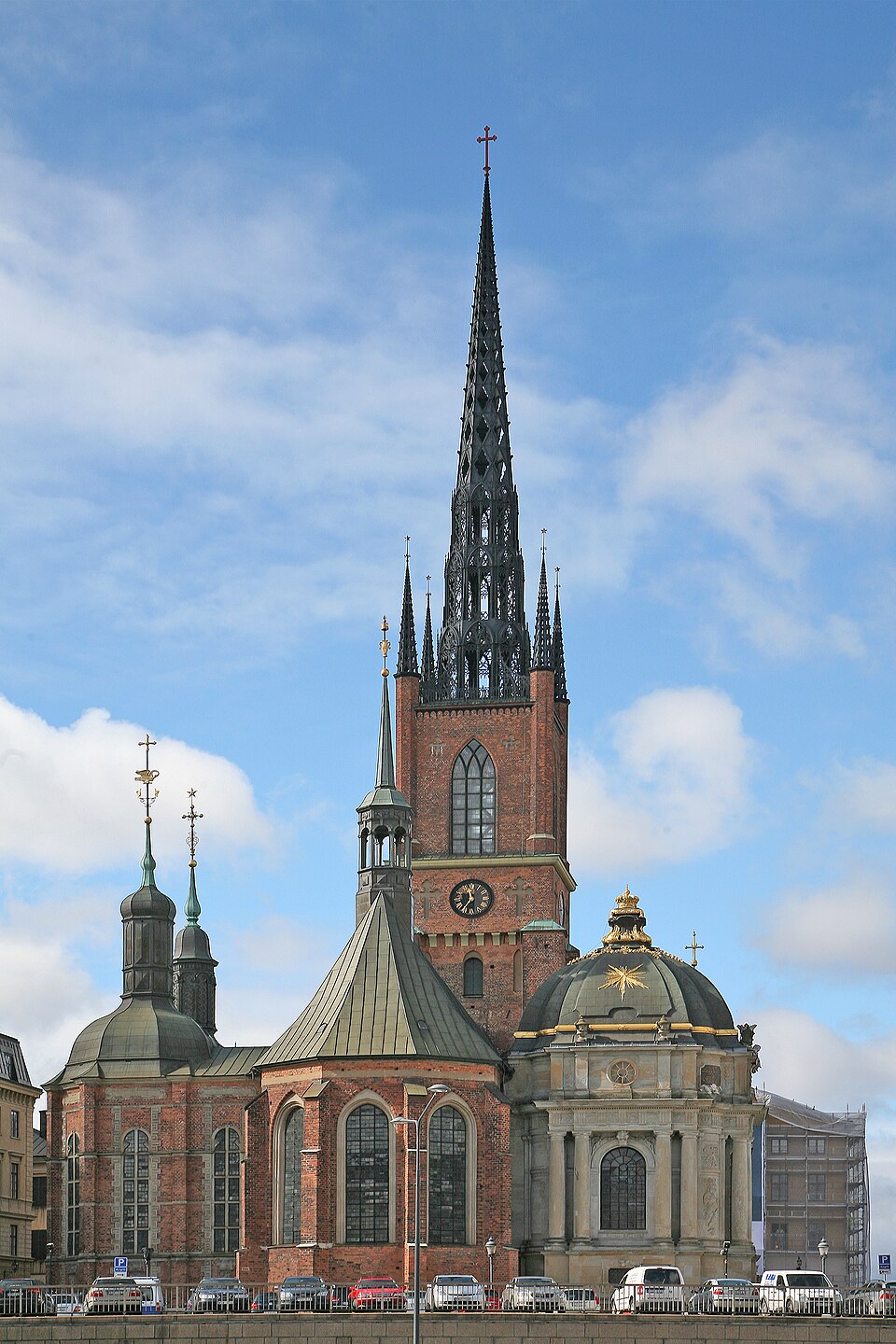
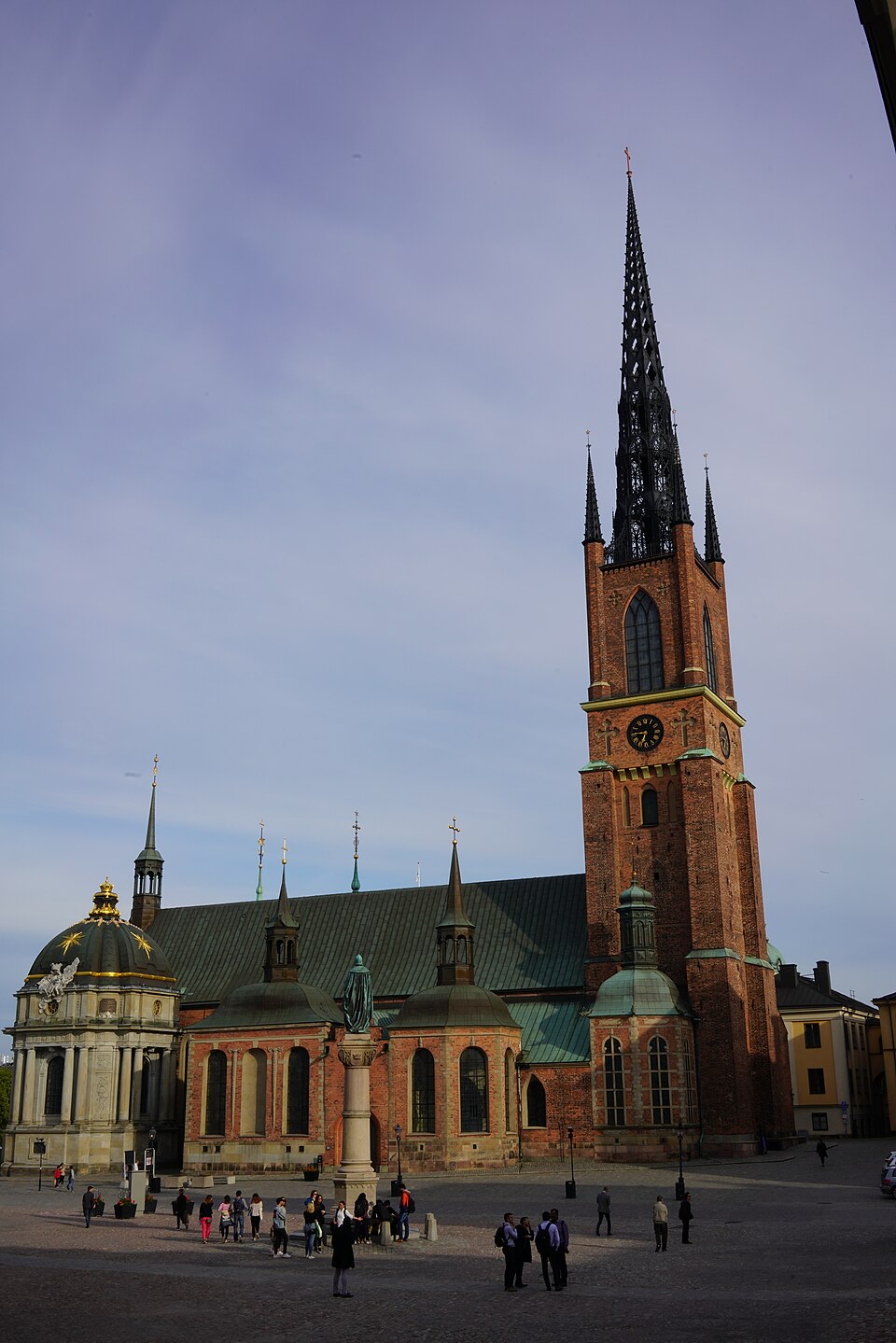
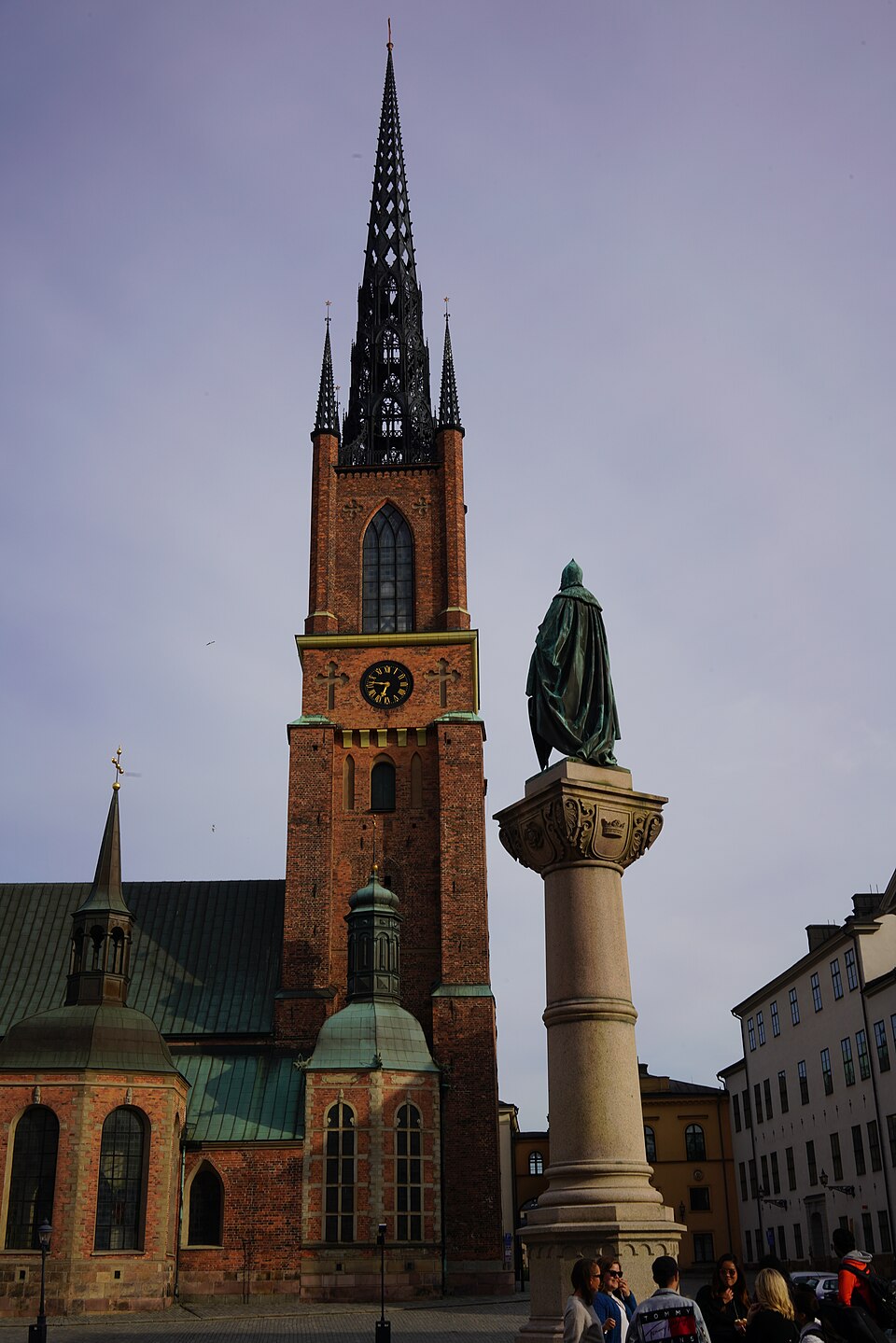
Riddarholm Church, known locally as Riddarholmskyrkan, stands as a historic church on the island of Riddarholmen in central Stockholm. It serves as the burial church of Swedish monarchs and holds significant national importance. The building represents one of Stockholm's oldest surviving structures, with origins dating to the medieval period. Its distinctive cast-iron spire, added in the nineteenth century, dominates the skyline and makes the church immediately recognizable from across the water. The church ceased regular worship functions long ago and now operates primarily as a royal mausoleum and heritage site.
Checked 2026-08-26
The interior contains elaborate royal tombs and funerary monuments spanning centuries of Swedish history. Visitors encounter sarcophagi, sculptural memorials, and heraldic decorations commemorating kings, queens, and other royal figures. The architecture itself merits attention, combining medieval foundations with later modifications and restorations. Notable monarchs interred here include Gustav II Adolf and Charles XII, figures central to Swedish national identity. The spatial arrangement reflects evolving burial practices and artistic tastes across different eras. Atmospheric conditions and lighting create a contemplative environment appropriate to its commemorative purpose.
Checked 2026-08-26
Most visitors spend approximately thirty to sixty minutes exploring the interior spaces. The compact scale of the church limits extensive wandering, though careful examination of individual monuments rewards slower pacing. Those with particular interest in Swedish royal history, funerary art, or ecclesiastical architecture may wish to allocate additional time. Photography and reading informational materials extend typical durations. The visit suits combination with nearby attractions on Riddarholmen and Gamla Stan, allowing efficient itinerary planning. Consider personal pace and crowding conditions when scheduling.
Checked 2026-08-26
Operator-confirmed hours are Not recorded pending review. Seasonal variations in opening schedules are typical for Swedish heritage sites, with reduced access during winter months common. Visitors should verify current times through official channels before travel. Stockholm's daylight patterns vary dramatically throughout the year, with extended summer evenings and brief winter afternoons affecting both accessibility and atmospheric experience. The church's exterior remains visible at all times, though interior exploration requires confirmed operational status. Advance planning remains advisable given potential schedule modifications. Riddarholm Church also earns time in a stockholm itinerary because Exact production identity is assigned through pois.city_place_id; the stored production name and coordinates were copied without approximation. Its value becomes clearer when the stop is compared with the surrounding streets and the other ranked places nearby.
Checked 2026-08-26
Operator-confirmed prices are Not recorded pending review. Heritage sites in Stockholm variously operate free admission, fixed entry fees, or combined ticket arrangements with other royal properties. Potential visitors should consult current official sources for accurate pricing. Some categories of visitors, such as children, students, or seniors, may qualify for reductions where fees apply. Group arrangements sometimes differ from individual admission. Budget-conscious travelers should investigate Stockholm Pass or similar city tourism products that occasionally include multiple attractions. Currency and payment method acceptance should be verified in advance.
Checked 2026-08-26
Riddarholmen sits adjacent to Gamla Stan, Stockholm's old town, accessible by foot from multiple directions. Walking from the Gamla Stan metro station requires approximately five to ten minutes across connecting bridges. The island connects to surrounding areas via several bridges permitting pedestrian and limited vehicular access. Water transport options operate nearby given Stockholm's archipelago geography. Cyclists find routes through central Stockholm leading to the vicinity. Signage and the prominent spire assist navigation. The compact city center encourages walking as primary exploration mode.
Checked 2026-08-26
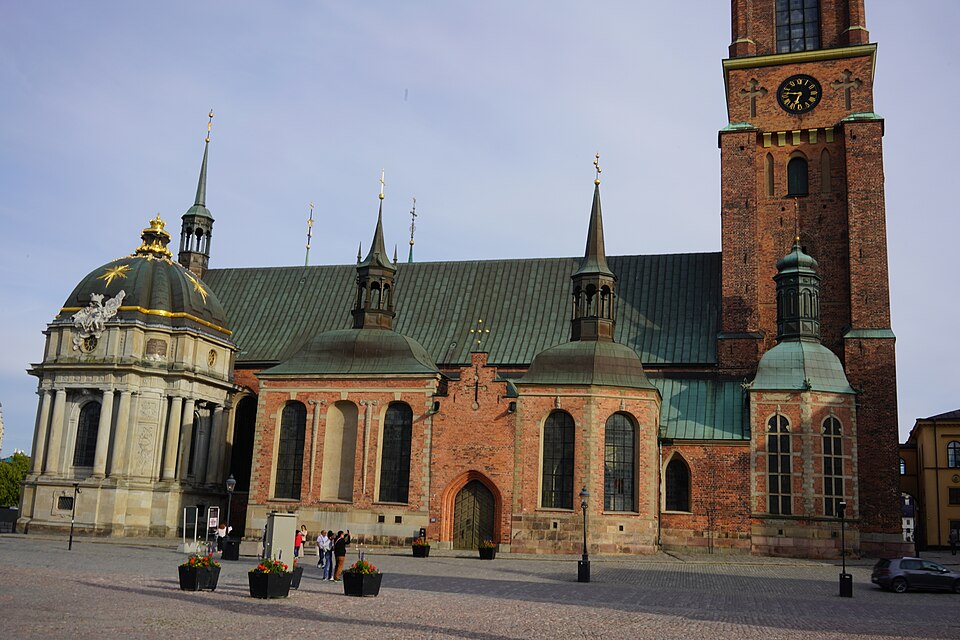
The church floor contains numerous grave markers and memorial plaques requiring careful foot placement. Dim interior lighting, appropriate to the solemn atmosphere, may challenge visitors with vision limitations. Steps and uneven surfaces appear throughout the historic structure. Crowding concentrates in narrow passages during peak visitation. The building's age means climate control is limited; dress accordingly for seasonal conditions. Respectful conduct is expected given the commemorative function. Bag size restrictions may apply. Photography regulations, if any, should be observed. Emergency exits and procedures merit brief familiarization upon entry.
Checked 2026-08-26
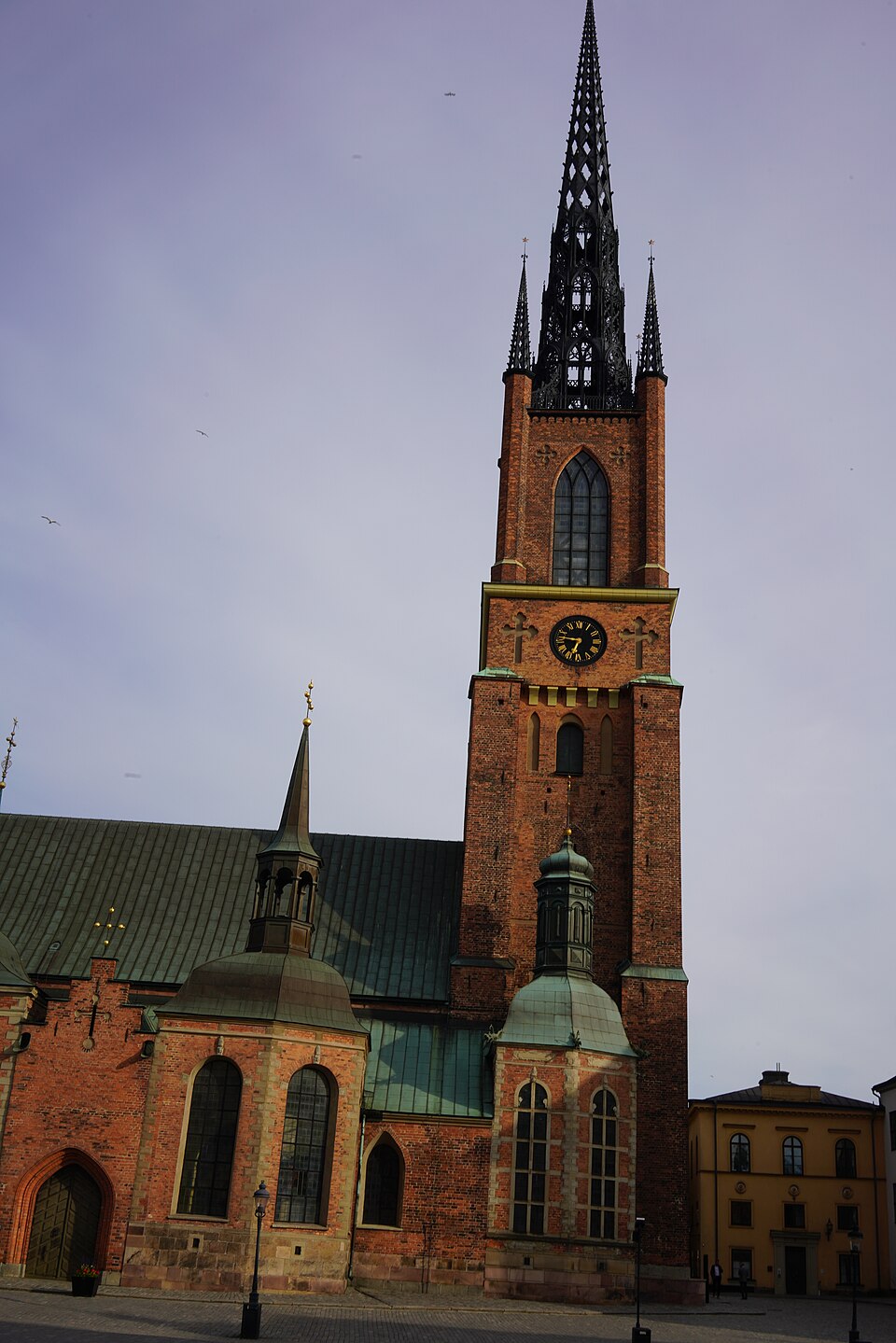
Interior photography conditions present challenges due to restricted natural light and artificial illumination designed for atmosphere rather than imaging. Tripod and flash policies remain unconfirmed in available sources; visitors should inquire on arrival or observe posted guidance. The exterior spire and waterside setting offer compelling external compositions, particularly during favorable weather and lighting conditions. Reflections in surrounding water enhance certain vantage points. Early morning or late afternoon typically provide optimal natural light for exterior shots. Respect for other visitors and the site's dignity should guide all photographic behavior.
Checked 2026-08-26
No. The church ceased functioning as a regular place of worship and now serves primarily as a royal mausoleum and heritage site.
Numerous Swedish monarchs from several centuries are interred here, including notable figures such as Gustav II Adolf and Charles XII, though a complete verified list is not recorded.
Yes. The distinctive spire and building are visible from multiple vantage points around Riddarholmen and across the water, accessible at all times regardless of interior opening status.
Operator-confirmed prices are Not recorded pending review. Visitors should consult official sources for current admission policies and any applicable fees.
The Gamla Stan metro station provides the nearest public transport access, with approximately five to ten minutes of walking across bridges to reach Riddarholmen.
Guided tour availability is Not recorded. Visitors should check official sources or inquire on arrival regarding any scheduled tours or audio guide options.
Loading the interactive map…
The interactive map could not be loaded.
Last updated:
Source: OpenStreetMap contributors, Wikidata ·