


2 min walk
Arvfurstens palats
- High · Heritage site
- Historic monument
Language · 1 published
Museum · Stockholm
Dansmuseet
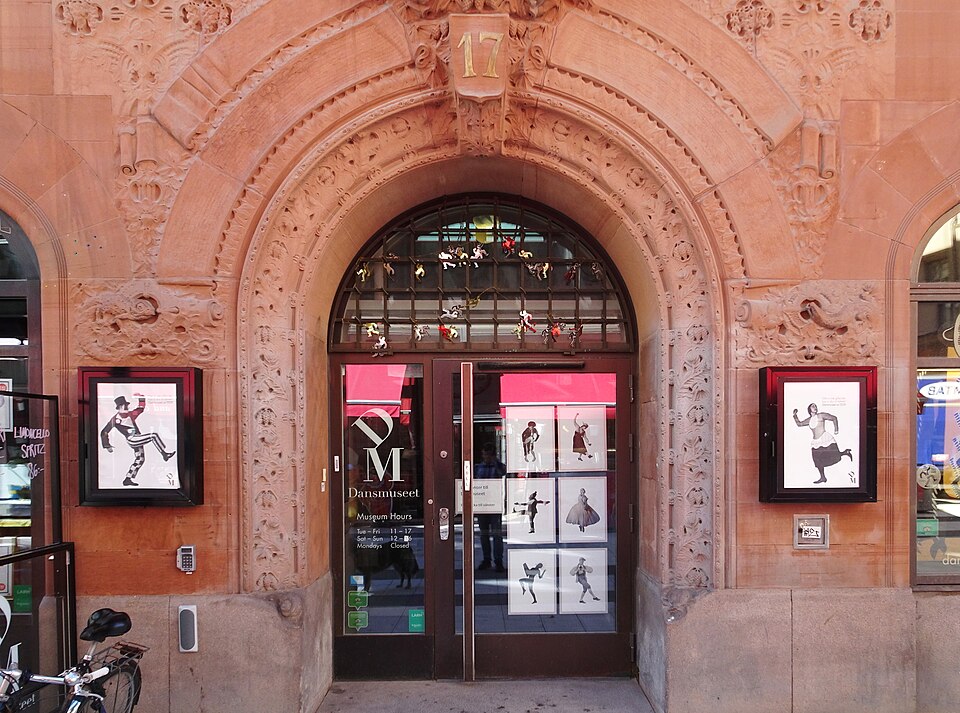
Dansmuseet is Stockholm's Dance Museum, dedicated to the art and history of dance in global and Swedish contexts. Founded through private initiative and developed into a recognised cultural institution, it occupies a central position in the city's museum landscape. The museum preserves and presents materials relating to theatrical dance, folk dance, and related performance traditions. Its collections span costumes, artefacts, and documentary records. Visitors encounter dance as both artistic practice and cultural expression across periods and geographies.
Checked 2026-08-26
The museum holds collections of dance costumes, masks, puppets, and ethnographic materials from multiple continents. Exhibitions trace theatrical dance history including ballet and modern dance, alongside traditional and ritual dance forms. Visitors find visual documentation, set designs, and historical artefacts. Thematic displays may rotate. The collection includes items from Asia, Africa, and Europe, reflecting dance as universal human activity. Research materials support scholarly access. The museum's holdings represent decades of dedicated acquisition and donation. Dance Museum also earns time in a stockholm itinerary because Selected as a distinct visitor-facing POI and matched exactly to the production city pool. Its value becomes clearer when the stop is compared with the surrounding streets and the other ranked places nearby.
Checked 2026-08-26
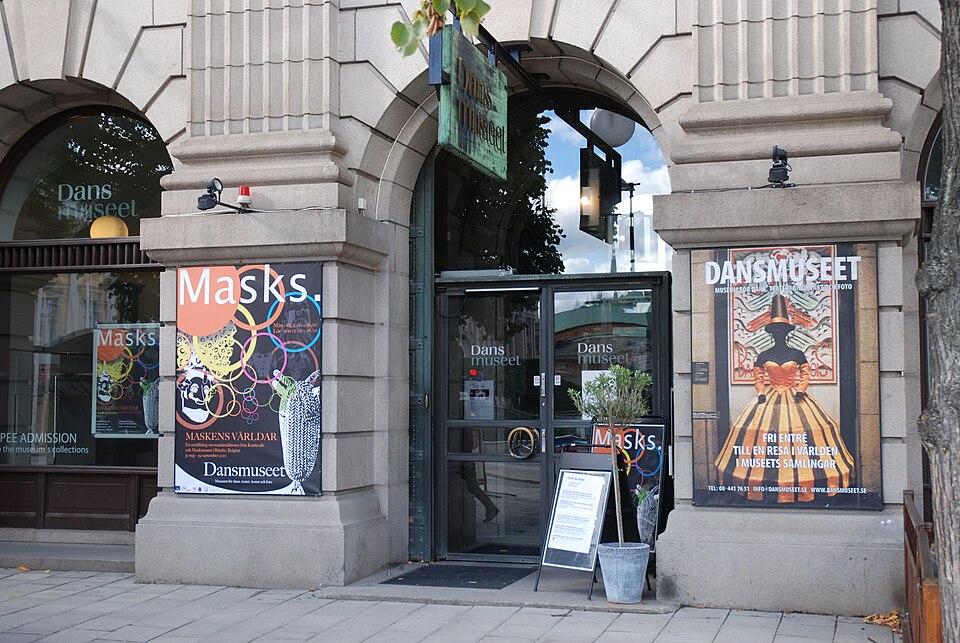
A thorough visit typically requires between one and two hours, depending on exhibition density and visitor interest. Those with specialist knowledge or strong engagement with dance history may spend longer examining specific collections or documentation. Casual visitors often complete a circuit in approximately sixty to ninety minutes. The compact nature of the museum relative to major national institutions supports efficient viewing. Visitors should assess their own pace against current exhibition scale and personal curiosity about displayed materials.
Checked 2026-08-26

Operator-confirmed hours are Not recorded pending review. Visitors must consult official channels before planning attendance. Seasonal variations in Stockholm's daylight and tourism patterns may influence preferred timing. Summer months bring extended daylight and higher visitor volumes at city attractions. Winter offers contrasting atmospheric conditions. The museum's indoor environment provides shelter regardless of season. Advance verification of operational status remains essential, particularly for visitors travelling specifically to this institution. Local holiday periods may affect accessibility. A flexible visit lets travellers connect Dance Museum with the rest of the day without treating one room, viewpoint or photograph as the whole experience. The useful pace depends on personal interest and conditions on arrival.
Checked 2026-08-26
Operator-confirmed prices are Not recorded pending review. Admission structures for Stockholm museums vary considerably, with some offering free entry and others charging standard fees. Concession categories typically exist for students, seniors, and other groups. Combined tickets with other cultural institutions may be available. Visitors should verify current pricing through official museum communication channels. Budgeting without confirmed figures carries uncertainty. Membership or donation schemes may provide alternative access routes for frequent museum visitors in Stockholm. The strongest visit keeps attention on what is distinctive here while leaving room for the next stop. That approach makes Dance Museum useful in both a focused first visit and a slower return to the city.
Checked 2026-08-26
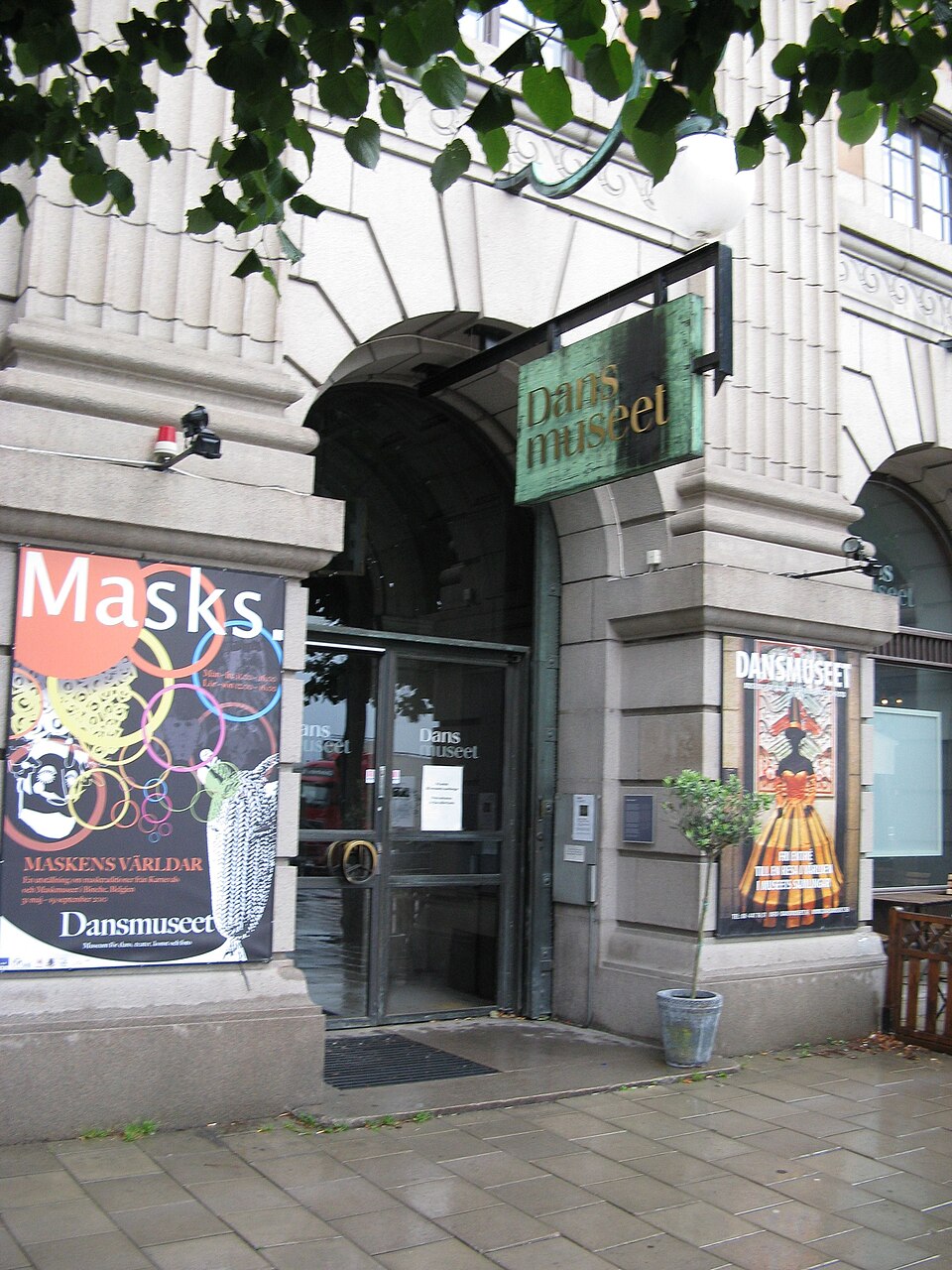
Dansmuseet occupies a central Stockholm location accessible by public transport. The city's metro, bus, and commuter rail networks serve the surrounding area. Walking from major central districts is feasible. Stockholm's public transport operates on integrated ticketing. Visitors unfamiliar with the network should consult current route planners. Bicycle and pedestrian infrastructure supports active travel approaches. Water transport options characteristic of Stockholm's archipelago setting are less directly relevant to this inland destination. Taxis and ride services provide alternatives.
Checked 2026-08-26

Museum environments require standard visitor awareness regarding collection protection and fellow guest consideration. Temporary exhibition changes may affect which collections are visible. Photography policies demand verification on arrival. Accessibility provisions should be confirmed in advance if required. Stockholm's weather conditions affect travel to and from the venue across seasons. Crowding varies unpredictably. Personal belongings security follows general urban precautions. The museum's specific rules regarding bags, food, and drink warrant attention. Staff directives should be followed promptly.
Checked 2026-08-26
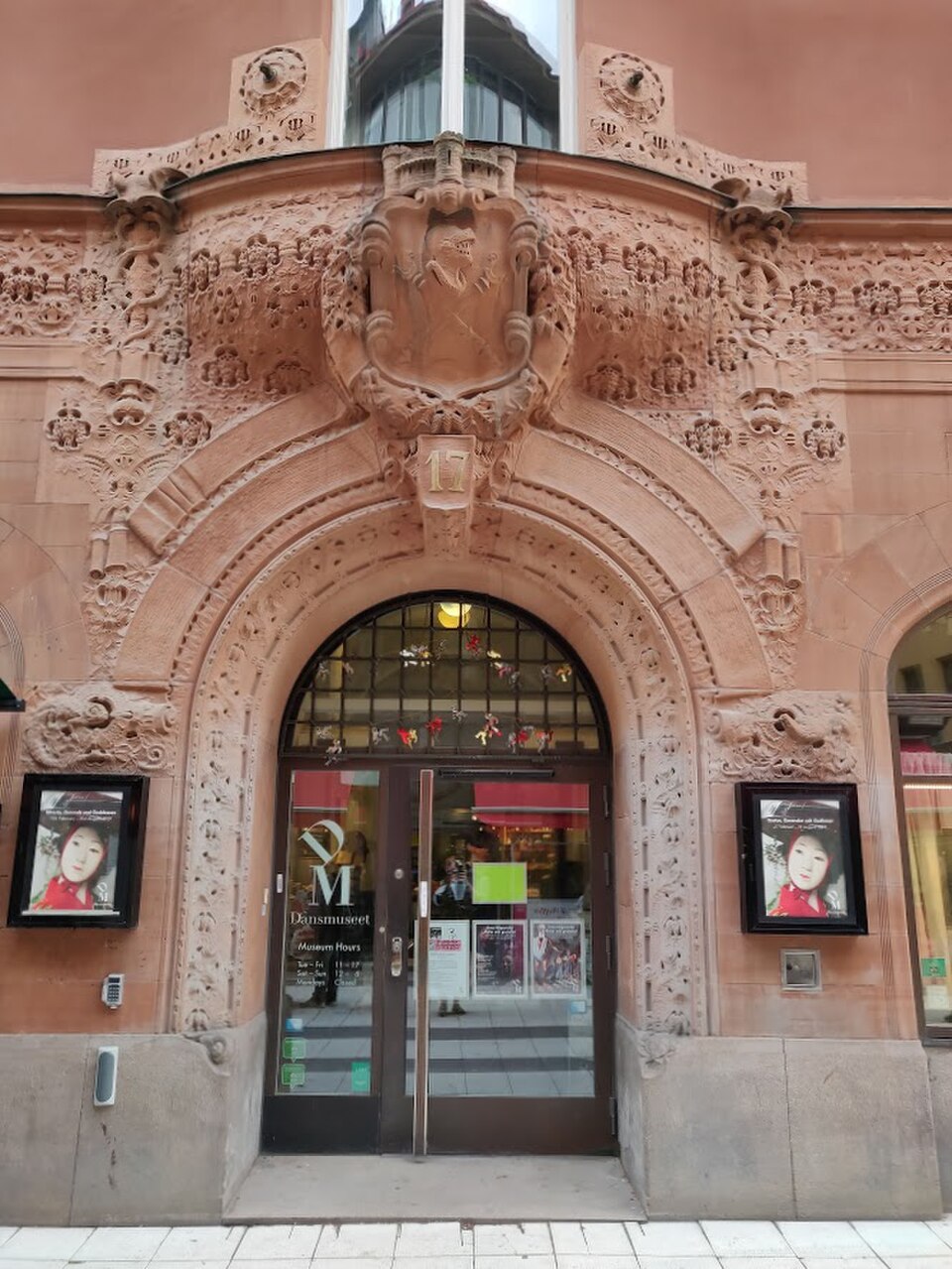
Photography policies at Dansmuseet are not specified in available sources and must be verified upon arrival or through advance enquiry. Many museums restrict flash photography to protect sensitive materials. Copyright considerations may apply to specific artworks or displays. Some institutions permit non-commercial photography while prohibiting professional equipment. Visitors should not assume unrestricted rights. Social media sharing may have designated guidelines. When in doubt, obtaining explicit permission from museum personnel represents prudent practice before capturing images of any collection items.
Checked 2026-08-26
The museum's dance focus may engage children with interest in movement and costume, though dedicated children's programming is not confirmed in available sources.
Tour provision is not recorded in supplied context. Visitors should enquire directly with the museum regarding scheduled or bookable guided experiences.
Accessibility specifications are not recorded pending review. Visitors requiring step-free access or other provisions should contact the museum directly before visiting.
On-site catering facilities are not confirmed in available sources. The central location provides proximity to Stockholm's broader food and beverage options.
A museum shop may exist but is not documented in supplied context. Visitors interested in purchasing should verify current retail offerings through official channels.
Dansmuseet functions as a collecting and exhibiting institution distinct from performing companies. Its role in preserving dance heritage complements Stockholm's active performance scene, though specific institutional relationships are not recorded.
Loading the interactive map…
The interactive map could not be loaded.
Last updated:
Source: OpenStreetMap contributors, Wikidata ·