Smart Self-Managed Tours

Museum · Stockholm

Maritime Museum

Sjöhistoriska museet

Reviewed by Elena Voss · SSMTour Travel Editor

Photograph

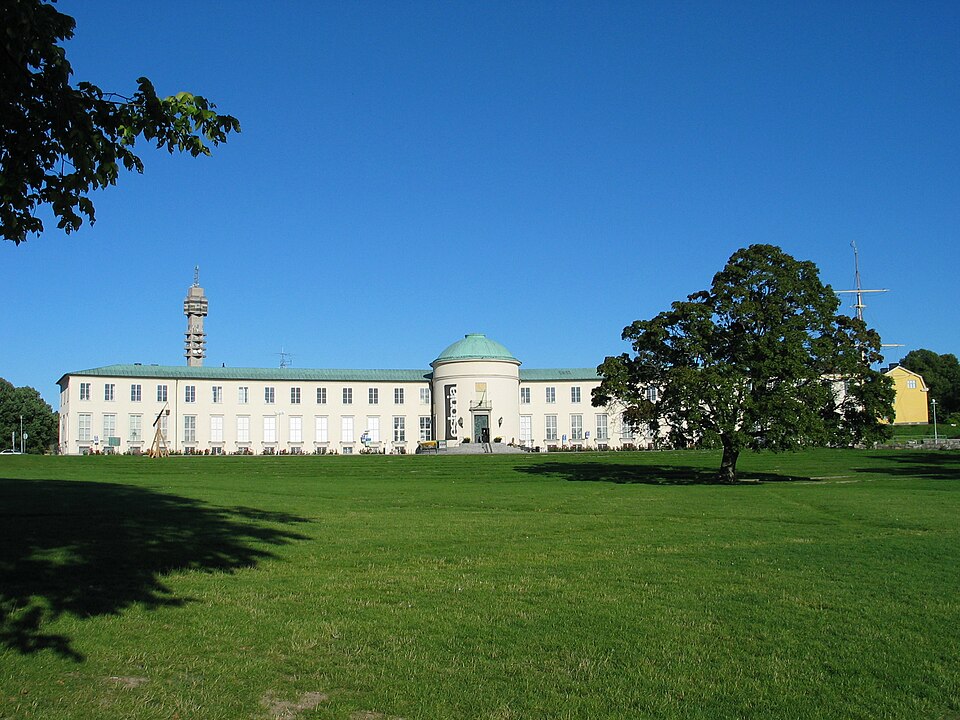
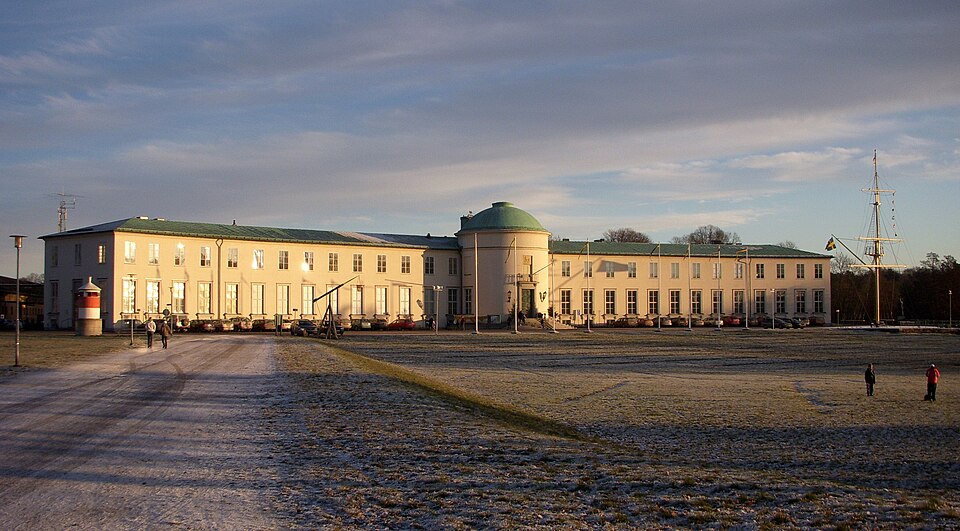
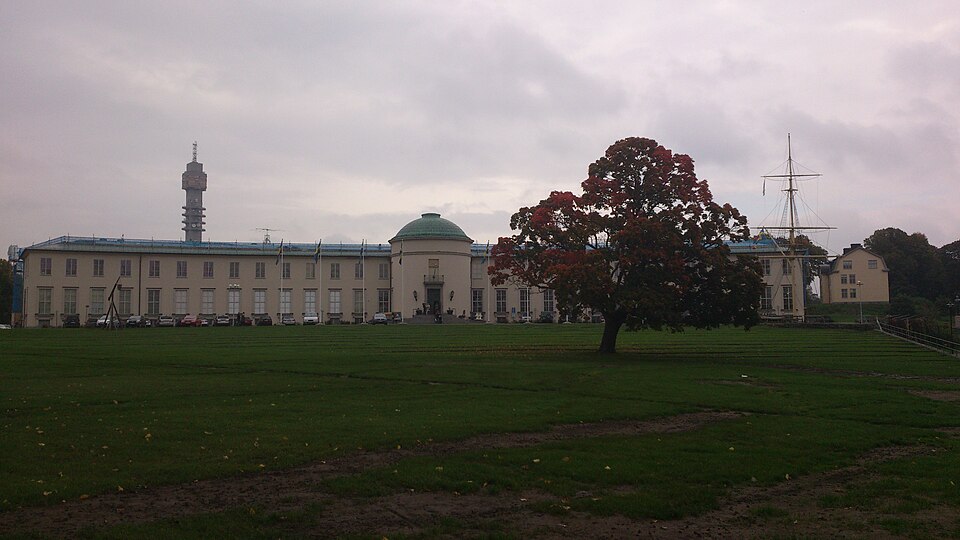
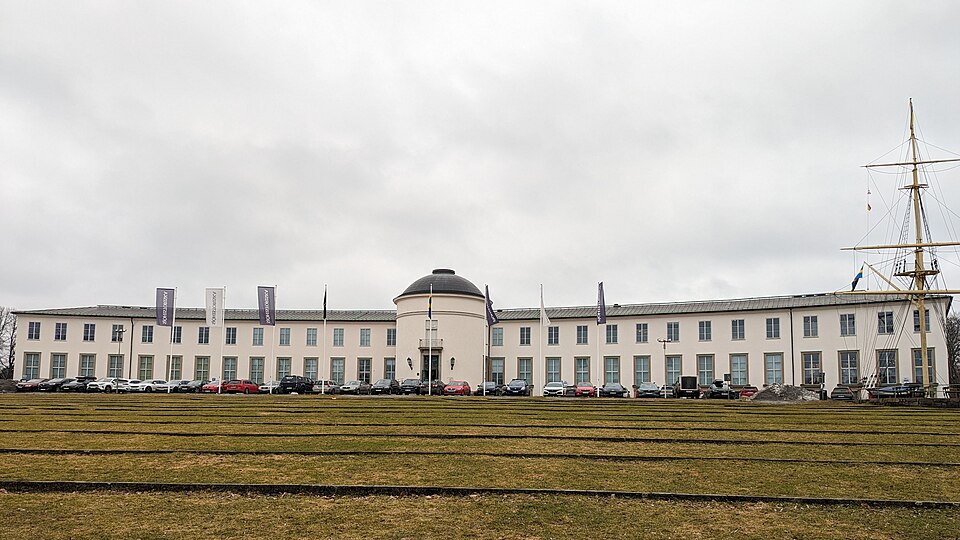
A photograph of Maritime Museum
Photograph · Holger.Ellgaard · CC BY-SA 3.0
Today
Hours not recorded
Visit duration
1 hr 30 min
Accessibility
Not recorded
Price
Not recorded
Standing
Must see · Heritage site
Rank
Rank 59 of 2,967

Place details and sources

This place is a Museum. It opened in 1938. It was designed by Ragnar Östberg. It carries the governmental listed building complex heritage designation.

Official website
www.sjohistoriska.se Wikidata · Checked 2026-09-09
Telephone
+46 8 519 549 00 OpenStreetMap · Checked 2026-09-09
Wheelchair access
Available OpenStreetMap · Checked 2026-09-09
Admission fee
Payable OpenStreetMap · Checked 2026-09-09
Building
Museum building OpenStreetMap · Checked 2026-09-09
Museum type
Maritime OpenStreetMap · Checked 2026-09-09
Type of place
Museum OpenStreetMap · Checked 2026-09-09
Established
1933 Wikidata · Checked 2026-09-09
Heritage designation
governmental listed building complex Wikidata · Checked 2026-09-09
Opened
1938 Wikidata · Checked 2026-09-09
Architect
Ragnar Östberg Wikidata · Checked 2026-09-09
Wikipedia article
Maritime Museum (Stockholm) Wikipedia · Checked 2026-09-09

About Maritime Museum

The Maritime Museum, or Sjöhistoriska museet, explores Sweden’s relationship with the sea. Its subject reaches from naval history and merchant shipping to shipbuilding, navigation, port life and the experiences of seafarers. The museum stands on Djurgården, within Stockholm’s Royal National City Park, making it a natural stop in a day that combines indoor culture with walks through one of the city’s greenest areas. Visitors who enjoy engineering, painting, military history or stories of work at sea will find several ways into the collection. The museum is most rewarding when ship models and objects are read as evidence of the people, technology and trade networks that connected Sweden with the Baltic and the wider world.

Checked 2026-08-26 · Source

What's inside

The galleries include ship models representing naval and merchant vessels from different periods, along with figureheads, navigational instruments and maritime paintings. Displays connect technical objects with the lives of crews, the development of ships and the growth of port cities. Archives and library resources extend the museum’s role beyond the public galleries and support research into Sweden’s maritime past. Look closely at the models: hull shape, rigging, armament and scale can reveal how ships were designed for different purposes. Temporary exhibitions can broaden the permanent themes, while the main collection provides a steady route through naval affairs, commercial shipping and civilian maritime culture.

Checked 2026-08-26 · Source

How long to spend

Plan for ninety minutes to two hours to see the principal exhibitions at a comfortable pace. A concise visit of around forty-five minutes can work if you select the ship models and major displays, while visitors interested in naval history, maritime painting or craftsmanship may prefer three hours. Families can make the visit more manageable by choosing a few objects to examine together instead of trying to read every label. The museum’s indoor setting makes it easy to keep the timing flexible, and the surrounding Djurgården landscape offers a natural pause before or after the galleries. Include extra time when a temporary exhibition becomes a central part of your plan.

Checked 2026-08-26 · Source

Season and crowds

The Maritime Museum works throughout the year because its main experience is indoors. It is especially useful on a wet or cold day, when Djurgården’s outdoor paths are less inviting. Summer brings longer daylight for combining the museum with the park and other attractions on the island, but the area can feel busier during Stockholm’s main visitor season. A winter visit offers a stronger contrast between the weather outside and the concentrated museum experience within. Choose the time of day that matches your interests: a quiet arrival helps visitors study fine ship models, while a shorter visit can fit naturally between other Djurgården stops.

Checked 2026-08-26 · Source

Tickets

Build the museum into a day on Djurgården rather than treating it as an isolated appointment. Ticket arrangements can affect how you combine this visit with other attractions, so keep enough flexibility for time spent in the galleries. The collection rewards visitors who are curious about both objects and context: a carved figurehead, a navigation instrument and a ship model each tell a different story about life at sea. Travellers with children or limited time can focus on the most visually distinctive displays, while specialists may want to reserve a longer block for models, naval history and maritime technology. A calm pace makes the museum’s scale easier to appreciate.

Checked 2026-08-26 · Source

Getting there

The museum is on Djurgården, inside Stockholm’s Royal National City Park. Bus and tram services connect the island with central Stockholm, and ferry travel can also form part of a route when services are operating. Travellers who prefer walking or cycling can cross Djurgården bridge from Östermalm and continue through the park landscape. The journey is part of the experience, so allow time for outdoor movement between the transport stop and the museum entrance. Private-car parking is limited in this park setting; a public-transport, walking or cycling plan usually fits the area more naturally and leaves the day easier to adjust.

Checked 2026-08-26 · Source

What to watch out for

Remember that reaching the museum involves time outdoors on Djurgården, so footwear and clothing should suit the season. Rain, wind, snow or icy paths can make the walk from transport feel longer than expected. Inside, ship models and historic objects reward close attention but can be delicate and easy to miss in a busy gallery. Keep bags, food and drink within the rules of the exhibition spaces and leave room for other visitors around detailed displays. The museum combines large national themes with small crafted objects; rushing through the galleries may leave you with a broad impression but little sense of the people who built, sailed and maintained the ships.

Checked 2026-08-26 · Source

Photography

Ship models, figureheads and navigation instruments offer strong subjects for patient photography. Work around other visitors and keep equipment compact in narrow viewing areas. Follow signs and staff directions about flash, tripods, selfie sticks and displays with special restrictions. Photographing a model from several angles can reveal details that disappear in a quick snapshot, especially rigging, ornament and deck layout. The museum’s maritime paintings and architectural spaces can also provide quieter compositions. If you intend to make commercial images or reproduce collection material, treat that as a separate project from ordinary travel photography and arrange the appropriate permission before publication.

Checked 2026-08-26 · Source

Common questions

What is the Maritime Museum in Stockholm about?

It presents Sweden’s naval, commercial and civilian maritime heritage through ships, navigation, shipbuilding, port life and seafaring.

How long does a visit to the Maritime Museum take?

Allow ninety minutes to two hours for the main exhibitions; a concise visit can take around forty-five minutes.

What objects are displayed at the museum?

The collections include ship models, figureheads, navigational instruments, maritime paintings and objects linked with naval and commercial shipping.

Where is the Maritime Museum located?

It is on Djurgården, within Stockholm’s Royal National City Park, an area that can be explored on foot or by bicycle as part of the visit.

Is the Maritime Museum suitable for a rainy day?

Yes. Its principal collections are indoors, making it a useful cultural stop when rain, wind or cold weather limits outdoor sightseeing.

What should I photograph at the Maritime Museum?

Ship models, figureheads, navigation instruments, maritime paintings and crafted details such as rigging offer varied subjects for careful photography.

Where it is

Nearby

Within 6 min on foot
  • National Museum of Science and Technology 1 hr 30 min
    3 min walk

    National Museum of Science and Technology

    • Must see
    • Museum
  • Rosendal Palace 45 min
    6 min walk

    Rosendal Palace

    • Must see · Heritage site
    • Historic monument
  • Museum of Ethnography 1 hr 30 min
    4 min walk

    Museum of Ethnography

    • Must see
    • Museum

Last updated:

Source: OpenStreetMap contributors, Wikidata ·