Grand-Place - Grote Markt
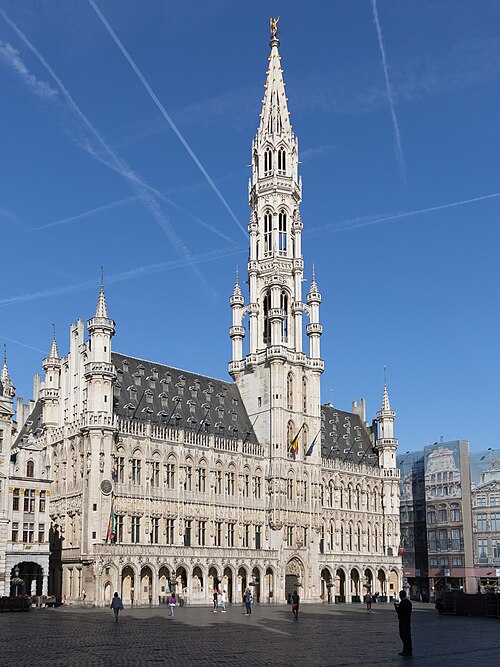
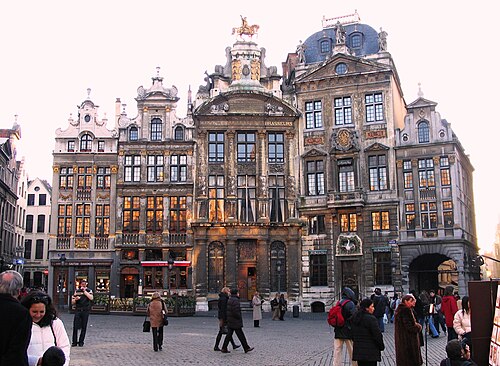
Grand-Place, or Grote Markt, is Brussels' historic central square and a UNESCO World Heritage Site since 1998.
- Must see
- Historic monument
- Brussels
Language · 11 published
Country guide
Belgium covers 30,689 km² and holds more than 11.8 million people, a density of 383 per km² that ranks sixth in Europe. It is divided three ways — Flanders in the north, Wallonia in the south, the Brussels-Capital Region in the middle — and the language divides with it: Dutch for about 60 per cent of the population, French for about 40, German for the one per cent in the East Cantons. The choice for a visitor is largely between Brussels, which carries the seats of the European Commission and Council and the headquarters of NATO, and the Flemish cities: Antwerp, Ghent, Bruges, Leuven.
Every city catalogued in this country so far, ranked by how much there is to see.
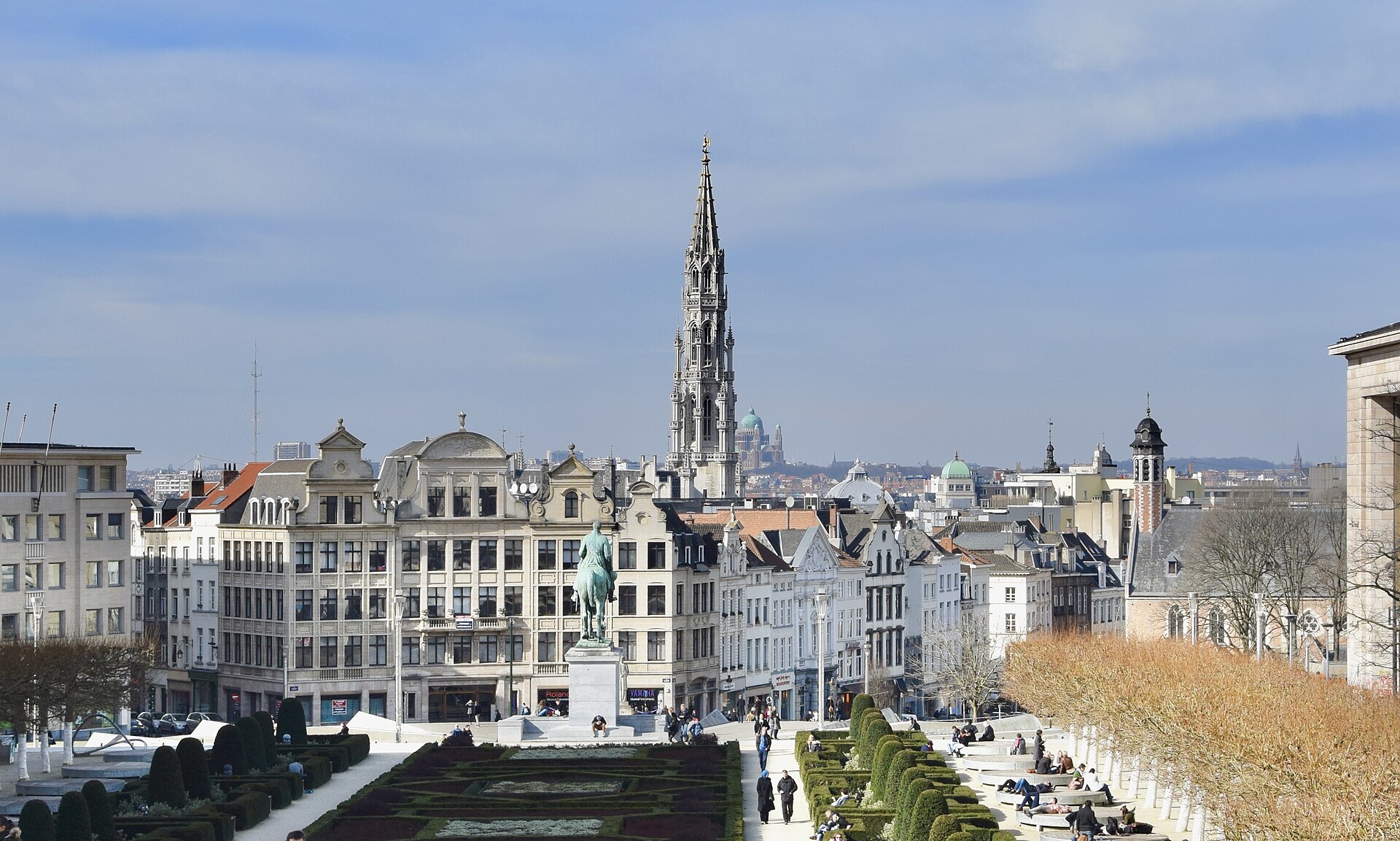
Photograph · Ank Kumar · CC BY-SA 4.0
Ranked by importance — sitelinks, pageviews and heritage status, not editor preference.
100 places match
Category
Typical visit duration
Interests
Grand-Place, or Grote Markt, is Brussels' historic central square and a UNESCO World Heritage Site since 1998.
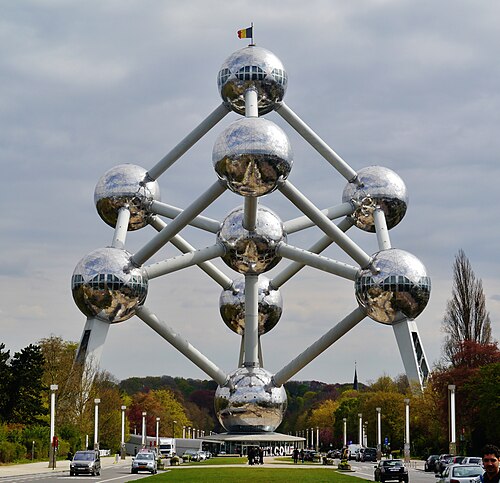
The Atomium is a building in the shape of a cube standing on one corner, and it is a model of something: the unit cell of an iron crystal, magnified 165 billion times.
The City Hall of Brussels is the working seat of the city's administration and the only building on the Grand-Place that a visitor can go inside on a ticket.
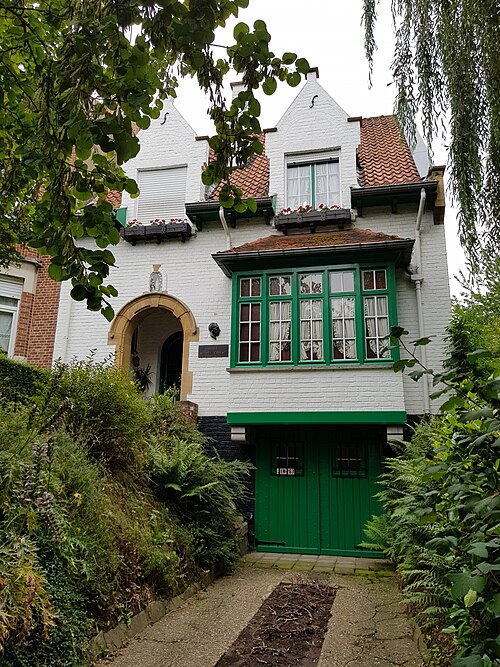
The Horta Museum is the house and architectural studio that Victor Horta built for himself in Saint-Gilles, and it is the only building on the Art Nouveau circuit in Brussels that a visitor can walk through room by room.
The Musée Magritte Museum is a museum devoted entirely to René Magritte (1898-1967), installed in the Hôtel Altenloh on the Place Royale and run by the Royal Museums of Fine Arts of Belgium.
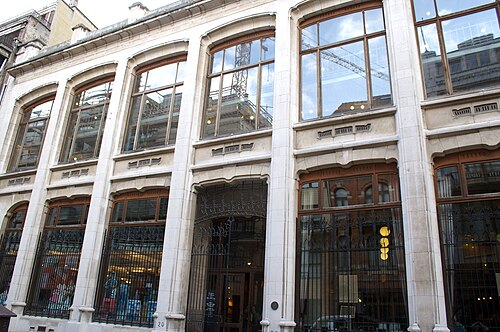
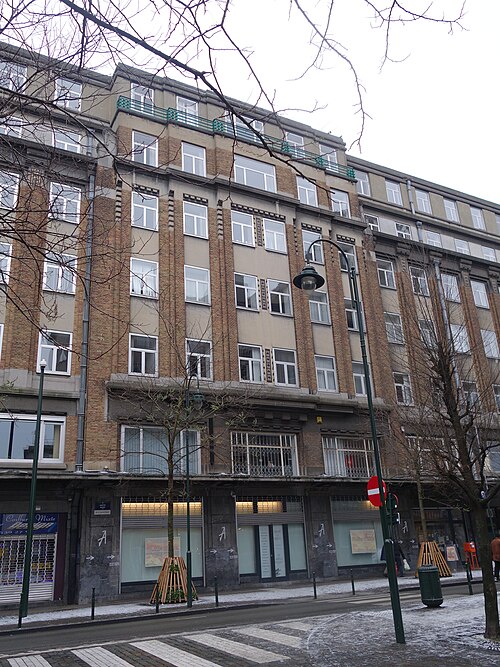
The Comic Art Museum, still widely signposted and registered under its founding name Belgian Comic Strip Center, occupies a department store that was never meant to hold pictures.
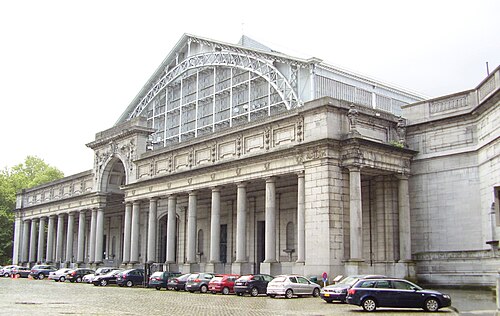
Cinquantenaire Park, also called Jubelpark, is the formal park and monumental complex in Brussels' European Quarter, made for Belgium's fiftieth anniversary in 1880. It began on the former Linthout drill ground and expanded after the 1880 national exhibition.
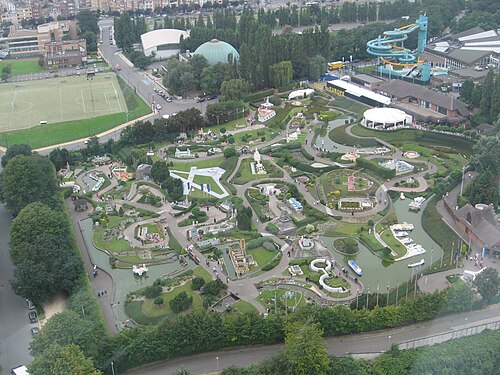
Mini-Europe is a miniature park at the foot of the Atomium in Laeken, in the north of Brussels, where some 350 monuments from across the European Union are rebuilt at a scale of 1/25 and set into roughly 2.5 hectares…
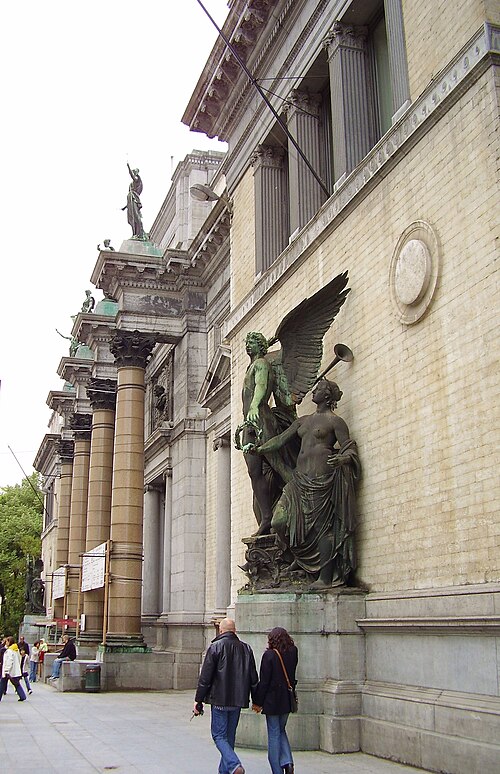
The Old Masters Museum is one of the four sites that make up the Royal Museums of Fine Arts of Belgium, a federal institution whose main entrance is at Rue de la Régence 3, on the slope below the Place…
The Musical Instruments Museum, universally called the MIM, is a federal Belgian museum of roughly ten thousand instruments, of which about twelve hundred are on show.
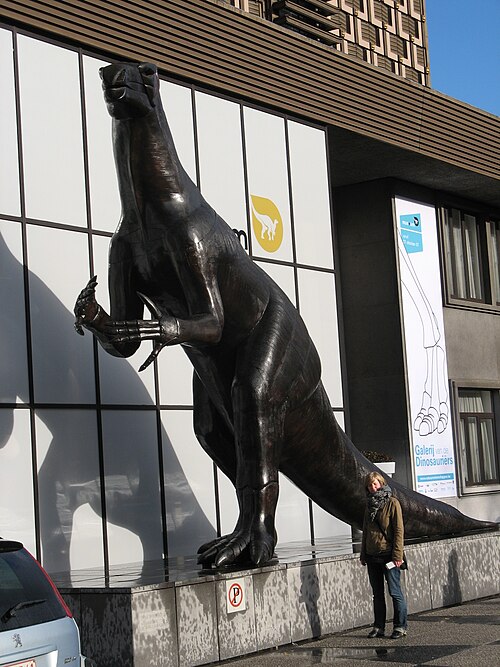
The Museum of Natural Sciences of Belgium is a major natural history museum located in Brussels. Its local names are Muséum des sciences naturelles de Belgique in French and Museum voor Natuurwetenschappen van België in Dutch, reflecting Belgium's bilingual character.
Autoworld is a motor museum located in Brussels, Belgium. The institution occupies a historic building within the Parc du Cinquantenaire complex, a prominent architectural setting in the European capital.
BELvue is a museum located in Brussels, Belgium. It occupies a historic building and presents exhibitions related to Belgian history, democracy, and society. The museum is situated in the Royal Quarter of Brussels, near the Royal Palace.
The House of European History is a museum in Brussels dedicated to the history of Europe and European integration. Located in the European Quarter near the European Parliament, it occupies the Eastman Building, a former dental institute.
The Parlamentarium is the visitors' centre of the European Parliament, located in Brussels. It serves as an exhibition space designed to inform the public about the European Parliament's role, history, and democratic processes.
The Palace of Coudenberg was a medieval royal and imperial palace located on Coudenberg hill in Brussels. It served as the seat of government for the Dukes of Brabant and later for the Habsburg rulers.
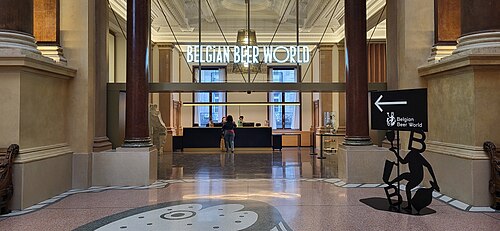
Belgian Beer World is a visitor attraction dedicated to Belgian beer culture in Brussels. It occupies a significant location within the Belgian capital, celebrating the country's renowned brewing heritage.
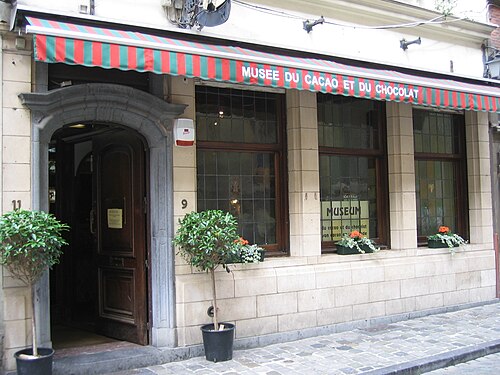
Choco-Story Brussels is a chocolate museum located in Brussels, Belgium. The museum explores the history and production of chocolate, from ancient Mesoamerican origins to modern Belgian craftsmanship.
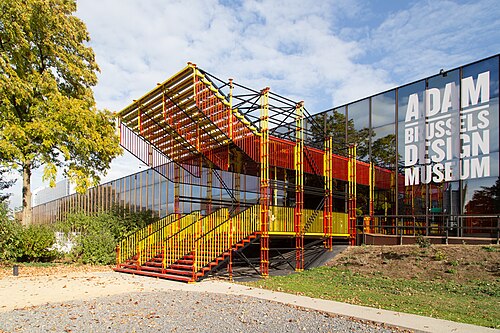
Design Museum Brussels is a museum dedicated to design, located in Brussels, Belgium. It was established to showcase design collections and promote understanding of design history and contemporary practice.
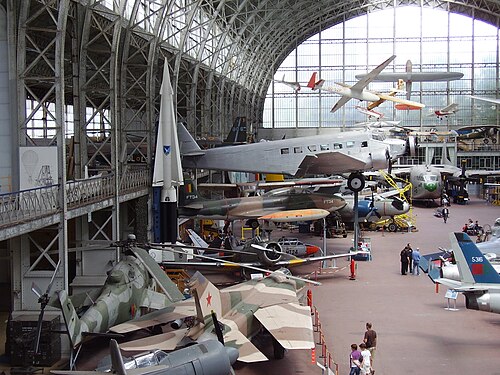
The Royal Museum of the Armed Forces and Military History occupies the historic Cinquantenaire complex in Brussels.
Train World is the national railway museum of Belgium, operated by the SNCB/NMBS national railway company. Located in the historic Schaerbeek railway station complex northeast of central Brussels, it occupies a significant heritage railway site.
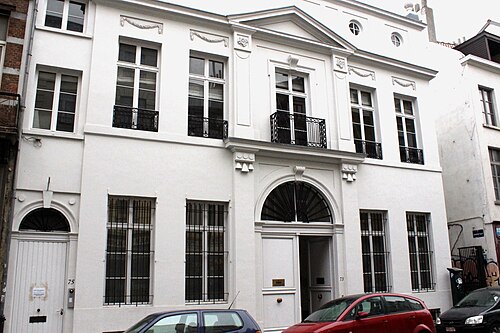
The Erasmus House, known locally as Maison d'Erasme or Erasmushuis, is a historic museum dedicated to the life and work of Desiderius Erasmus, the renowned Renaissance humanist, theologian, and scholar.
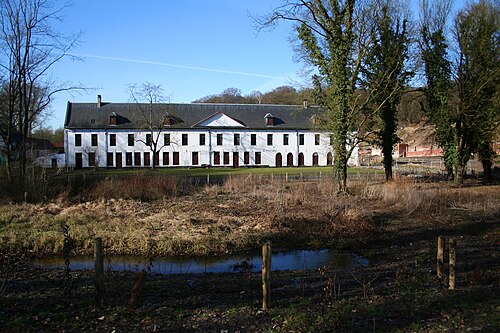
The Arts center of Red Cloister, known locally as Rouge Cloître in French and Rood Klooster in Dutch, is a cultural venue situated in the Brussels-Capital Region.
The Van Buuren Museum & Gardens is a cultural visitor attraction in Brussels, Belgium. It combines a museum space with garden grounds, offering visitors both indoor and outdoor experiences.
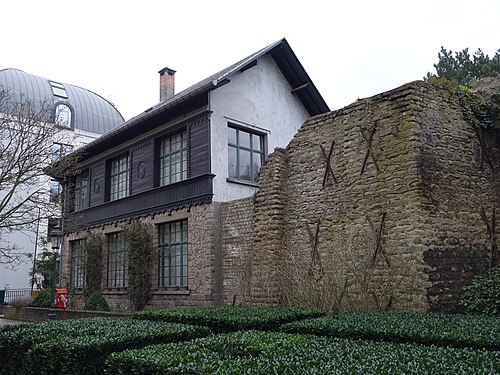
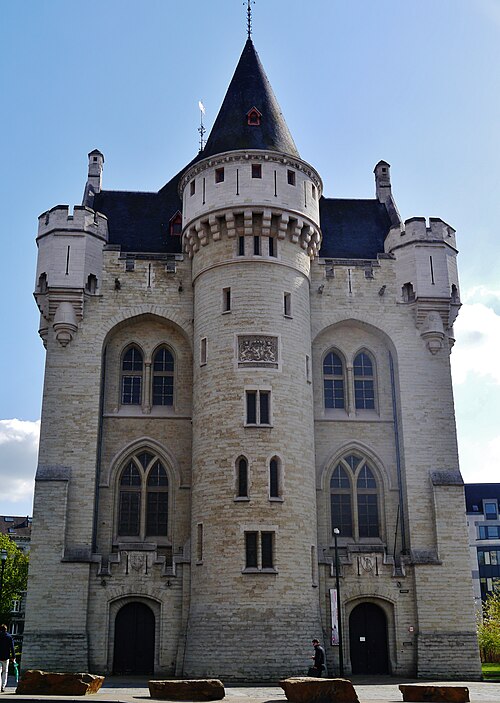
The Halle Gate Museum is a medieval fortified city gate in Brussels, Belgium. Known locally as Musée de la Porte de Hal or Hallepoort Museum, it stands as the last remaining gate of the second walls that once encircled Brussels.
The Archief en Museum voor het Vlaams Leven te Brussel is an archive and museum dedicated to Flemish life in Brussels. It preserves and presents materials related to the Flemish community's history, culture, and presence in the bilingual Belgian capital.
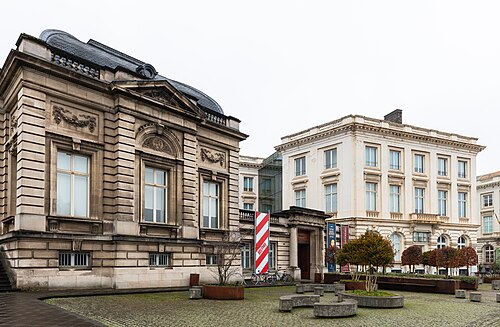
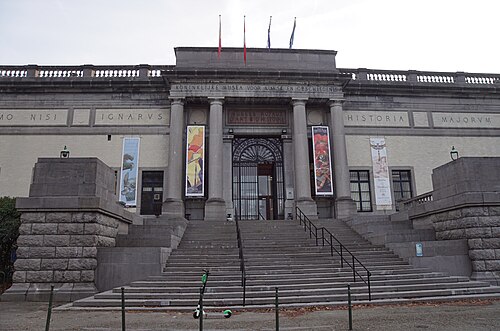
The Art & History Museum, known locally as Musée Art & Histoire and Museum Kunst & Geschiedenis, is a major cultural institution in Brussels.
The Art & marges museum is a Brussels museum dedicated to art brut and outsider art. Its local name is Art & marges musée - Art & marges museum.
The Belgian Museum of Freemasonry occupies a historic building in Brussels dedicated to preserving and presenting the heritage of Belgian freemasonry.
The Belgisch Museum voor Radiologie is a Belgian museum dedicated to the history of radiology and medical imaging. Located in Brussels, it operates under the local name Musée Belge de la Radiologie.
The Musée de la ville de Bruxelles - Museum van de Stad Brussel is a museum dedicated to the history and culture of Brussels.
The Brussels Comics Figurines Museum is a museum dedicated to comic book figurines and related collectibles in Brussels, Belgium. The institution celebrates the rich tradition of Belgian comics, which holds significant cultural importance in the country.
The Brussels Museum van de Geuze, also known locally as Musée Bruxellois de la Gueuze, is a museum dedicated to geuze, a traditional Belgian lambic beer style.
The Brussels Museum van de Molen en de Voeding, locally known as Musée bruxellois du Moulin et de l'Alimentation, is a museum in Brussels dedicated to mills and food.
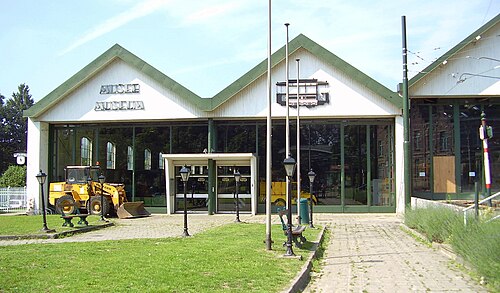
The Brussels Urban Transport Museum, known locally as Musée du Tram - Trammuseum, is a heritage transport museum in Brussels. It preserves and exhibits the history of urban public transport in the Belgian capital.
The Camille Lemonnier Museum is a literary museum in Brussels dedicated to the Belgian writer Camille Lemonnier. Lemonnier was a prominent Francophone author of the late nineteenth and early twentieth centuries, known for his contributions to Belgian literature.
The Charlier Museum, known locally as Musée Charlier - Charliermuseum, is a museum in Brussels. It occupies a historic townhouse setting. The institution preserves and presents art collections in a residential architectural context.
The Musée de Chine des Missionnaires de Scheut, known as Chinamuseum, is a museum in Brussels dedicated to Chinese art and culture. It was established by the Scheut missionaries, a Catholic missionary congregation with extensive historical connections to China.
The Fashion & Lace Museum, known locally as Musée Mode & Dentelle or Mode & Kant Museum, is a Brussels institution dedicated to textile heritage.
The Fin-de-Siècle Museum is a dedicated museum in Brussels focused on Belgian art from the late nineteenth and early twentieth centuries. Its local name, Musée Fin de siècle, reflects its French-language identity within Belgium's bilingual context.
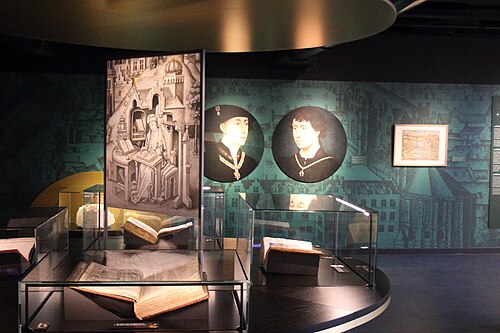
The KBR Museum is a cultural institution in Brussels associated with the Royal Library of Belgium (KBR/Koninklijke Bibliotheek van België). It presents exhibitions drawn from the library's extensive collections, which span manuscripts, rare books, prints, and historical documents.
La Fonderie, Brussels Museum of Industry and Labour is a museum dedicated to preserving and presenting the industrial heritage of Brussels and its surrounding region.
The Marc Sleen Museum, known locally as Maison Marc Sleen or Huis Marc Sleen, is a museum in Brussels dedicated to the Belgian cartoonist Marc Sleen.
The Maurice Carême Museum is a literary museum in Brussels dedicated to the Belgian poet Maurice Carême. The museum occupies the house where the poet lived and worked.
The Meunier Museum is a museum in Brussels dedicated to the Belgian artist Constantin Meunier, known for his sculptures and paintings depicting industrial and working-class subjects.
MigratieMuseumMigration is a museum in Brussels dedicated to the history and experience of migration. The institution examines human movement, settlement, and cultural exchange, with particular attention to migration patterns affecting Belgium and Europe.
The Museum of Ixelles is a municipal art museum located in the Ixelles/Elsene municipality of Brussels. Its local name, Musée d'Ixelles - Museum van Elsene, reflects the bilingual character of the Brussels-Capital Region.
The Museum of Medicine, known locally as Musée de la Médecine in French and Geneeskundemuseum in Dutch, is a medical history museum in Brussels.
The Museum of the Public Social Welfare Centre of Brussels documents the history of public social welfare in Belgium's capital.
The Museum van de Belgische Brouwers, also known as Musée des Brasseurs belges, is a Belgian brewery museum located in Brussels. It documents the history and traditions of Belgian brewing, one of the country's most celebrated cultural heritage elements.
The Museum van de Nationale Bank van België, also known as Musée de la Banque nationale de Belgique, is a museum operated by Belgium's national bank.
The Museum van de Orthodoxe Kerk, also known locally as Musée de l'Église orthodoxe, is a religious museum in Brussels dedicated to the heritage of the Orthodox Church.
The Museum voor Spontane Kunst, also known as Musée d'Art Spontané, is a Brussels institution dedicated to spontaneous art. The museum occupies a position within Belgium's bilingual capital, where both French and Dutch names appear officially.
The National Museum of the Resistance, known locally as Musée national de la Résistance and Nationaal Museum van de Weerstand, is a museum in Brussels dedicated to documenting Belgium's resistance movement during the Second World War.
Imprimarium is a museum in Brussels dedicated to the history and art of printing. As a MUSEUM category visitor POI, it occupies a curated rank of 68 among 99 listed places in the city.
The René Magritte Museum is a dedicated museum celebrating the life and work of the Belgian surrealist painter René Magritte.
The Schaerbeek Beer Museum, locally known as Musée schaerbeekois de la bière or Schaarbeeks Biermuseum, is a museum in the Brussels municipality of Schaerbeek dedicated to the history and culture of beer.
The Sewer Museum in Brussels, locally known as Musée des Égouts or Riolenmuseum, offers visitors a distinctive underground exploration of the city's sanitation infrastructure.
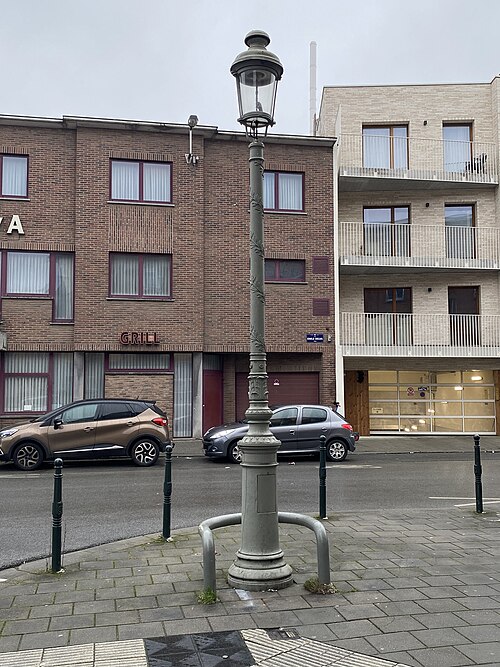
The Street Lamp Museum, locally known as Musée du Réverbère or Museum van de Straatlantaarn, is a Brussels visitor point of interest identified by the exact production identity way/975801424.
The Children's Museum, known locally as Le Musée des Enfants or Het Kindermuseum, is a Brussels institution dedicated to young visitors. It occupies a purpose-built space designed for interactive learning through play.
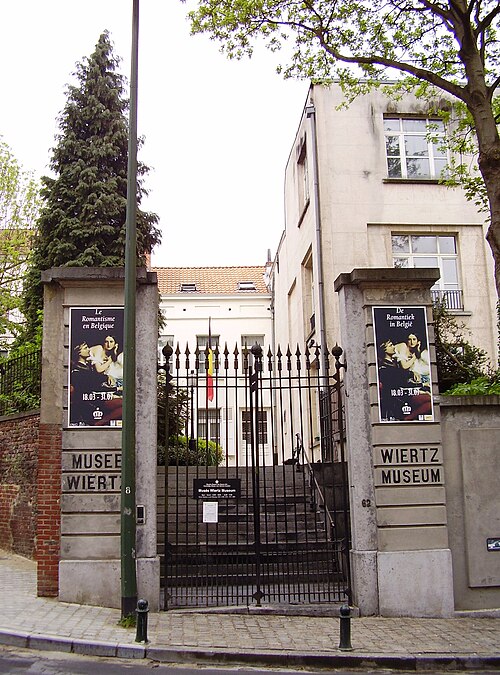
The Musée Wiertz Museum is a museum in Brussels dedicated to the works of Antoine Wiertz, a Belgian Romantic painter and sculptor.
The Experimental Garden Jean Massart is a botanical garden in Brussels, known locally as Jardin botanique Jean Massart or Botanische tuin Jean Massart.
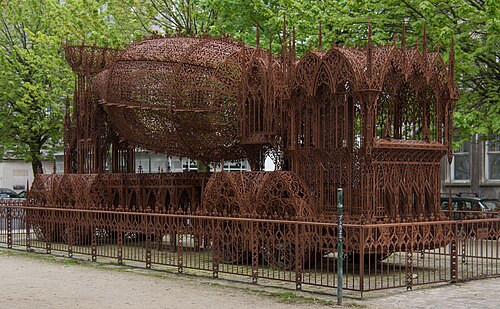
The Humanist Sculpture Park, locally known as Humanistisch Sculpturenpark, is an outdoor cultural installation in Brussels. It presents sculptural works within a landscaped environment, reflecting humanist themes through three-dimensional art.
Source: OpenStreetMap contributors, Wikidata ·
Five to seven days covers Brussels plus two or three rail-linked cities such as Antwerp, Ghent, Bruges, Leuven or Liège. Staying in one or two bases avoids losing time to repeated hotel changes in this compact network.
Belgium’s foreign-affairs service publishes visa and short-stay requirements. Check the rule for the passport being used and the full Schengen itinerary, especially when Belgium is not the first external border crossed.
Brussels Airport connects directly with Belgium’s national rail network, and intercity trains link the principal cities without compulsory reservations. Local buses, trams and metros belong to separate regional operators, so one urban ticket is not automatically valid nationwide.
April through June offers long sightseeing days, while September usually retains workable conditions with fewer peak-summer pressures. Belgian weather remains changeable, making a waterproof layer useful in any of these months.
The euro (EUR) is Belgium’s currency. Card and cash acceptance can differ between a station machine, a market stall and a small business, so retain a second payment method rather than assuming one card will work everywhere.
Belgium uses 112 for emergencies and Type C or E plugs at 230 V. The recorded national guidance says mains tap water is safe.