.jpg)


4 min walk
Parlamentarium
- Must see
- Museum
Language · 1 published
Museum · Brussels
Maison de l'Histoire européenne - Huis van de Europese geschiedenis
| Monday | 13:00 – 18:00 |
|---|---|
| Tuesday | 09:00 – 18:00 |
| Wednesday | 09:00 – 18:00 |
| Thursday | 09:00 – 18:00 |
| Friday | 09:00 – 18:00 |
| Saturday | 10:00 – 18:00 |
| Sunday | 10:00 – 18:00 |
Parsed from OpenStreetMap opening hours on 2026-08-26.
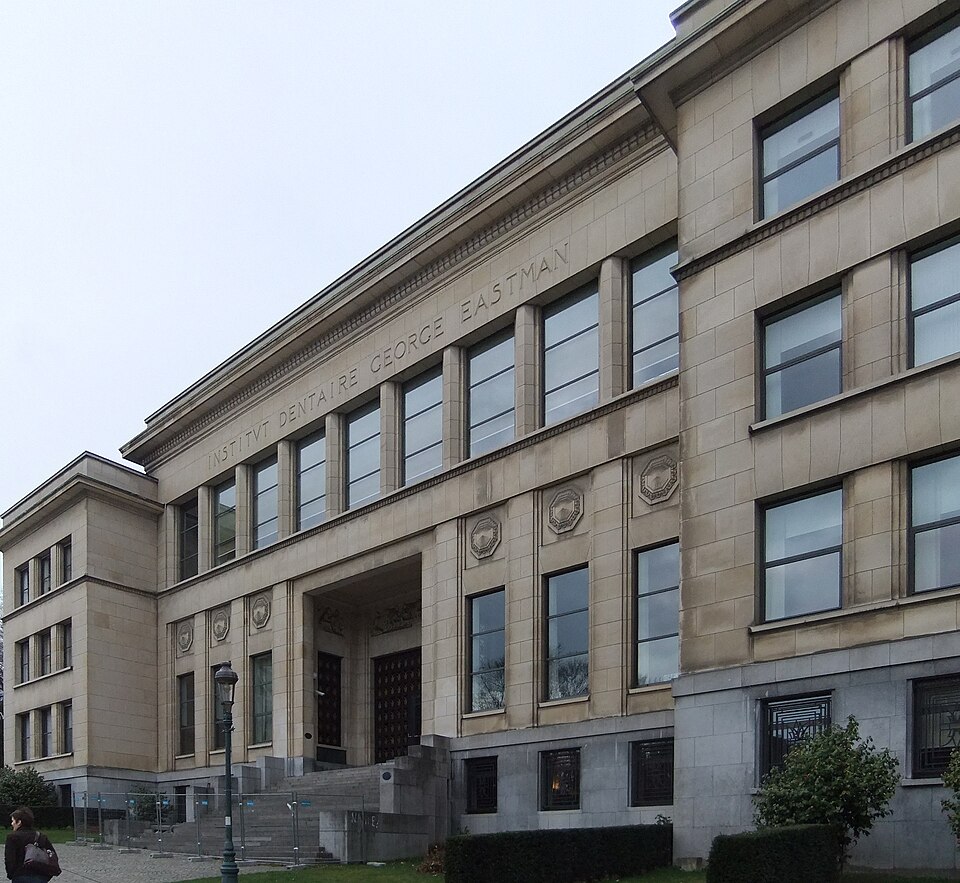
The House of European History is a museum in Brussels dedicated to the history of Europe and European integration. Located in the European Quarter near the European Parliament, it occupies the Eastman Building, a former dental institute. The museum opened to the public in 2017 and is administered by the European Parliament. Its permanent exhibition traces European history from the nineteenth century to the present, examining political, social, and cultural developments across the continent. The institution aims to present multiple perspectives on European history.
Checked 2026-08-26
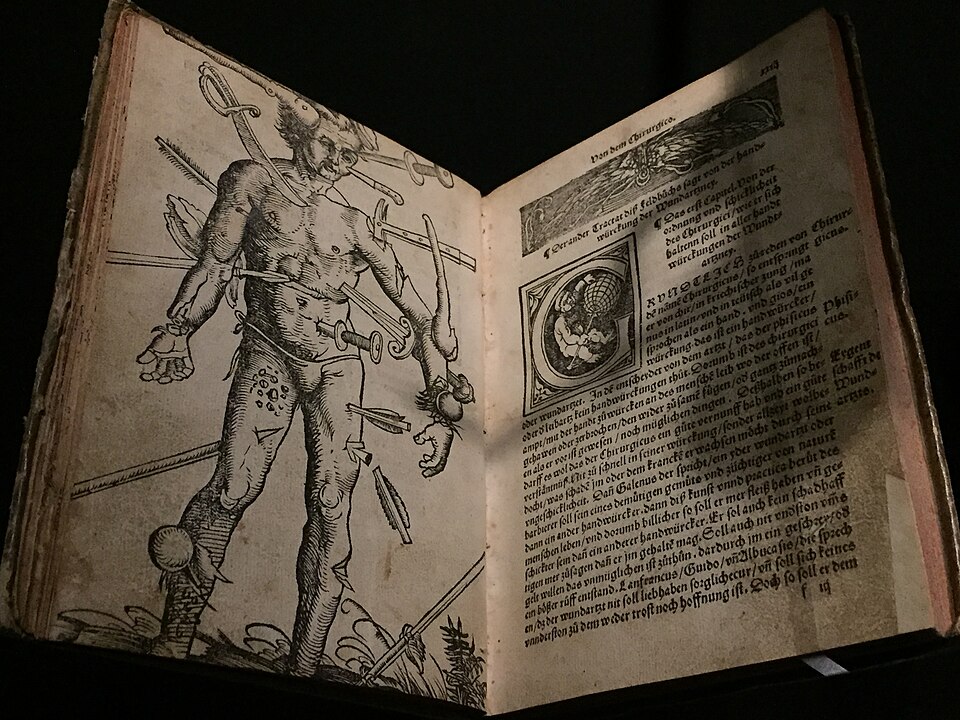
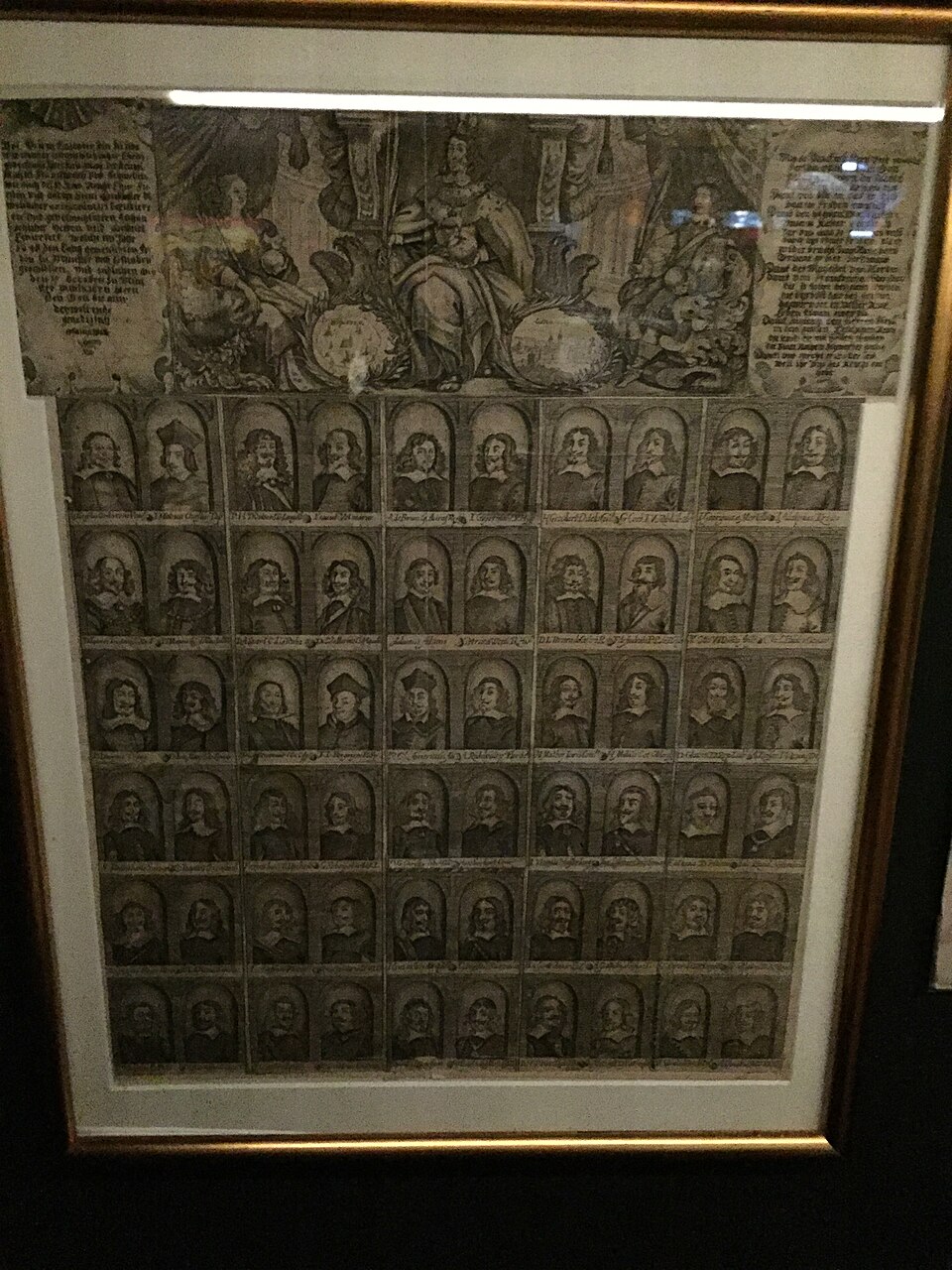
The museum features a permanent exhibition spread across multiple floors, using objects, documents, and multimedia installations to explore European history. Themes include the rise of nation-states, two world wars, the Cold War division, and the process of European integration. The collection incorporates items from various European countries to represent diverse national experiences. Temporary exhibitions address specific aspects of European history and contemporary issues. The building includes educational spaces, a café, and a shop. Audio guides are available in multiple European languages to accommodate international visitors.
Checked 2026-08-26
Visitors typically spend between ninety minutes and two hours exploring the permanent exhibition, though this varies considerably based on individual interest in detailed historical content. Those wishing to engage thoroughly with all multimedia elements, read extensive text panels, or participate in audio guide commentary may require additional time. The museum's multi-floor layout encourages a chronological progression through European history. School groups and organized tours may move more quickly through designated highlights. Visitors should allocate sufficient time for security screening at entry, which can add to overall duration during busy periods.
Checked 2026-08-26
Operator-confirmed hours are Not recorded pending review. Visitors should consult the official European Parliament website or contact the museum directly before planning their visit, as opening schedules may change seasonally or in response to institutional requirements. The museum is situated in the European Quarter, which experiences increased activity during weekdays when European institutions are in session. Weekend visits may offer a quieter experience, though this depends on actual operating hours. Special events, European Parliament plenary sessions, or holidays may affect accessibility. Advance verification remains essential for all prospective visitors.
Checked 2026-08-26

Operator-confirmed prices are Not recorded pending review. The House of European History has historically offered free admission as an institution of the European Parliament, though visitors should verify current policy directly with official sources. Group visits and educational programs may require advance reservation regardless of cost. Any changes to pricing structure would be announced through official European Parliament channels. Visitors should not rely on third-party information for admission details. The museum's status as an EU institution suggests public accessibility is a core mission, but definitive confirmation should be obtained before travel planning.
Checked 2026-08-26
The museum is located in the European Quarter of Brussels, near the European Parliament buildings. Public transportation provides the most reliable access. The nearest metro stations are Schuman and Maelbeek, both served by lines 1 and 5, within reasonable walking distance. Multiple bus lines serve the surrounding area. The museum is not in Brussels' historic center, so visitors should plan transit time accordingly. Cycling is feasible using Brussels' expanding bike infrastructure. Limited parking exists in this institutional district, making private vehicle use inadvisable. The address is Rue Belliard 135, though entrance procedures may direct visitors to specific access points.
Checked 2026-08-26
Security screening is mandatory for all visitors, similar to procedures at other European Parliament buildings. Valid identification may be required for entry. The museum's content addresses sensitive historical topics including war, genocide, and political oppression, which may affect some visitors. The chronological exhibition requires considerable reading and standing; seating is limited in some areas. The European Quarter has limited dining options outside institutional cafeterias, particularly on weekends. Nearby streets can become congested during major EU events or demonstrations. Visitors should remain aware of their surroundings and follow staff instructions regarding photography restrictions in specific exhibition areas.
Checked 2026-08-26

Photography policies within the House of European History are not fully detailed in available sources. Visitors should observe posted signage and staff instructions throughout the exhibition spaces. Many museums permit photography without flash for personal use while restricting commercial filming or specific sensitive displays. The multimedia and audiovisual installations may be subject to copyright protections affecting photography. Visitors wishing to photograph extensively should inquire at the information desk upon arrival. Respect for other visitors and the contemplative nature of historical content should guide all photography decisions. Social media sharing of permitted images is generally acceptable with appropriate attribution.
Checked 2026-08-26
Operator-confirmed prices are Not recorded pending review. The museum has historically operated without admission charges as a European Parliament institution, but visitors should verify current policy through official sources before visiting.
The museum provides audio guides and exhibition materials in multiple European languages to serve its international audience, reflecting the institution's pan-European mission.
Take metro lines 1 or 5 to Schuman or Maelbeek stations, then walk to the European Quarter. The museum is not in the historic center, so allow adequate transit time.
Not recorded. The museum addresses complex historical themes including conflict and oppression; parental discretion is advised for younger visitors based on content sensitivity.
Security screening is mandatory for all visitors. Bag policies are not specified; visitors should expect standard museum security procedures and follow staff instructions.
The building includes a café, though specific operating details are Not recorded pending review. The European Quarter has limited independent dining options, particularly on weekends.
Loading the interactive map…
The interactive map could not be loaded.
Last updated:
Source: OpenStreetMap contributors, Wikidata ·